Where’s The (Cultivated) Beef? IJ Takes On Texas’ Ban On Cultivated Meat
Ask people what they think of when they imagine Texas cuisine and it’s a fair bet they’ll say barbecue, especially beef brisket. That’s no surprise, given that Texas leads the nation with more than 12 million head of cattle and produces nearly 4.5 billion pounds of beef annually.
But for some consumers, these staggering numbers give them pause. They may love meat but want a way to enjoy it without the ethical and environmental qualms they feel about large-scale animal agriculture. Still others may have health concerns about antibiotics, environmental contaminants, parasites, or zoonotic diseases.
Entrepreneurial companies like Wildtype and UPSIDE Foods saw these demands and aimed to meet them. Both companies produce “cultivated” meat—meat grown from real animal cells but without the need for large-scale animal slaughter.
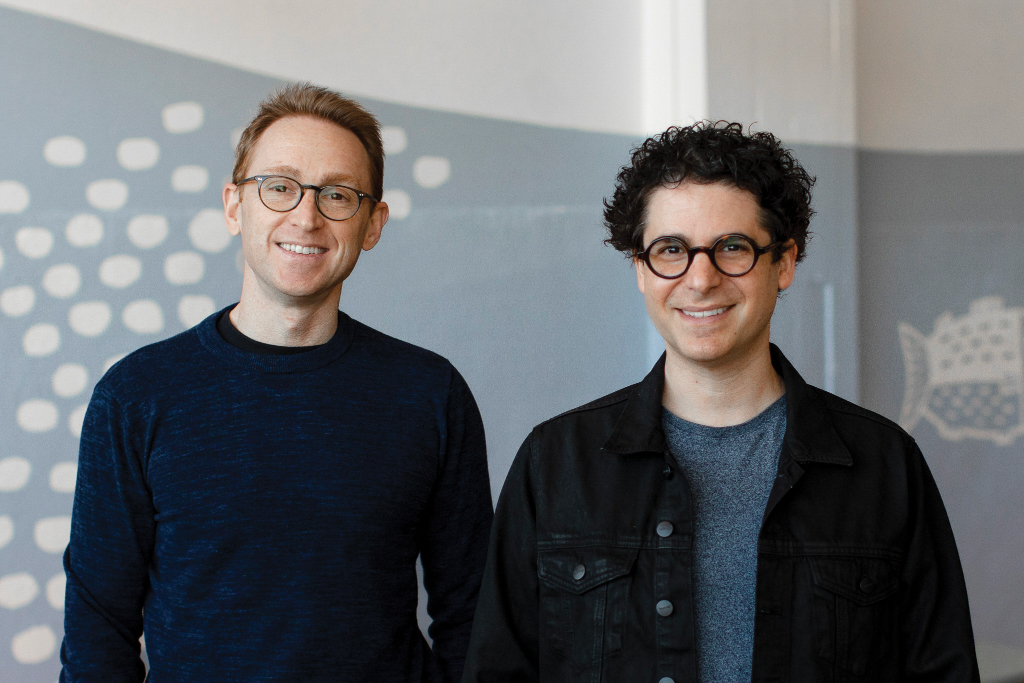
Both based in California, Wildtype was founded in 2016 by Dr. Aryé Elfenbein, a cardiologist with a background in stem-cell biology, and Justin Kolbeck, a former U.S. State Department diplomat, while UPSIDE was founded in 2015 by Dr. Uma Valeti, also a cardiologist. And following years of research and investment, both companies have received federal approval to sell their products—cultivated salmon for Wildtype and cultivated chicken for UPSIDE—throughout the United States.
Although these products have barely entered the market, powerful state interests are already lining up to shut down this new competition. That includes Texas cattle interests, who in June of this year convinced Texas to enact SB 261, which, starting on September 1, banned the sale of cultivated meat anywhere in the state.
Texas’ ban has nothing to do with protecting public health and safety. Not only did proponents of the bill present no evidence to challenge the FDA’s and USDA’s conclusions that cultivated meat is safe for human consumption, the law doesn’t even prevent the distribution of cultivated meat to consumers—it prohibits only the sale of cultivated meat.
Why prohibit only sale and not distribution? Because Texas’ law is designed to protect the Texas version of Big Agriculture from economic competition. The law’s sponsors openly said as much in committee hearings and on the floor of the Texas house.
But Texans have the right to decide for themselves what to eat; using government power purely to protect a favored state industry from interstate competition is unconstitutional.
In America, the market decides winners and losers, not the government. That principle is behind all of IJ’s challenges to economic protectionism—from our food freedom cases on behalf of food trucks, home cooks, and innovative food companies like UPSIDE, to our challenges to occupational licensing cartels that let existing florists, braiders, and more keep out newcomers. Informed consumers can buy what they want, and entrepreneurs can earn a living providing that product or service, subject to reasonable regulations for health and safety.
Last year, we filed a lawsuit against Florida’s first-in-the-nation ban on cultivated meat. And in the name of economic liberty and consumer choice, we will continue to fight against bans on safe new foods and other protectionist restrictions nationwide.
Paul Sherman is an IJ senior attorney.

Also in this Issue
Liberty & Law
IJ Makes Headlines
Liberty & Law
Victory! Farmers Vindicate The Right To A Real Judge
Liberty & Law
Rogue Detroit Prosecutor Must Stand Before Judge

Liberty & Law
How IJ Stopped The Biggest Forfeiture Heist In American History

Liberty & Law
IJ And SPN Establish Chip Mellor Prize For Excellence In Public Interest Litigation

Liberty & Law
Are Federal Officials Above The Law?

Liberty & Law
Home Sweet Business: Victory For Garage-Based Entrepreneurs In Nashville

Liberty & Law
IJ Fights For Family’s Freedom To Build Backyard Cottage

Liberty & Law
New Campaign Seeks To Shut Down Mass Surveillance
Liberty & Law
Another Real Class Act(ion) At The Crossroads Of America
Subscribe to get Liberty & Law magazine direct to your mailbox!
Sign up to receive IJ's bimonthly magazine, Liberty & Law, along with breaking news updates about the Institute for Justice's fight to protect the rights of all Americans.