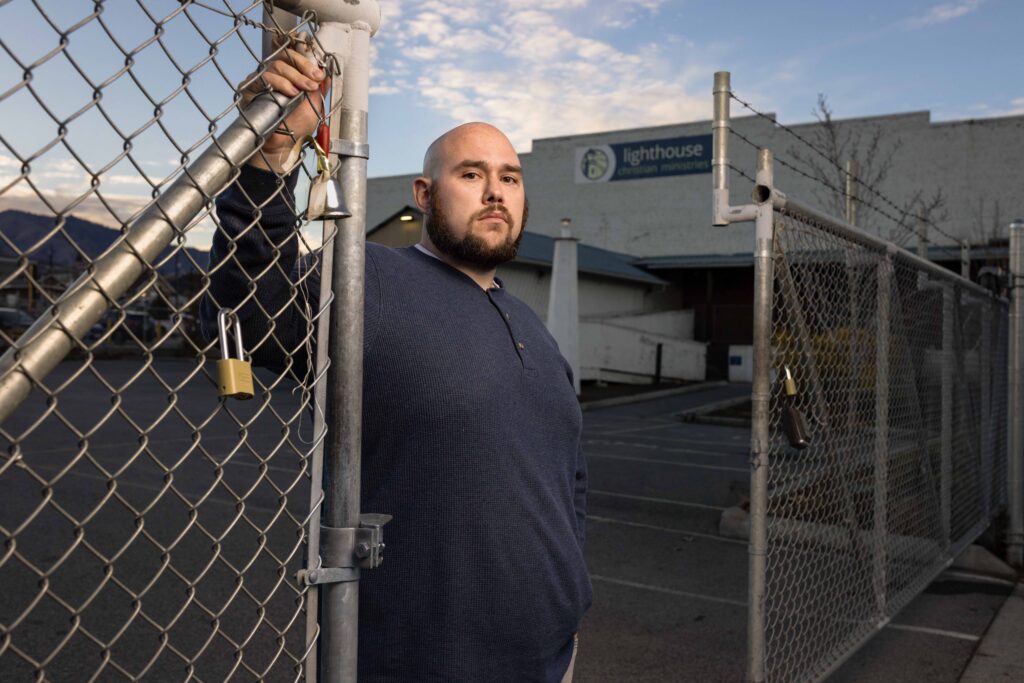
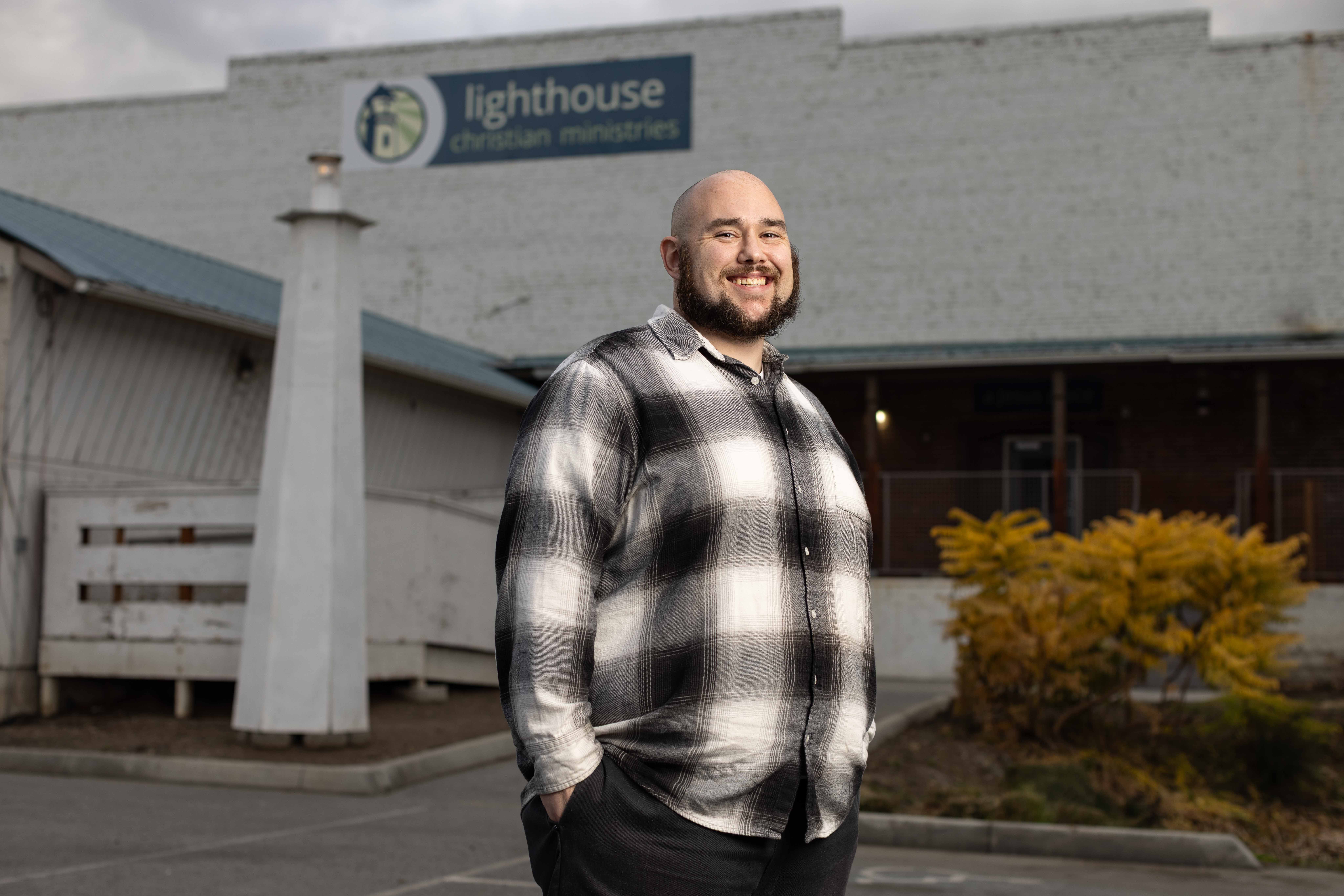
Hungry people in Wenatchee, Washington, are facing the winter cold without the hot meals they once relied on after the city abruptly shut down Lighthouse Christian Ministries’ soup kitchen last summer. The city did this without warning and without giving Lighthouse any opportunity to correct alleged problems.
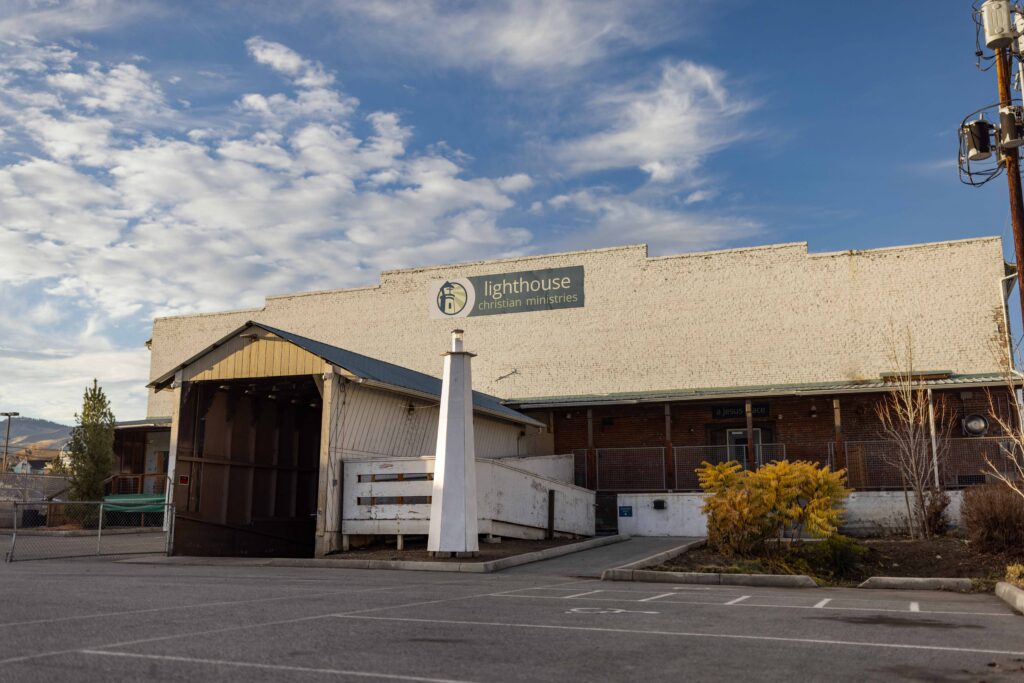
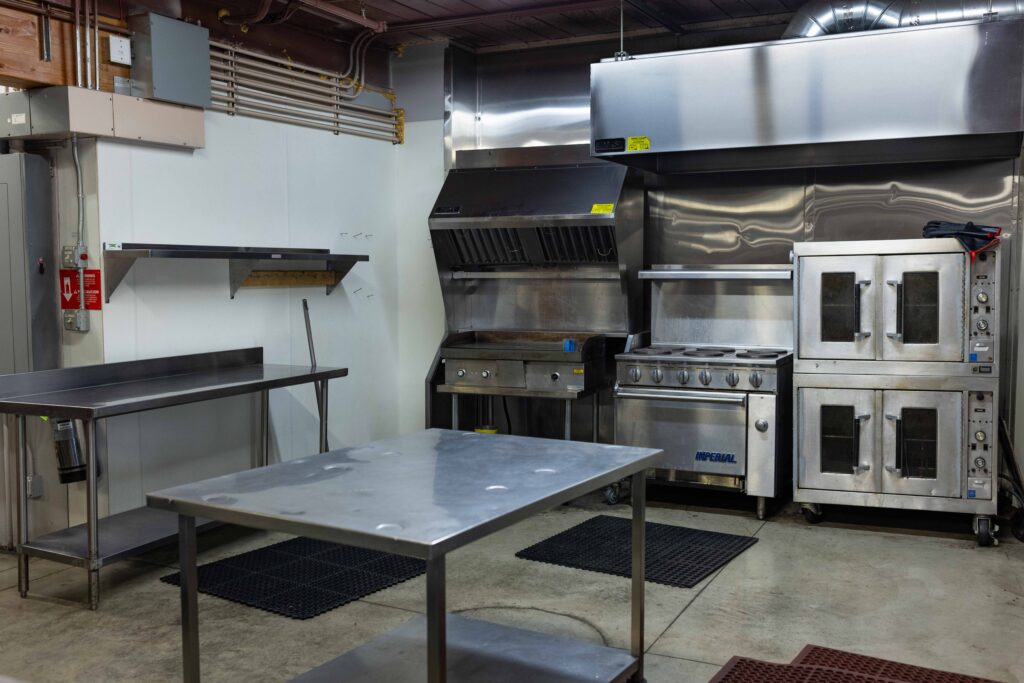
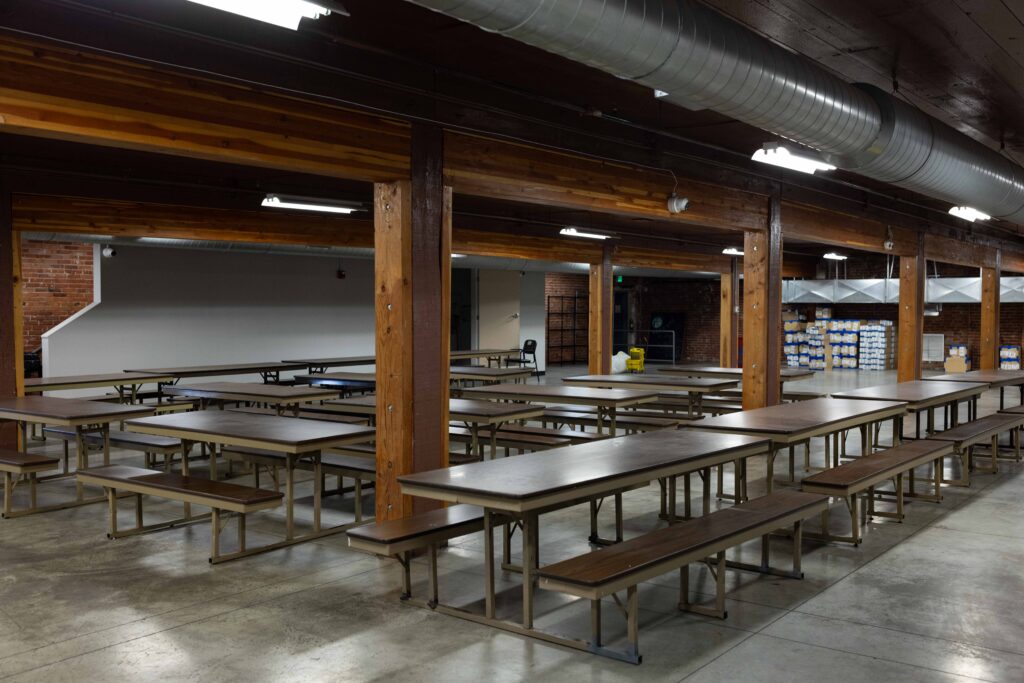
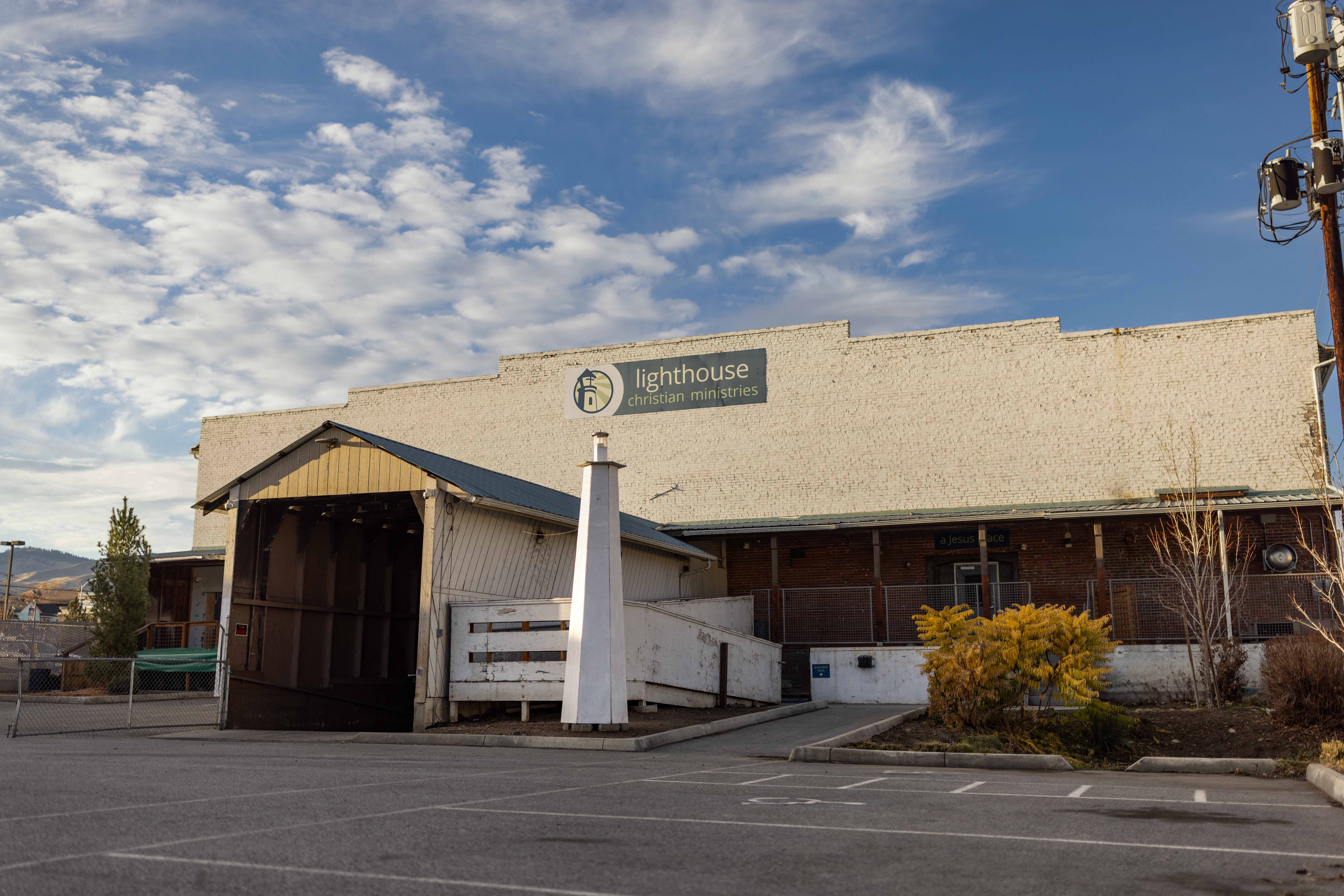
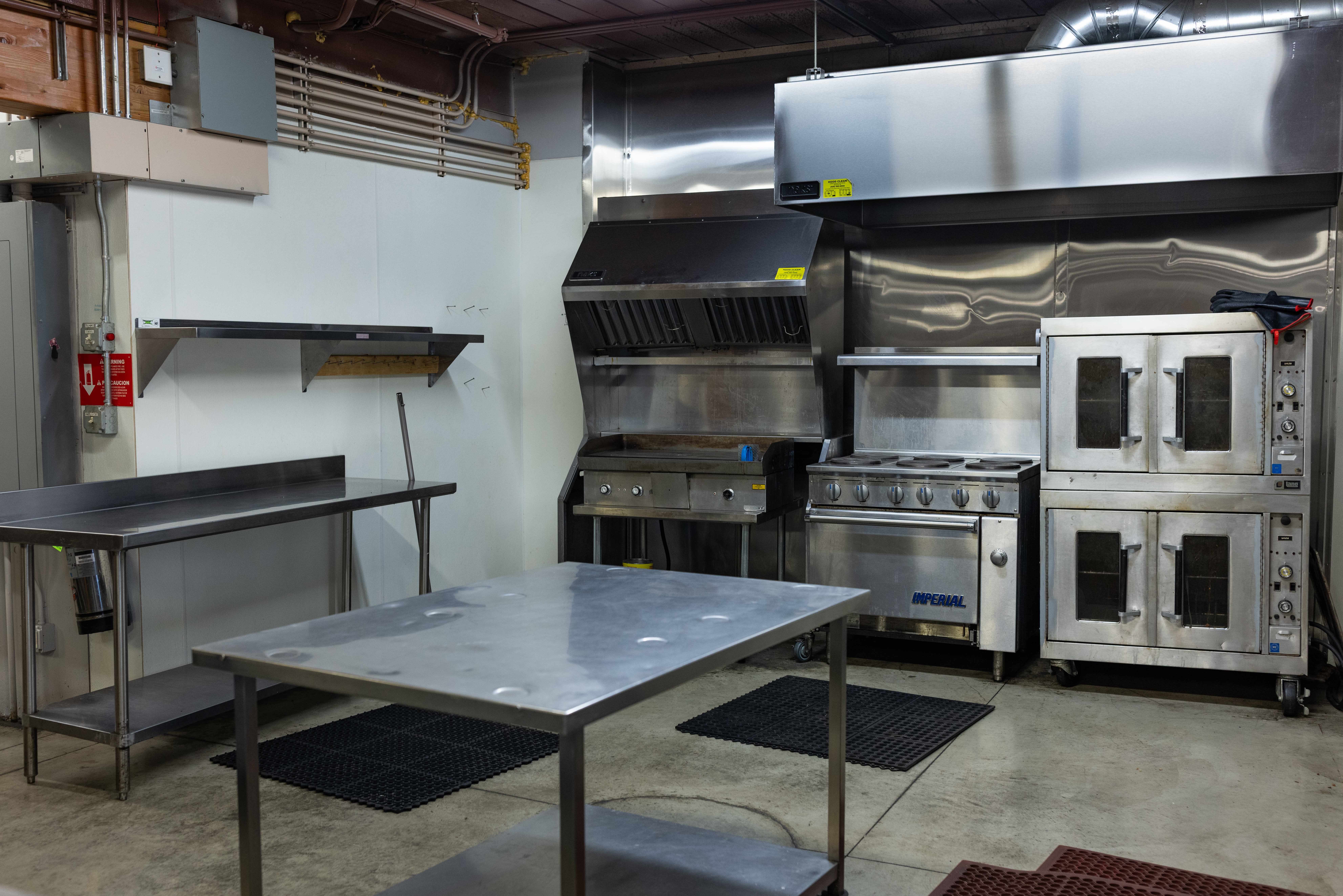
Lighthouse hadn’t done anything wrong. To the contrary, Lighthouse had done exactly what it was supposed to do. Before opening the soup kitchen on its property, it applied for and obtained the appropriate permits—most significantly, its conditional use permit to operate the soup kitchen in an industrial area. Spending over $1.6 million, it renovated a warehouse into a modern soup kitchen. It got city approval for a management plan and then followed that plan during its daily operations.
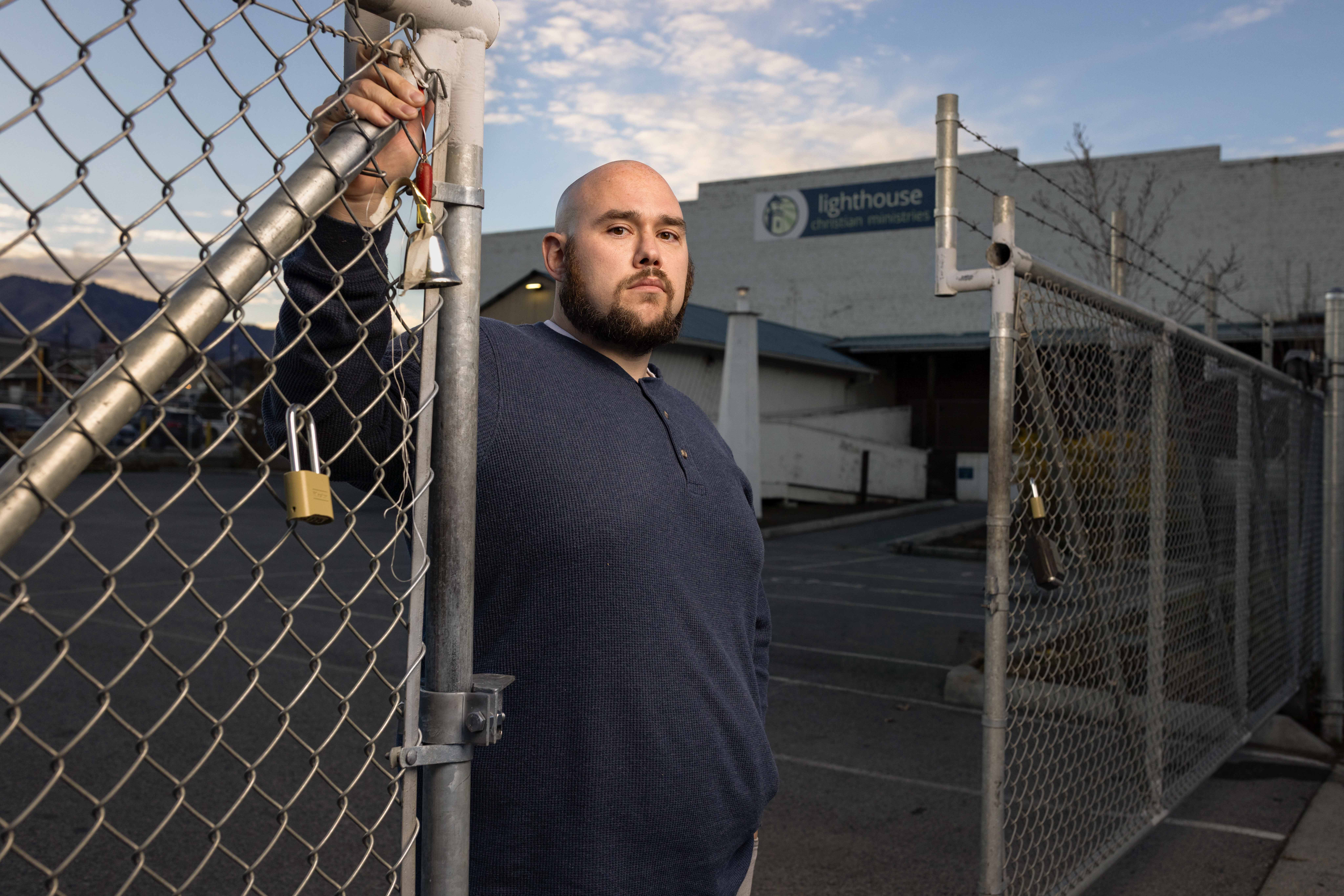
But to satisfy a few politically connected neighbors who wanted the impoverished and homeless that Lighthouse served to go away, city officials stripped Lighthouse of its permit to operate the soup kitchen. Rather than admit that it was caving to political pressure, the city offered bogus reasons for the shutdown.
Lighthouse regularly went above and beyond to be a good neighbor. It conducted routine litter and graffiti cleanups, installed a gate at neighbors’ request, responded immediately to concerns from nearby businesses, and worked hand-in-hand with police and the city’s own homeless services administrator to ensure safety and accountability. And Lighthouse did all of this as the pandemic and fentanyl drug crisis caused homelessness to worsen in the early 2020s across Wenatchee, the state, and the country.
Most egregiously, the city misrepresented 911 call data to blame Lighthouse for every emergency-service call in the area, including random car accidents at intersections. The city also punished Lighthouse for calling the police when the guests Lighthouse served misbehaved—exactly what the city and Lighthouse agreed Lighthouse should do before the soup kitchen opened. And the city claimed trivial, fixable issues, such as an improperly locked gate and parking vehicles in a leased lot next door, justified shuttering the soup kitchen, which provided thousands of meals each year.
Lighthouse has joined with the Institute for Justice to fight back in defense of property rights and the right to help those in need. Cities cannot weaponize zoning laws to appease influential neighbors or punish charities serving unpopular people. The Constitution does not permit it, and Lighthouse is asking for a federal court order that Lighthouse can reopen its doors.

Case Documents
Media Resources
Get in touch with the media contact for image resources, press releases, and interview requests.
Media Images
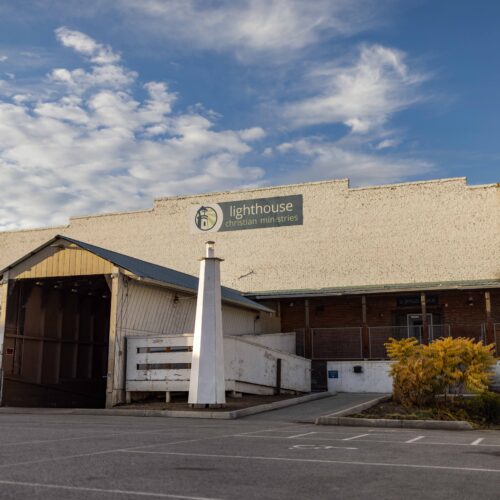
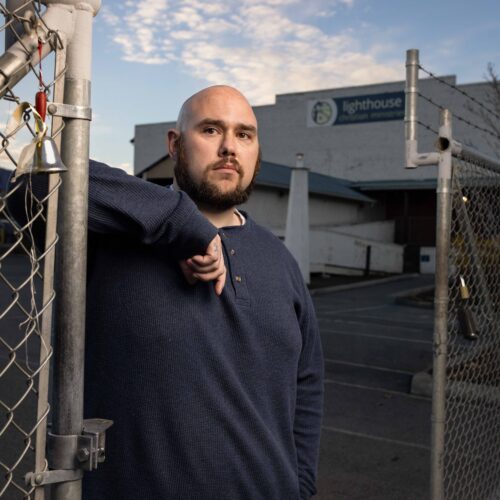
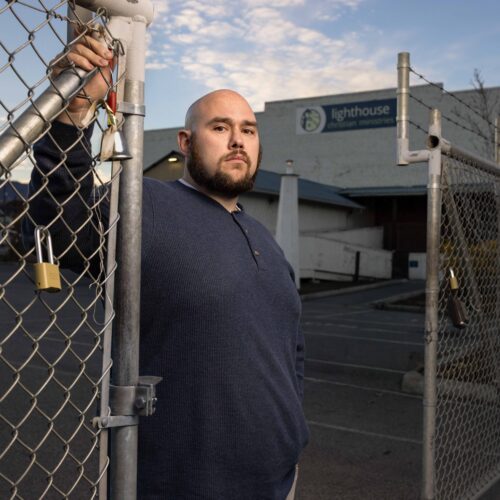
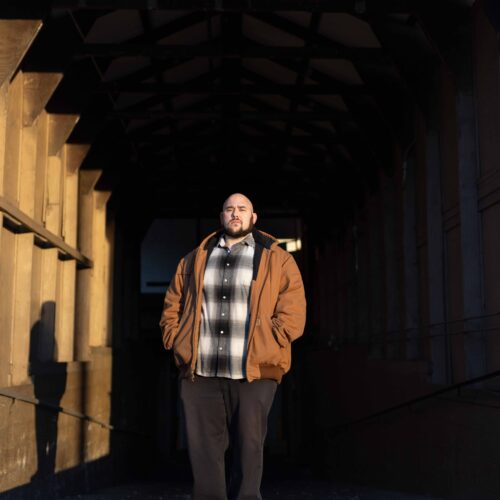
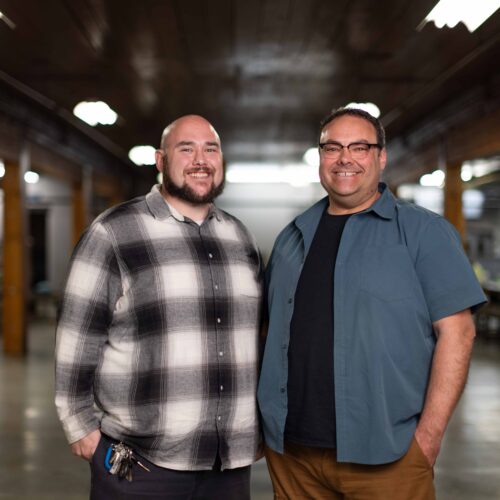
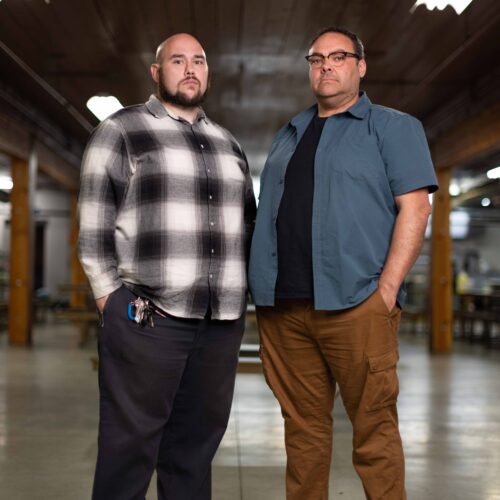

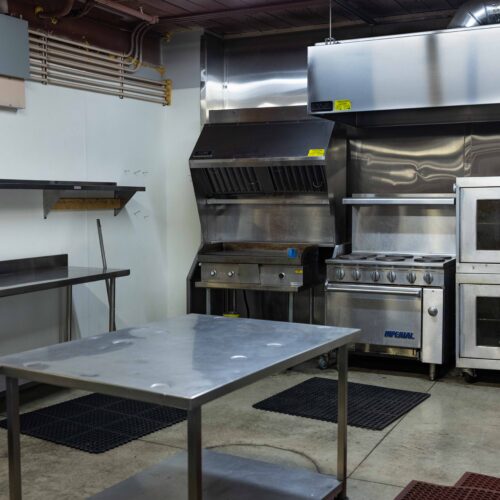
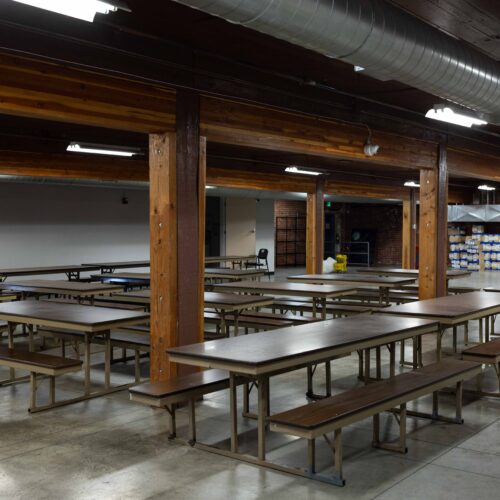

Lighthouse Invests $1,670,000 in Turning a Vacant Warehouse into a Safe Place for the Needy
Lighthouse first opened its soup kitchen in a one-room storefront in 2009. But demand soon far outstripped capacity. Though Wenatchee—the “Apple Capital of the World”—is a prosperous town, it struggles with homelessness and poverty like anywhere else. After operating its soup kitchen successfully for several years out of the rented storefront, Lighthouse looked for a permanent home that would offer more space.
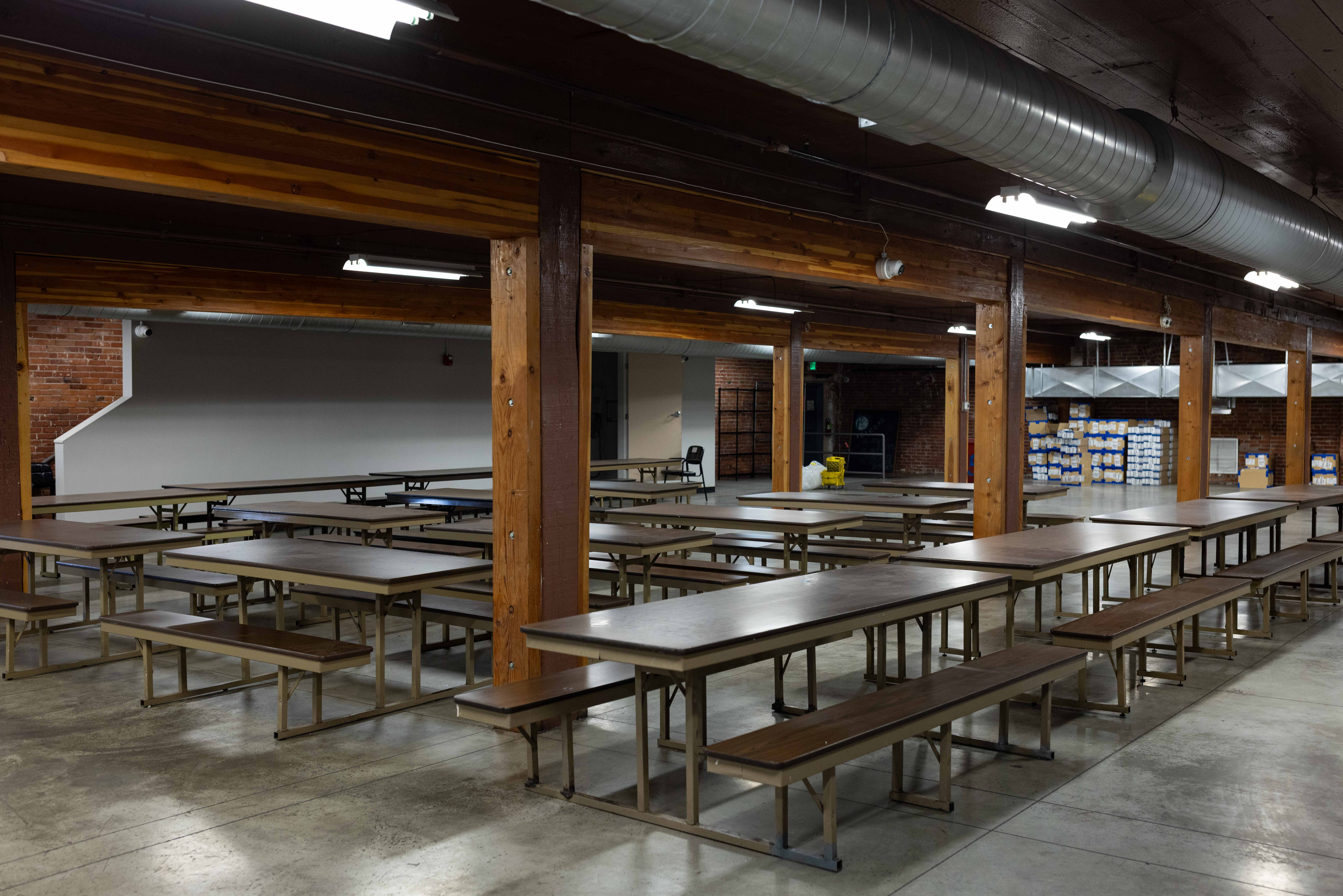
In summer 2015, Lighthouse found the perfect place in a former apple-packing warehouse in the industrial district. It was near bus and train transportation. But it would require an extensive renovation—an elevator, handicapped access, commercial food storage and refrigeration, commercial kitchen, dining hall, public space on the third floor, office space for a nonprofit dental and medical clinic, a new HVAC system, fire suppression, fencing, a sidewalk, landscaping, and security systems.
It would also require a conditional use permit from the city. Wenatchee’s zoning code requires this additional permit for “humanitarian services.”[i]
A conditional use permit (CUP) allows property owners to use their land in ways not automatically permitted under the existing zoning regulations. It often comes with specific conditions or requirements designed to minimize the impact of the use on the surrounding neighborhood. CUPs are normal, and many ordinary businesses and organizations have them, from daycares to hospitals to churches to nightclubs to sports venues to libraries.
Beginning in August 2015, Lighthouse went through an extensive, months-long application process, explaining its planned operations and plans for minimizing impacts on neighbors. The city granted the permit in February 2016. 1 Lighthouse spent the next three years and $1,670,000 in donations on renovations.
Lighthouse Responsibly Served the Neediest Members of Wenatchee Through the Pandemic, Skyrocketing Housing Prices, and the Fentanyl Crisis.
Lighthouse moved its soup kitchen to its property in the summer of 2019, serving nutritious meals each day. Lighthouse’s soup kitchen welcomed anyone in need, regardless of their personal circumstances. There were no requirements for drug or alcohol testing, identification, or participation in any religious activities—everyone who was hungry was served, just as they were. Lighthouse worked in partnership with other social service providers to help people obtain the resources they needed for finding jobs, getting medical treatment, finding housing, or seeking help for substance abuse. Lighthouse held quarterly resource fairs at the soup kitchen to connect guests with other providers.
Lighthouse enforced standards. The reality is that serving the homeless, who made up a large portion of Lighthouse guests, requires patience, compassion, and the fortitude to deal with people who have mental health or behavioral problems, often due to past trauma or substance abuse. If someone violated the rules, Lighthouse would exclude them for a day, week, month, year, or even permanently. And the rules didn’t just require civil behavior on site. Lighthouse would exclude people who were proving troublesome elsewhere. Lighthouse actively worked with the city’s homeless services administrator to ensure that people were fed and responsible citizens when out in the world.
Lighthouse’s policy of escalating consequences for bad behavior wasn’t just important for the efficient operation of the soup kitchen. This policy was at the core of the management plan that the city required as part of the CUP. Often, in conjunction with having guests acknowledge that they were being excluded, Lighthouse would call the police to have the person escorted out and they would be told they were considered trespassers if they returned. And if an excluded person returned and insisted on entry, Lighthouse would call the police to report trespass.
Lighthouse also took steps to ensure the cleanliness of the neighborhood. It conducted weekly patrols to clean up litter and erase graffiti, regardless of any connection to Lighthouse. Area businesses had the Lighthouse director’s personal cell phone, and he would immediately respond to concerns. Lighthouse spent $5,000 building a gate across a nearby private alley because the business owner complained that Lighthouse guests were walking down it. It even offered to install security cameras for a neighbor. In fact, the Lighthouse director responded to so many concerns, in so many locations, Lighthouse often seemed to be held responsible for homeless people’s behavior throughout the city, and well beyond its own neighborhood. But that wasn’t true. Lighthouse couldn’t control what the homeless did and wasn’t responsible for what the homeless did off of its property.
The challenges for Lighthouse and the wider public worsened during the pandemic. Homeless and low-income people had diminished access to work, as well as medical and mental health care. At the same time, there was an influx of remote workers that caused housing prices to approximately double between 2019 and 2025. 2
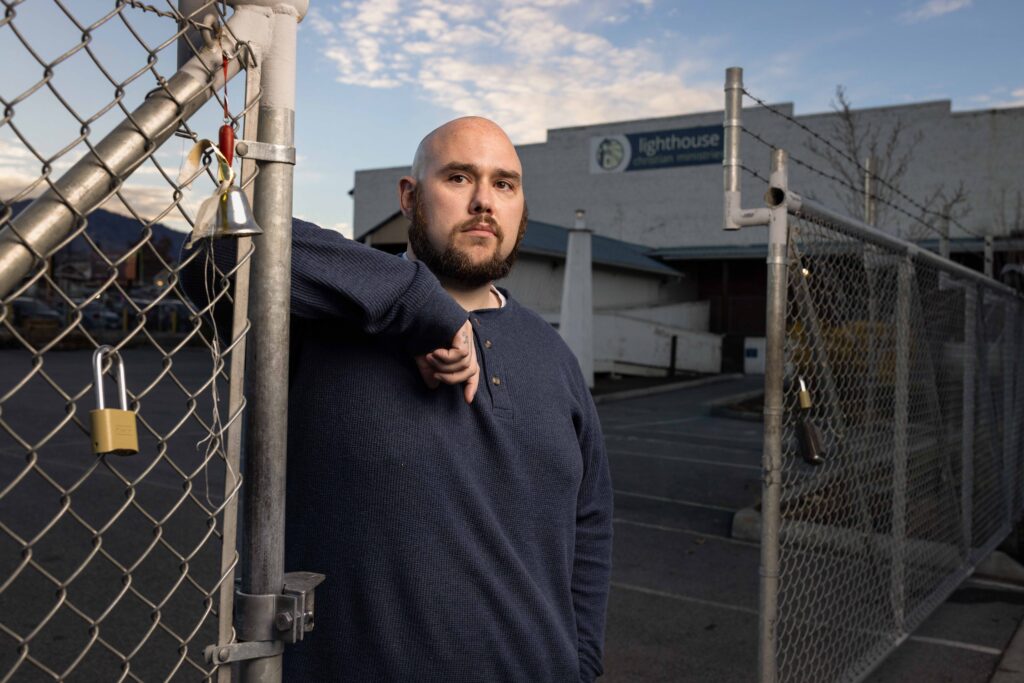
Lighthouse closed its doors for a few weeks in March 2025 to develop more effective ways to help people exit homelessness. The centerpiece of this new approach was a computerized check-in process that would track guests’ progress toward finding housing and stability. If they had not made measurable progress after three months, guests were required to meet with Lighthouse staff to discuss personal goals. If guests persistently failed to progress, they would be excluded from the soup kitchen. To ensure that everyone checked in, Lighthouse moved the soup kitchen’s entrance so that guests would pass through a lobby with a sign in desk. To discourage people from sneaking in, it locked a gate near the original entrance.
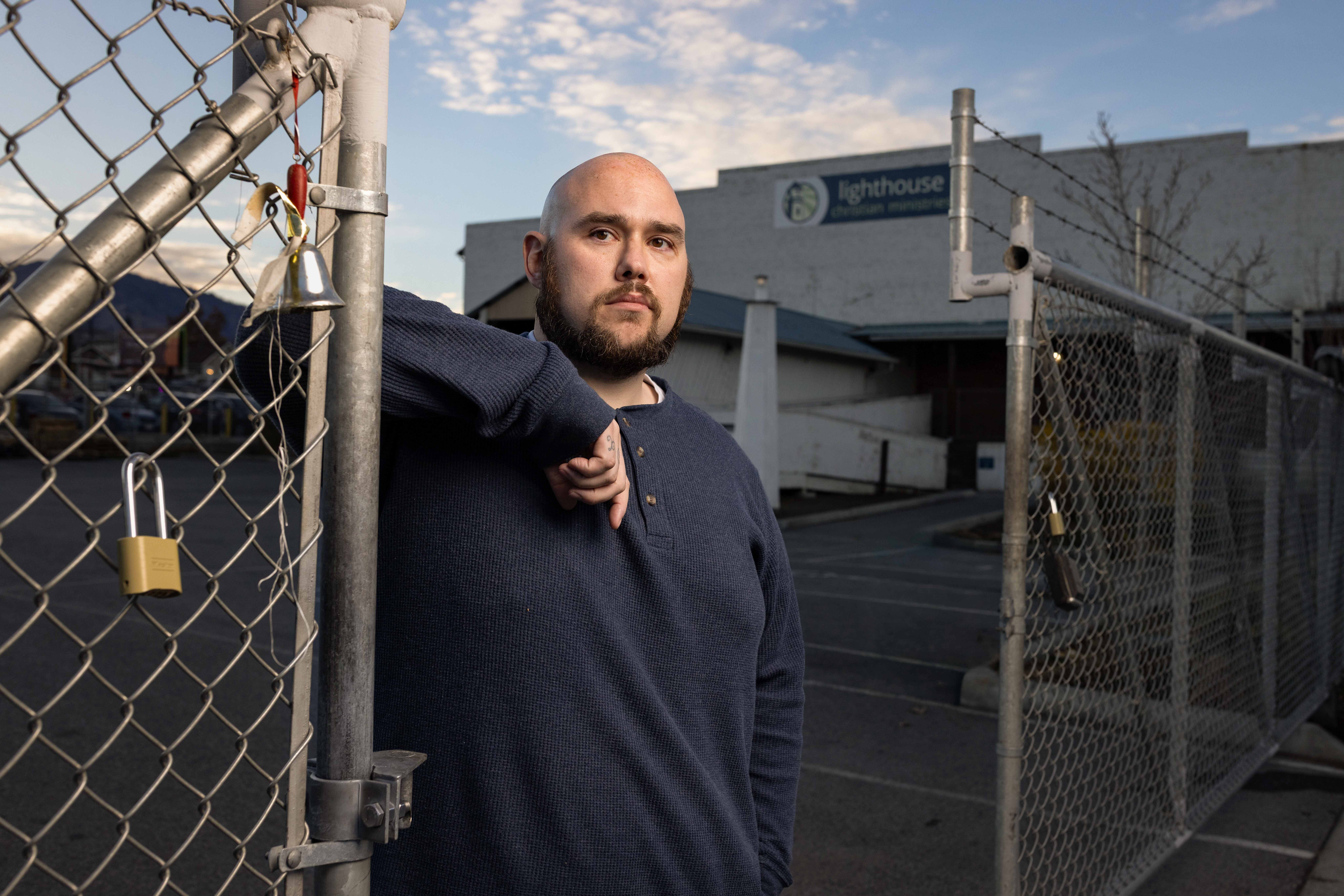
The City of Wenatchee Abruptly Shuts Lighthouse Down in May 2025.
Lighthouse worked with the city’s homeless administrator during the March 2025 closure to develop its new approach. At no point during this process did the city tell Lighthouse that its changes would be a problem or otherwise inform the soup kitchen that, in the city’s view, Lighthouse was violating Wenatchee law or the terms of the conditional use permit.
Lighthouse was shocked, then, when the city issued an order on May 12, 2025, revoking the CUP. 3 The city relied on ticky-tacky issues that were simple to remedy. For example:
- The city objected to Lighthouse leasing a vacant parking lot next door to create additional off-street parking.
- The city pointed out that Lighthouse locked a gate and shifted its entrance to the office lobby.
These justifications are downright bizarre. Normal cities do not destroy entire organizations like a soup kitchen because of minor infractions. A normal city allows a property the opportunity to remedy violations. Indeed, that is what the city here normally does. For example, Sage Hills Church recently opened a coffee shop that the city decided was inconsistent with the church’s CUP. The city didn’t shut the church down permanently by revoking its CUP.
The situation becomes even more bizarre when you unpack the city’s allegations that Lighthouse was creating nuisances in the area. According to the staff report on the revocation, there were 2,600 calls for emergency services to Lighthouse itself and the vicinity of Lighthouse since it opened in 2019. The staff report says that 23 percent of these 2,600 calls were to Lighthouse’s property (701 calls) and 73 percent were calls by neighbors (1,923 calls). The city argued to the hearing officer during revocation proceedings that Lighthouse was causing all of these emergency service calls.
But the city never provided the hearing officer, Lighthouse, or the public with the underlying data supporting these outrageous accusations. Lighthouse used public records requests to obtain the service call databases. The actual data show that the city deliberately manipulated and misrepresented emergency service calls.
For example, there were 103 service calls to the intersection of Wenatchee Avenue and Spokane Street. Of those calls, 55 were related to traffic issues at a busy intersection: accidents, hazards in the road, DUIs, and parking violations. In other words, more than half of the calls, on their face, have no connection to Lighthouse. Yet the city lumps all of these calls in as part of the 1,923 calls for emergency services by “neighbors” of Lighthouse that supposedly indicate that Lighthouse was causing neighborhood problems. The remaining 48 calls to this intersection are ambiguous. 16, for example, were for “welfare check,” meaning someone was in distress at a busy intersection. There is nothing that indicates that a person was in fact in need of a welfare check, nothing tying any welfare check to Lighthouse, and nothing to support the notion that Lighthouse somehow caused these welfare checks by failing to implement its management plan.
Lighthouse could go on. Lighthouse’s legal complaint devotes ten pages to an array of examples of deliberate data manipulation. And those many examples are only a small portion of the city’s fraudulent misrepresentation of its own emergency service calls. The overall point is that the city blames Lighthouse for literally every single emergency service call when, other than the ones to Lighthouse itself, there is nothing in the databases tying Lighthouse to any call.
If the city’s evidence of calls by neighbors lacks all credibility, what about the 701 calls to Lighthouse itself? Those were required by Lighthouse’s city-mandated and city-approved management plan. The management plan explicitly contemplated that Lighthouse would call the police when someone who was being excluded, temporarily or permanently, from the soup kitchen tried to reenter. More than half of all calls were related to the required trespass calls. Fifteen percent of calls were for medical emergencies. Calling an ambulance for someone in acute medical distress didn’t violate the CUP. A significant fraction of calls to the Lighthouse property were from guests calling to report crimes they experienced. Homeless people experience much higher rates of crime victimhood than regular citizens. It did not violate Lighthouse’s CUP for people, when feeling safe at Lighthouse, to report crimes to the police.
The city also buried data showing that Lighthouse had no impact on long-term trends. Using another database Lighthouse obtained with public records requests, the soup kitchen discovered the city’s data showing the following trends for the area around Lighthouse. The two periods of comparison are the six years before Lighthouse opened (2014-2019) and the six years after Lighthouse opened (2019-2024). Lighthouse counted 2019 in computing both averages because Lighthouse opened in June 2019. Here is what the trends were in Lighthouse’s area according to the city’s own data that it kept hidden.
- Crimes Against People: 2014-2019 average was 38; 2019-2024 average was 20.
- Crimes Against Society: 2014-2019 average was 107; 2019-2024 average was 117.
- Nuisance: 2014-2019 average was 419; 2019-2024 average was 413.
- Crimes Against Property: 2014-2019 average was 332; 2019-2024 average was 357.
In sum, after Lighthouse opened, the average number of crimes against people went down, stayed essentially the same for crimes against society, fell slightly for nuisance, and rose slightly for crimes against property. There is no trend of increased service calls associated with Lighthouse. It is notable that nuisance actually went down overall because that is the category that the city claims skyrocketed after Lighthouse opened. True, there was an uptick in 2022 and 2023, but then a drop in 2024 to well below average levels. Perhaps those two years represented trends associated with the pandemic (such as the average home price doubling in the Wenatchee area) and the fentanyl crisis.
The fact that the city relied on trivial infractions and grossly misrepresented data is proof that the fix was in against Lighthouse. That became clear after the May 12, 2025, revocation order. Lighthouse immediately corrected the simple fixes like unlocking the problematic gate.
Rather than work with Lighthouse, the city then doubled down on its petty objections. On July 15, 2025, the city issued a revised revocation order, claiming that Lighthouse’s spring 2025 changes—changes done in coordination with the city—constituted an expansion of services and thus a CUP violation. 4
But the real reason for this hostility is political. A small group of property owners around Lighthouse want the soup kitchen gone and they have the mayor’s ear. So the city set out to gin up a bogus case for revoking the soup kitchen’s CUP.
And the city may have gotten away with it if Lighthouse hadn’t teamed up with IJ to fight back in federal court.
Lighthouse Fights Back in Federal Court
Instead of fighting hunger and despair among Wenatchee’s homeless community, Lighthouse is now fighting for its rights—and the rights of all nonprofits—in federal court.
Substantive Due Process: People and organizations have the right to use their property to help those in need. That includes their real estate, like Lighthouse’s soup kitchen. The due process clause of the Fourteenth Amendment to the U.S. Constitution requires that the government act with basic rationality. It can’t abridge our liberty for arbitrary reasons or to advance illegitimate goals, such as naked prejudice toward the homeless. In this case, it is irrational and oppressive to destroy a much-needed soup kitchen without warning, without prior citations, and without an opportunity to correct problems, especially when those supposed problems are based on trivial infractions and manipulated emergency service call data.
Equal Protection: The Fourteenth Amendment also requires equal treatment. The government needs a good reason, based on evidence, for treating similar people and entities differently. Here, the city’s revocation, based on petty objections and bogus evidence (and the complete failure to warn and give opportunities to cure problems), is inconsistent with how it treats other CUP holders.
Eminent Domain: Under Wenatchee law, Lighthouse’s CUP runs with the land, meaning it is a property right in real estate similar to an easement, allowing a specific use on property. Just as a power company with an easement has a right to operate power lines on property, Lighthouse had a right under its CUP to use its property for a soup kitchen. In destroying that property right, Wenatchee has in effect exercised the power of eminent domain. This is the authority the government uses to take property for public uses, like building roads or schools. The government has the power to take property for public uses, but when it does, the Fifth Amendment requires the payment of just compensation.
The Plaintiff
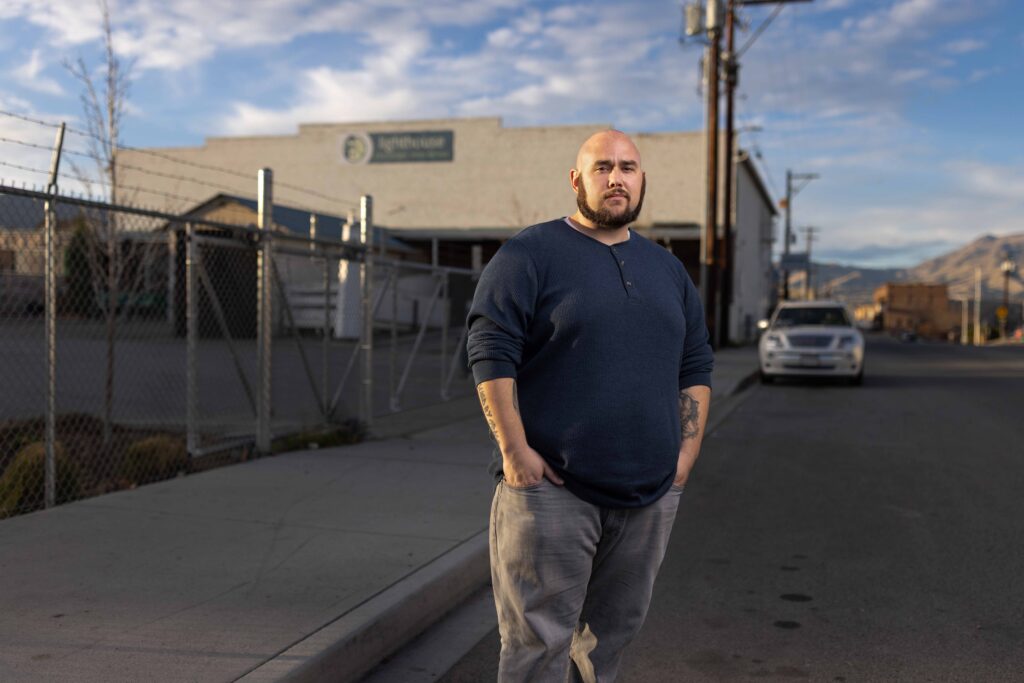
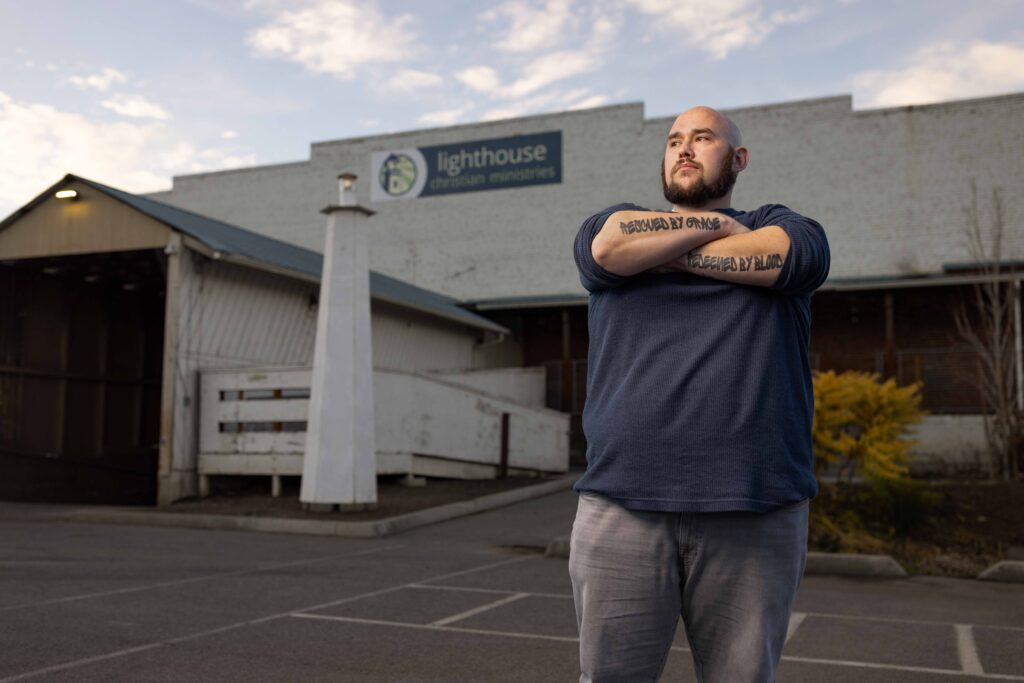
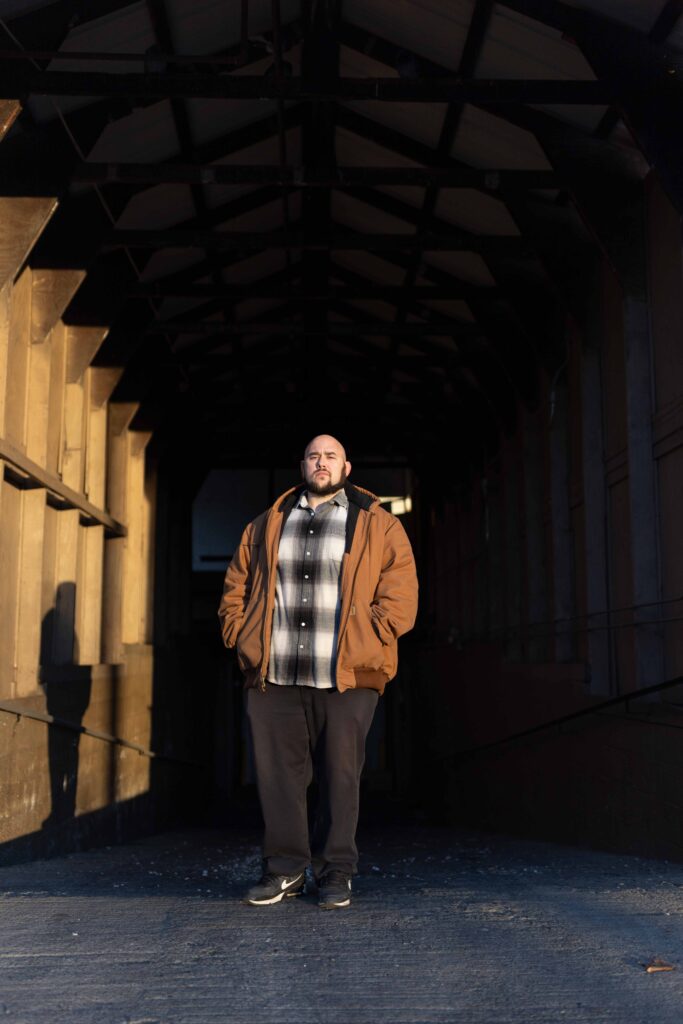
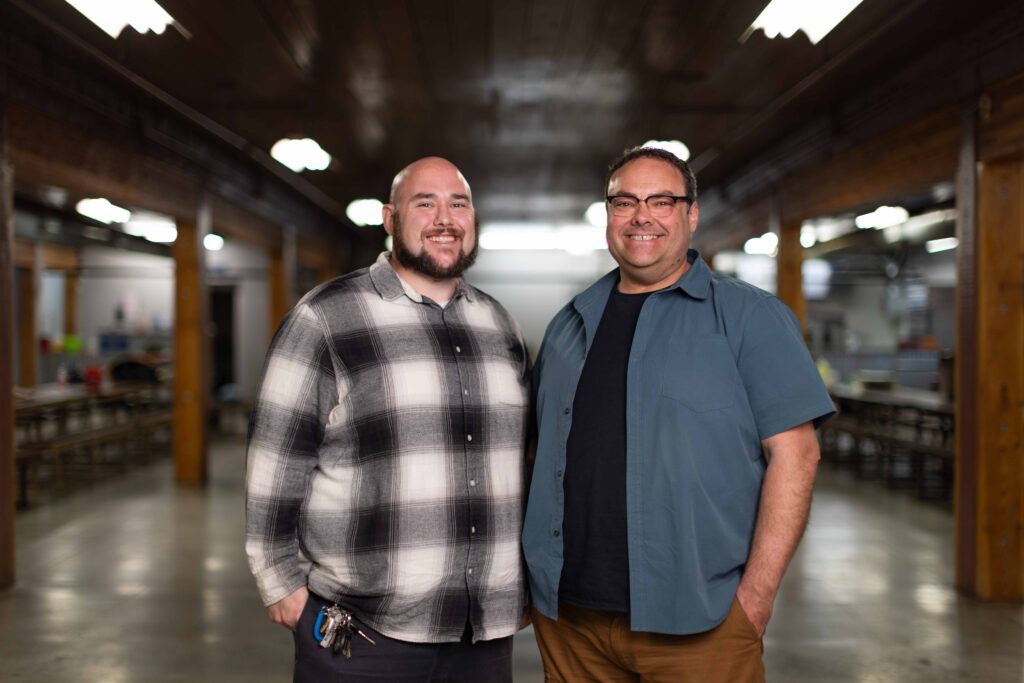
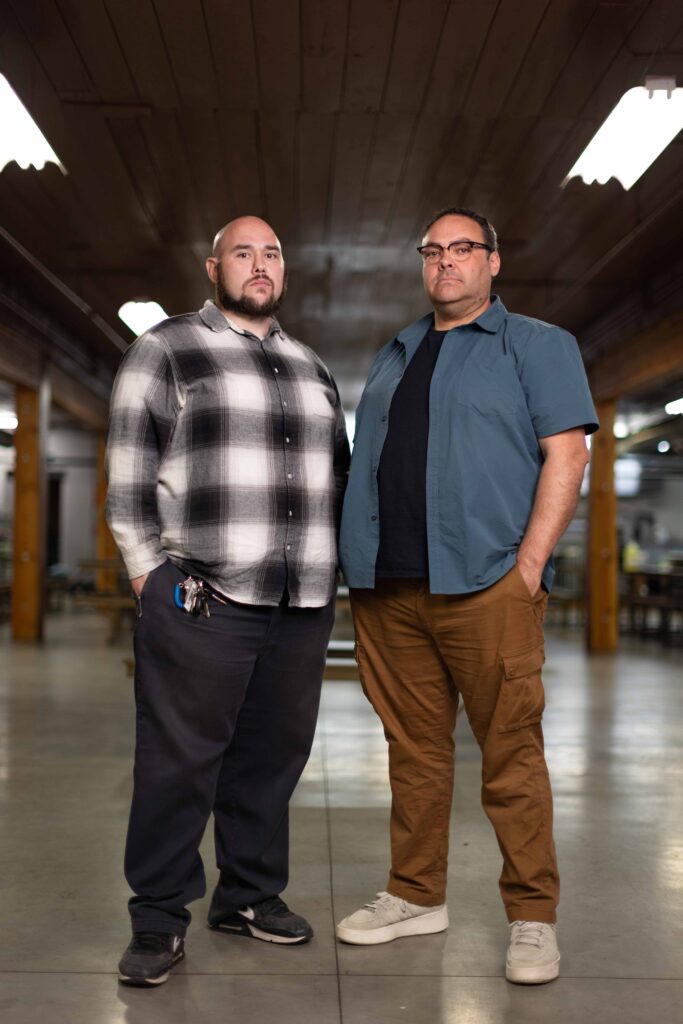
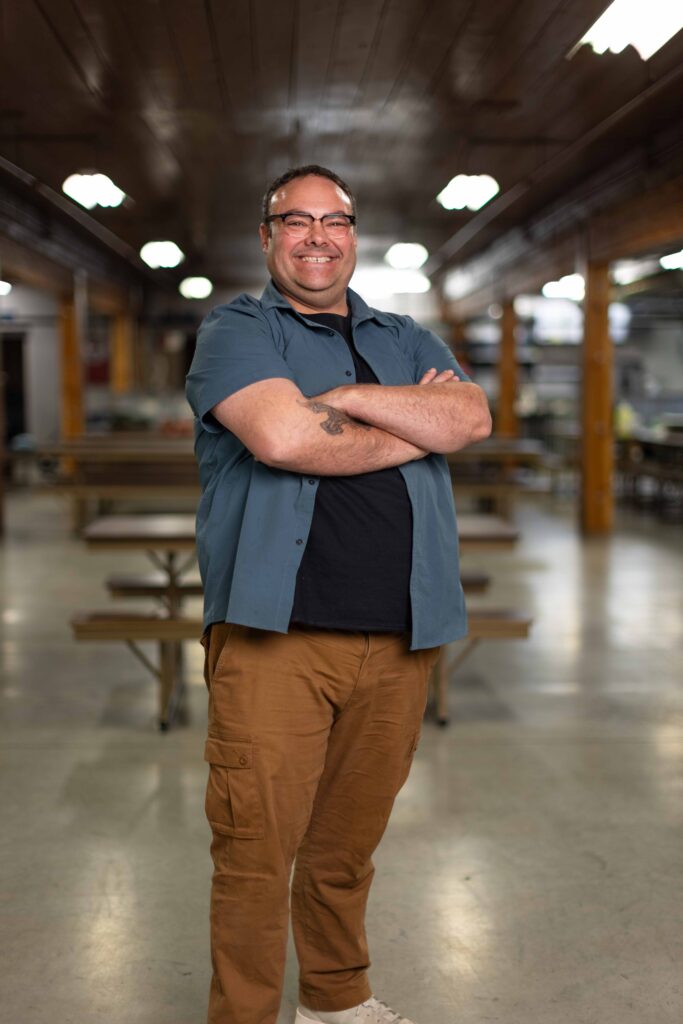
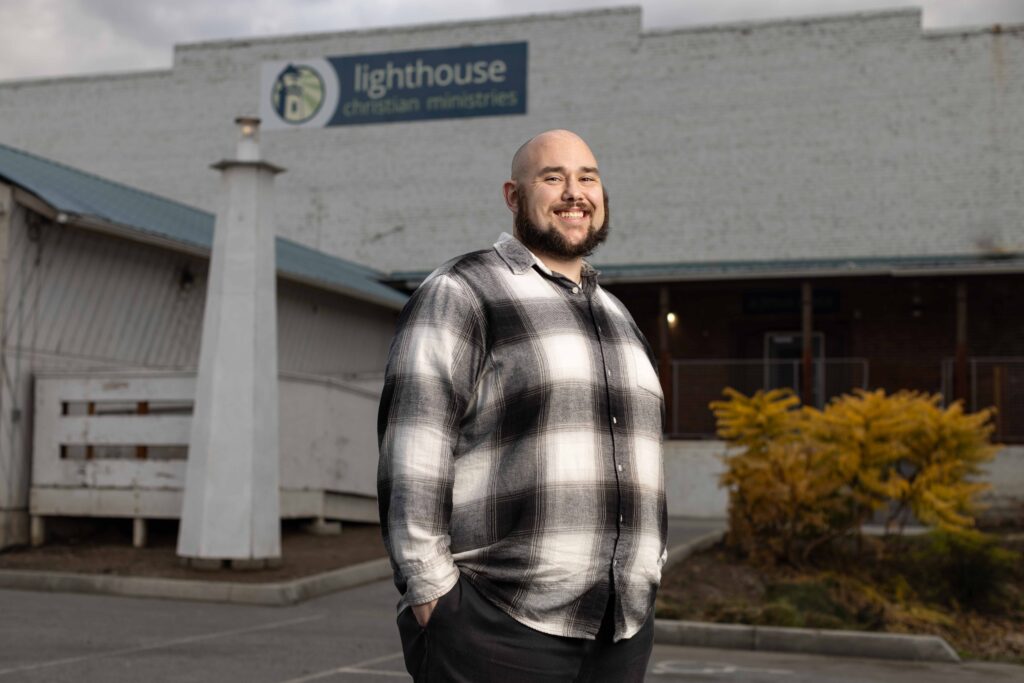
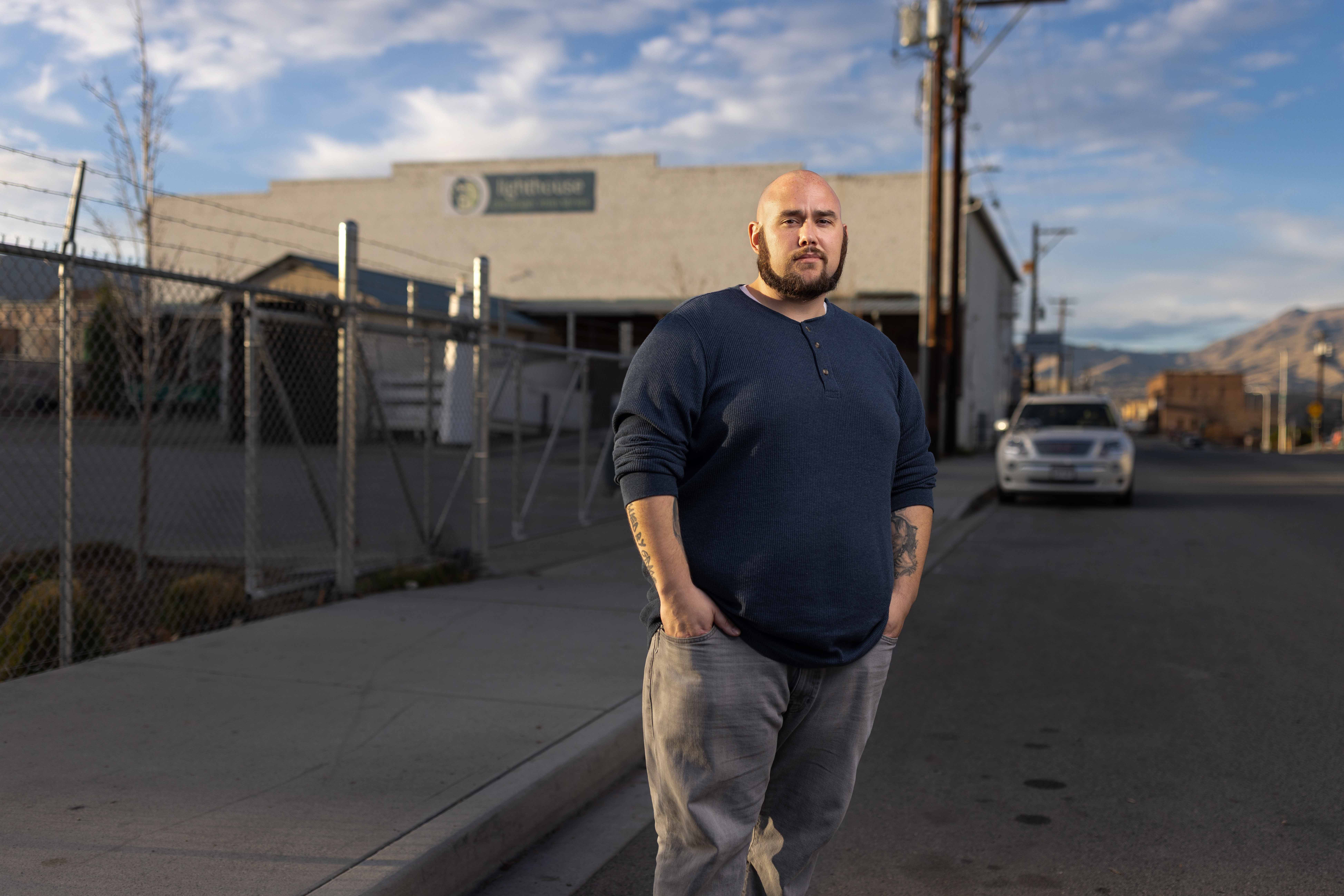
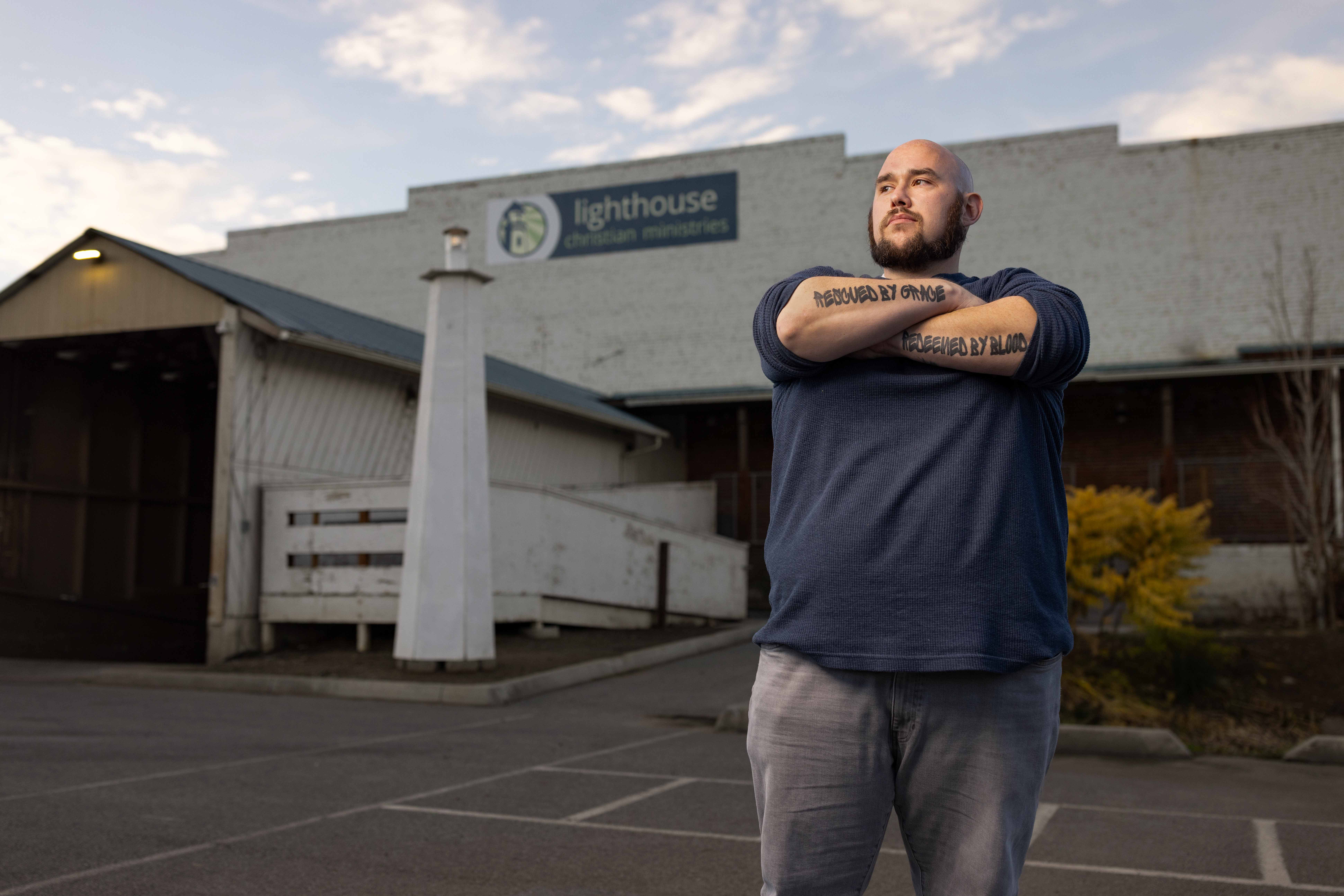
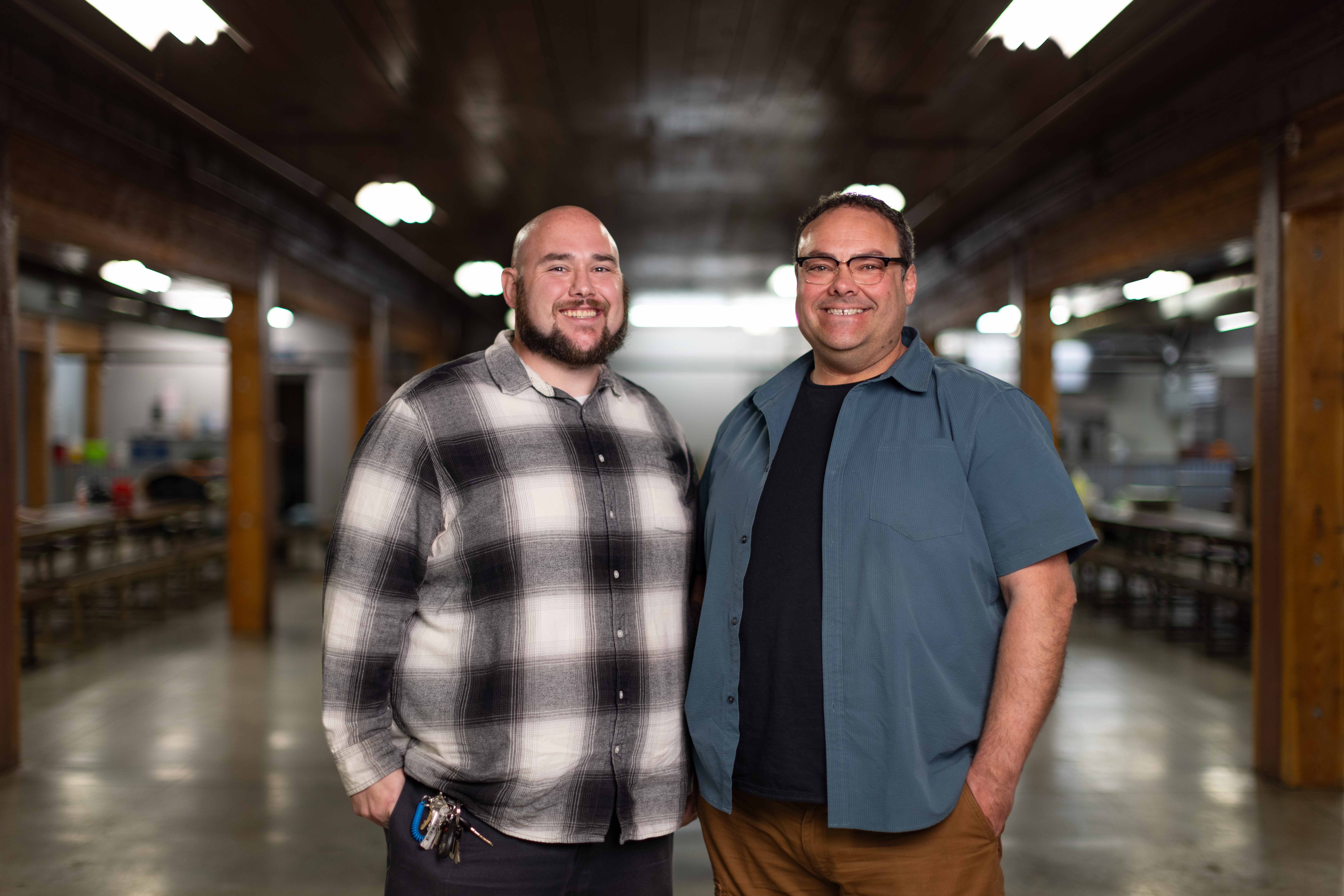
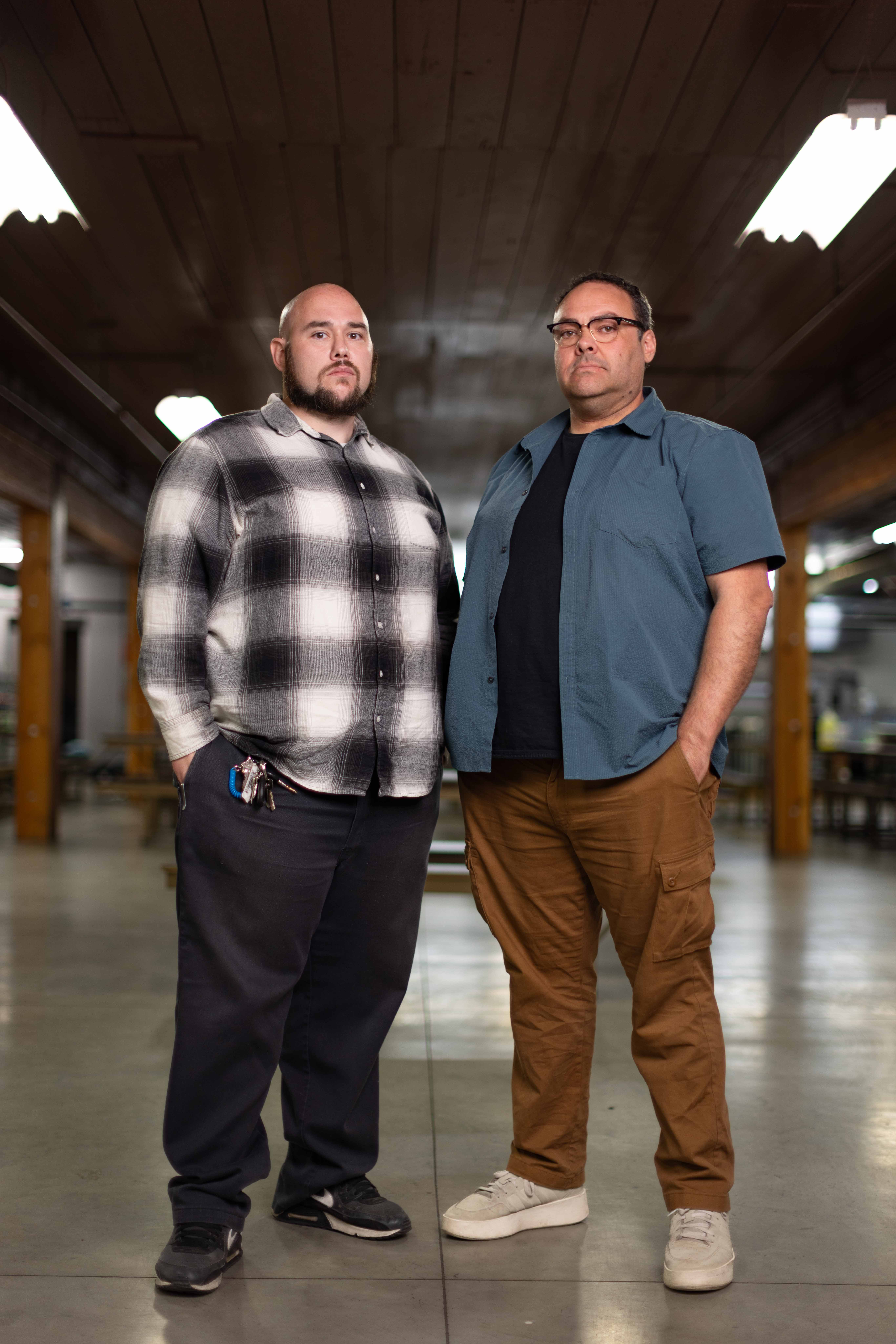
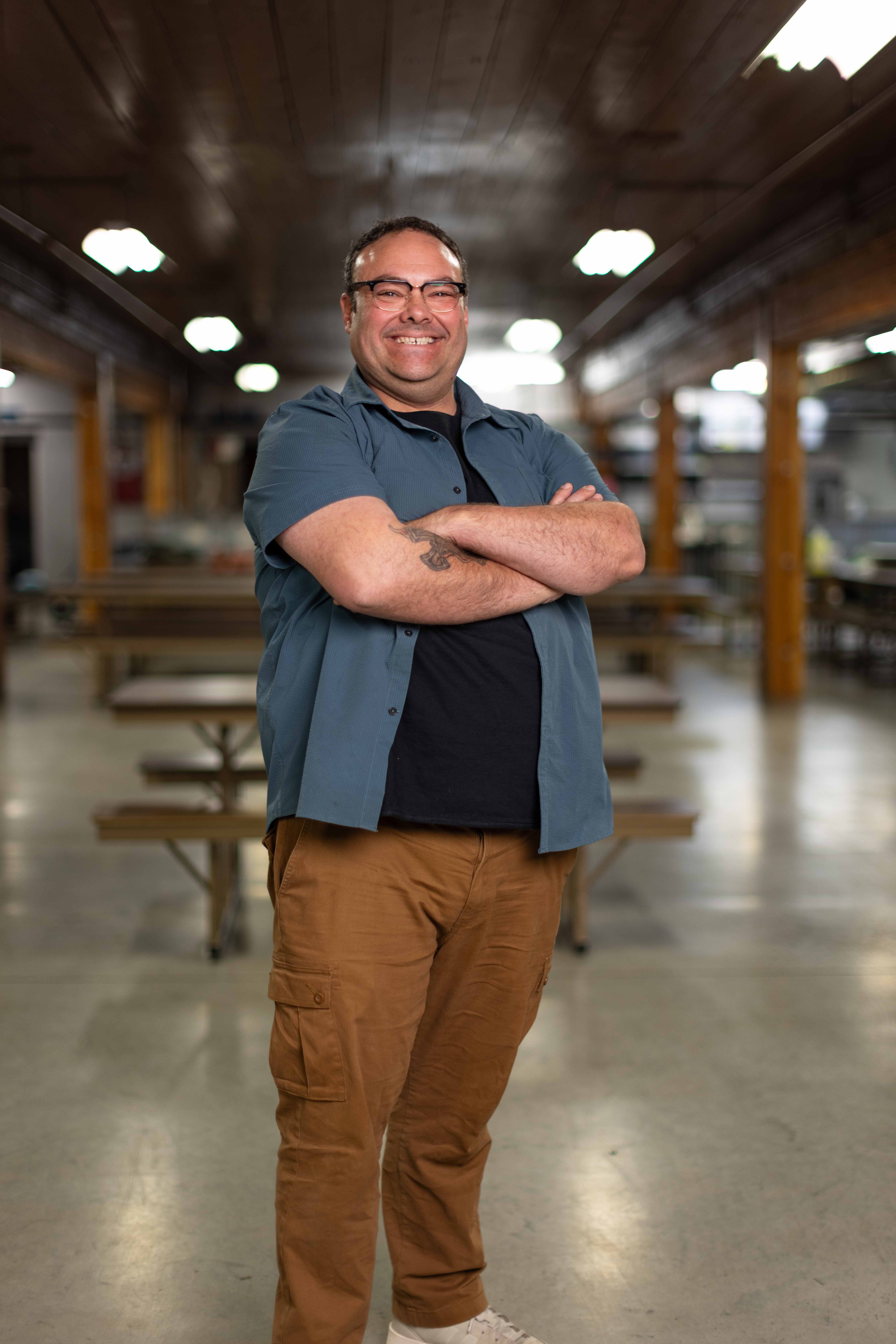
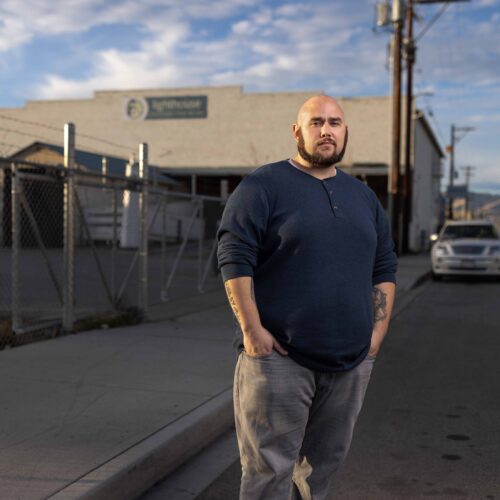
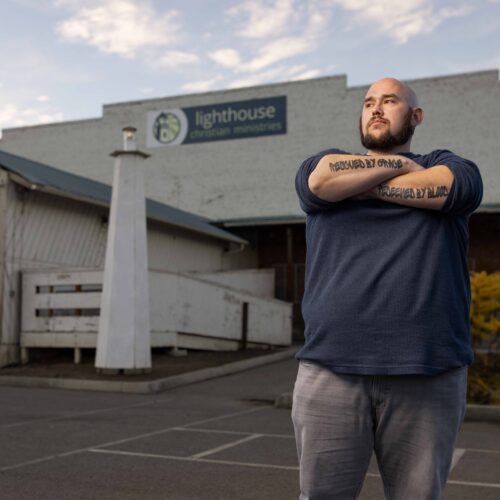
Lighthouse Christian Ministries is a Wenatchee-based nonprofit. In addition to the soup kitchen, it operates three group homes for those struggling to overcome addiction, poverty, and a troubled past. Kolin Oliveira is Lighthouse’s director and a testament to the power of second chances. Kolin grew up in Wenatchee with a troubled past. After serving time in prison, he dedicated himself to God and helping others.
The Litigation Team
The Lighthouse will be represented by Institute for Justice Senior Attorney Jeff Rowes, Attorney Christie Hebert, and Litigation Fellow Riley Grace Borden. As in all our cases, IJ represents Lighthouse pro bono.
About the Institute for Justice
This lawsuit is part of the Institute for Justice’s Zoning Justice Project, which seeks to protect the rights of property owners and nonprofit organizations against unconstitutional zoning regulations that restrict their ability to serve their communities. IJ has a long history of defending individuals and organizations across the country who use their property to help those in need, winning similar cases that challenge government overreach. As part of that, IJ believes that individuals and organizations can offer private solutions to public problems. From fighting for homeless shelters to supporting small businesses, IJ has consistently secured victories that uphold Americans’ rights to use their property for charitable and humanitarian purposes.