Lighthouse Will Continue To Shine For Washington Community
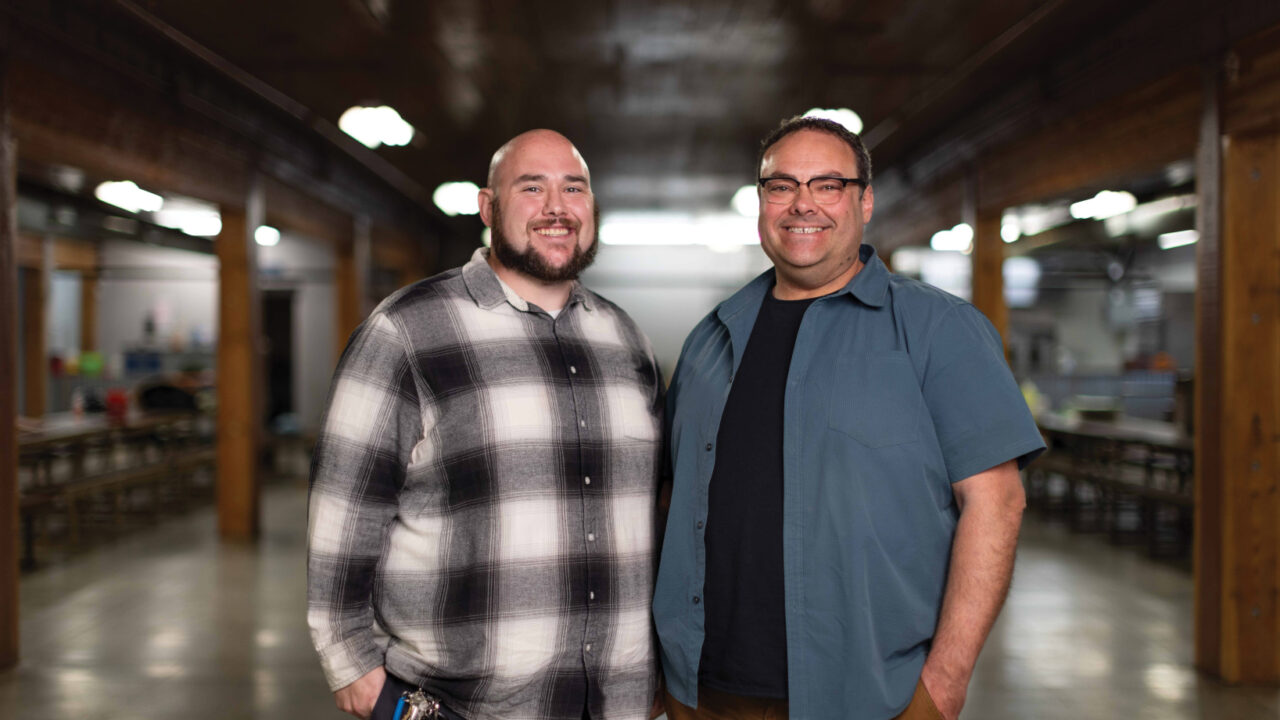
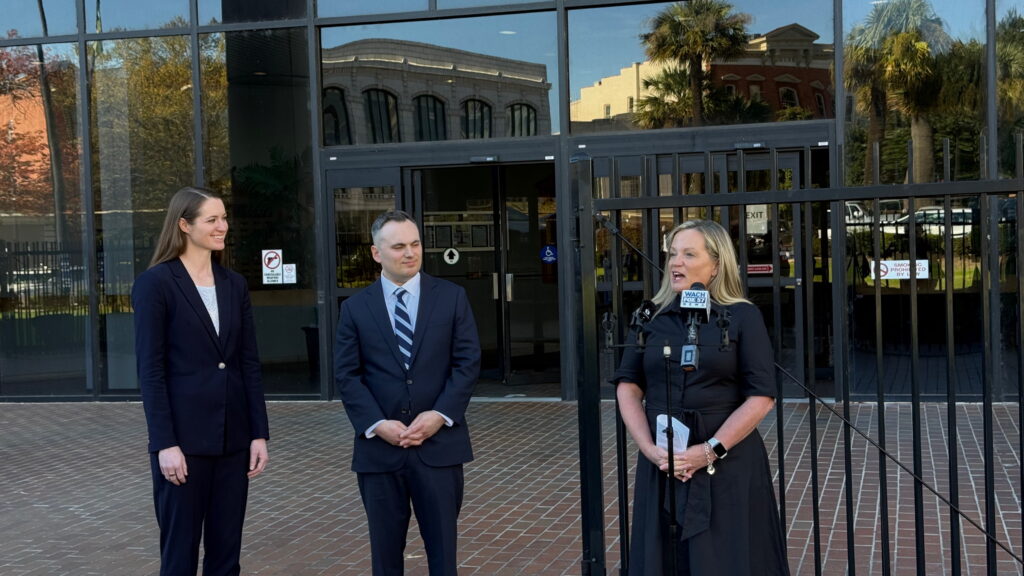
A cheerful 3-month-old baby was the youngest participant in a press conference that kicked off IJ’s latest property rights case—representing Lighthouse Christian Ministries in Wenatchee, Washington. His mom and dad are among the many people, now happy and productive citizens, whom Lighthouse saved from homelessness through its soup kitchen and other services.
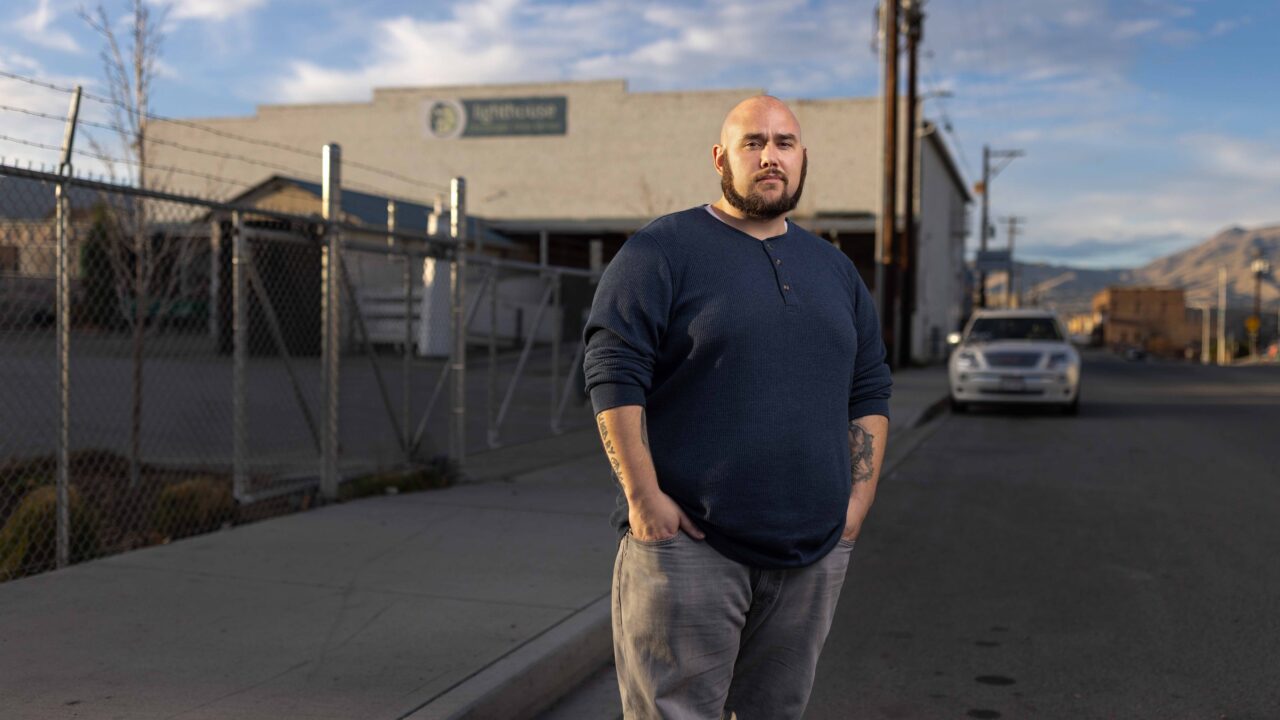
Now it is Lighthouse that needs saving. Last May, the city shut down the soup kitchen without warning by revoking its conditional use permit. The order claimed that Lighthouse had locked a gate the city apparently wanted unlocked. The city also objected to Lighthouse’s lease of a few parking spaces at a vacant lot next door.
You read that right. Rather than asking Lighthouse to not lock the gate, the city closed the soup kitchen entirely. Forever. So low-income and homeless residents are now missing out on hundreds of warm meals per week in the dining hall and thousands of pounds of food distributed through the food pantry. Lighthouse immediately addressed the city’s concerns and met with officials, but the city dug in its heels.
The city seems to have piled on these nonsensical reasons because its other assertion, that Lighthouse was a nuisance, didn’t add up. The city claimed that neighbors in the vicinity had made hundreds of calls for emergency services. But when we used public records requests to examine the underlying data, we found out that the city was counting literally all local emergency services activity against the soup kitchen.
For example, of 103 calls to a nearby intersection, over half were simply about traffic enforcement. Car crashes and parking tickets. Not a single call could be pinned on a guest of the soup kitchen. Other databases showed that crime and nuisance calls either stayed the same or went down after Lighthouse opened in 2019.
The bottom line is that a few politically connected neighbors decided that they didn’t want Lighthouse around. Yet Lighthouse has a constitutional right to use its property to help those in need. The soup kitchen spent over $1.6 million and three years renovating an old apple-packing warehouse in the industrial part of town. It is the perfect location for Lighthouse’s difficult work, which includes connecting people with the resources they need to overcome poverty, addiction, and homelessness. The city cannot shut Lighthouse’s doors by inventing bogus infractions like locked gates or cooking the books to exaggerate emergency service calls.
As with our victories on behalf of homeless shelters in North Carolina and Montana, this case is part of IJ’s Zoning Justice Project. Our goal is to set even more precedent imposing principled limitations on the government’s power to regulate property through local zoning laws. Abusive zoning regulation is a nationwide impediment to building homes, starting businesses, and providing charity.
We’re going to prove once again that you can fight city hall—so Lighthouse can get back to the business of fighting hunger and despair.
Jeff Rowes is an IJ senior attorney.
Also in this Issue

Liberty & Law
Victory! Texas Couple Wins Round Two In Forfeiture Fight

Liberty & Law
Red Tape Sinks Backyard Swim Lesson
Liberty & Law
Sunshine State Shakedown: IJ Challenges Miami’s Extortionate Land-Use Permitting Scheme
Liberty & Law
Freeing The New York City Housing Market
Liberty & Law
Counsel Unbound: IJ’s New Initiative To Liberate Legal Help
Liberty & Law
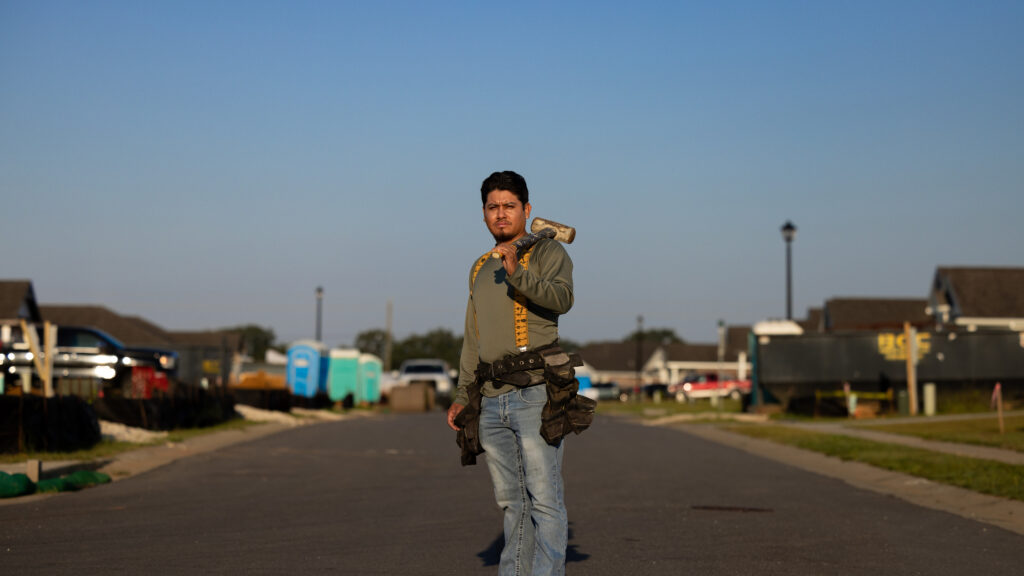
Why IJ Is Suing ICE
Liberty & Law
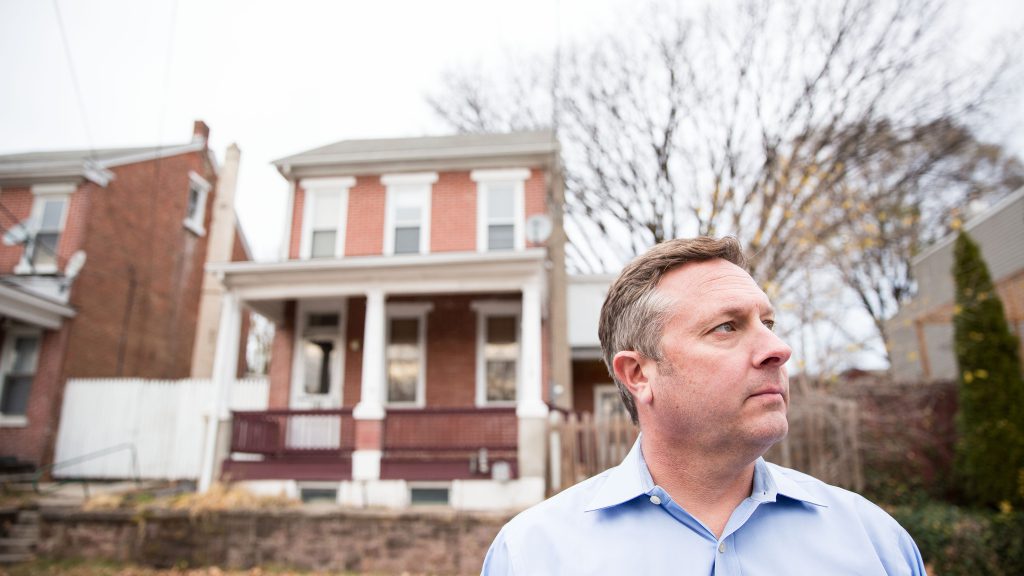
Landmark Victory For Renters’ Privacy And Property Rights
Liberty & Law
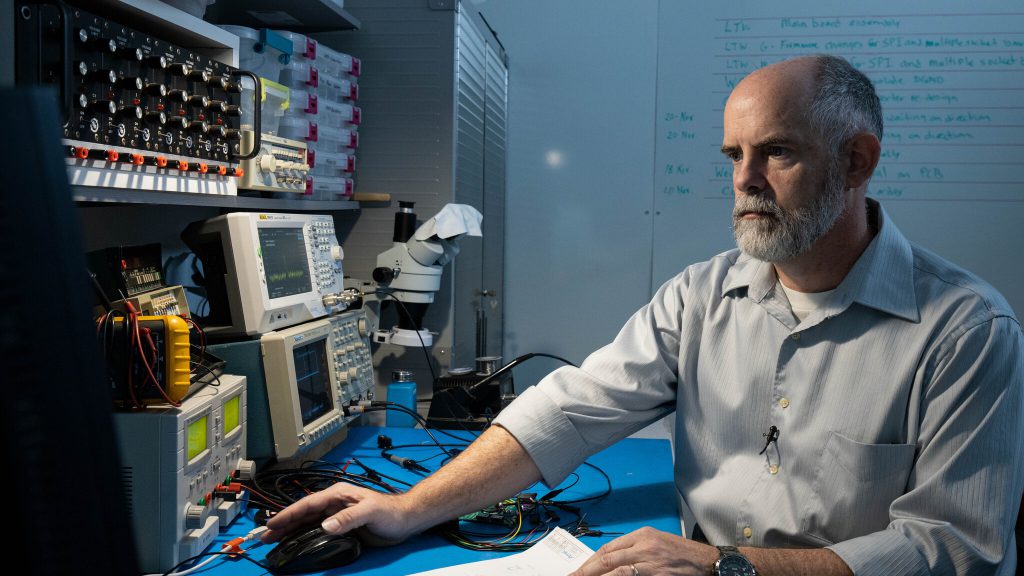
IJ Engineers A Trip To The Arizona Supreme Court To Expand Economic Liberty

Liberty & Law
New IJ Study Finds Bad Data In Indiana Forfeiture Reports
Liberty & Law
IJ Makes Headlines
Subscribe to get Liberty & Law magazine direct to your mailbox!
Sign up to receive IJ's bimonthly magazine, Liberty & Law, along with breaking news updates about the Institute for Justice's fight to protect the rights of all Americans.