Red Tape Sinks Backyard Swim Lesson

For the past seven years, Libby Souder has earned her living by teaching students how to swim in her backyard pool. With more than 30 years of experience, Libby is widely respected for her ability to teach students of all ages and abilities—including young children with special needs. Although Libby enjoys widespread support from her community, her hometown of Columbia, South Carolina, shut her down anyway. The reason? Her swim lessons take place outdoors.
The city approved her business in 2018 (knowing that her pool was located outside) and has renewed her license every year without issue. But when a new neighbor—who hadn’t even moved in yet—complained, city officials suddenly decided to enforce a long-dormant provision of the zoning code that requires home-based businesses to operate entirely indoors.
Libby has a constitutional right to use her property and earn an honest living free from unreasonable government interference, and the city’s categorical ban on outdoor home businesses violates that right. That’s why Libby partnered with IJ to challenge the city’s ban in court.
Importantly, the city does not claim that Libby’s business is disruptive or constitutes a nuisance of any kind. And for good reason. Libby typically teaches only one student at a time, and never more than three students at once. In fact, a sound reader placed along Libby’s property line for a year showed her lessons produced only 20–30 decibels—the equivalent of a conversation. And numerous neighbors spoke in support of Libby before the city’s zoning board, urging officials to let her continue providing these lifesaving skills to the community. None of that mattered. Because Libby’s pool is outdoors, the city insists she must shut down—no matter how safe, quiet, or beneficial her business may be.
Thankfully, the South Carolina Constitution does not allow the government to deprive someone of their constitutional rights for such arbitrary and irrational reasons. If the government is going to restrict how someone uses their own property or earns a living, it must have a real, legitimate justification for doing so.
Indeed, IJ recently argued to the state supreme court that South Carolina’s Constitution has always provided meaningful protection for the right to earn an honest living. That case challenges the state’s ban on online eye exams on behalf of Opternative (formerly Visibly). We are still awaiting a ruling, but we are hopeful that the state high court will reinvigorate their older precedent—precedent that once took property rights seriously and refused to tolerate unreasonable restrictions on the right to earn a living. If they do so, Libby’s case will present an excellent follow-up vehicle to cement that standard.
Moreover, a win in South Carolina could benefit homeowners beyond the state. By restoring her right to provide critically important swim lessons to those who are desperate to receive them, Libby would prompt a persuasive ruling that IJ could then draw upon when challenging similarly unreasonable restrictions in other states as we advance our broader mission to protect economic liberty and rein in zoning abuse nationwide.
Robert Fellner is an IJ attorney.

Also in this Issue

Liberty & Law
Victory! Texas Couple Wins Round Two In Forfeiture Fight
Liberty & Law
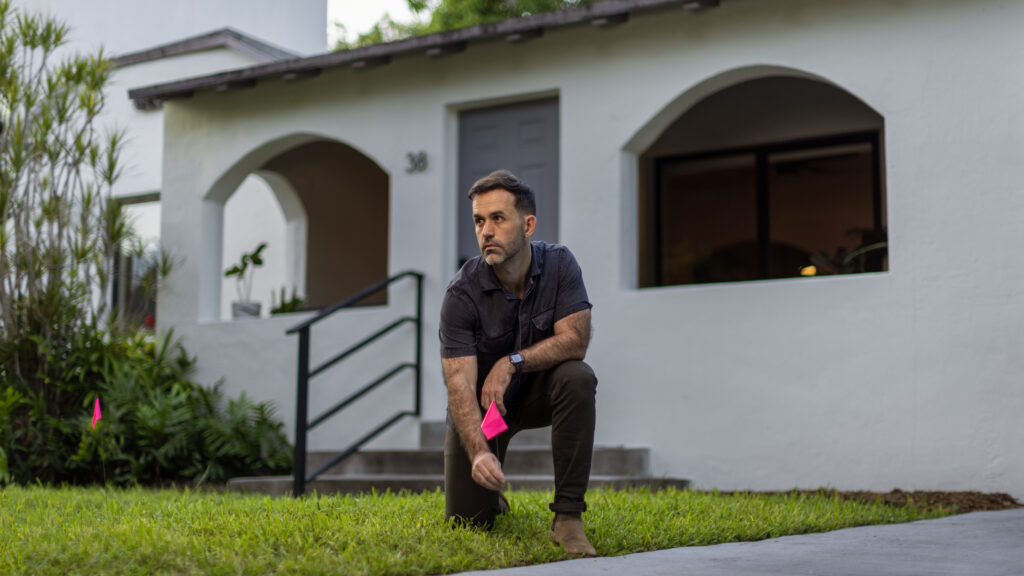
Sunshine State Shakedown: IJ Challenges Miami’s Extortionate Land-Use Permitting Scheme

Liberty & Law
Lighthouse Will Continue To Shine For Washington Community

Liberty & Law
Freeing The New York City Housing Market
Liberty & Law
Counsel Unbound: IJ’s New Initiative To Liberate Legal Help

Liberty & Law
Why IJ Is Suing ICE
Liberty & Law
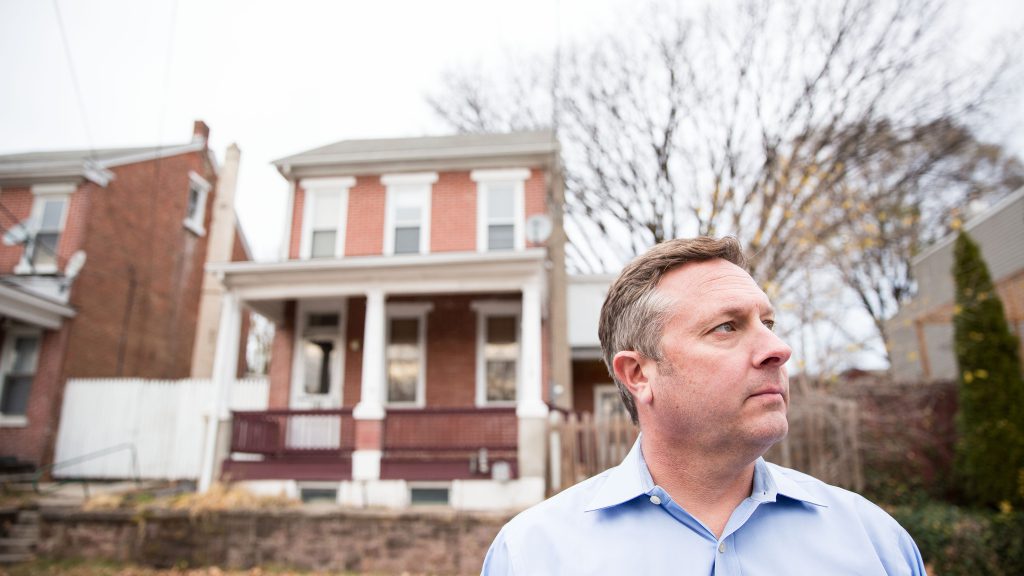
Landmark Victory For Renters’ Privacy And Property Rights

Liberty & Law
IJ Engineers A Trip To The Arizona Supreme Court To Expand Economic Liberty
Liberty & Law
New IJ Study Finds Bad Data In Indiana Forfeiture Reports
Liberty & Law
IJ Makes Headlines
Subscribe to get Liberty & Law magazine direct to your mailbox!
Sign up to receive IJ's bimonthly magazine, Liberty & Law, along with breaking news updates about the Institute for Justice's fight to protect the rights of all Americans.