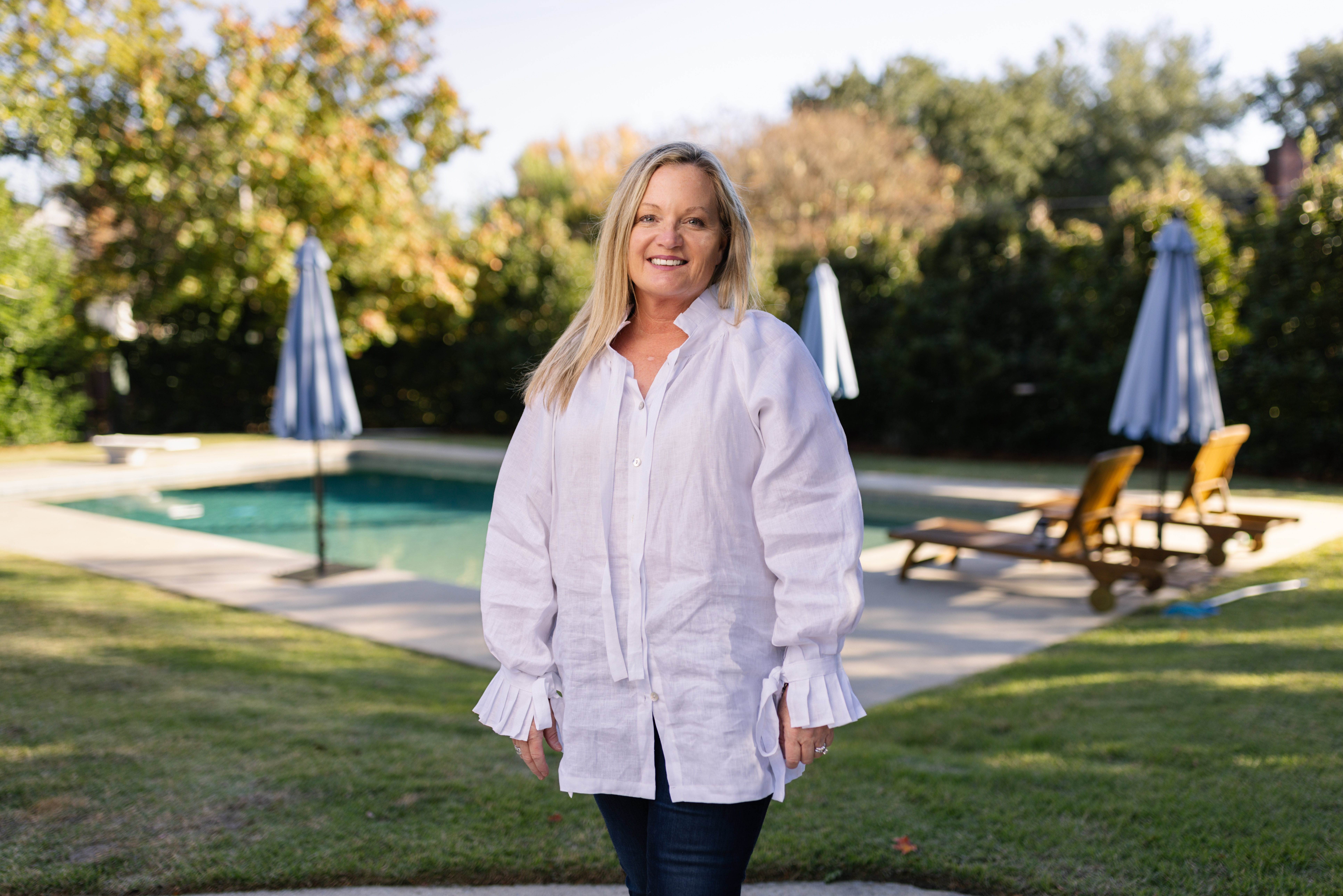
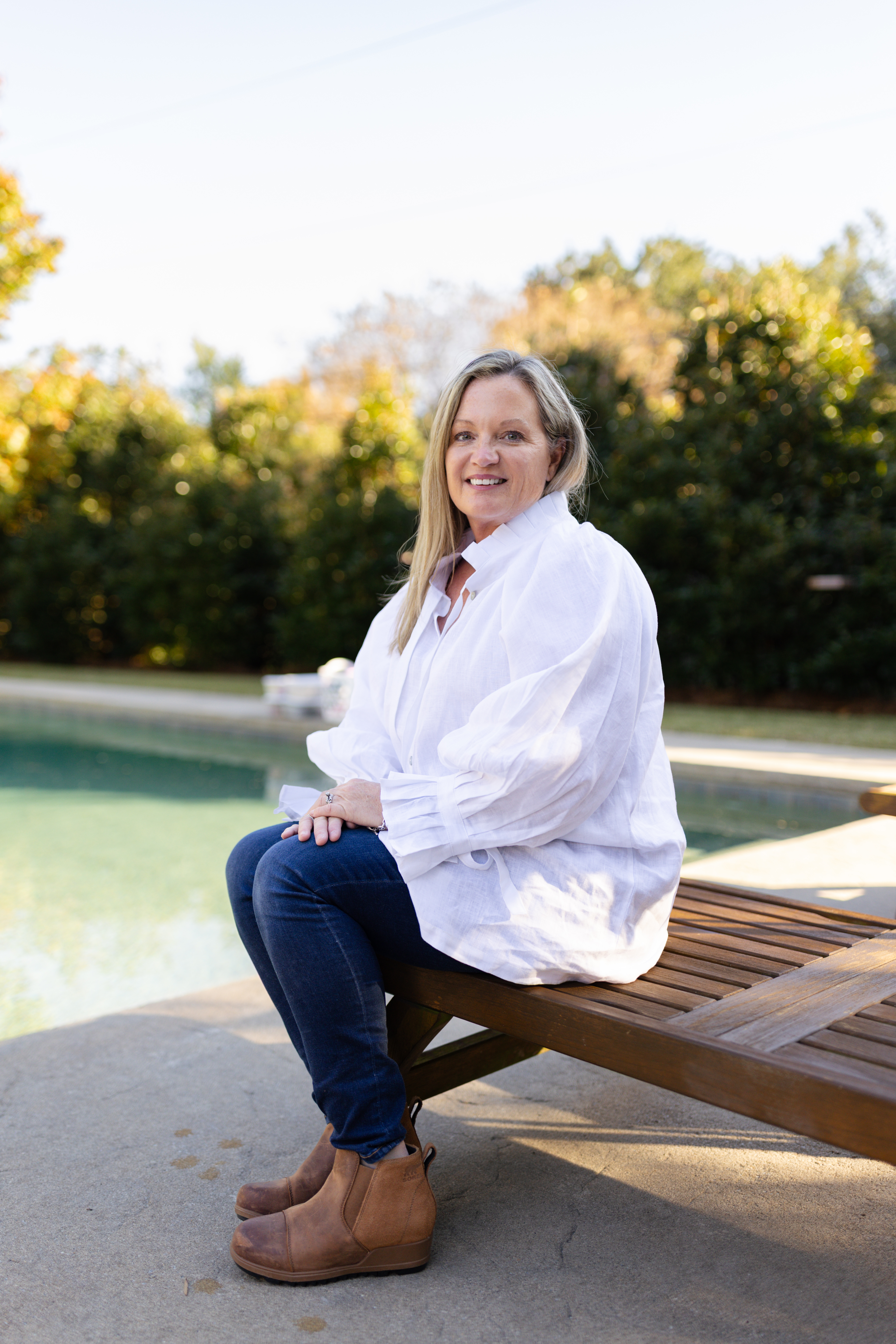
Americans have always run businesses from their homes—but today, overreaching bureaucrats use zoning laws to make even the most harmless home businesses illegal. That’s exactly what happened to Elizabeth “Libby” Souder in Columbia, South Carolina.
For seven years, Libby has taught private swim lessons to children of all ages in her backyard pool. She specializes in teaching children with special needs like autism. Her private lessons operate just two or three hours a day, four months a year. The city approved her business in 2018 and renewed her license every year without issue. Yet in 2024, a single new neighbor—who started complaining before even moving in—convinced the city to enforce a long-ignored zoning rule banning all outdoor home businesses. The city shut Libby down.
A city shouldn’t be able to ban a harmless home business just because it happens outside. That’s completely arbitrary. There’s nothing disruptive about children learning to swim in a backyard pool—it’s no different from how ordinary families use their pools. In fact, a sound reader placed along Libby’s property line for a year showed her lessons produced only 20–30 decibels—the equivalent of a conversation.
A blanket ban on outdoor home businesses serves no legitimate purpose and violates the South Carolina Constitution’s protections for property rights and economic liberty. Under the state constitution, the government can’t restrict someone’s right to use their property or earn a living without actual evidence of harm. Yet the city shut down Libby’s business with no evidence at all.
This case is about more than just Libby’s livelihood. Across the country, zoning officials are using similar bans to crush harmless home businesses. Now, Libby has partnered with the Institute for Justice to challenge Columbia’s unconstitutional law and defend every homeowner’s right to use their property freely—indoors or out.

Case Team
Client

Libby Souder
Client
Attorneys

Robert Fellner
Attorney

Renée Flaherty
Senior Attorney
Staff

Andrew Wimer
Director of Media Relations

Claire Purple
Senior Paralegal
Media Resources
Get in touch with the media contact for image resources, press releases, and interview requests.
Media Images







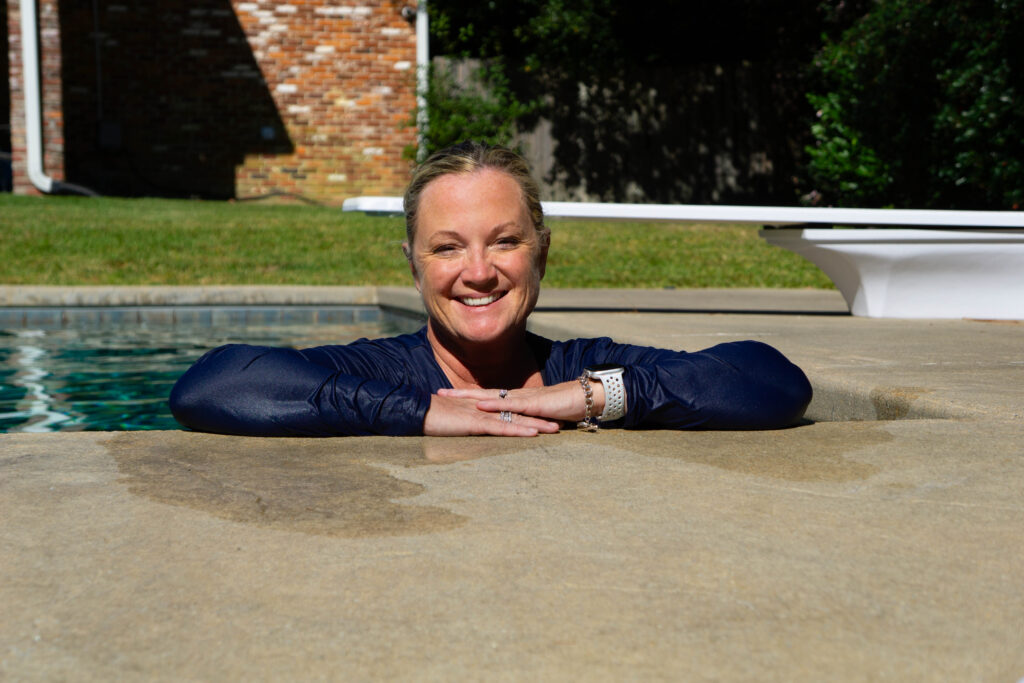
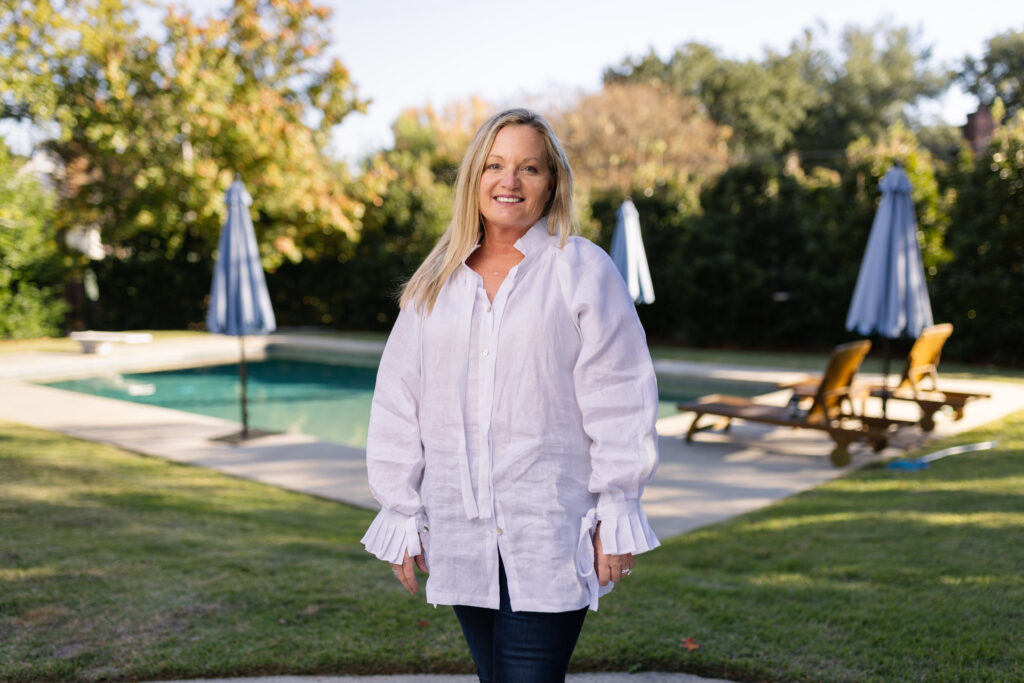
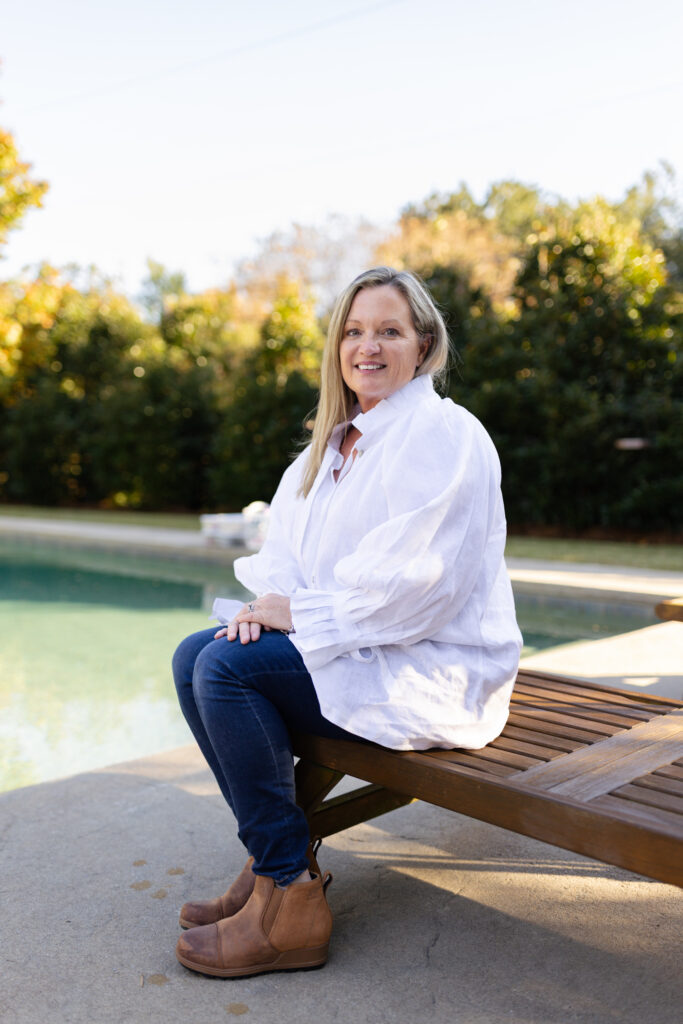
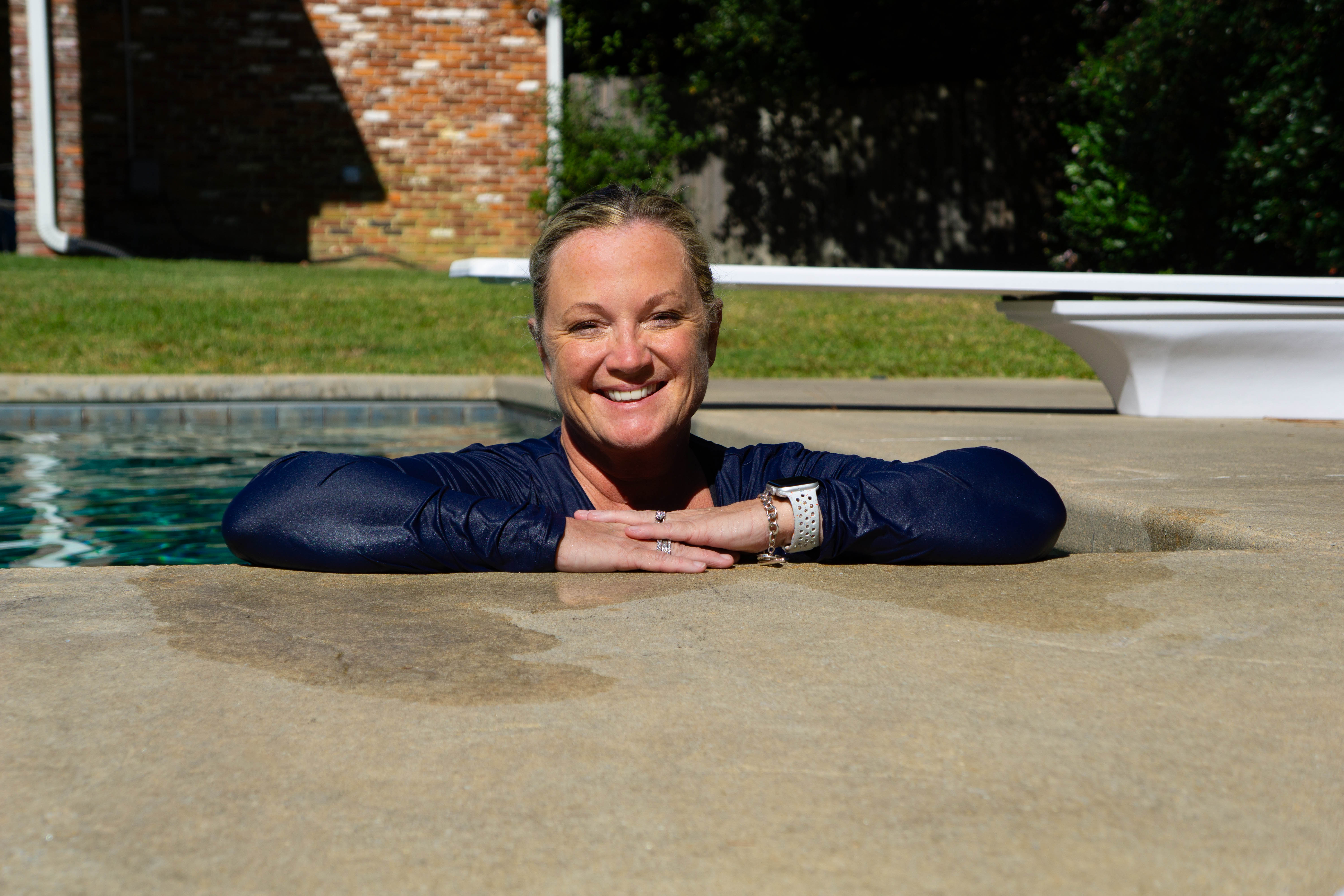
Libby Souder, Swim Instructor
For more than twenty years, Libby Souder has taught children one of life’s most important and life-saving skills: how to swim. In 2018, she received a business license from the City of Columbia to offer lessons at her backyard pool. Her program quickly became a beloved part of the community, giving dozens of families access to safe, high quality, and personalized swim instruction.

Libby’s business operates seasonally—April through July—and she generally teaches two to three hours per day, Monday through Thursday, occasionally offering make-up lessons on Fridays. Her lessons are quiet and small-scale, usually one child at a time, sometimes siblings. Many of Libby’s students have special needs and thrive in her calm backyard, where the quiet setting and heated pool help them feel safe and at ease—so they can focus on learning a skill that could one day save their lives.
According to the Centers for Disease Control, drowning is the leading cause of death among children ages 1 to 4. Special needs children are especially vulnerable to drowning and can struggle to learn in group swimming lessons. A recent story in the Washington Post drew attention to the sad death of an autistic child whose parents had difficulty teaching him to swim. The story links to three similar drownings since the beginning of 2024.
The City Shuts Down Libby’s Swim Lessons
Despite Libby’s strong community support, a single complaint in 2024 put her business in the city’s crosshairs. The complainer had gone under contract to buy the neighboring home and began protesting Libby’s swim lessons before even closing on the property or moving in. He claimed the city’s zoning code did not allow outdoor home businesses.
That code provides that “home occupations shall be conducted entirely within the principal structure or within a fully enclosed, lawfully approved accessory structure.” Libby believed she was in compliance—her pool was fully enclosed by fences, and the city had already approved her business under the zoning code and renewed her license for years. But after the complainer, the city abruptly reversed course, and decided that the rule banned all outdoor businesses.
More than 30 neighbors and parents submitted letters supporting Libby. One neighbor, whose wife works from home, even testified in front of the city zoning board that they had never been disturbed. Still, the city sided with the lone complainer and shut Libby down.
Legal Claims
Libby is fighting back. Her lawsuit argues that Columbia’s ban on outdoor home businesses is both unconstitutional and illegal—for three reasons.
First, the city’s blanket ban on outdoor home businesses makes no sense. Zoning laws are supposed to prevent genuine nuisances, not punish harmless activities just because they happen outside. The city shut Libby down with no evidence of harm, violating the South Carolina Constitution’s promise of substantive due process. Government shouldn’t be able to take away someone’s livelihood for no good reason.
Second, the city’s rules are inconsistent. Columbia bans outdoor home businesses but allows home daycares with up to six children to play outside. How can six children playing outside be fine, but one child learning to swim outside be illegal? They should both be allowed. Instead, this double standard violates the South Carolina Constitution’s guarantee of equal protection.
Finally, the city had approved Libby’s business in 2018 and renewed her license for six straight years. That approval even explicitly found that Libby satisfied the zoning code. Libby relied on that approval—investing in her business and even spending thousands of dollars to install a new driveway at the city’s suggestion so her clients wouldn’t park on the street. Then, the city suddenly changed its mind and shut her down. That’s not just unjust—it violates the principle of equitable estoppel, the idea that people should be able to rely on their government’s word.
Libby did everything right. Now she’s standing up not just for herself, but for everyone in her city, state, and country that want the freedom to earn an honest living from home.
Litigation Team
The case team includes IJ Senior Attorney Renée Flaherty and IJ Litigation Fellow Robert Fellner, as well as local counsel, Geoffrey Chambers.
The Institute for Justice
The Institute for Justice (IJ) is the national law firm for liberty, dedicated to protecting Americans from arbitrary and abusive government power since 1991. Through its Zoning Justice Project, IJ challenges laws that prevent people from using their property in peaceful, traditional, and productive ways. The project includes defending home-based businesses from unfair zoning restrictions and is defending a home recording studio in Tennessee, a family-run animal sanctuary in North Carolina, and a home auto shop in Pennsylvania.