Closing The Open Fields Doctrine In Alabama

Dalton Boley thought he had finally found a sanctuary. A combat veteran with PTSD and the father of three young boys, what Dalton needed more than anything else was nature—a place to play and to relax in peace. And until Alabama wildlife officers entered the picture, Dalton thought he had found it.
A couple years ago, Dalton moved to Killen, Alabama—a small town with lush forests and private, friendly people. He quickly became good friends with his neighbor Regina Williams, who had lived on the land next door all her life. As a little girl, Regina and her siblings used to play in the 10 acres of woods behind her house. Now in her 60s and facing health problems, Regina can’t enjoy her land the way she once did.
But she wants somebody to. And that’s where Dalton and his boys come in. After Dalton helped Regina with some work around her property, she granted him permission to use her land as he pleased as long as he maintained her “no trespassing” signs and helped keep intruders out.
Watch the case video!

Dalton eagerly accepted. For several months, Dalton spent countless hours out on the land. He meditated alone, camped with his children, built walking and biking trails by hand, and allowed his boys to play unsupervised in the woods.
In February 2024, that all changed. For reasons currently unknown, two wildlife officers from the Alabama Department of Conservation and Natural Resources entered Regina’s and Dalton’s woods without permission, roamed around, and even tampered with one of Dalton’s trail cameras. Dalton learned about the intrusion because another one of his cameras caught the officers in the act. And he later learned that the officers had been on the property several other times.
Officials did not have Dalton’s consent, Regina’s consent, or a warrant to enter the land at any point. Worse, Alabama has a statute that grants wildlife officers the power to “enter upon any land” without a warrant. So the officers can come back again and again for any reason they please. That threat has shattered the peace Dalton and his boys used to enjoy.
But is any of this constitutional?
No. In 1924, the U.S. Supreme Court held that the Fourth Amendment’s protection for “persons, houses, papers, and effects” does not apply to so-called open fields, an odd term that a recent IJ study found describes nearly 96% of all private land in the country. But, whatever the Supreme Court thinks about the Fourth Amendment, every state has its own constitution with independent—often textually different—protections against unreasonable searches.
Alabama is a great example. The Alabama Constitution forbids “unreasonable” searches of “possessions.” Although the Alabama Supreme Court has not yet decided what that means, courts in states with similar text have. Neighboring Mississippi’s Supreme Court has long held that possessions include land. And just north in Tennessee, the court of appeals recently—in an IJ case—confirmed the same.
Because there is no reason why Alabamians deserve any less protection on their land than do their neighbors in Mississippi, Tennessee, and other states, Dalton and Regina have partnered with IJ to protect their land—both from Alabama’s warrantless entry statute and from the open fields doctrine on which it rests. It’s time to close the open fields doctrine in Alabama.
Joshua Windham is an IJ senior attorney and the co-leader of IJ’s Project on the Fourth Amendment.

Also in this Issue
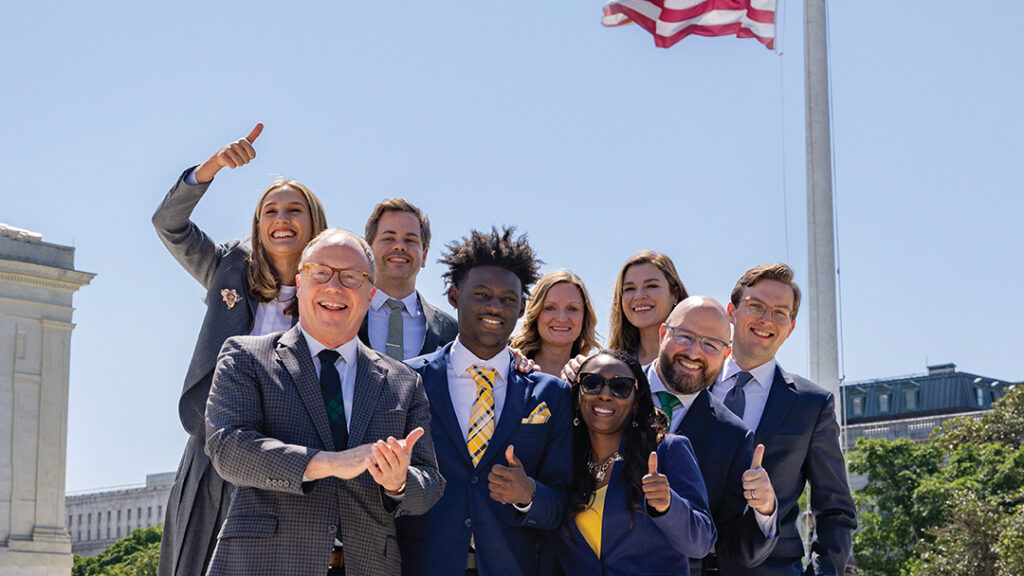
Liberty & Law
Unanimous Supreme Court Victory! For Victims Of FBI Wrong-House Raid

Liberty & Law
Hungry Customers Can Now Find Their Favorite Food Trucks

Liberty & Law
IJ Saves Donut Mural, Shows Town’s Argument Was Full Of Holes
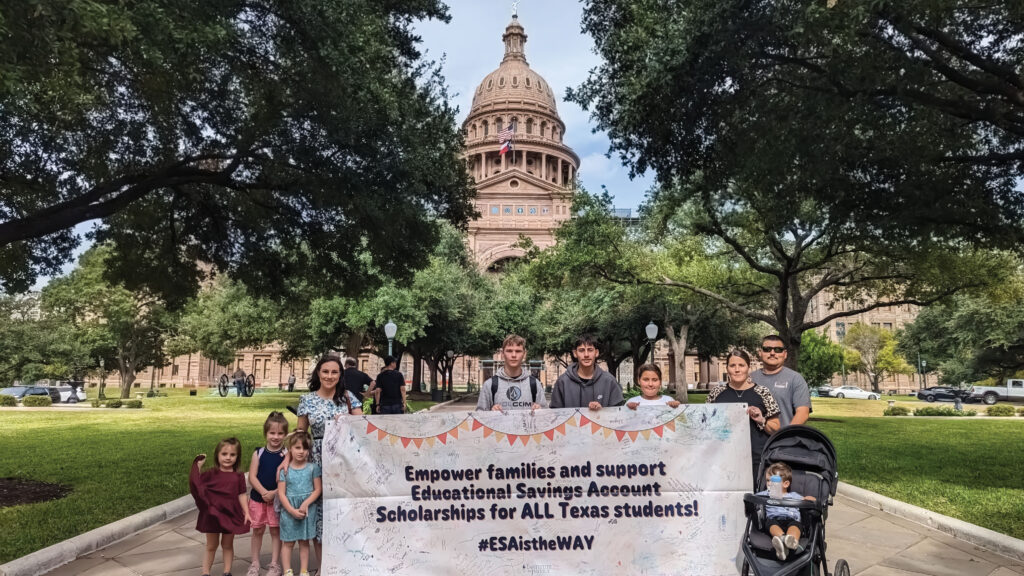
Liberty & Law
Don’t Mess With Texas Parents: Yearslong Effort Culminates In Historic Educational Choice Victory
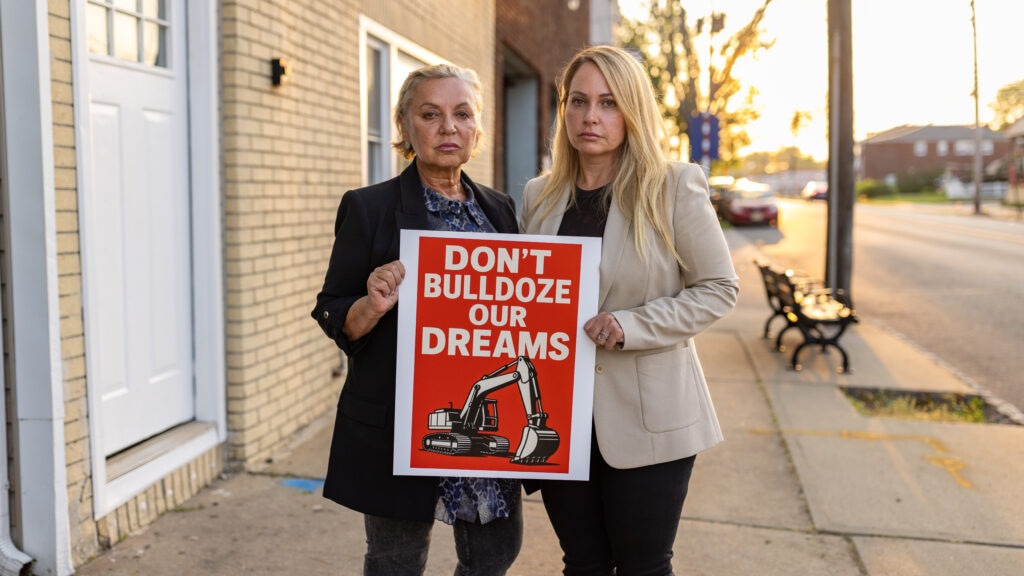
Liberty & Law
IJ Fights Another Bogus Blight Designation
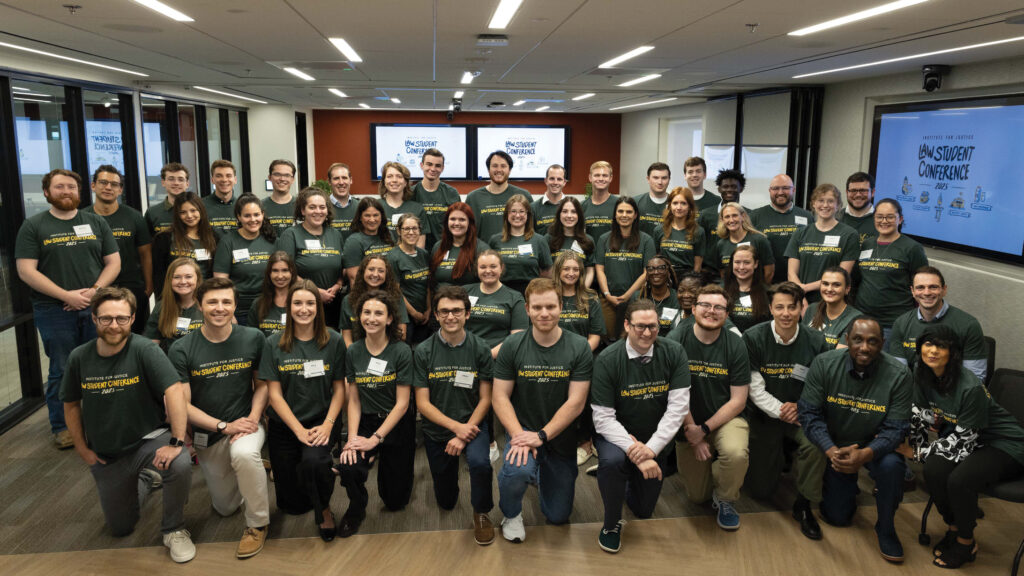
Liberty & Law
From The Classroom To The Courtroom

Liberty & Law
Fighting Back Against Federal Kidnapping

Liberty & Law
Seattle Thinks It Can Make Housing Cheaper By Making It More Expensive To Build
Liberty & Law
New Case Challenges Unreliable Warrants

Liberty & Law
IJ Win Ungags Tennessee Civil Rights Lawyer

Liberty & Law
The Liberty Leaderboard: IJ One Of 2025’s Social Media Standouts
Subscribe to get Liberty & Law magazine direct to your mailbox!
Sign up to receive IJ's bimonthly magazine, Liberty & Law, along with breaking news updates about the Institute for Justice's fight to protect the rights of all Americans.