Unanimous Supreme Court Victory! For Victims Of FBI Wrong-House Raid
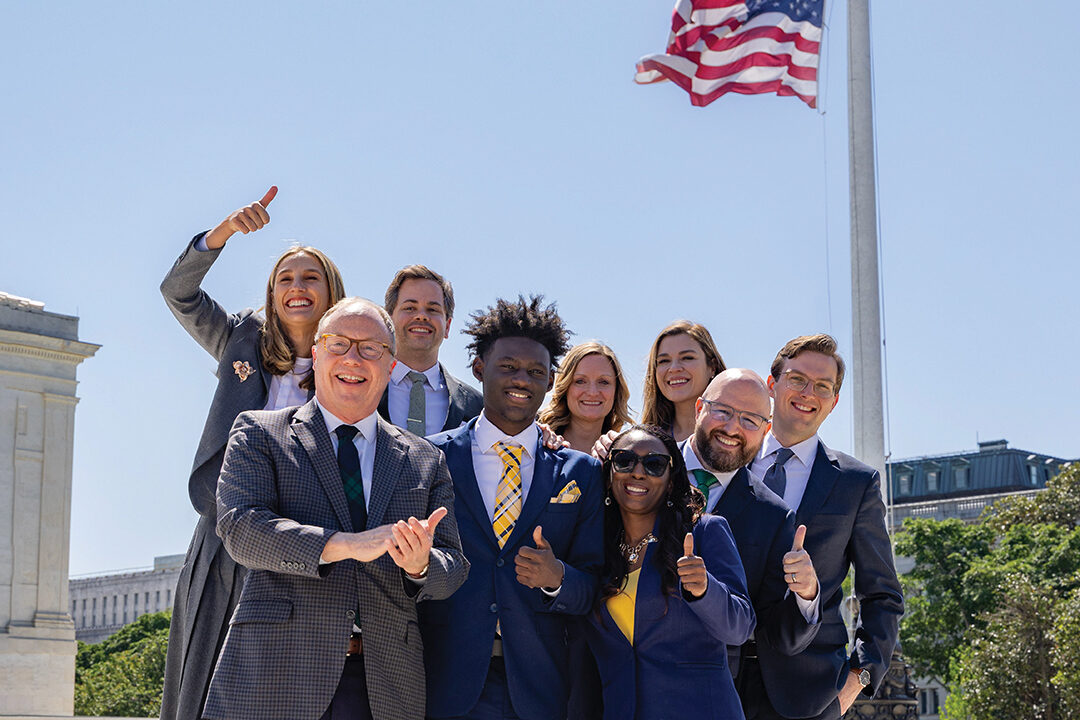
On June 12, the U.S. Supreme Court decided the FBI wrong-house raid case Martin v. United States, earning IJ our third high court victory since 2024. The unanimous decision, written by Justice Neil Gorsuch, holds that an innocent family—Toi Cliatt, Trina Martin, and Trina’s now-14-year-old son, Gabe—can continue their fight to hold the FBI accountable for raiding their home.
When Gabe was just 7, an FBI SWAT team smashed in his family’s door; detonated a grenade in their house; and held him, his mother, and her then-partner at gunpoint before realizing they were in the wrong place. The SWAT commander blamed the mistake on his personal GPS device but conveniently threw it away before it could be analyzed. Worse still, as Justice Gorsuch observed, “the agents neither noticed the street sign … nor the house number, which was visible on the mailbox at the end of the driveway.” If they had, the mistake would have been averted.
The Martin family sued the FBI under a statute called the Federal Tort Claims Act (FTCA), which is supposed to provide a remedy for these sorts of mistakes by federal agents and employees. Indeed, the act was amended in the 1970s specifically to address federal wrong-house raids. The lower courts nevertheless dismissed the family’s claims, holding that the officers were exercising “discretionary functions” or were otherwise shielded by sovereign immunity supplied by the Constitution’s Supremacy Clause.
To increase federal accountability, IJ teamed up with the Martin family and asked the Supreme Court to revive their FTCA claims. We won.
Siding with IJ over the federal government, the Court unanimously explained the Supremacy Clause does not apply to the FTCA. The Court did not, however, reject the “discretionary function” argument. Instead, it did the next-best thing.
Underscoring the weight of IJ’s arguments, the Supreme Court ordered the 11th Circuit to conduct a “careful reexamination of this case.” Only then, the Supreme Court explained, could it address the discretionary-function exception and decide whether that “may ever foreclose a suit like this one.” And Justices Sotomayor and Jackson concurred but wrote separately “to underscore that there is reason to think the discretionary-function exception may not apply to these claims.”
When it comes to federal accountability, reforming the FTCA’s discretionary-function exception has long been atop the list of priorities for our Project on Immunity and Accountability. Although intended to have limited effect, the exception has metastasized into one that swallows the rule of the FTCA. Rather than limit the exception to matters of policymaking, most courts have simply used it to shield all discretionary acts by government, which threatens nearly every FTCA case. That’s wrong—and IJ is poised to explain why as the case proceeds in circuit court.
The Supreme Court’s ruling in Martin gives us the opportunity to fix this important area of the law. It also marks the end of another great term for IJ at the high court. Martin joins our retaliatory arrest win in Gonzalez v. Trevino and our takings victory in DeVillier v. Texas as our third victory in just 14 months.
Patrick Jaicomo is an IJ senior attorney and co-leader of IJ’s Project on Immunity and Accountability.

Also in this Issue

Liberty & Law
Closing The Open Fields Doctrine In Alabama

Liberty & Law
Hungry Customers Can Now Find Their Favorite Food Trucks

Liberty & Law
IJ Saves Donut Mural, Shows Town’s Argument Was Full Of Holes
Liberty & Law
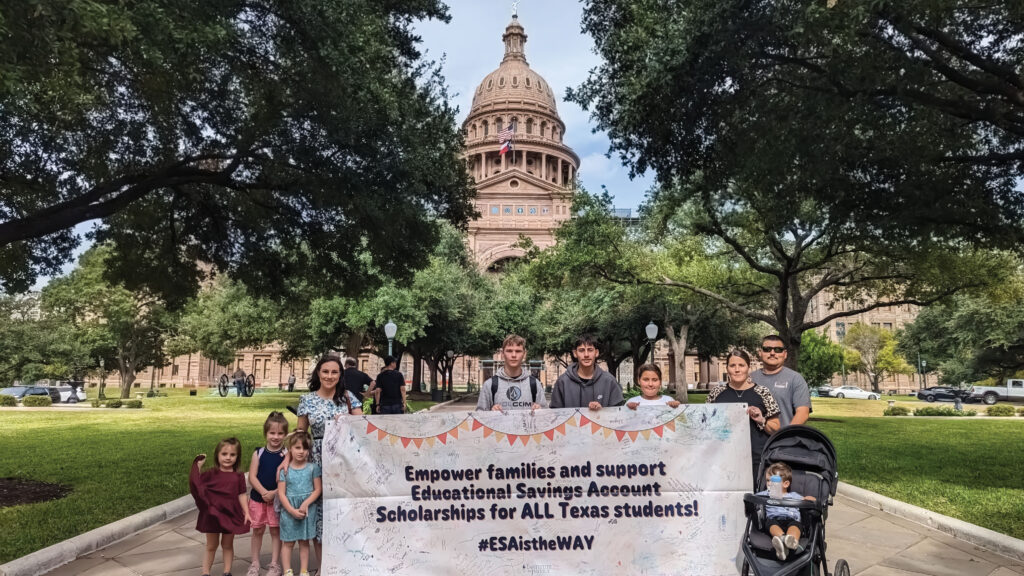
Don’t Mess With Texas Parents: Yearslong Effort Culminates In Historic Educational Choice Victory
Liberty & Law
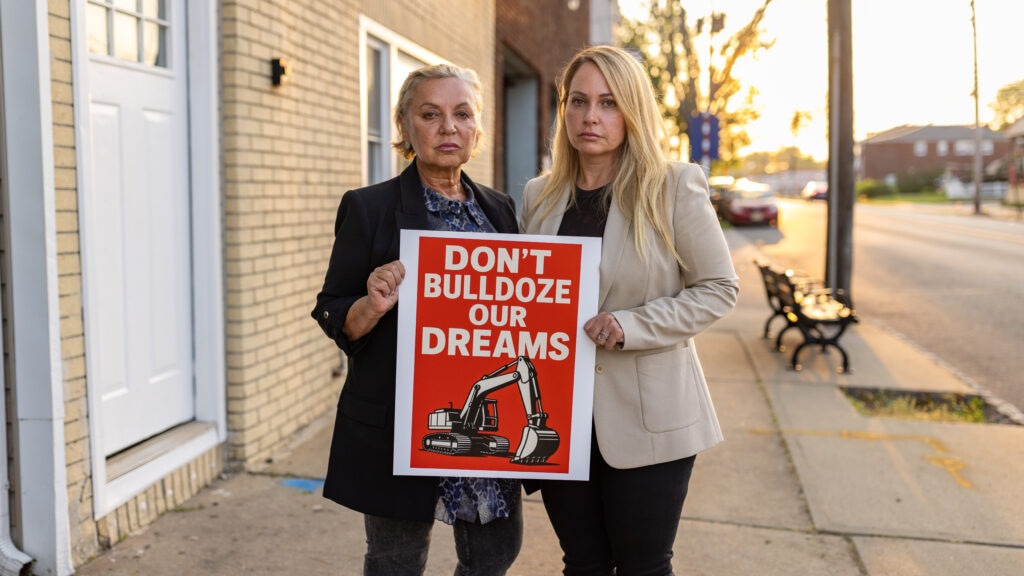
IJ Fights Another Bogus Blight Designation
Liberty & Law
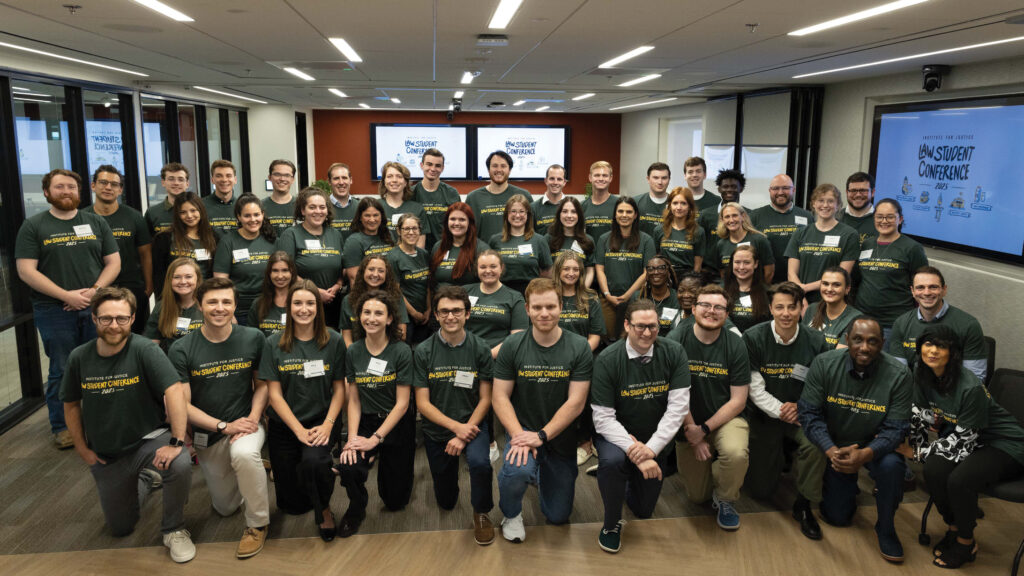
From The Classroom To The Courtroom

Liberty & Law
Fighting Back Against Federal Kidnapping

Liberty & Law
Seattle Thinks It Can Make Housing Cheaper By Making It More Expensive To Build
Liberty & Law
New Case Challenges Unreliable Warrants

Liberty & Law
IJ Win Ungags Tennessee Civil Rights Lawyer
Liberty & Law
The Liberty Leaderboard: IJ One Of 2025’s Social Media Standouts
Subscribe to get Liberty & Law magazine direct to your mailbox!
Sign up to receive IJ's bimonthly magazine, Liberty & Law, along with breaking news updates about the Institute for Justice's fight to protect the rights of all Americans.