Educational Choice—and IJ—Has a Good Day at the U.S. Supreme Court
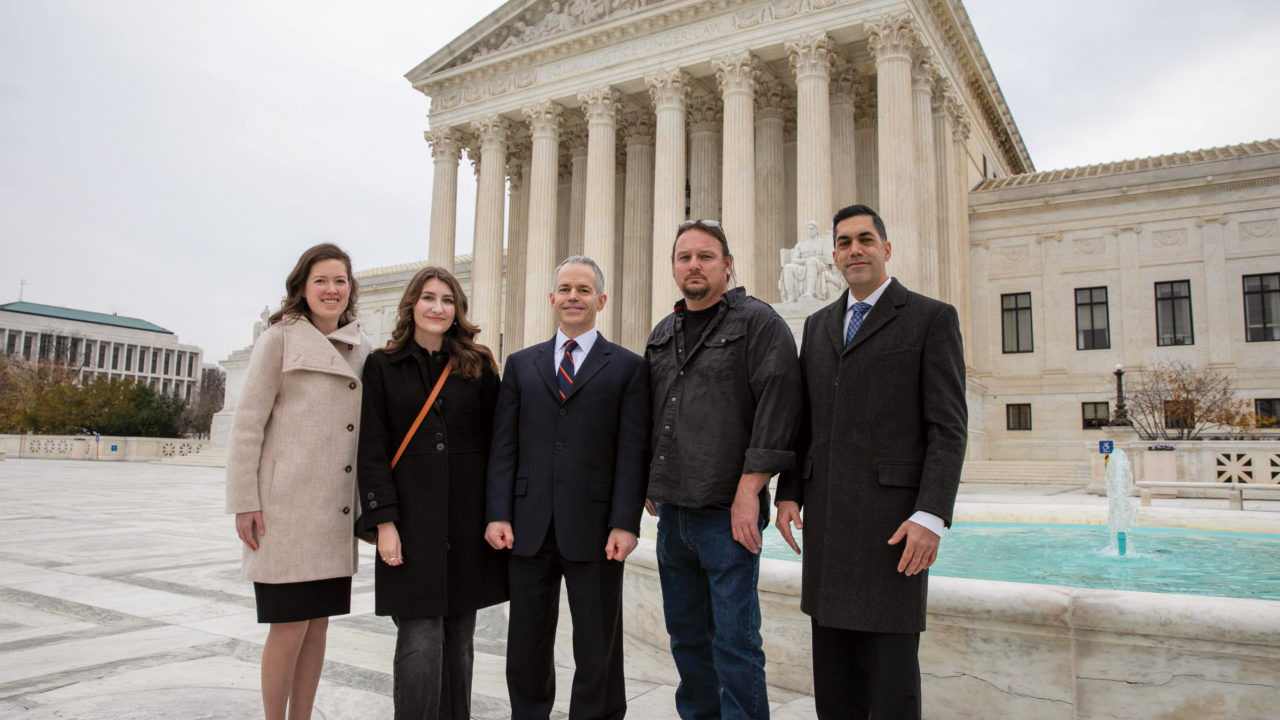
On December 8, 2021, for the 10th time, IJ argued at the U.S. Supreme Court. The case, Carson v. Makin, has direct consequences for programs that empower parents, rather than government, to direct their children’s education.
Readers may remember that Carson is a follow-up to IJ’s victory at the high court in 2020 in Espinoza v. Montana Department of Revenue. At issue is a Maine school choice program in which participating families can choose to send their kids to public or private schools, whether in state or out of state. But they cannot select any school that Maine deems “sectarian”—specifically, any school that provides religious instruction.
At a time when public dissatisfaction with the public education status quo is at an all-time high, giving parents a free and independent choice among an array of educational options should be a no-brainer for a state with an educational choice program. However, Maine argued—and the 1st U.S. Circuit Court of Appeals held—that although IJ’s Espinoza victory prohibits Maine from denying a parent’s choice of school because the school is religious, Maine is still free to deny a parent’s choice of school because of the religious things the school does (read: teach religion).
IJ argued that this is a distinction without a constitutional difference and—while it is always perilous to make predictions based on oral argument—we are cautiously optimistic that the justices will agree. As Justice Gorsuch pointedly asked counsel for the United States, which argued in support of Maine, “Does the government see a basis for distinguishing between a tax on persons who wear yarmulkes as opposed to a tax on Jewish persons?”
By the time the argument finished, we felt optimistic that, after 30 years, we had conquered what may be the last remaining significant constitutional impediment to educational choice. If the Court agrees with us, the result will not simply be more educational options for students in Maine. It will put to bed one of the final remaining legal barriers to educational choice programs nationwide.
Michael Bindas is an IJ senior attorney.
Also in this Issue
Liberty & Law
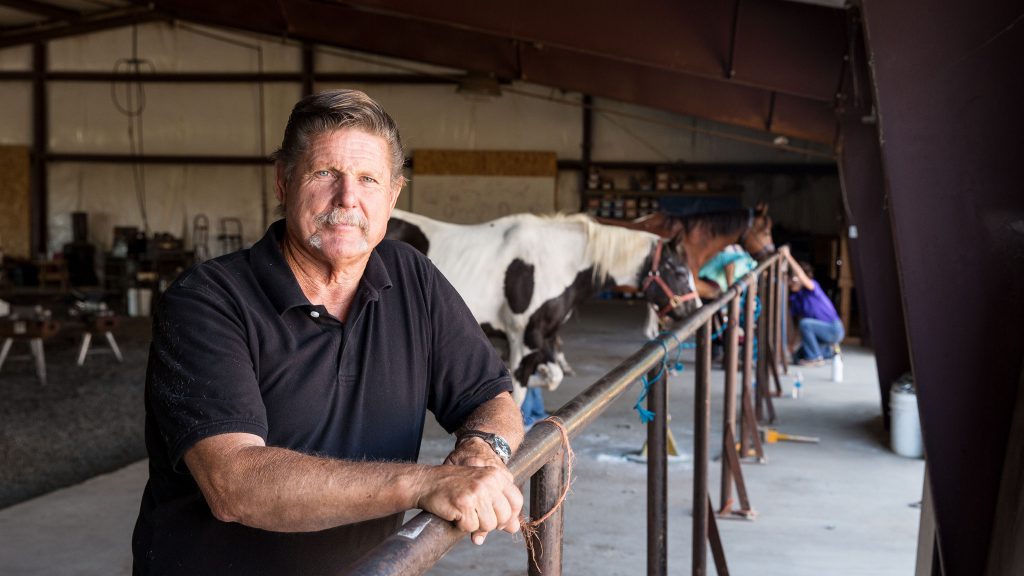
Will California Censor Horseshoeing Schools? Neigh!
Liberty & Law
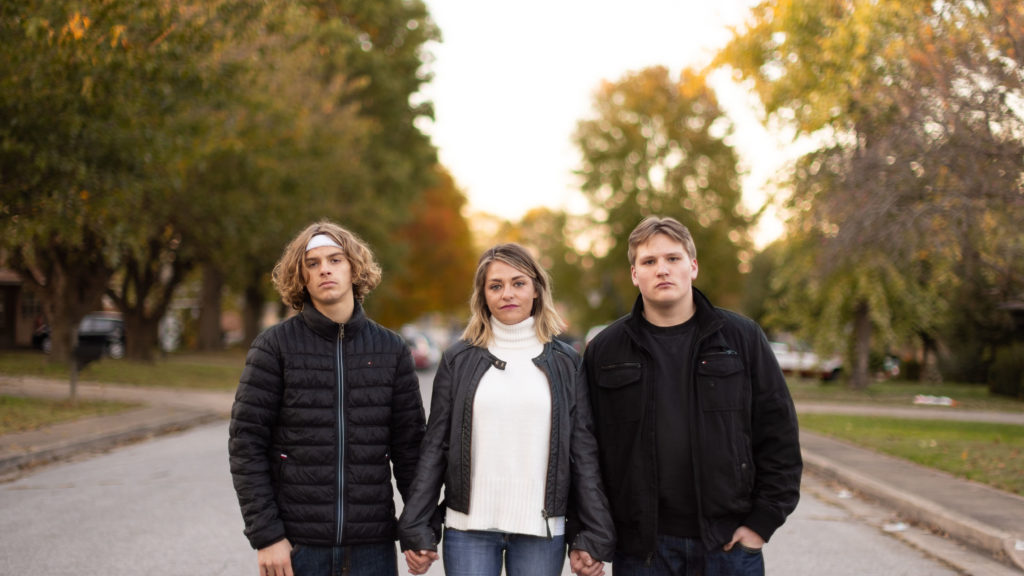
IJ Asks the U.S. Supreme Court to Reaffirm the Rights of Two Arkansas Children Handcuffed and Held at Gunpoint
Liberty & Law
As Congress Fails to End Qualified Immunity, State Activists Take Center Stage

Liberty & Law
Pennsylvania Hunters Set Sights on Ending Government Trespassing
Liberty & Law
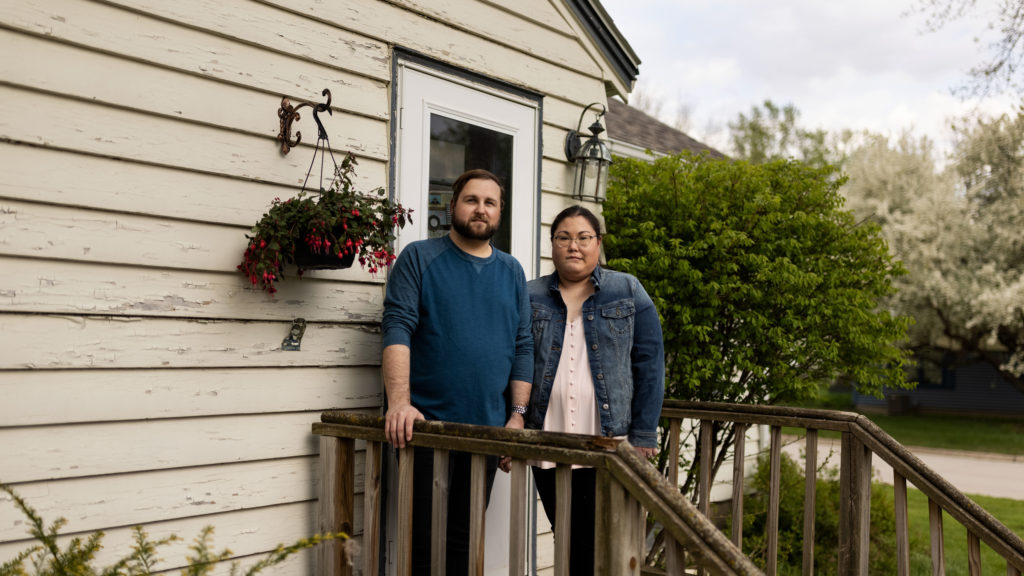
Orange City, Iowa, Tenants Make Winning First Impression in Court
Liberty & Law
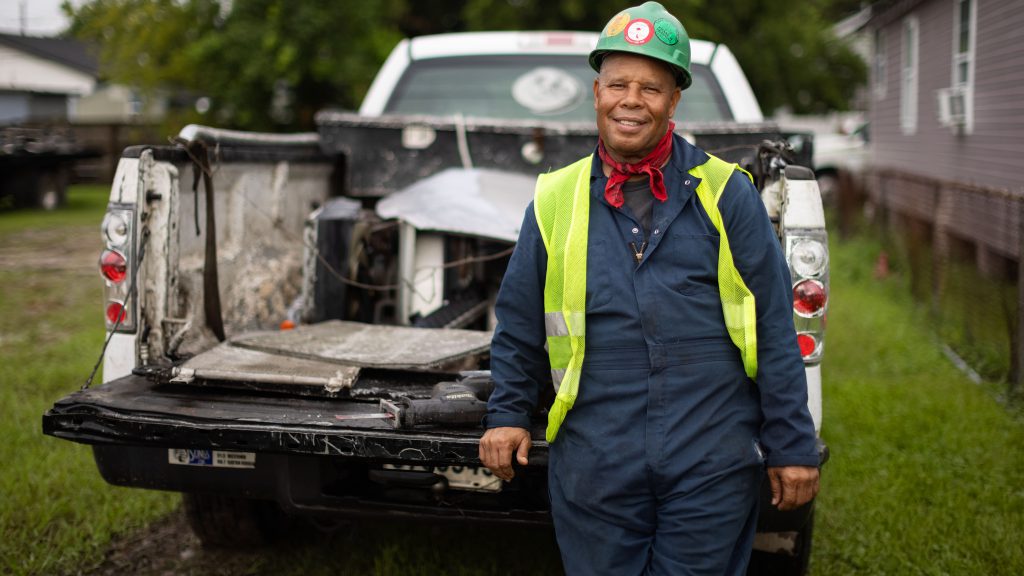
Capitalizing on Federal Forfeiture Victories, IJ Continues Fight to End Abuse

Liberty & Law
IJ Stands Guard Over the Right to A Fresh Start
Liberty & Law
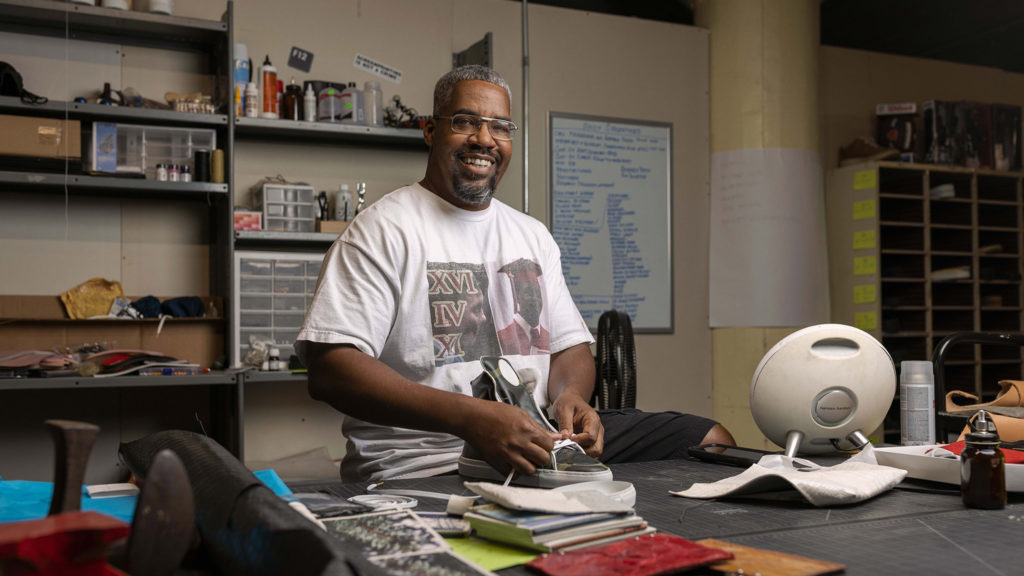
Holding Out Hope (and Waiting on Hold) for IJ Clinic Clients
Liberty & Law
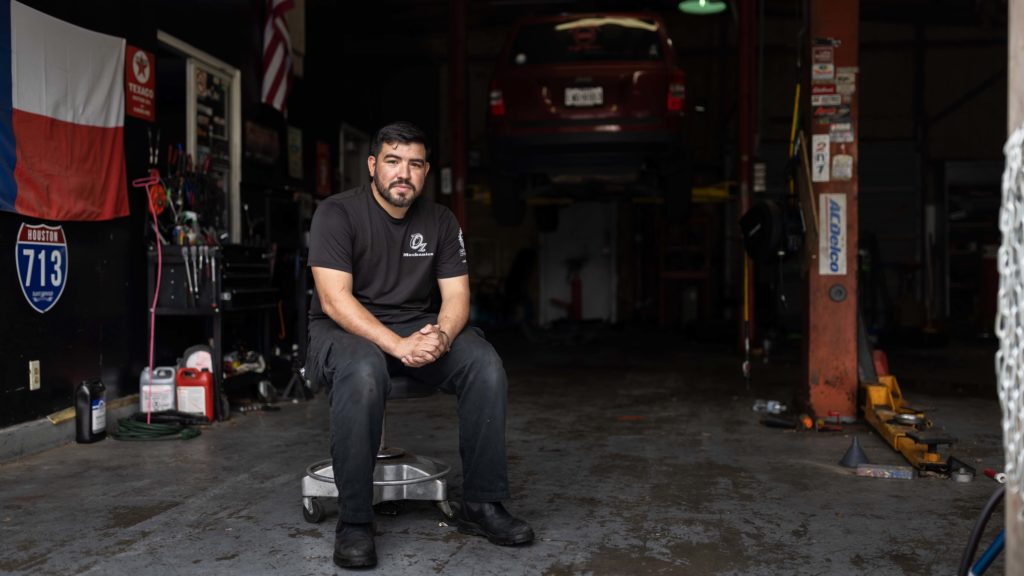
Parking Requirements Throw a Wrench in This Mechanic’s American Dream
Liberty & Law
First-Round Victory in Challenge to Texas SWAT Team’s Home Destruction
Liberty & Law
IJ Makes Headlines
Liberty & Law
IJ Asks Eighth Circuit to Vindicate Rights of Mom Whose Innocent Kids Were Held at Gunpoint by Police
Liberty & Law
Parking Requirements Throw a Wrench in This Mechanic’s American Dream
Subscribe to get Liberty & Law magazine direct to your mailbox!
Sign up to receive IJ's bimonthly magazine, Liberty & Law, along with breaking news updates about the Institute for Justice's fight to protect the rights of all Americans.