First-Round Victory in Challenge to Texas SWAT Team’s Home Destruction
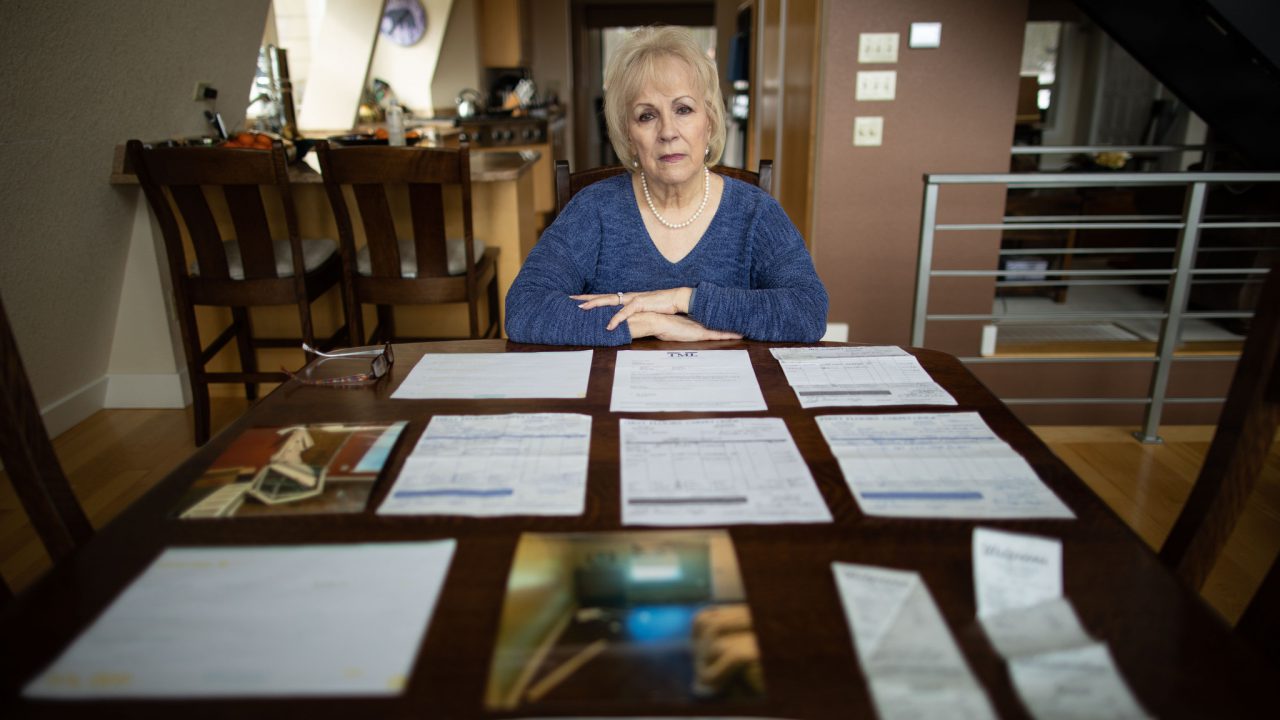
Late in 2021, IJ scored a major victory in the fight to secure compensation for Vicki Baker, an innocent bystander whose home was destroyed by Texas police trying to apprehend a fugitive who had hidden inside. Denying the government’s motion to dismiss, a federal district court in Texas held that Vicki’s claim could proceed. And—in an important ruling for both property rights and police accountability—the court acknowledged that the Constitution’s protections for private property apply against police officers, too.
Under the Constitution’s Takings Clause, the government may not take private property for public use without paying for it. This applies without controversy to eminent domain, where the government actually acquires property. But property owners may also be owed compensation when the government “takes” property by destroying it for a public use, such as in a controlled flooding.
In Vicki’s case, IJ seeks to establish that the Takings Clause applies to the activities of police officers as well. But though the idea that people should be compensated when the government makes their property unusable is now nearly a century old, no federal court has ever found a taking where police have destroyed property, and some federal courts of appeal have suggested that the Takings Clause categorically does not apply to police actions.
Fortunately, the court in Vicki’s case agreed with IJ. After providing a detailed history of the applicable doctrine, it noted that the U.S. Supreme Court has at least “alluded that a taking could result from destructive police power.” That doesn’t mean that the government must pay every time the police damage property, but it does mean that Vicki will have the chance to prove that she is owed compensation.
Although IJ’s fight to secure just compensation for Vicki is just beginning, this first-round victory is great news for anyone who supports property rights and government accountability. To be sure, the police here may have simply been doing their jobs, but when a governmental officer of any kind deprives an innocent person of their property for the greater good—whether it’s to build a road or to catch a criminal—the government is rightfully obligated to make that property owner whole.
Suranjan Sen is an IJ Law & Liberty Fellow.
Also in this Issue
Liberty & Law
Will California Censor Horseshoeing Schools? Neigh!
Liberty & Law
IJ Asks the U.S. Supreme Court to Reaffirm the Rights of Two Arkansas Children Handcuffed and Held at Gunpoint

Liberty & Law
As Congress Fails to End Qualified Immunity, State Activists Take Center Stage
Liberty & Law
Pennsylvania Hunters Set Sights on Ending Government Trespassing

Liberty & Law
Orange City, Iowa, Tenants Make Winning First Impression in Court
Liberty & Law
Capitalizing on Federal Forfeiture Victories, IJ Continues Fight to End Abuse

Liberty & Law
IJ Stands Guard Over the Right to A Fresh Start

Liberty & Law
Holding Out Hope (and Waiting on Hold) for IJ Clinic Clients
Liberty & Law
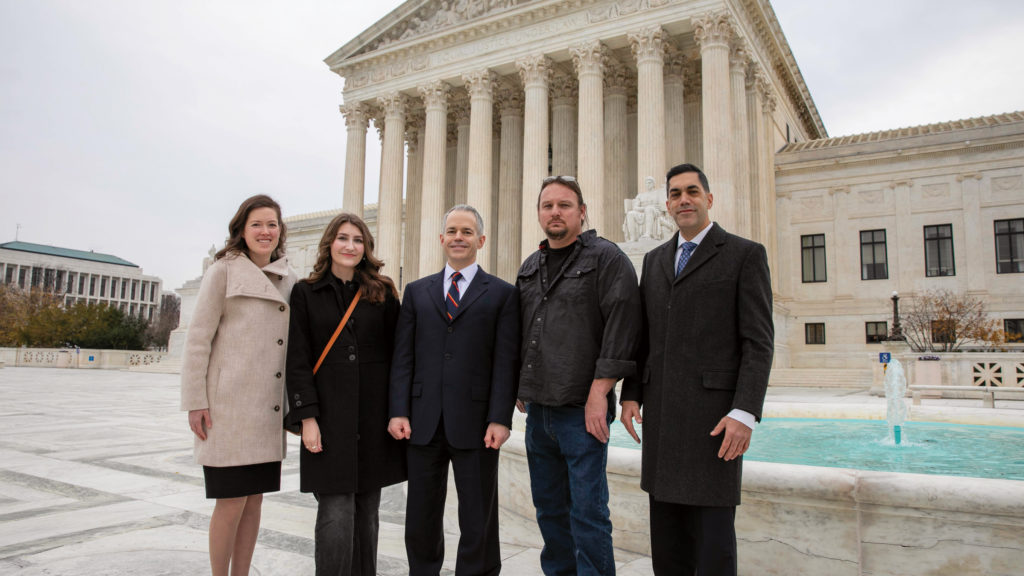
Educational Choice—and IJ—Has a Good Day at the U.S. Supreme Court
Liberty & Law
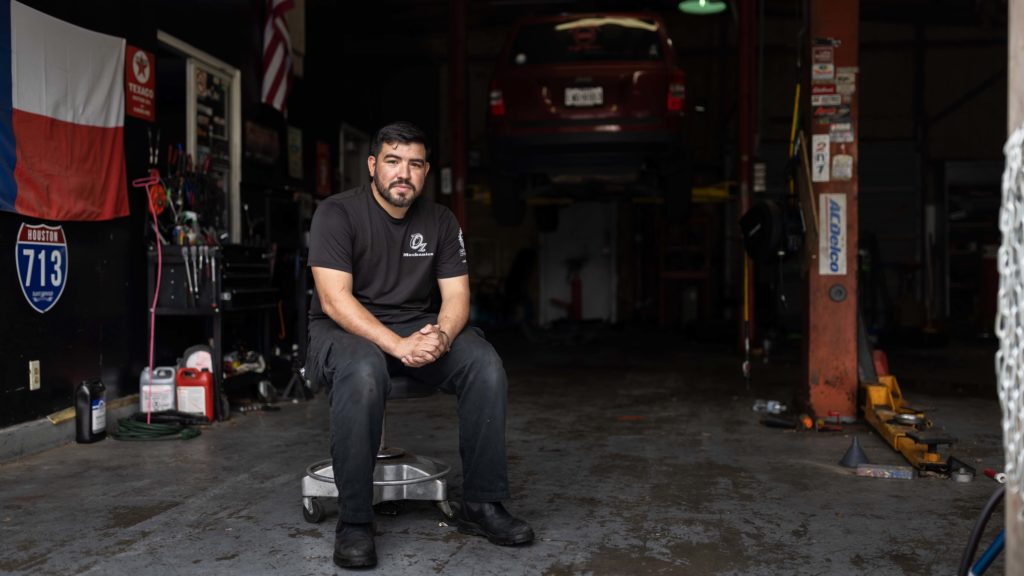
Parking Requirements Throw a Wrench in This Mechanic’s American Dream
Liberty & Law
IJ Makes Headlines
Liberty & Law
IJ Asks Eighth Circuit to Vindicate Rights of Mom Whose Innocent Kids Were Held at Gunpoint by Police
Liberty & Law
Parking Requirements Throw a Wrench in This Mechanic’s American Dream
Subscribe to get Liberty & Law magazine direct to your mailbox!
Sign up to receive IJ's bimonthly magazine, Liberty & Law, along with breaking news updates about the Institute for Justice's fight to protect the rights of all Americans.