What’s In A Name? Speakeasies Aren’t Illegal, But In Nebraska, Their Names Can Be
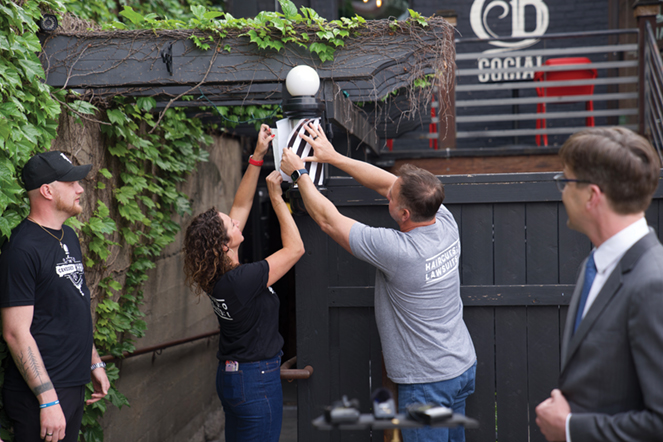
Serving classic cocktails at an artfully concealed bar is no longer illegal—it hasn’t been since 1933—but in Nebraska, using the wrong words in naming a speakeasy can make scofflaws of entrepreneurs trying to earn an honest living.
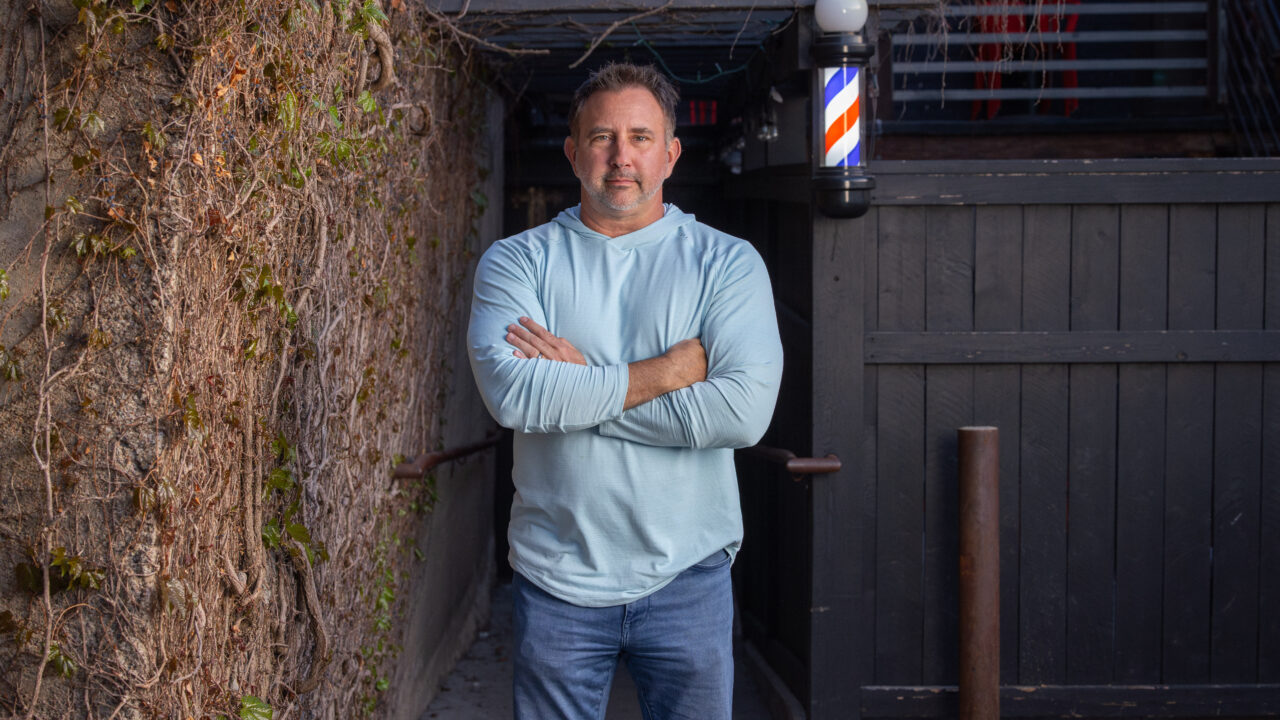
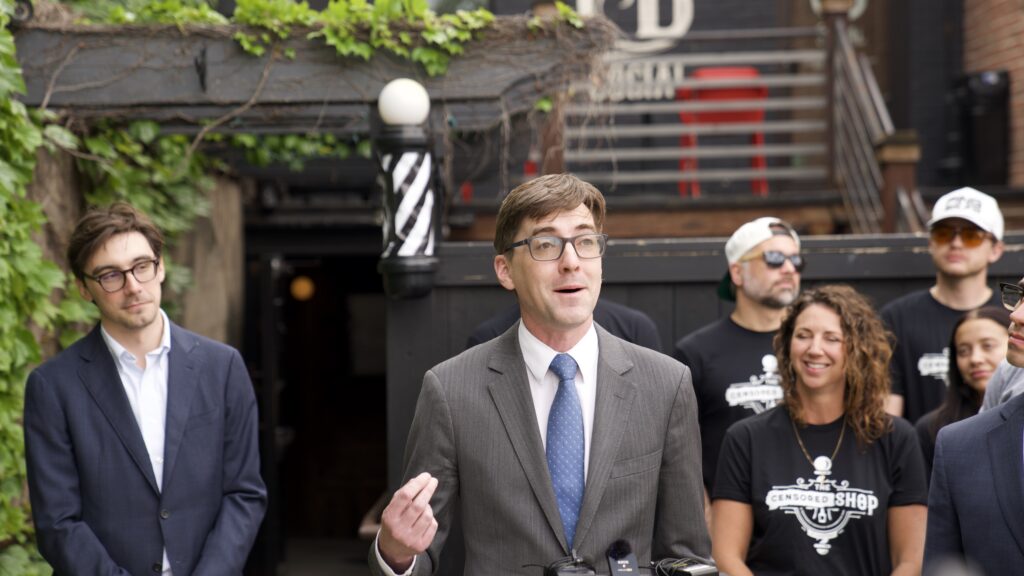
In early 2025, Mike DiGiacomo and his siblings, Dominic and Jaclyn, opened the “Barber Shop Blackstone.” The barber shop-themed speakeasy in Omaha’s Blackstone District is a tribute to their late father, “Don the Barber,” who earned his living for 30 years by operating a barber shop in the building that is now home to the Barber Shop Blackstone. Mike and his siblings grew up there, assisting with maintenance and upkeep, getting to know the regulars, and listening to the stories of the other barbers and their customers.
The speakeasy is accessible through an unmarked door in a back alley; a small red, white, and blue barber pole provides the sole clue of its location. In classic speakeasy fashion, patrons open the door to a small “barber shop”—complete with a barber’s chair and a video detailing the history of barbering—and only behind a second door is the speakeasy, where handmade craft cocktails, many of them barber themed, are served.
But unbeknownst to the DiGiacomo siblings, Nebraska law forbids them from using the words “barber” or “barber shop,” and from displaying the iconic red, white, and blue barber pole. Shortly after the Barber Shop Blackstone’s grand opening, the state threatened the siblings with civil and criminal penalties unless they changed the name.
The law at issue purports to protect customers from the dangers of unlicensed haircuts and confusion over what kind of services are offered inside. It does this by only allowing those who hold state-issued barber licenses to use the words “barber” or “barber shop” or display a barber pole.
Yes, really.
In response to the state, Mike noted the obvious: His bar is a bar—it serves cocktails, and it’s only open at night. No one could conceivably show up expecting to get a shave and a haircut. And even if they did, his bartenders would kindly point them to a salon or barber shop down the street.
However, the state was undeterred. That’s because the threat wasn’t prompted by customer confusion. Rather, a state-licensed barber found “the whole theme of the place so disrespectful to the trade.”
In other words, Nebraska regulators are threatening Mike and his siblings with criminal punishment because a barber was offended by the family’s tribute to their father.

But the First Amendment limits the government’s power to restrict how businesses advertise themselves. The state can enact laws to protect consumers from actual fraud or confusion, but it cannot remove common words and images from circulation.
For decades, IJ has defended commercial free speech rights of small businesses, from Florida video game stores to New Hampshire donut shops. This case is the latest in our nationwide campaign to free entrepreneurs to advertise their services. A victory here would do more than simply provide relief to the DiGiacomo siblings. It would reinforce the principle that commercial speech is worthy of constitutional protection—and attempts to regulate that speech must be aimed at a real harm.
A ruling for the Barber Shop Blackstone would make it easier for all Nebraskans to earn a living—a cause to which we should all raise a glass.
Nick DeBenedetto is an IJ attorney.
Also in this Issue

Liberty & Law
One Woman’s Fight Protects Property Owners Across Texas

Liberty & Law
A Plain Outlier: North Dakota Prefers Licensed Teachers Over Qualified Ones

Liberty & Law
A Lot at Stake: IJ Battles Restrictive Zoning
Liberty & Law
Taking Out The Trash: Texas Entrepreneur Fights City’s Dumpster Monopoly

Liberty & Law
IJ Fights Pennsylvania’s Costly “Ghost Office” Requirement
Liberty & Law
IJ Takes North Dakota Ranchers’ Pipeline Fight To The Supreme Court

Liberty & Law
A Victory For Fresh Starts In The Bluegrass State

Liberty & Law
Victory! An Illinois City Lets Garden Grow

Liberty & Law
Friends Of The Court, Foes Of Financially Driven “Justice”
Liberty & Law
IJ Makes Headlines
Subscribe to get Liberty & Law magazine direct to your mailbox!
Sign up to receive IJ's bimonthly magazine, Liberty & Law, along with breaking news updates about the Institute for Justice's fight to protect the rights of all Americans.