Court to Hear Argument Determining Future of Special Education Program
Press Availability: 12/1/2025
Location and Time:, Panel Courtroom at the Moakley Courthouse, 7th Floor, 1 Courthouse Way, Boston, MA 02210. Arguments before the Court are scheduled to start at 9:30am with this case fifth in line.
Streaming: Live audio can be found on the Court’s YouTube page.
Participants: David Hodges, Educational Choice Attorney Institute for Justice
Parents of children looking for access to services
Contact and RSVP with: Phillip Suderman, [email protected], (850) 376-4110
Summary:
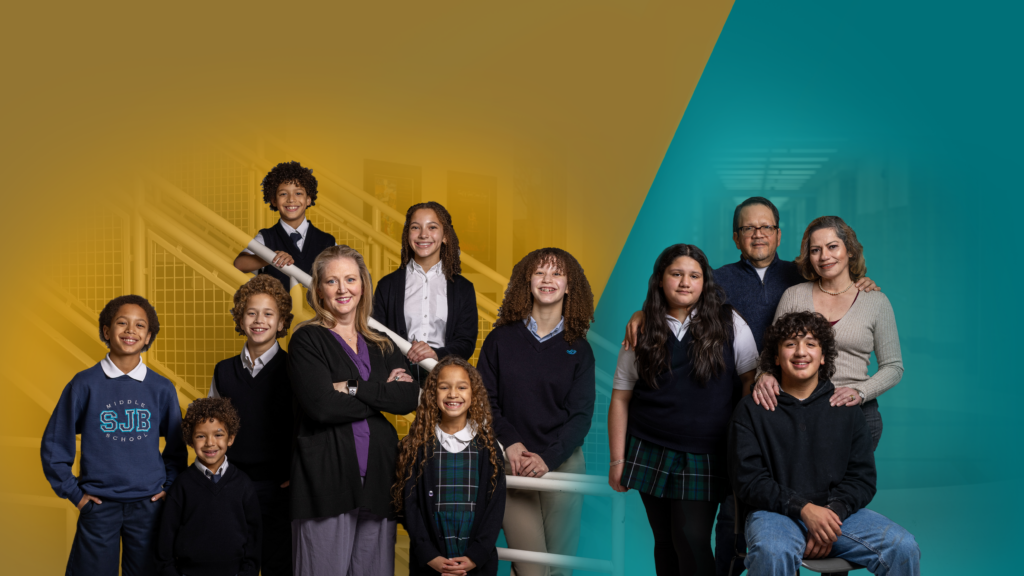
BOSTON, MA—Tomorrow, parents represented by the Institute for Justice (IJ) and the Pioneer Public Interest Law Center (PPILC) will appear before the United States Court of Appeals for the First Circuit to challenge a Massachusetts regulation that bars their children from receiving special educational services in their schools. Under the law, Massachusetts must provide special needs services to all children regardless of if they are in public or private school. However, the state has made it all but impossible for children in private schools to receive those services. The challenge comes as an appeal to a previous ruling by a federal trial court dismissing the case. If successful, the case would be allowed to continue and potentially clear the way for thousands of children to receive services to which they are lawfully entitled but which they cannot access because their parents have exercised a fundamental constitutional right.
“Massachusetts guarantees all students with special needs that they will be able to receive their services in their regular educational environment,” said IJ Educational Choice Attorney David Hodges. “But a discriminatory regulation means that children whose parents exercised their fundamental constitutional right to send them to private school cannot receive services in their schools, even as children in public schools and children the government places in private schools can receive services in their schools. This is discrimination based on a fundamental constitutional right.”
Massachusetts law guarantees that all students are entitled to special education services, including private schools. These services can range from simple learning exercises to intensive hands-on personal interaction with behavioral therapists and everything in between. These services are critical for children because they help them overcome their learning challenges. Yet even though Massachusetts law plainly states that all children are entitled to the services, a state regulation makes access to services practically unobtainable for children whose parents have enrolled them in private schools.
That’s because Massachusetts regulators have imposed an irrational—and unconstitutional—restriction on special needs students whose parents enrolled them in private school. The restriction? These students can receive services at sites the state deems “neutral,” but not the private schools they attend. Even more absurd, the state applies the restriction classifying a school as “neutral” solely by whether a parent chooses it. If the government sends a child to the same school, it is neutral, but if a parent does, the school is not neutral.
This restriction makes many of these services impractical at best, or useless at worst. For many students, the services need to be administered at the point of classroom learning. Being removed from their school to access services is also stigmatizing for these children, who already face physical or emotional challenges. And time spent traveling rather than learning results in the children falling even further behind in their academics. Furthermore, many parents work outside the home, so they cannot spend time during the workday shuttling their children from location to location. Consequently, many families simply forgo the services to which their children are legally entitled.
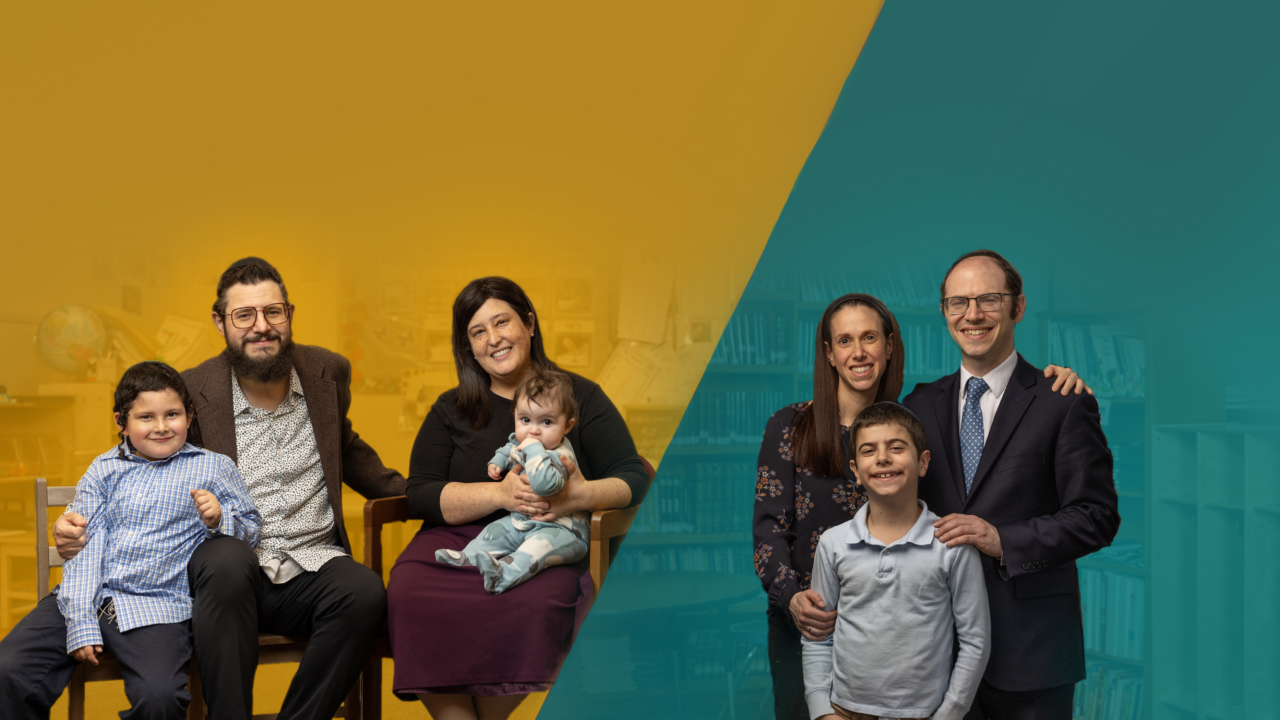
“All we want is for our children to get the services to which they are entitled,” said Ariella Hellman, one of the challengers to the regulation. “No one’s children should be discriminated against because of how and where their parents chose to educate them.”
# # #
IJ is the nation’s leading law firm defending educational choice programs and expanding educational access and opportunity. It represents its clients free of charge. Since its founding in 1991, IJ has successfully represented parents in educational choice lawsuits in numerous state supreme courts, intermediate courts of appeal, and trial courts, as well as four times at the U.S. Supreme Court (Zelman v. Simmons-Harris, Arizona Christian School Tuition Organization v. Winn, Espinoza v. Montana Department of Revenue, Carson v. Makin). IJ is currently defending choice programs in Alaska, Ohio, Arkansas, Utah, Wyoming, and Tennessee alongside EdChoice Legal Advocates as part of the Partnership for Educational Choice.
PPILC, which serves as consulting counsel in this case, is a nonpartisan, public interest law firm that defends and promotes educational options, accountable government and economic opportunity across the Northeast. PPILC achieves its mission through legal research, amicus briefs, and litigation.
To arrange interviews on this subject, journalists may contact Phillip Suderman, IJ’s Communications Project Manager, at [email protected] or (850) 376-4110. More information on the case is available at: https://ij.org/case/massachusetts-school-choice/