Federal Jury Strikes Down Texas Sheriff’s Surveillance-Driven Traffic Stop Program
License-plate-reading cameras flagged an ordinary road trip as suspicious. A Bexar County deputy invented a traffic violation, interrogated the driver, and searched his truck. A jury said that was unconstitutional.
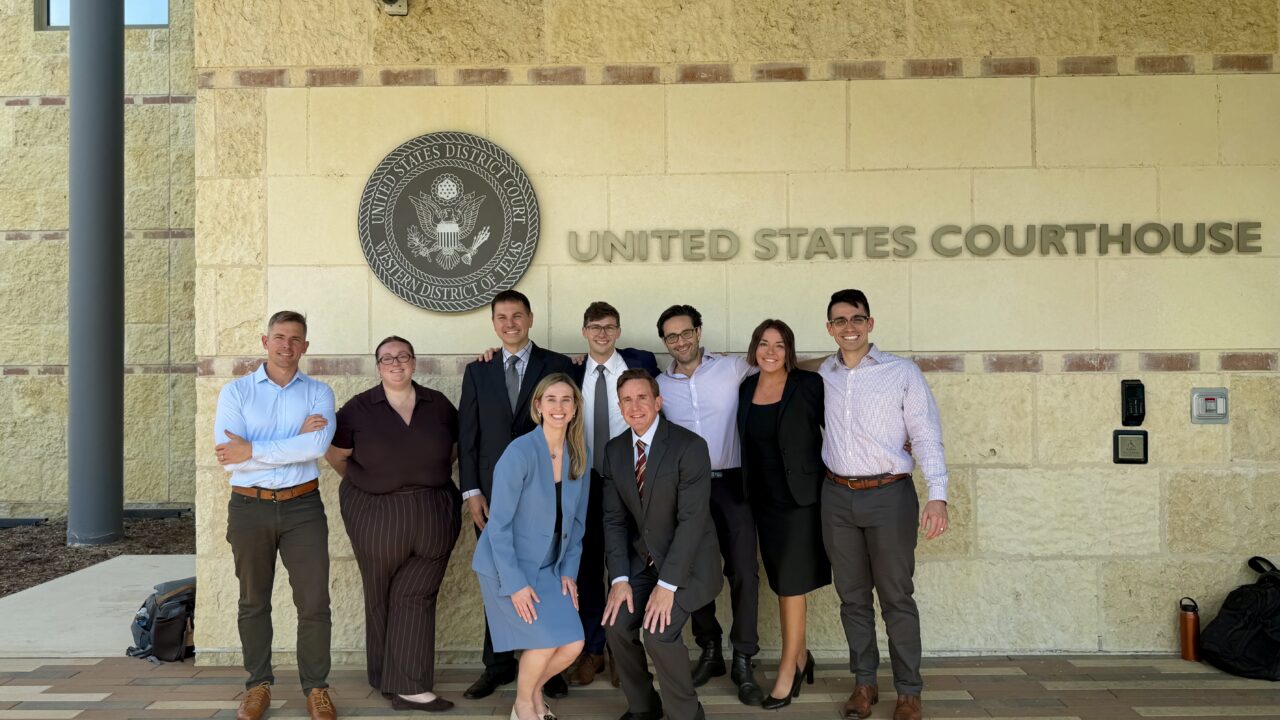
SAN ANTONIO—Today, a jury in federal court found Bexar County liable for running an unconstitutional traffic stop scheme that turned mass surveillance of American drivers into a pipeline of pretextual traffic stops and unconstitutional searches.
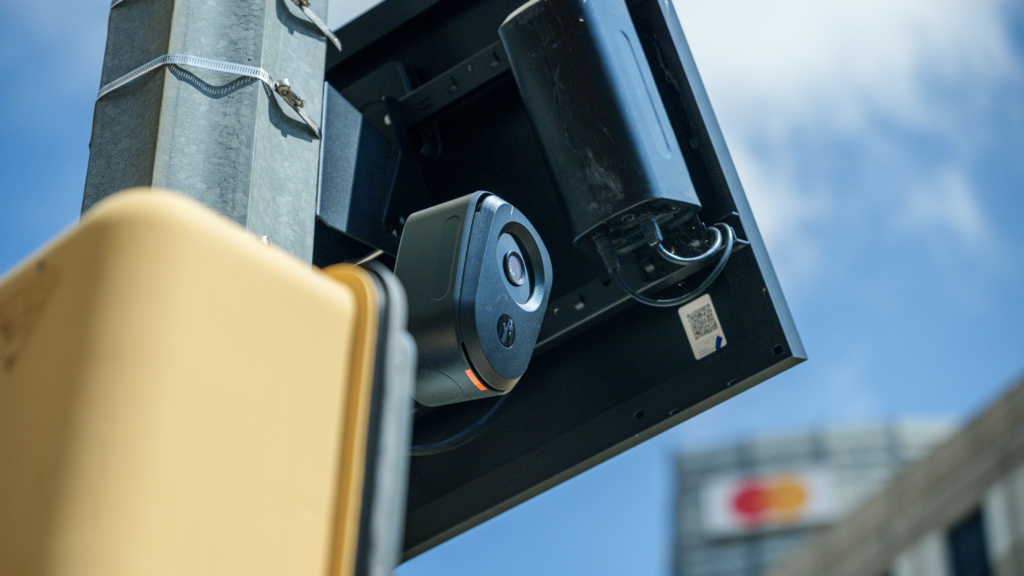
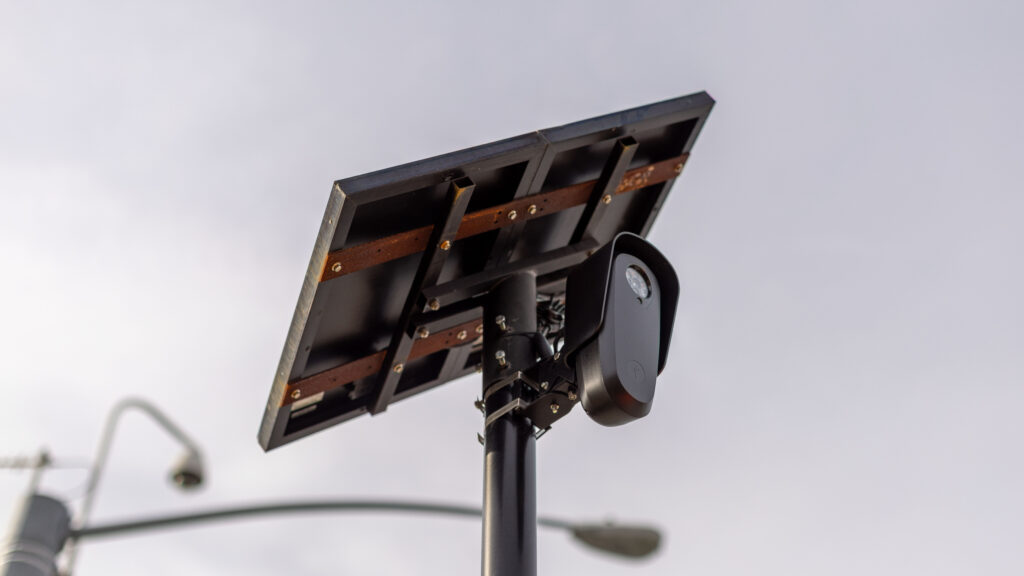
The unconstitutional program ran in five steps: First, surveillance cameras across the state and country recorded license plates and logged when and where cars went. Second, analysts and anonymous tipsters flagged ordinary travel, like driving toward the border and back, as suspicious. Third, Bexar County sheriff’s deputies invented a traffic violation to justify pulling over the flagged driver. Fourth, deputies pulled drivers into their front seats, interrogated them and asked consent to search their car. Finally, fifth, if the driver refused to consent to a search, a K-9 alert from a manipulated dog supplied the probable cause to search anyway. This practice happened for four years to countless motorists.
“This is a huge win, and not just for Alek,” said Institute for Justice (IJ) Attorney Christie Hebert. “Motorists across this country are being watched by local, state and federal agents, flagged by AI-powered cameras, and then pulled over for a bogus offense that exists only as a cover story for an interrogation and a search. The Fourth Amendment does not permit this. Today a jury of Texans looked at how this program actually worked and said so. Every agency in this state should understand that we are fully prepared to enforce this verdict.”
The jury found the practice violated the Fourth Amendment rights of Alek Schott, a Houston father of two who was stopped on Interstate 35 in March 2022 on his way home from a business trip. Schott was held on the shoulder for 76 minutes, interrogated in the front seat of a patrol car, and subjected to a search of his truck after a drug dog alerted. Deputies found nothing, because there was nothing to find.
Alek sells equipment for his family’s oilfield business. On March 15, 2022, he drove from his home near Houston to a well pad outside Carrizo Springs with a colleague, staying the night at a hotel nearby so he could start early and not drive tired. He was stopped by Bexar County Deputy Joel Babb on the way home — not for anything he did on the road, but because a network of cameras operated by the federal government flagged his Ford F-250 as suspicious.
The tip reached Bexar County through a group chat on WhatsApp, a private messaging app, called the “Northwest Highway Group.” Deputy Babb testified the information came from a man he knew only as “Kiki,” who Babb believed worked at a federal fusion center in Laredo. To make the stop, Deputy Babb parked on the shoulder, waited for the truck, followed it, and eventually stopped it. Babb said the reason for the stop was that Alek had drifted across the fog line on the road. Evidence shown at the trial showed Schott never veered outside the lines.
“After the stop, I filed a complaint with the Sheriff’s Office because I knew what happened to me was wrong,” said Alek Schott. “The department reviewed it, told me they didn’t see any violation, and said if I had a problem with it, I should sue them. So I did. Today is vindication, not just for me, but for every driver they ran through this.”
Alek sued under the federal civil rights law that holds local governments accountable when an official policy or custom causes a constitutional violation. That required proving more than one bad stop: that the Sheriff’s Office had a policy or custom of stopping and searching drivers this way, that the Sheriff knew or should have known, and that the practice caused what happened to Alek. The jury agreed, and awarded him $76—one dollar for every minute he spent detained on I-35. He never asked for a penny more. IJ has represented him free of charge since 2023.
“This is what mass surveillance looks like when it reaches the shoulder of the highway,” said IJ Attorney Senior Josh Windham. “An AI-powered camera flagged Alek’s plate. An anonymous law enforcement agent decided his completely ordinary trip looked suspicious. And a deputy went out and found a violation that never happened. This unit ran thousands of drivers through that routine—humiliating, invasive interrogations and searches of people who had done nothing wrong. It all rests on the idea that if you watch enough innocent people closely enough, criminals will fall out. That’s wrong, it’s unconstitutional, and now, a jury has said so.”
The jury awarded Alek $76, exactly what he asked for; one dollar for every minute he was detained. Money was never what mattered. This was and has always been about the Constitution. IJ will now ask the court to enjoin Bexar County from using baseless traffic stops as a tool for warrantless searches, and will work to enforce the precedent across the state.
“For more than three decades, IJ has gone to court to hold government to the promise of the Constitution,” said IJ Senior Attorney Jeff Rowes. “Today’s verdict is a victory for ordinary Americans who want to travel our roads and highways without being stopped for bogus traffic stops, held for baseless interrogations in police cars, and then searched after a manipulated drug dog alert. Driving the highways doesn’t make one suspicious and IJ will be there to enforce constitutional restrictions on police authority.”