Institute for Justice Applauds Colorado for Removing Licensing Barriers for Beauty Work
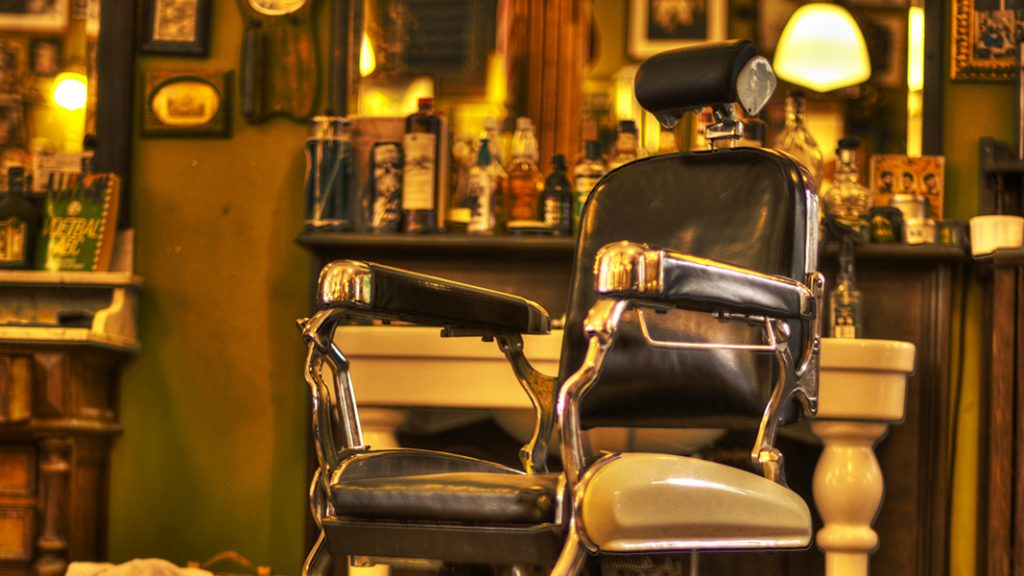
Arlington, Va.—Yesterday, HB26-1181 was signed in a significant step forward in removing regulatory barriers for people wishing to work in the beauty industry. The bill, with prime sponsorship by Rep. Naquetta Ricks, Rep. Chris Richardson, and Sen. Janice Marchman, creates an exemption for individuals providing makeup services, an exemption for individuals applying polish to nails, and an exemption for individuals providing hair and makeup services for theatrical, tv, or motion picture productions. The bill also exempts individuals who provide barbering or cosmetology services within correctional facilities, and individuals who provide free haircuts or washing and setting of hair for a nonprofit. The Institute for Justice (IJ), a national leader in occupational licensing reform, applauds the signing.
“This is a major step forward for economic freedom and will help those aspiring to work in the beauty industry fulfill their dreams,” said Meagan Forbes, IJ’s Director of Legislation. “We thank the sponsors and activists for all their hard work in pushing for this bill that will grow the economy, help create jobs, and give consumers more choice across Colorado.”
Too often, states require too much from those who simply want to earn an honest living doing what they love—and those licensing requirements can make it costly to enter or work in a field, like the beauty industry. Between the high cost and rigid scope of required schooling—which often forces beauty professionals to spend time and money on training outside their chosen specialties—it’s not fair that beauty professionals face steeper state requirements than most other occupations.
In Colorado, one out of every six workers must have an occupational license before they can legally do their jobs, despite the fact that research has shown that many licenses don’t improve service quality or protect the public from actual harm. There are better, more affordable, less burdensome alternatives to these kinds of licensing laws—which create unnecessary barriers for people looking to pursue their passions while providing for themselves and their family.
Before this reform, makeup artists in Colorado needed to spend a minimum of 600 hours in school to legally work — the majority of which was irrelevant to the practice of makeup artistry. Previous research has shown that on average, a cosmetology program in Colorado costs $17,479, while the average student takes out $8,166 in federal student loans. But despite such a hefty investment, many beauty professionals barely earn enough to get by: Half of Colorado cosmetologists make less than $29,800 a year.
“Beauty professionals deserve the opportunity to learn and earn in a way that works best for them, beyond the current ‘one size fits all’ system,” said IJ’s Activism Coordinator Laura Kelly. “This bill provides that path forward.”
The Institute for Justice is a nonprofit organization that has worked alongside beauty professionals and other workers nationwide for 30 years to help change laws that create unnecessary barriers to earn a living in a chosen industry. Beauty, Not Barriers is dedicated to working with beauty professionals to change state laws that make it difficult and costly to work in the industry.
# # #
To arrange interviews on this subject, journalists may contact Phillip Suderman, IJ’s Communications Project Manager, at [email protected] or (850) 376-4110. More information on the case is available at: https://beautynotbarriers.com/about-us/