
Georgia Legislators Must Reform the State’s Civil Forfeiture Laws
Arlington— Today, a coalition of civil rights groups from across the political spectrum is calling on legislators to reform Georgia’s civil forfeiture laws, which are among the worst in the nation.
Civil forfeiture allows the police to seize your home, car, cash or other property upon the mere suspicion that it has been used or involved in criminal activity. Even worse, up to 100 percent of forfeited property goes to police and prosecutors’ budgets, creating perverse incentives for otherwise honorable police officers to seize cars, cash and property.
“Georgia’s civil forfeiture laws threaten the property rights of all Georgians,” said Lee McGrath, legislative counsel for the Institute for Justice, a nationwide public interest law firm that fights civil forfeiture abuse across the country. “A 2010 report by the Institute for Justice, called Policing for Profit, gave Georgia a D- for its civil forfeiture laws and practices; only four other states received similarly low grades.”
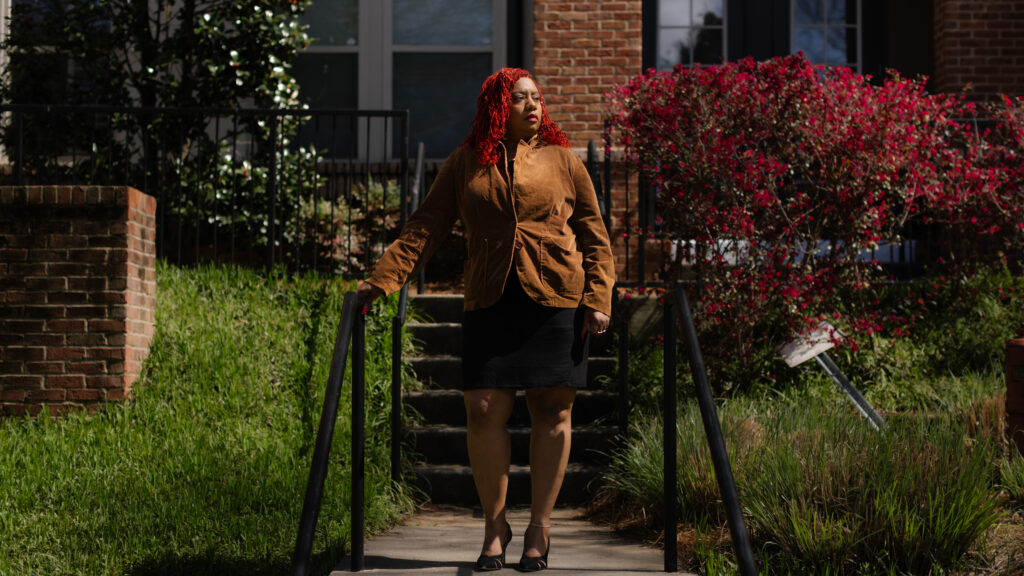
Innocent property owners like Paula Peterson have experienced firsthand the abuse that comes from the state’s forfeiture laws. Paula’s daughter drove her late father’s SUV to and from work from her home in Alma. The police later accused the daughter and her roommate of possessing drugs. Within hours of the arrest, the roommate admitted she was solely responsible for the drugs. But police still seized Paula and her husband’s SUV simply because it was parked outside of their daughter’s home and did not return it to Paula for almost five months, even though drugs were never found in the SUV.
Lawmakers are being urged to follow three principles to ensure that police pursue the neutral administration of justice rather than profit. First, a conviction should be required before final title to property is transferred to the state. Second, an innocent owner who is not suspected of any wrongdoing should quickly get back seized property. Finally, police and prosecutors’ offices should not profit from enforcing forfeiture laws.
“Civil forfeiture’s procedures are so rigged in favor of the state that even innocent people weigh the costs and risks of trying to get back their property,” said Larry NeSmith, president of the NAACP’s chapter in Coffee County. “The public overwhelmingly supports civil forfeiture reform. It is time for Georgia’s politicians to end the abuse of property rights by enacting sweeping reforms.”
In March, the Institute for Justice represented Georgia citizens to hold local law enforcement agencies accountable under Georgia’s forfeiture reporting law. Georgia law requires that law enforcement agencies publish a report each year of all forfeitures they conduct and indicate how the money they receive is used. Despite the clear legal requirement to do so, these agencies never made such information public until the Institute brought them to state court.
READ THE MODEL LEGISLATION HERE: www.ij.org/ModelForfLaw
More on Private Property

Private Property
Long Island Electrician Injured at Airport Teams Up with Public Interest Law Firm to Hold the Government Accountable

Private Property
Pennsylvania Supreme Court Agrees to Hear Lawsuit Over Pottstown’s Rental Inspection Ordinance
Private Property