IJ Fights Another Bogus Blight Designation
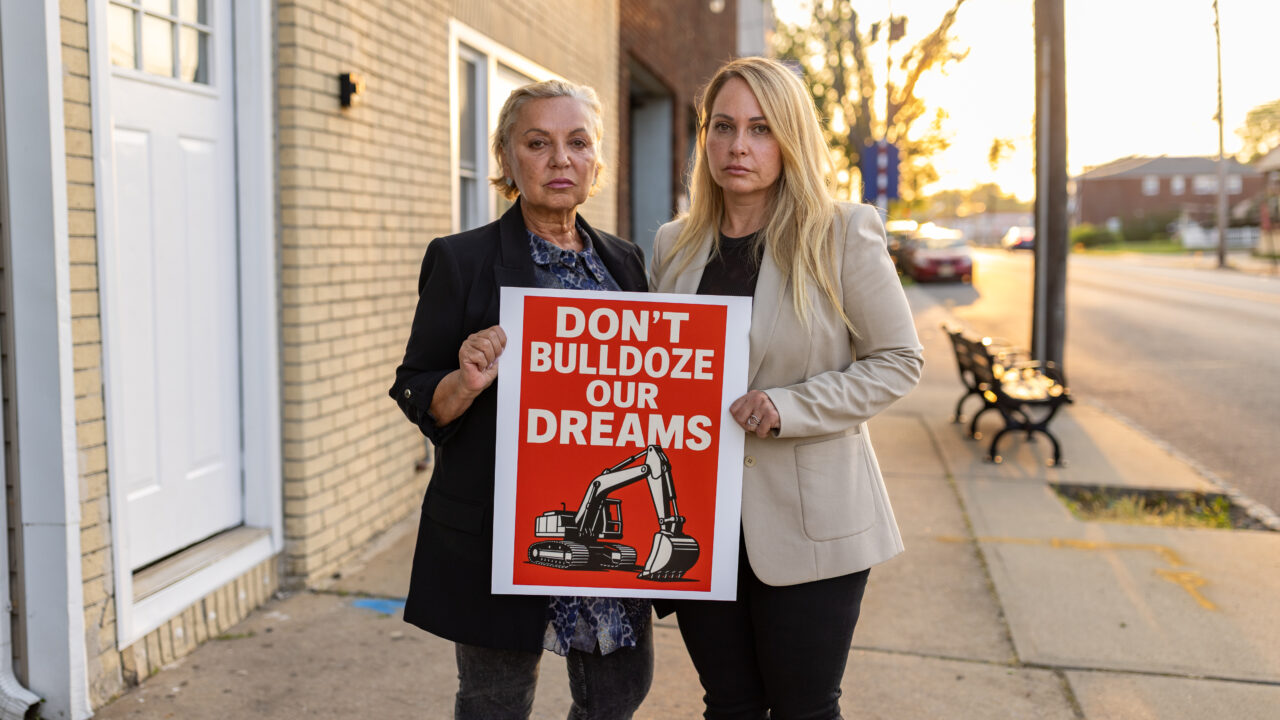
The word “blight” conjures up images of dilapidated buildings or dangerous collapsing structures—not a few pieces of trash or a stray cat. But in Perth Amboy, New Jersey, the latter may be enough for the government to take your property. Because that’s ridiculous, not to mention unconstitutional, two property owners have teamed up with IJ to fight back.
Honey Meerzon’s family fled religious persecution in the Soviet Union. Almost a decade ago, after leaving a troubled relationship, Honey bought a four-family apartment building in Perth Amboy. Since then, Honey’s apartments have been home to families who have come to rely on their affordable rent and proximity to their jobs. Honey has spent hundreds of thousands of dollars upgrading and maintaining the building over the years.
Next to Honey’s property is Quick Tire & Auto, owned by Luis Romero. After fleeing communist Cuba at a young age with his family, Luis learned how to fix cars. He has operated his business successfully for decades.
Honey and Luis see these properties as evidence of their hard work, their legacy for future generations, and their pieces of the American Dream. Their families escaped oppressive government regimes; they thought that surely in America their property rights would be respected.
But Perth Amboy has other plans. The city is threatening to take Honey’s apartments and Luis’ shop using eminent domain—not because there’s anything wrong with them, but because it wants them as part of a new private development.
New Jersey law allows governments to take properties using eminent domain for private development as long as they are “blighted.” So Perth Amboy simply designated these properties as such. But Honey’s and Luis’ properties aren’t blighted. The city doesn’t point to any evidence of actual blight. Instead, it relies on transitory conditions like minimal amounts of litter and the presence of a stray cat—or features common to the entire area like smaller driveways or setbacks. The city doesn’t even assert that the properties themselves are dangerous or dilapidated.
This cannot be what New Jersey lawmakers had in mind when they sought to clean up blight.
If the city’s land grab is successful, Honey’s tenants will essentially be homeless; Luis’ employees will be out of work; Honey and Luis will both lose their properties; and virtually any property in Perth Amboy will be at risk for taking by eminent domain.
IJ is no stranger to bogus blight. We successfully defeated Charlestown, Indiana’s attempt to bulldoze dozens of homes in a working-class neighborhood, and we’re currently fighting similar cases in Brentwood, Missouri, and Ocean Springs, Mississippi.
But this latest case in New Jersey has a special legacy in IJ litigation. We’ve twice prevailedagainst attempts to hand private homes in Atlantic City over to casino redevelopment authorities—and successfully challenged a blight designation in Long Branch. Perth Amboy is defying clear precedent.
Now we’re back to finish what we started: to protect New Jersey property owners from eminent domain abuse. Together with Honey and Luis, we aim to get a New Jersey court to reject bogus blight designations once and for all.
Bobbi Taylor is an IJ attorney.
From Bogus Blight To Pretextual Parks: Towns Try New Ways To Dodge Property Protections
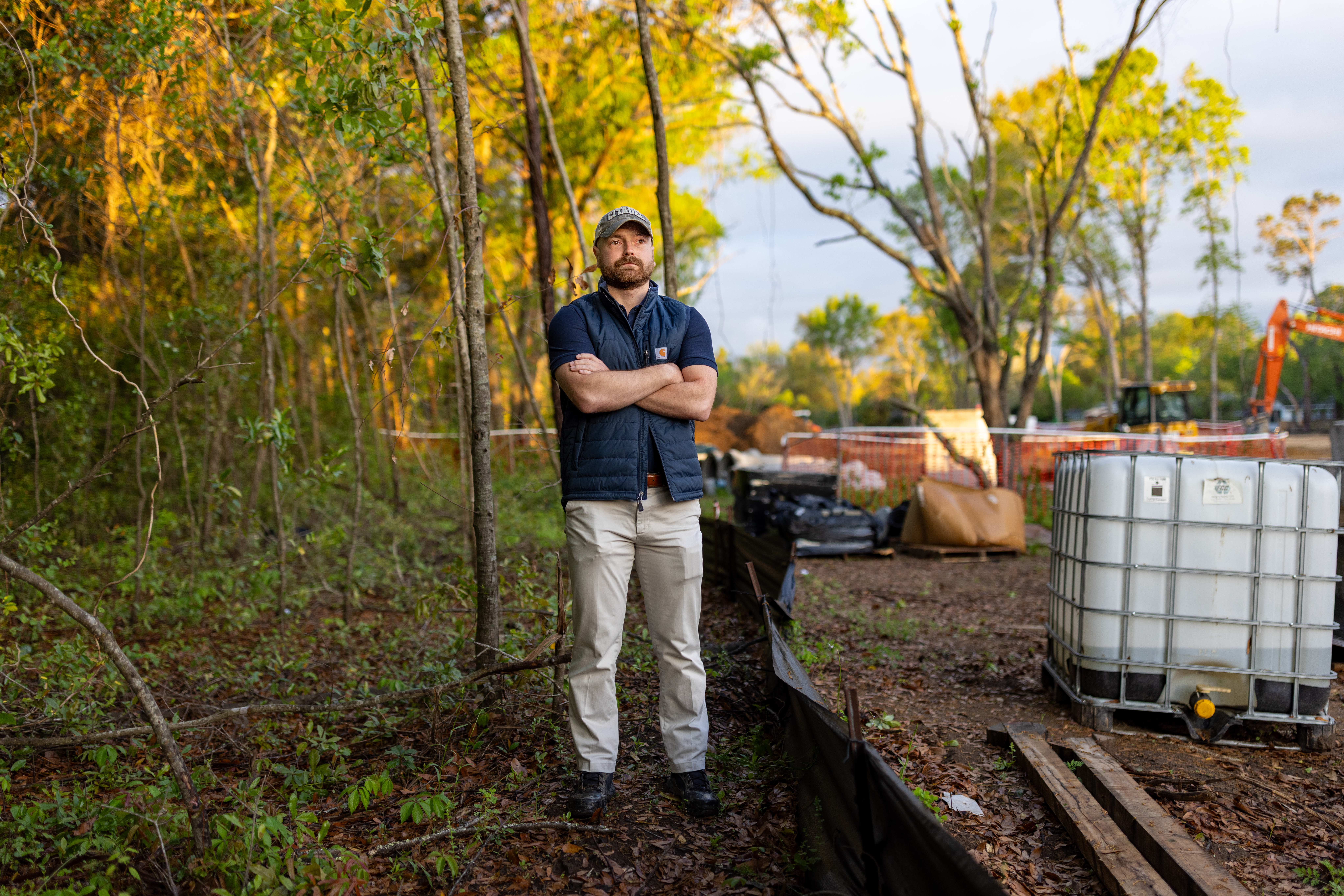
Bogus blight designations aren’t the only way governments try to get around protections against eminent domain abuse. Increasingly, IJ sees towns using parks as pretexts to stop disfavored development.
You may remember our case on behalf of the Brinkmann brothers, who wanted to open a new location of their small Long Island hardware store chain. When Southold’s attempts to stop the Brinkmanns failed, the town turned to eminent domain, demanding the Brinkmanns’ land for a “passive park”—in other words, a vacant wooded lot.
Another pretextual park is at the center of one of IJ’s latest eminent domain cases, this time on James Island, South Carolina. Kyle Taylor is an Island native who bought a narrow strip of land and got sign off from the town’s Planning Commission to turn it into a mixed residential and commercial property.
But the Town Council, prompted by residents who oppose development, vetoed Kyle’s plan. After Kyle spent over $100,000 to address concerns, James Island started eminent domain proceedings to take his land for a park.
But that is only a pretext. In fact, the town’s only plan for the proposed park was a pencil sketch it created after deciding to pursue eminent domain.
After the Supreme Court’s reviled Kelo v. New London ruling, IJ spurred almost every state to enact protections against eminent domain abuse. Like bogus blight designations, pretextual parks give governments a way to bypass those protections. So IJ and Kyle are fighting back with a new lawsuit to stop pretextual parks from facilitating eminent domain abuse across the country.

Also in this Issue

Liberty & Law
Unanimous Supreme Court Victory! For Victims Of FBI Wrong-House Raid

Liberty & Law
Closing The Open Fields Doctrine In Alabama

Liberty & Law
Hungry Customers Can Now Find Their Favorite Food Trucks
Liberty & Law
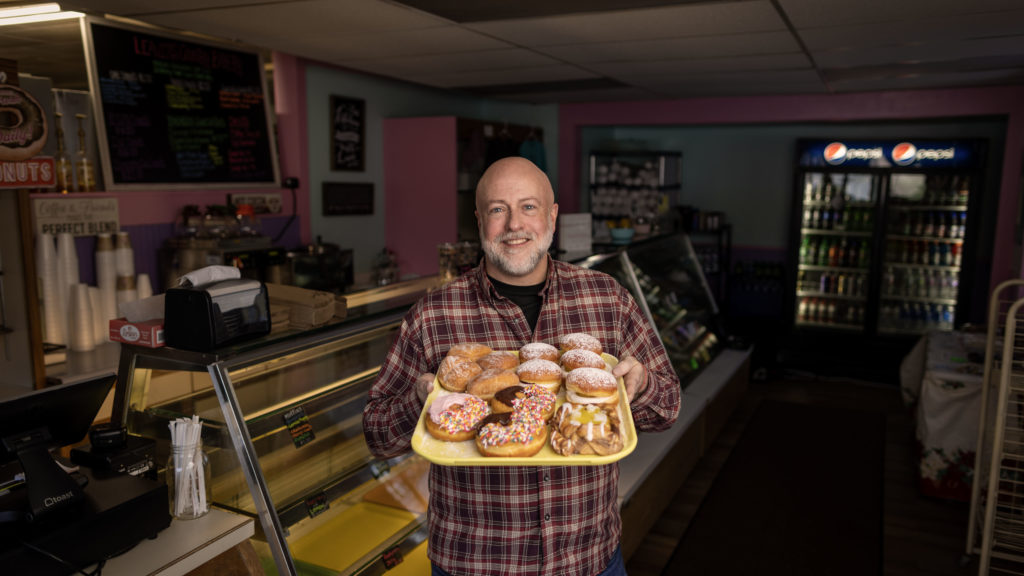
IJ Saves Donut Mural, Shows Town’s Argument Was Full Of Holes
Liberty & Law
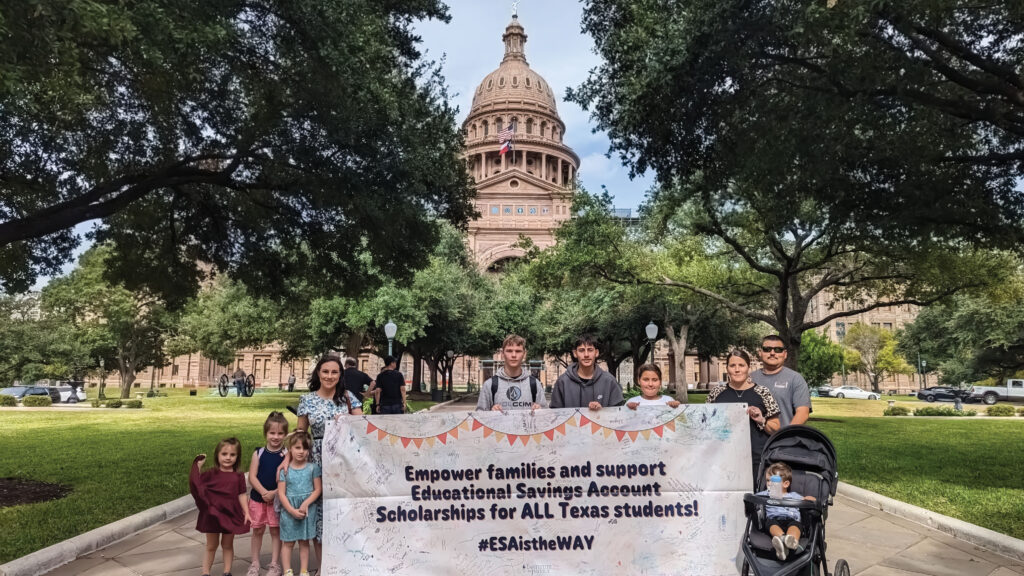
Don’t Mess With Texas Parents: Yearslong Effort Culminates In Historic Educational Choice Victory

Liberty & Law
From The Classroom To The Courtroom

Liberty & Law
Fighting Back Against Federal Kidnapping
Liberty & Law
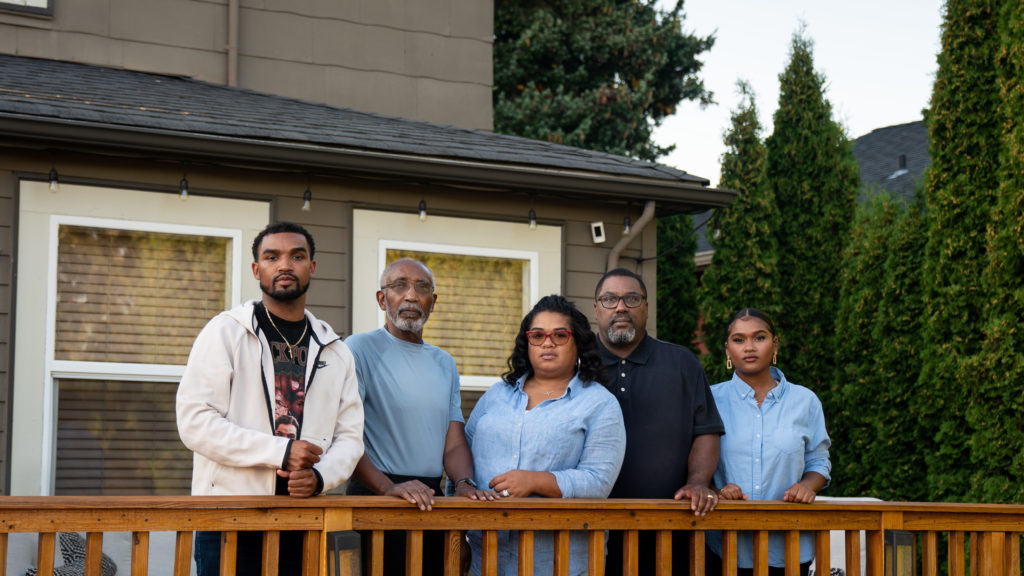
Seattle Thinks It Can Make Housing Cheaper By Making It More Expensive To Build
Liberty & Law
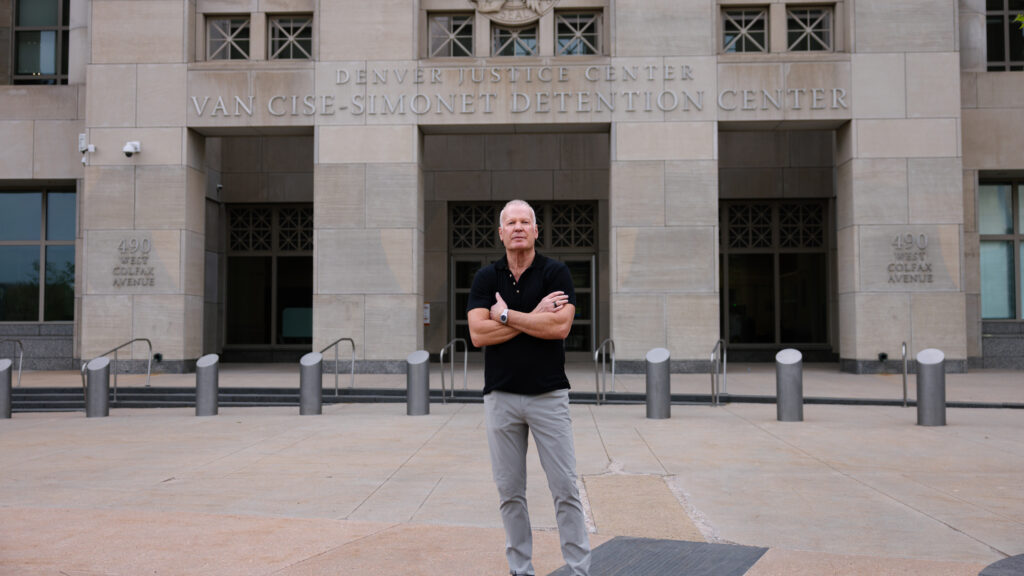
New Case Challenges Unreliable Warrants

Liberty & Law
IJ Win Ungags Tennessee Civil Rights Lawyer

Liberty & Law
The Liberty Leaderboard: IJ One Of 2025’s Social Media Standouts
Subscribe to get Liberty & Law magazine direct to your mailbox!
Sign up to receive IJ's bimonthly magazine, Liberty & Law, along with breaking news updates about the Institute for Justice's fight to protect the rights of all Americans.