
Colorado General Assembly Reins in Policing for Profit
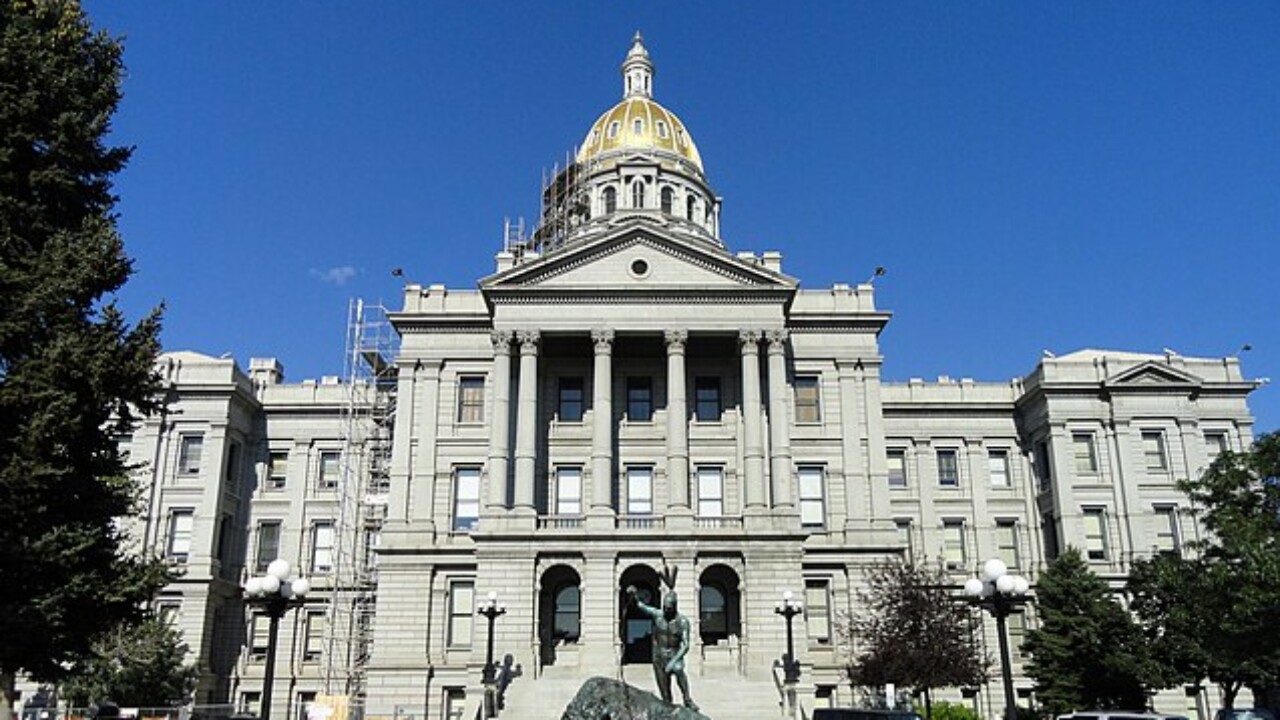
With near-unanimous bipartisan support, the Colorado General Assembly this week passed HB26-1250, a civil forfeiture reform bill that closes a longstanding loophole in Colorado law allowing property to be forfeited without a criminal conviction.
The bill also makes Colorado one of the first states in the nation to grant forfeiture defendants the right to an attorney in civil cases. After passing the House 64-1 and the Senate 32-2, it now awaits Gov. Jared Polis’ signature.
“Even after significant reforms in recent years, Colorado’s civil forfeiture laws still permit the government to permanently confiscate property without a criminal conviction,” said Alasdair Whitney, legislative counsel at the Institute for Justice. “This bill closes that loophole for good, and it also makes Colorado one of the first states in the nation to grant property owners the right to an attorney in the forfeiture proceeding, just like there is in criminal court.”
In 2002, Colorado passed legislation requiring a conviction in most forfeiture cases, and a 2017 update aimed to prevent Colorado law enforcement from partnering with federal agencies to skirt more stringent state forfeiture requirements.
The latest bill:
- Closes a major loophole that permitted the forfeiture of property before a criminal conviction;
- Requires courts to pause forfeiture proceedings until there is a conviction in a related criminal case;
- Provides attorney representation to low-income forfeiture defendants; and
- Funds that representation by redirecting some forfeiture proceeds from law enforcement.
“Civil asset forfeiture depends on the legal fiction that the property itself is somehow guilty, separated from the person and prosecuted in its own right,” wrote Colorado Rep. Ken DeGraaf, a sponsor of the bill, in a recent commentary. “If there is a crime, prove it. If there is a conviction, forfeiture remains. But if there is no conviction, there should be no permanent taking.”
The bill was supported by a broad spectrum of civil liberties organizations, including the American Civil Liberties Union, the Institute for Justice, the National Coalition for a Civil Right to Counsel, and Rocky Mountain Gun Owners.
More than 80% of Colorado forfeitures involve cash, according to the latest edition of IJ’s “Policing for Profit” report, and currency forfeited in Colorado had a median value of less than $2,400 from 2019 to 2023. Nationwide, the median cost of defending a state forfeiture claim is about $3,300. Most forfeiture proceedings in Colorado take nine months or more to resolve.
“Imagine losing a car or cash and never being convicted of a crime,” Whitney said. “Facing the high costs of retaining counsel or navigating a complicated legal system on their own, many owners choose to simply give up.”
Colorado isn’t ending civil forfeiture completely, and nothing short of full abolition, as demonstrated in New Mexico and Maine, will fully eliminate the incentives that drive policing for profit. But this is among the most significant state-level reform efforts in years. IJ encourages Gov. Polis to sign the bill and put constitutional rights above policing for profit.
Your Rights Are Worth Defending
Help protect constitutional rights and challenge abuses of government power.
More on Private Property

Private Property
Long Island Electrician Injured at Airport Teams Up with Public Interest Law Firm to Hold the Government Accountable

Private Property
South Milwaukee Orders Residents to Take Down Whimsical Skeleton Display, a Violation of Their First Amendment Rights

Private Property