Public Interest Law Firm Calls on Nampa to Reconsider Unconstitutional Food Truck Crackdown
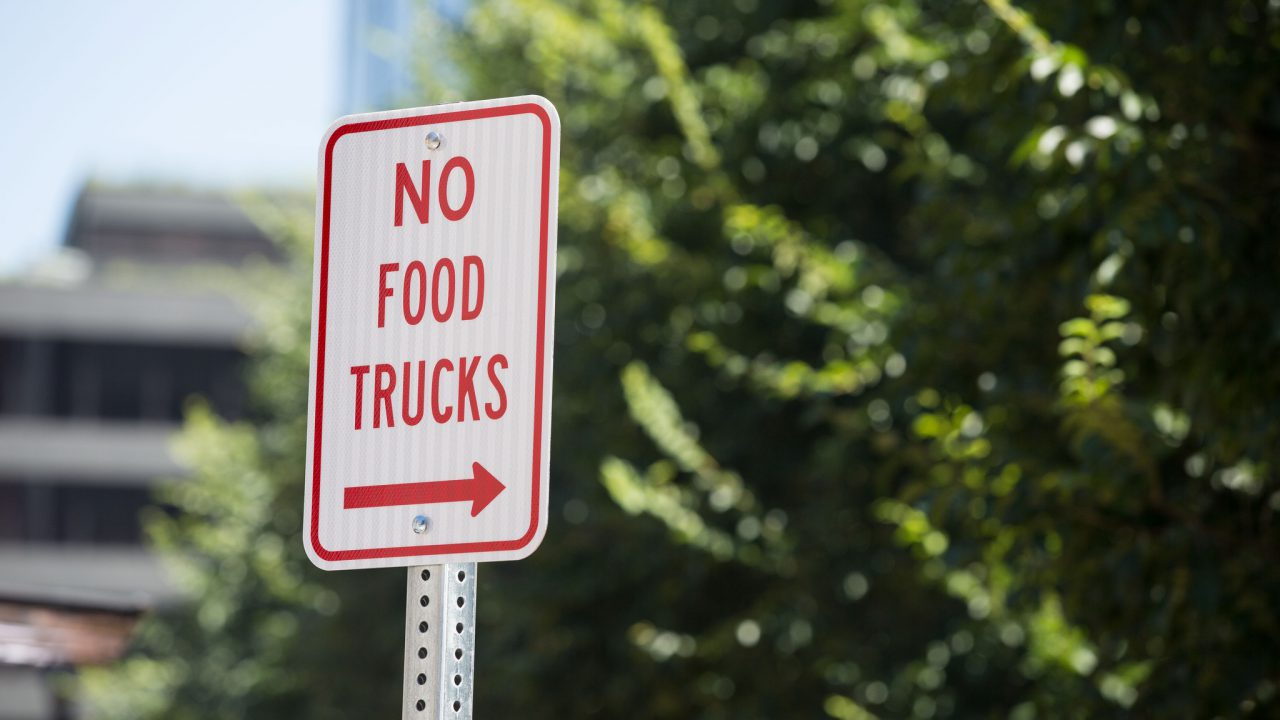
Two years after the Institute for Justice (IJ) first warned Nampa, Idaho, that its food truck rules were unconstitutional, the city is back with a new proposal that would be just as damaging to local entrepreneurs. Last week, IJ sent a letter to city officials urging them to strike the ordinance’s most restrictive provisions before a scheduled City Council meeting.
In April 2024, IJ called on Nampa to stop enforcing its mobile vending code against trucks operating safely on private property. After public pushback against the enforcement, the council directed staff to work with the food truck community on a better solution. But vendors say that outreach never happened. Instead, on Sept. 30 of this year, and without any prior warning, truck owners received notice of new code changes. Worse, they were unable to see the actual ordinance language until the day it was first scheduled for a vote.
“We respect the efforts of city staff to streamline and clarify mobile vending regulations; however this is not the way to do it,” said Zoe Tishaev, City Policy Coordinator at the Institute for Justice and co-author of the letter. “The Institute for Justice’s Cities Work team stands ready to assist staff with writing a food truck code that addresses health and safety concerns without needlessly impeding hardworking, well-meaning entrepreneurs.”
The latest proposed crackdown would institute an overnight parking ban, restrict vending to 9 a.m. to 11 p.m. in non-residential zones, prohibit drive-thrus, forbid seating, umbrellas, flags, and portable signs, and bar more than one truck per lot unless the property owner pays $350 and navigates a conditional use permit hearing to become a “food truck court.” Vendors on public property would even need written permission from neighboring property owners, a blatantly protectionist provision intended to advantage traditional brick-and-mortar restaurants.
Rae-Ann Stine, co-owner of The Perking Spot, a mobile coffee shop, says that the opening time restriction is effectively a shutdown order for her business. “Our customers are people grabbing a cup on their way to work, and that rush is over well before 9,” she said. “We’ve followed all the rules and have never had a problem, and now the city is essentially trying to drive us out of business.”
When IJ researchers examined 12 years of county-level census data, they found that as food trucks were introduced to communities, the restaurant industry continued to grow. “Far from harming the restaurant industry, food trucks can complement it,” the study concluded. “Growth in the number of food trucks goes hand in hand with growth in the number of restaurants.” This is because food trucks attract more customers into an area, thereby increasing business for everyone—including restaurants.
IJ’s letter recommends striking the one-truck-per-lot and overnight parking bans, refraining from implementation of impractical operating hours, removing the neighbor-consent requirement, and replacing them with narrowly tailored rules aimed at genuine safety concerns. IJ’s Cities Work initiative, which has studied food truck regulations in more than 20 cities, has offered to work directly with Nampa staff on a workable ordinance.
“Nampa is repeating the same constitutional violations we flagged in 2024,” said IJ Senior Attorney Justin Pearson, who also heads IJ’s National Street Vending Initiative. “Nampa is targeting business practices that have gone on for years without a single problem just to stop food trucks from competing with restaurants. Under the Idaho and U.S. Constitutions, it is not the government’s job to pick winners and losers in the marketplace. That choice belongs to consumers.”
IJ’s National Street Vending Initiative challenges anti-competitive laws that harm street vendors and food trucks by unconstitutionally restricting their right to earn an honest living. IJ has defeated dozens of anti-food truck restrictions, including court victories in Texas, Florida, Kentucky, North Carolina, Wisconsin, and other states.
More on Vending

Vending
Public Interest Law Firm Asks Miami Gardens to Stop Defying State Law and Allow Food Trucks to Operate

Vending
Public Interest Law Firm Demands Georgia City Repeal Ordinance Banning Competition from Food Trucks

Vending
