
When legal is not ethical
Civil forfeiture laws in the United States facilitate, indeed encourage, unethical behavior on the part of law enforcement officials. Civil forfeiture is a mechanism by which law enforcement agencies can seize property merely with a suspicion that it is connected to a crime and even if the owner has not been accused or convicted of a crime. In contrast to criminal asset forfeiture, where property is taken only after a conviction, civil asset forfeiture laws allow law enforcement to take property from completely innocent people who have never even been charged with a crime. Forfeiture proponents argue it is an essential tool for fighting crime, but it also can be a profitable activity. Forfeiture laws at the state and local levels allow law enforcement agencies to keep a portion, and sometimes all, of the properties they seize for agency use, and the laws in some jurisdictions allow for the seized properties to be used for the direct benefit of law enforcement personnel in the form of salaries and benefits. This can distort law enforcement priorities, shifting the focus to revenue generation and away from other activities. This article discusses how forfeiture laws work, the incentives they create, and the unethical behavior facilitated by them. It concludes by discussing how and why the laws can be reformed to protect citizens’ rights and ensure ethical standards in law enforcement activities.
Related Cases

Civil Forfeiture | Private Property
Family Jewelry Business Fights Back to End Predatory Civil Forfeitures at Indianapolis FedEx Hub
Henry and Minh Cheng, who run a wholesale jewelry business, are fighting Indiana to keep money a customer sent them through FedEx. Indiana police seized the money and prosecutors are trying to take it through civil forfeiture without saying what the couple did wrong.

Civil Forfeiture | Private Property
When the government seizes property from people without justification, and they have to spend money to get their property back, they deserve to be made whole.
Brian Moore fought to get his property back from the federal government and he won. In 2021, Drug Enforcement Administration (DEA) agents seized $8,500 in cash from him at Atlanta’s airport…
Civil Forfeiture | Private Property
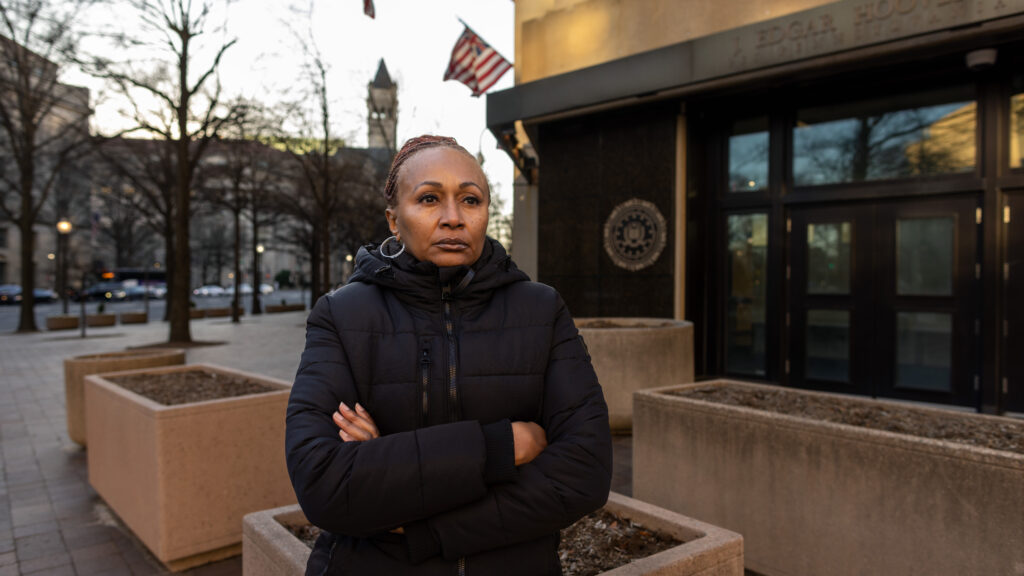
The FBI Hasn’t Said What This Couple Did Wrong, But Is Taking Their Savings Anyway
Linda Martin's home savings were seized by the FBI. She received a confusing forfeiture notice that didn't clearly say what she did wrong for the government to want to take her money.