One Test, Two Standards
Most of us have a drawer or a closest in our home where we put things that are not important enough to have their own place but are not quite worthless enough to throw away either. That is what the rational basis test is for the Supreme Court – junk drawer for disfavored constitutional rights the Court has not explicitly repudiated, but that it prefers not to enforce in any meaningful way. Like any other junk receptacle, the rational basis test has become a real mess.
One way to begin cleaning up that mess – hopefully on the way to jettisoning rational basis review in favor of a test with some measure of substance and integrity – would be for the Supreme Court to make clear first that purported justifications for the challenged regulations must be not only “conceivable” but truly plausible, and second, that in making that evaluation judges should favor reality over conjecture. Fortunately, there is ample support in the Court’s precedents for the former and in common sense for the latter.
This essay proceeds in three parts. First, I will explain why I believe the rational basis test is more accurately described as a vehicle for judicial abdication of responsibility than a genuine test – particularly as applied to economic liberties. Second, I will show not only that some formulations of the rational basis test contain a plausibility element, but that it has been decisive – though sometimes unacknowledged – factor int he Supreme Court’s resolution of several high profile rational basis cases. Finally, I will use several cases litigated by the Institute for Justice to illustrate why judges should use several cases litigated by the Institute for Justice to illustrate why judges should embrace a plausibility requirement in rational basis cases and why I believe this approach would be better for courts, citizens, and the Constitution.
Related Cases
Economic Liberty
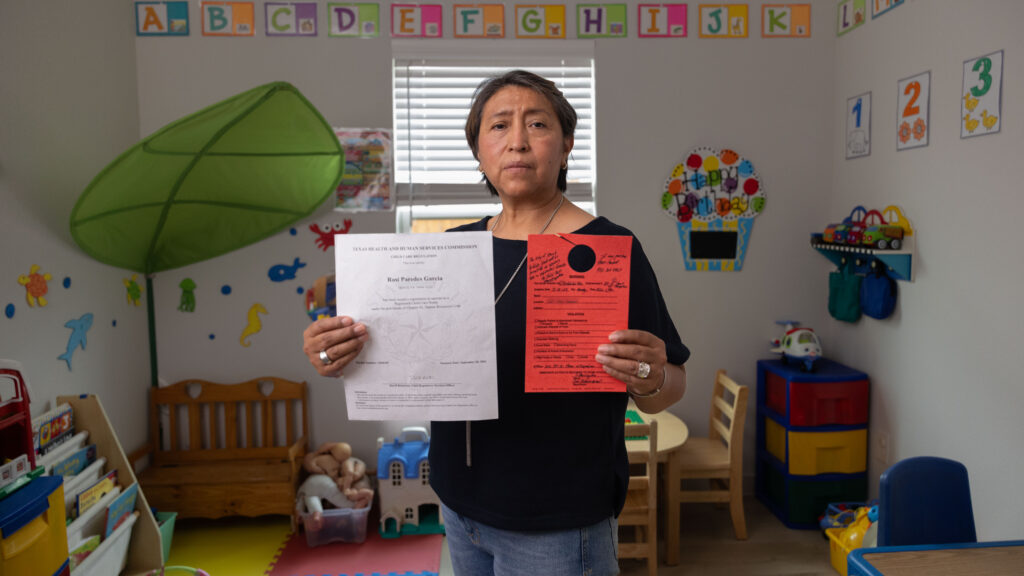
Texas Woman Fights City’s Unconstitutional Ban on Home Daycares
The Case Rosi Paredes took all the right steps to open a daycare from her home in Venus, Texas. She was inspected, tested, and registered by the state. She made sure…

Economic Liberty | Education Entrepreneurship
Education Entrepreneur Fights for Her Innovative Hybrid School
Katy Duckstein runs a hybrid homeschool program in Pennsylvania, but the state wants to bury her in red tape.
Cosmetology | Economic Liberty
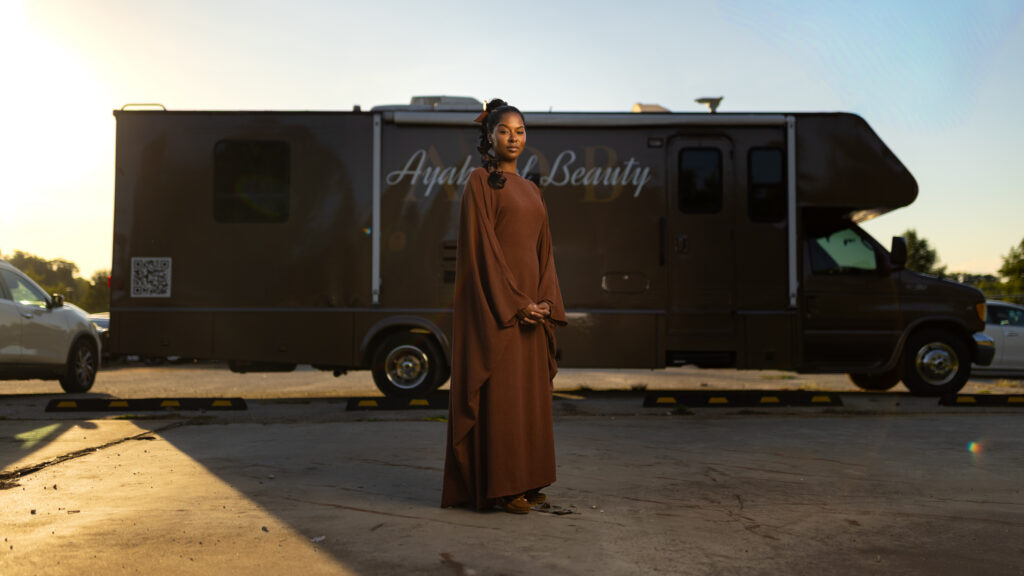
South Carolina Mobile Beauty
The Case Brandi Rosemond wants to run a mobile beauty salon. And she’s done everything you’d expect to get her business off the ground. She went to beauty school and learned…
