Private Property
Arizona small business files federal lawsuit challenging seizure of money by federal agents
- Case Name
- Ayala Cruz v. DHS, et. al.
- Issue Areas
- Status
- Active Cases
- Location
- Phoenix, Arizona
- Date Filed
- October 20, 2026
The Case
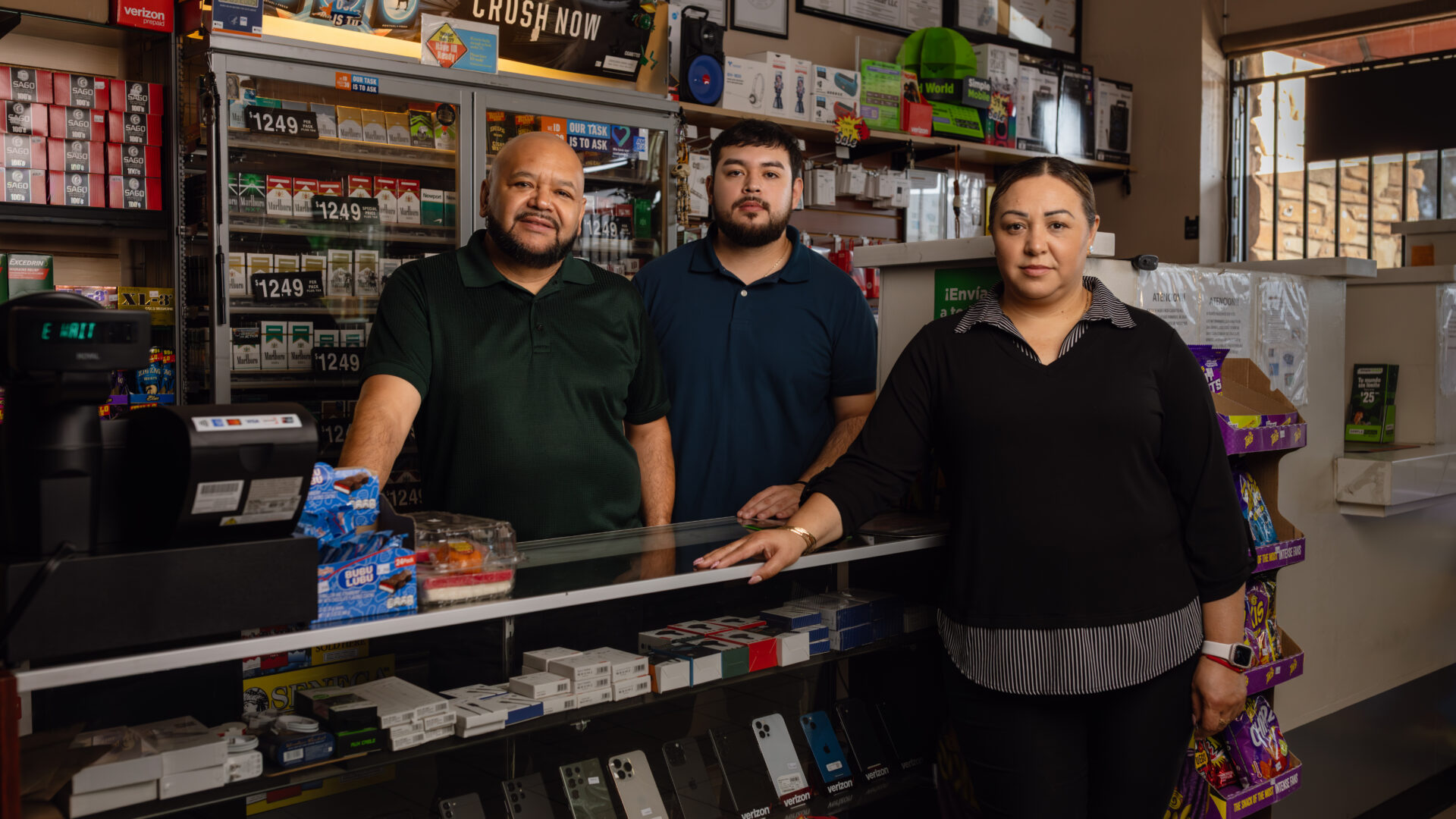
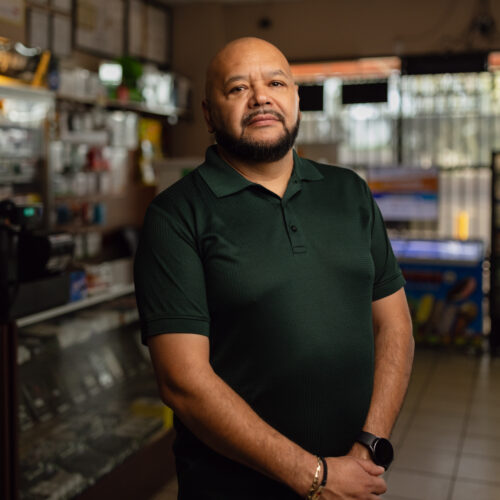
On the morning of Feb. 25, 2025, Mario Ayala was in Mexico visiting his dying father.
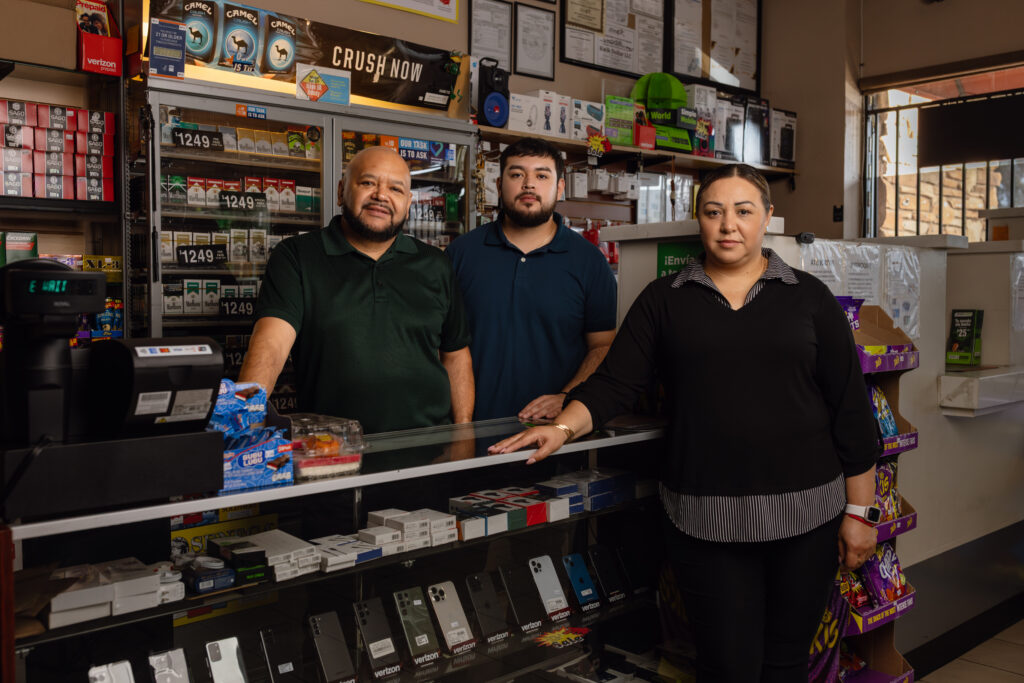
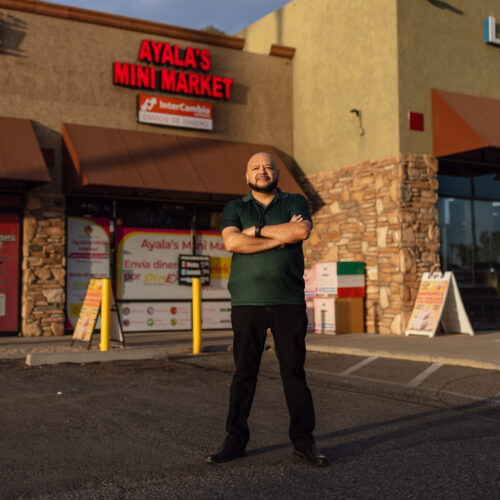
Unfortunately, Mario had to cut that trip short. The reason? Federal agents raided his small family business in Glendale, Arizona, taking money, property and paperwork.
That morning, agents from Homeland Security Investigations (HSI), a division of Immigration and Customs Enforcement (ICE) and the Internal Revenue Service (IRS) carried out coordinated raids of 19 Phoenix-area money services businesses (MSBs), which are small cash-based businesses that provide basic financial services to largely working class and disadvantaged communities. During the raids, the agents seized money, documents, computers, and even personal cell phones. When they left, the agents said the business owners would receive information soon on how to get their property back. That never happened.
Now, more than a year and a half later, Mario is done waiting. He’s teamed up with the Institute for Justice (IJ), to fight back in federal court.
The continued seizure of Mario’s property violates the Fourth Amendment of the Constitution and federal law. Federal courts recognize that, even if the original search was justified, continuing to hold property indefinitely without a strong justification violates the Fourth Amendment. Here, HSI and the IRS also flouted federal requirements they must follow when seizing property. Simply put, the government doesn’t get to seize first and explain never.
Case Team
Client
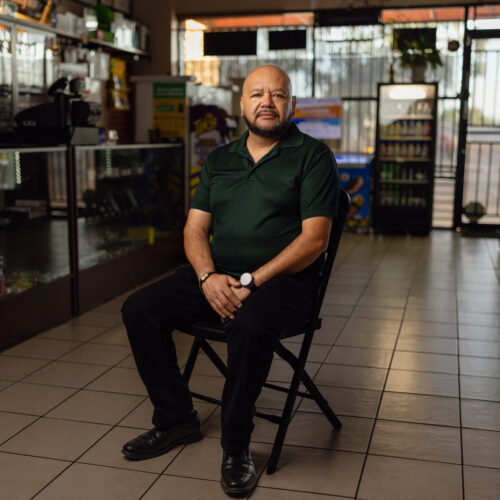
Mario Ayala
Client
Attorneys

Betsy Sanz
Attorney

Kirby Thomas West
Senior Attorney

Katrin Marquez
Attorney and Elfie Gallun Fellow in Freedom and the Constitution

Paul Avelar
Managing Attorney of the Arizona Office
Staff

Dan King
Assistant Director of Media Relations

Cara Di Silvio
Paralegal
Media Resources
Get in touch with the media contact for image resources, press releases, and interview requests.
Media Images




Case Documents
Case Summary
Money Services Businesses Provide Vital Financial Services to Disadvantaged Communities
Money services businesses are older than the modern banking system’s reach. Before Venmo and ACH transfers made moving money instant, sending money to someone was difficult. Western Union and the telegraph made it easier in the 1870s, but the only other option was carrying cash. In the century and a half since, storefront money transmitters, check cashers, and currency exchanges have filled the gap for people the banking system did not serve.
They still do. Opening a bank account is not simple for everyone. It can require a government-issued photo ID, a Social Security number or Individual Taxpayer Identification Number, a minimum balance, and a clean record in the screening databases banks use to approve new customers. Millions of American households either can’t clear those hurdles, live in neighborhoods where the nearest branch is miles away, or have reasons to not trust banks. 1 For them, an MSB isn’t a convenience—it’s the financial lifeline that lets them cash a paycheck, pay a bill, or send money home. The FDIC recognizes that “MSBs fill a need in many communities”—providing “convenient access to financial services in many neighborhoods with few or no bank branches.” 2
Like other financial institutions, MSBs are extensively regulated by federal and state government agencies and must have robust anti-money laundering measures in place. MSBs deal substantially in cash because cash is at the core of their services. To be able to cash a check or exchange currency, an MSB must have cash on hand. Put differently, MSBs deal in cash for the same reason grocery stores stock food—it’s the product. And because substantial amounts of cash flow through MSBs, they face regulatory scrutiny: registration, compliance programs, and mandatory reporting of suspicious activity.
Entrepreneur Mario Embodies the American Dream by Opening His MSB
There is high demand for MSB services in disadvantaged neighborhoods throughout the Phoenix area. And for Mario Ayala that demand created an opportunity to support himself and his family, and to provide vital services for his community.
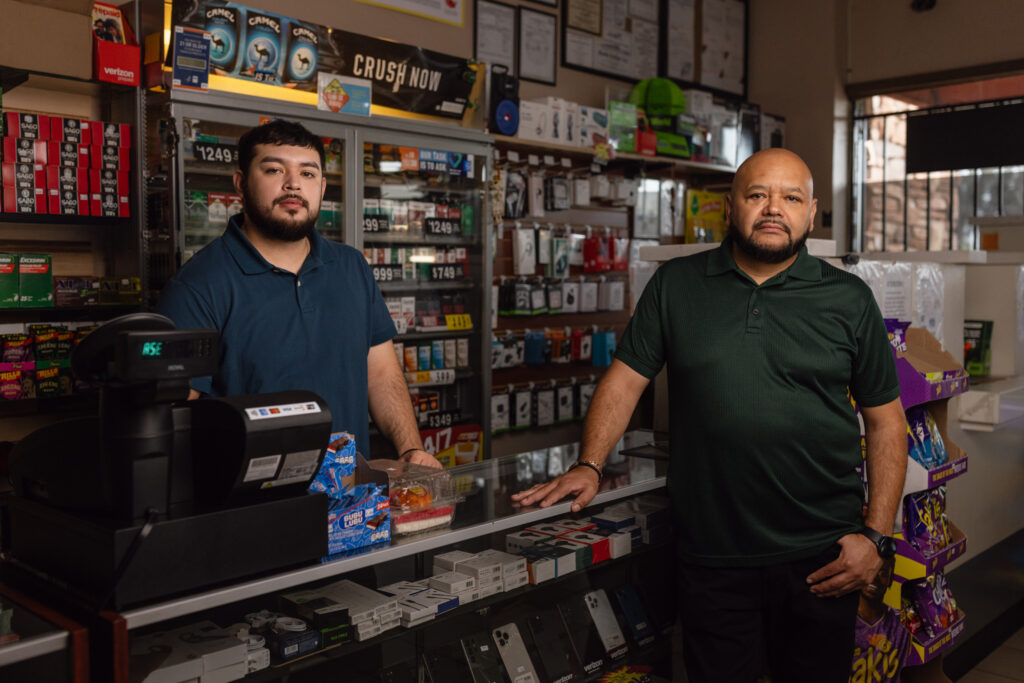
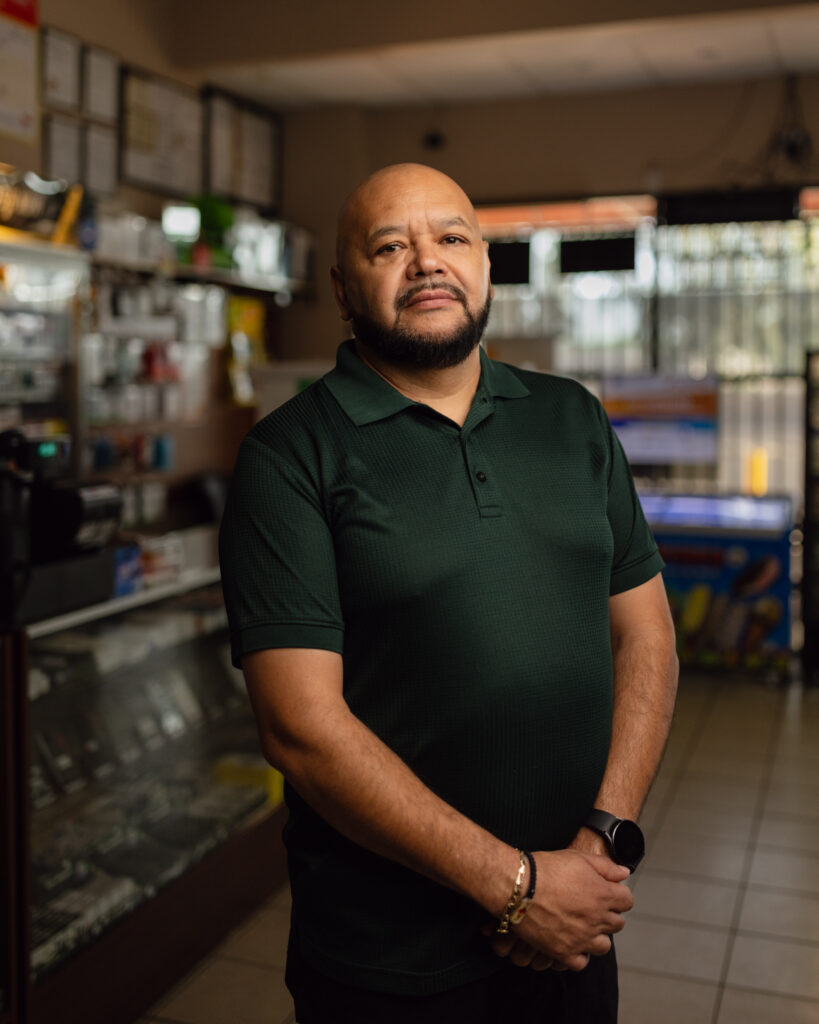
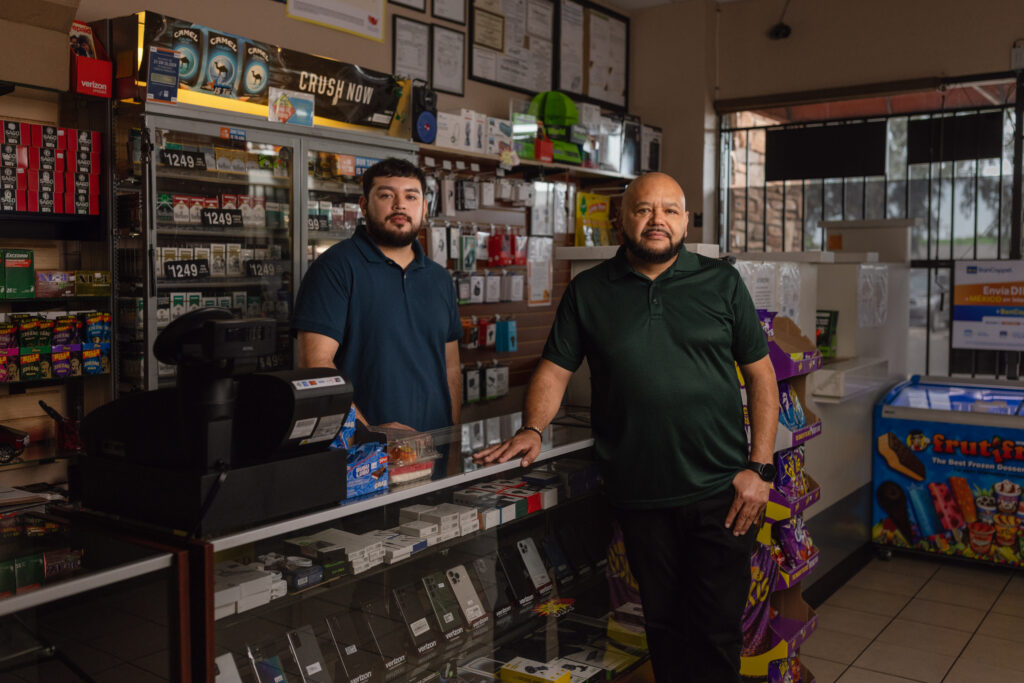
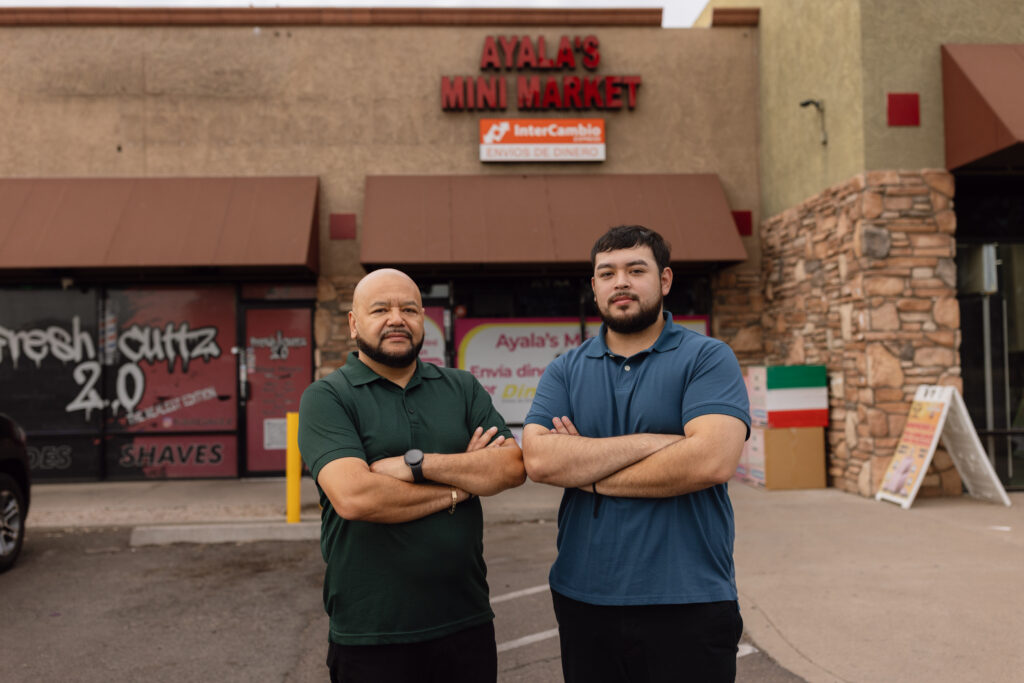
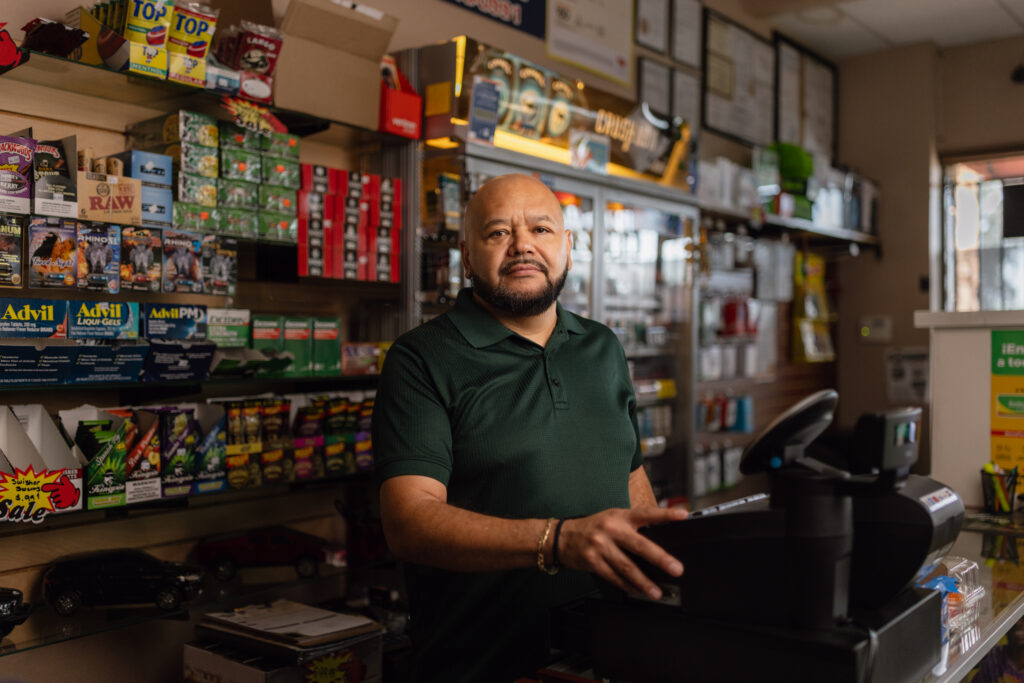
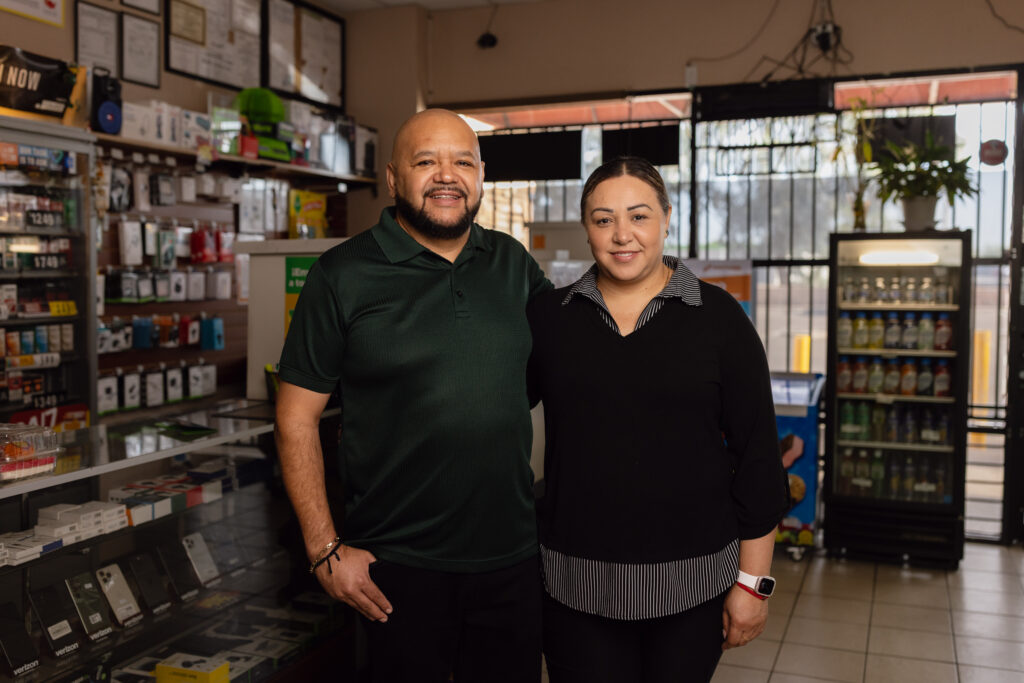
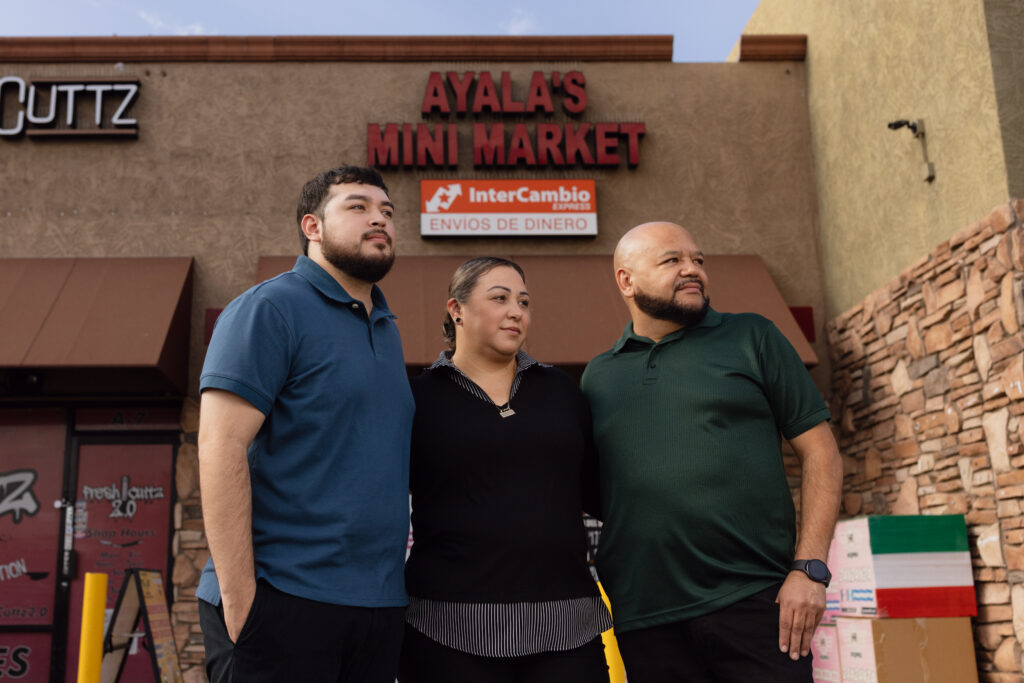
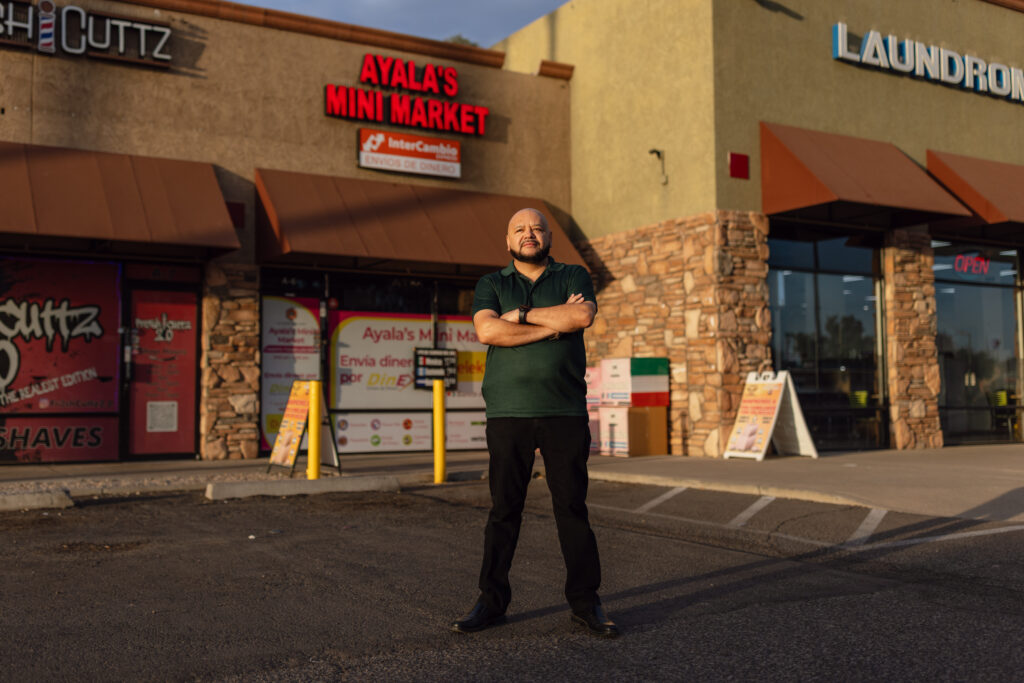
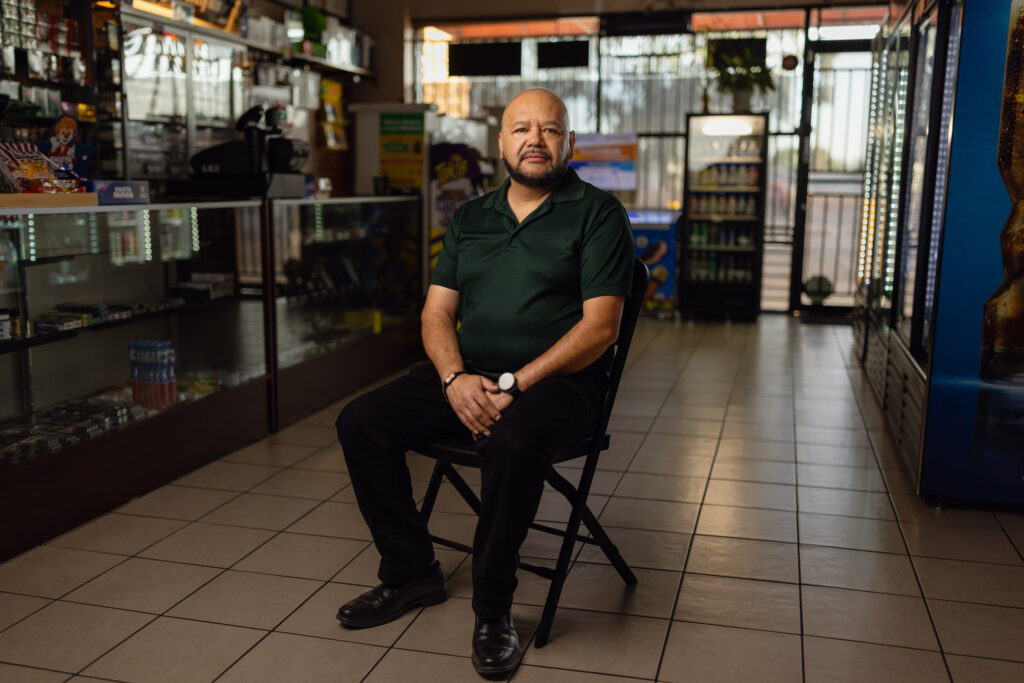
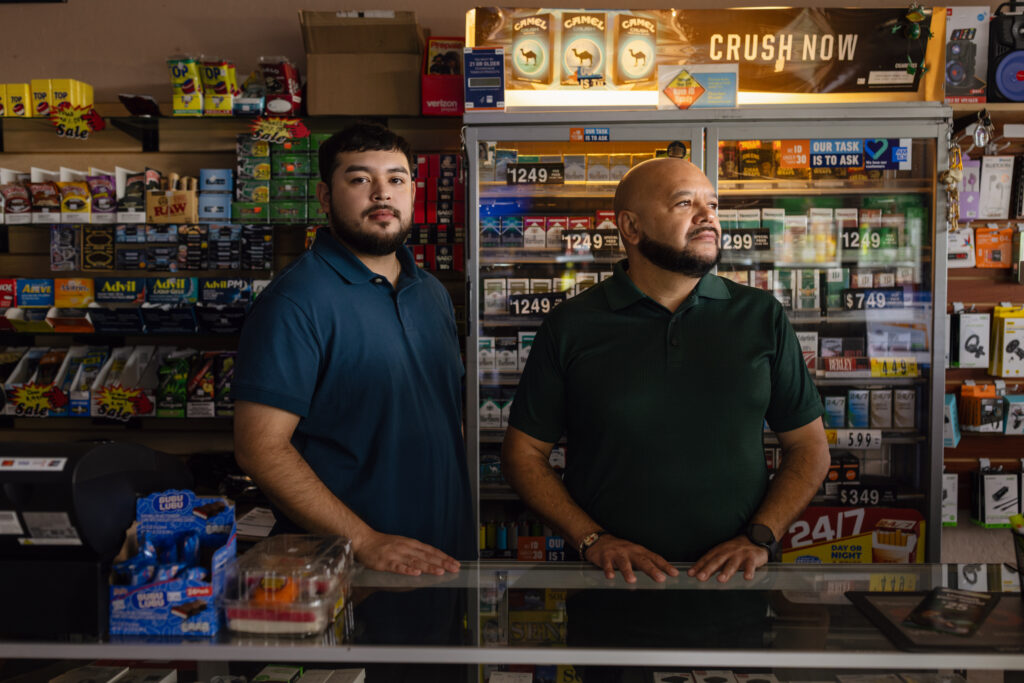
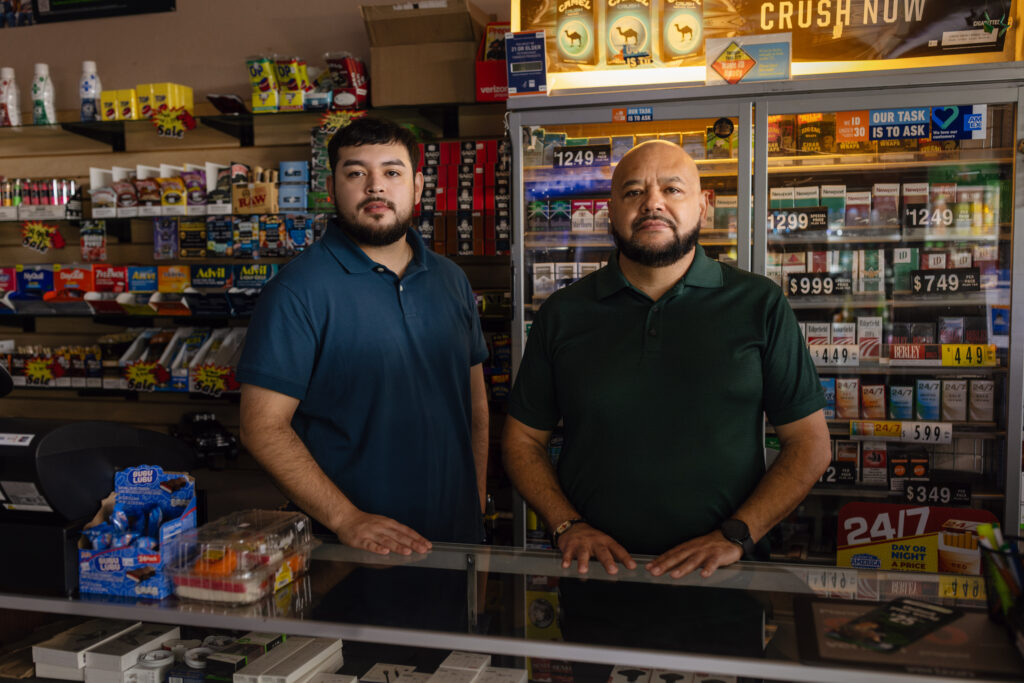
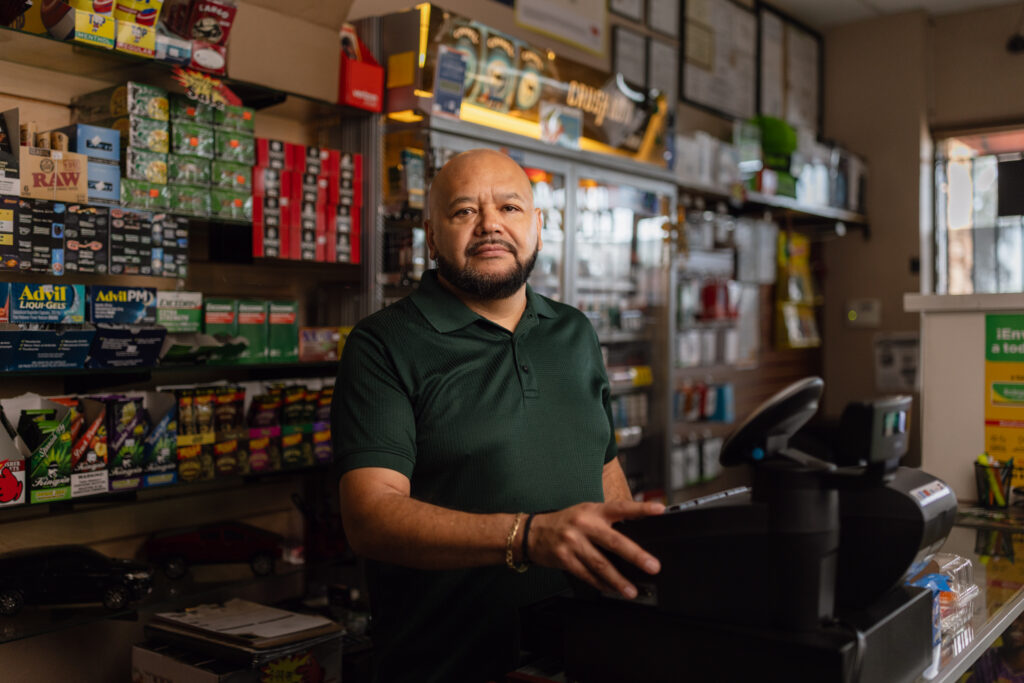
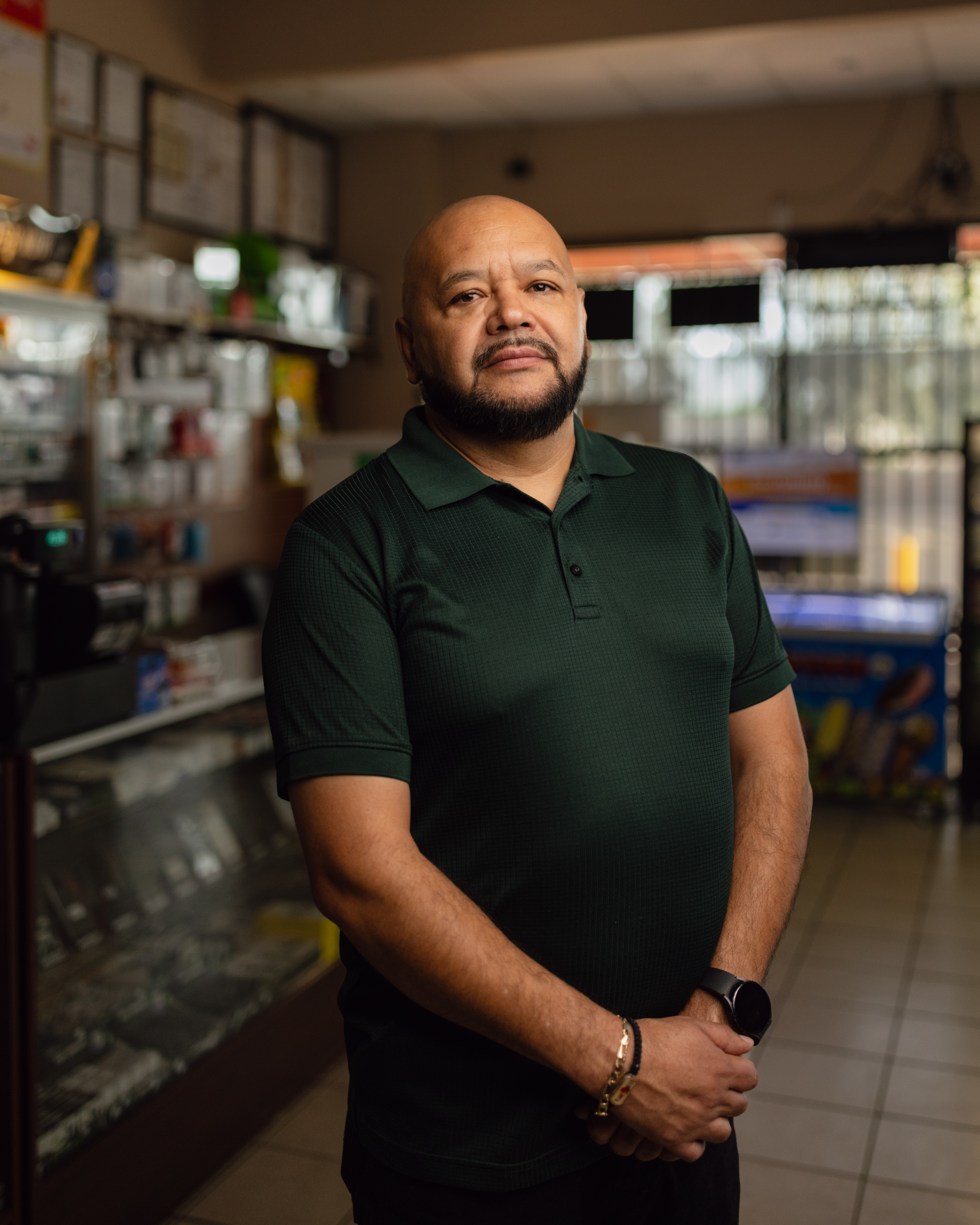
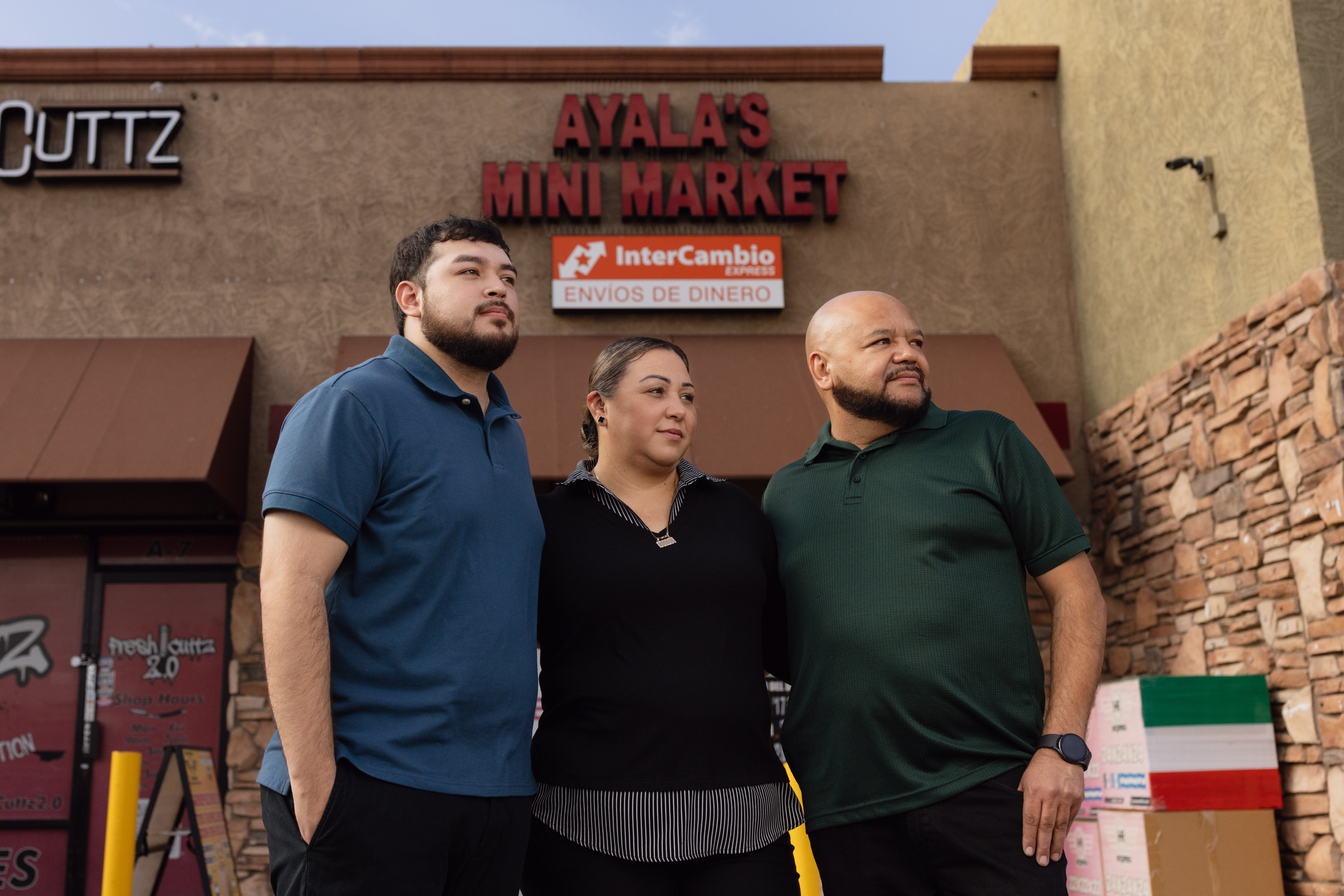
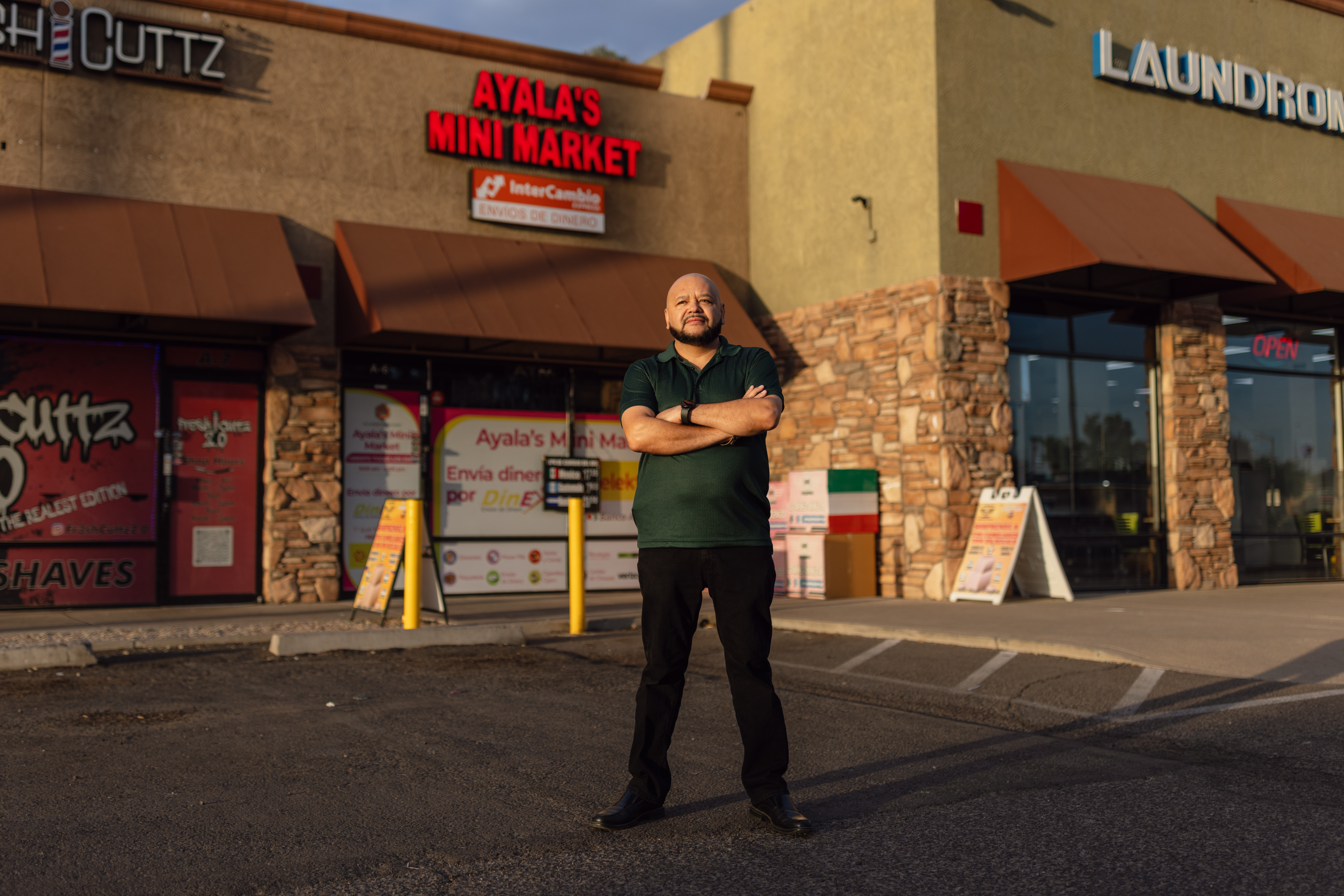
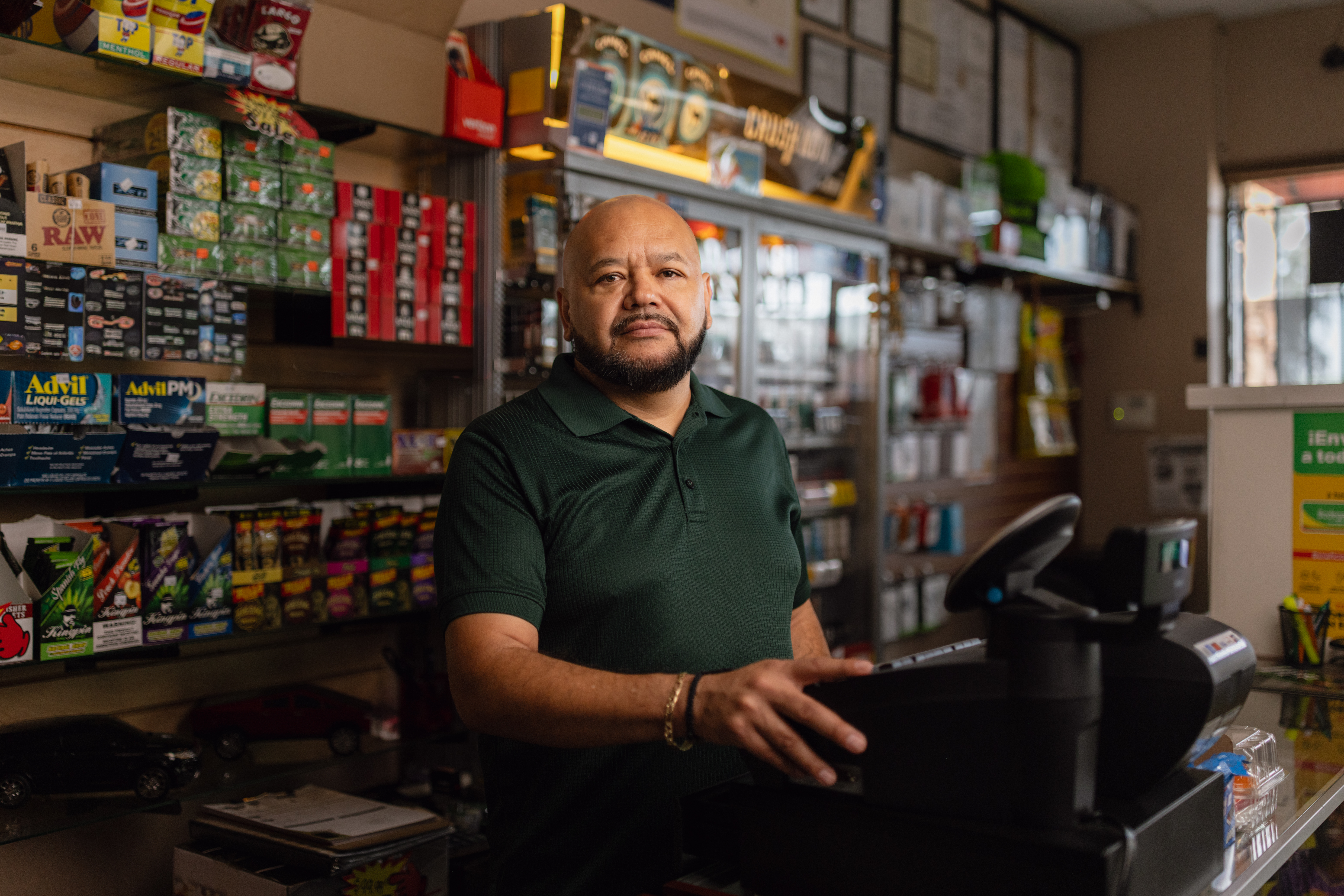
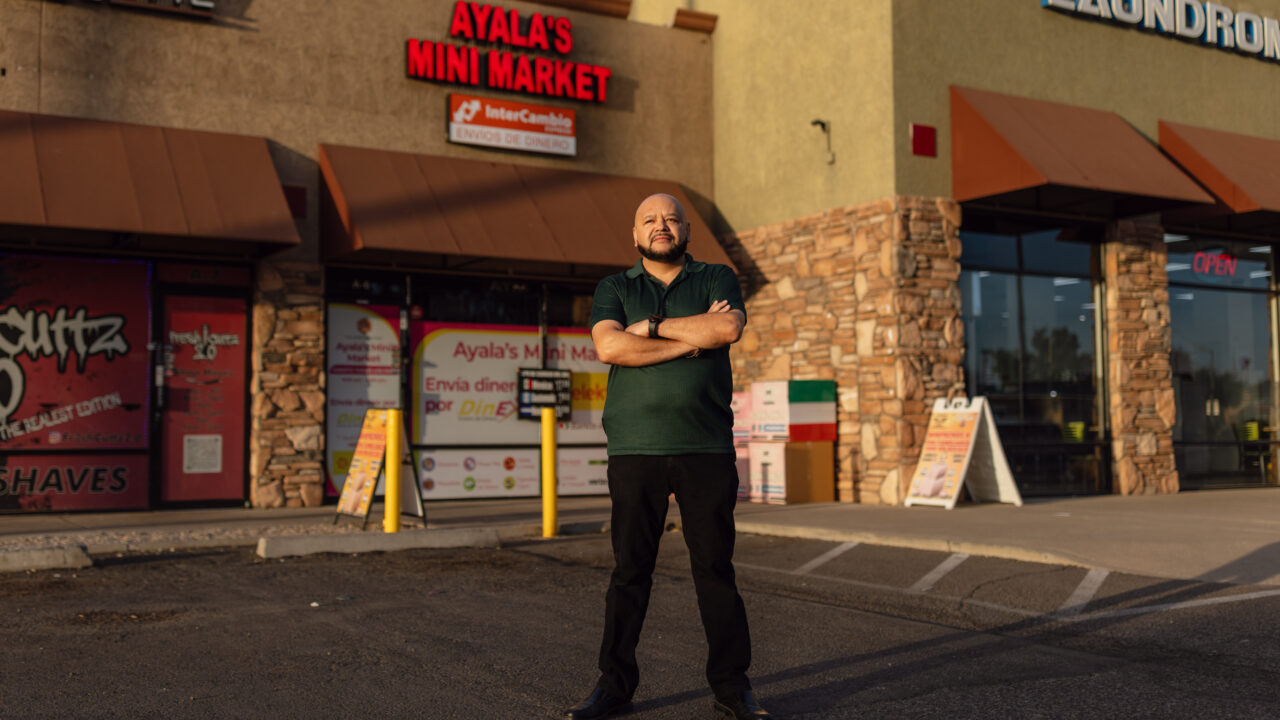
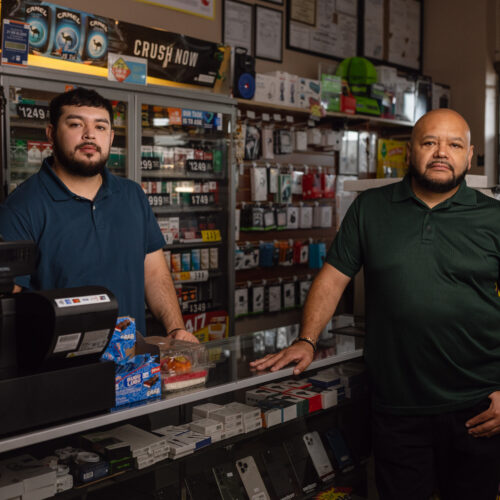
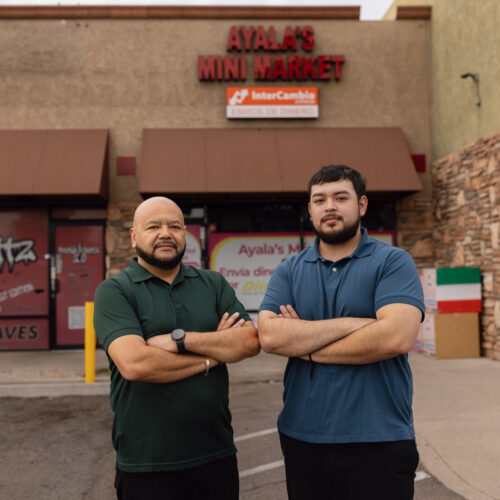
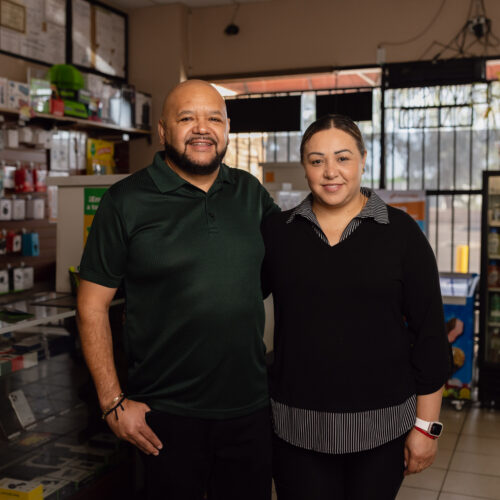
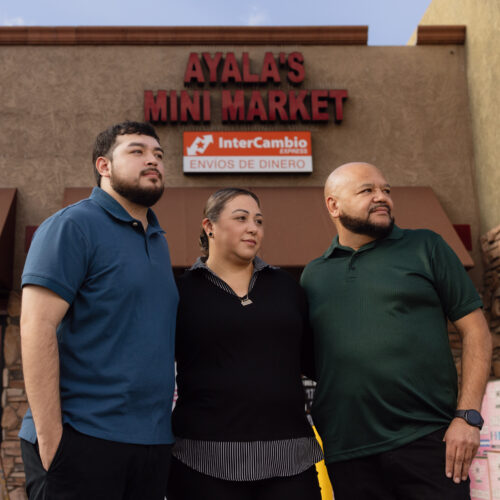
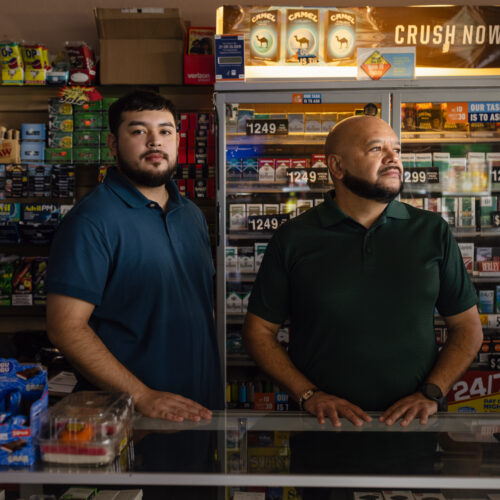
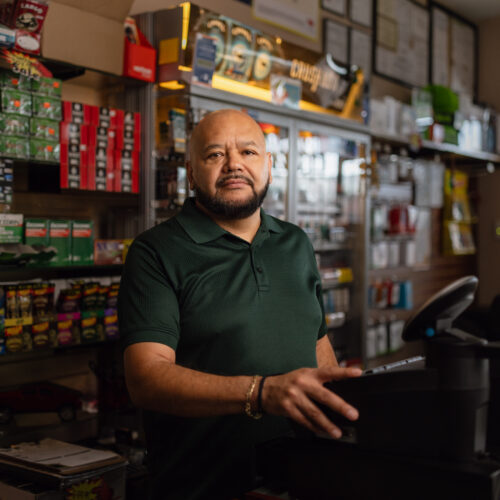
Mario, who is now a legal permanent resident of the United States, came to the U.S. from Mexico seeking a better life in 1991. After years of working in convenience stores, he decided to take the leap in 2018 to open his own store: Ayala’s Mini Market LLC in Glendale. After decades of working for others, opening Ayala’s Mini Market was a dream come true for Mario. At his store, Mario offers convenience store products, shipping services, and the money services of check cashing and money transfers. Though Mario is the sole owner of Ayala’s Mini Market, it is very much a family business. He works at the store alongside his wife of nearly 30 years and their three children.
Federal Agents Aggressively Raid Mario’s Small Business, Seize Everything, and then Disappear
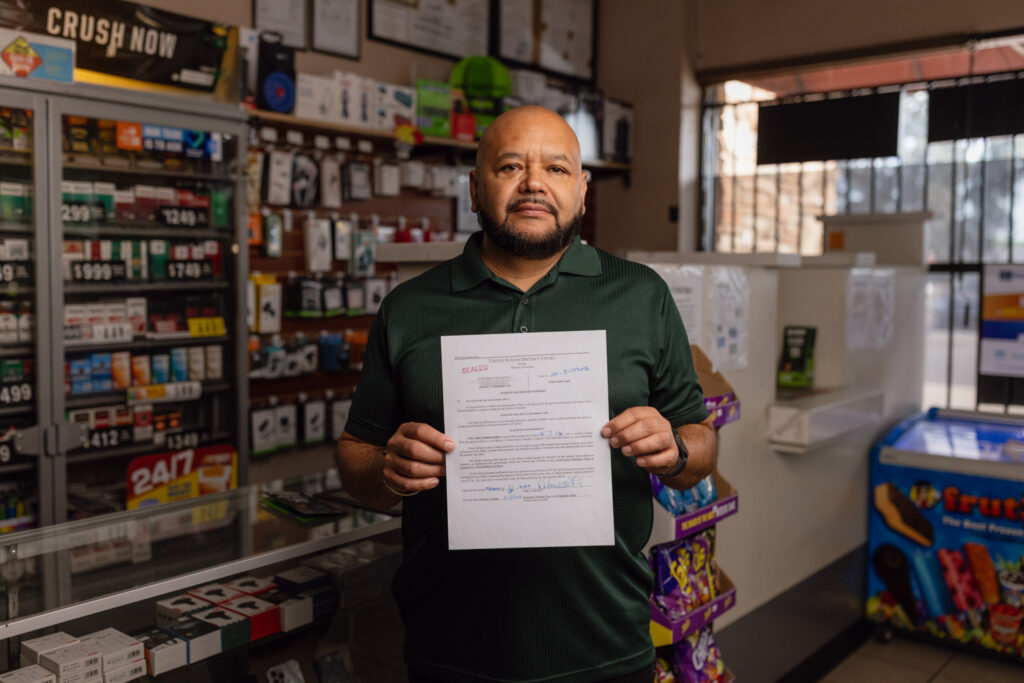
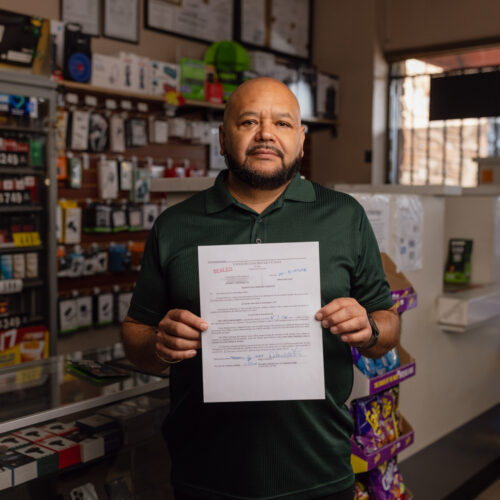
On an otherwise normal Tuesday in February 2025, armed agents from HSI and the IRS swarmed Ayala’s Mini Market. They presented a search warrant marked “under seal.” The agents then searched the store for hours, interviewed the employees about structuring, the crime of breaking up large transactions into multiple smaller transactions to avoid federal reporting requirements, 3 and bagged and seized cash and equipment. The agents left an inventory list indicating what they took (but not specifying the dollar amount of the cash or checks) and said they would follow up with more information soon.
This was part of coordinated raids of 19 small businesses offering MSB services in the Phoenix area. 4 According to public statements from the government, agents seized more than $500,000 from the raids. 5 A spokesperson claimed that the information collected during the raids would need to be analyzed as part of a financial investigation of “illicit” businesses. 6 But that explanation makes little sense in light of what actually happened on the ground: When the agents left Mario’s business that day, they said that he could continue operating as usual, with no apparent concern for possible illegality of his operation.
Operating as usual hasn’t been a realistic option for Ayala’s Mini Market since then.
The raid and seizures at Ayala’s Mini Market had devastating personal and financial impacts on Mario and his family. At the time of the raid, Mario had been visiting his sick father in Mexico, so his wife and eldest son were manning the store. In addition to the general stress from having armed agents swarm the small business without apparent cause and taking everything—cash, checks, equipment, business documents, and even their personal cell phones—they were traumatized by how the agents treated them. Mario rushed back to Arizona to deal with the fallout. In doing so, Mario missed the opportunity to say goodbye to his father, who passed shortly after. Mario had to empty his personal savings to stay in business. But since he didn’t have enough cash on hand to cash checks for everyone who came in, he had to turn away customers that never returned. The business is now stable but has never fully recovered.
At the end of the raid, the agents assured Mario’s wife and son that the businesses would receive information soon explaining next steps. So, they waited. And waited. No information ever came.
It’s been over a year and a half of silence.
This small business owner has tried to find a way for his property to be returned. Mario spoke to lawyers in the hopes that one would be able to help. Because the warrant was marked “under seal,” none knew how.
The Continued Seizures Violate the Fourth Amendment and Federal Law
It is unconstitutional for the government to take property from innocent third parties, like Mario, and then just disappear. The Fourth Amendment protects the right to be free from “unreasonable searches and seizures.” 7 Federal courts have recognized that, even in cases where the original search may be permissible, a continued seizure is unreasonable, and therefore violates the Fourth Amendment, once the original justification no longer applies. 8 That is what happened here: Even if the original search was justified because some yet-to-be-identified person was suspected of using these MSBs for structuring, there is no constitutional justification here for the government to hold Mario’s property indefinitely.
The fact that MSBs like Ayala’s Mini Market deal largely in cash does not make the continued seizure any more reasonable. Cash is not criminal. Nor is cash probable cause. If anything, the fact that most of the seized property is cash makes the government’s case for continued retention weaker, not stronger. While the government sometimes justifies continued seizures by arguing that the property is being held for evidence, there is no evidentiary value in seized cash. The continued seizure of non-cash property is also unreasonable since documents and data could have been copied and then promptly returned. Any evidentiary value could have been retained and the physical property returned quickly.
What the government did here also violates other federal laws. The Civil Asset Forfeiture Reform Act (CAFRA) reformed the process for civil forfeiture—the legal mechanism that allows the government to seize property it alleges is connected to criminal activity even when the property owners haven’t been convicted of, or even charged with, a crime. Under CAFRA, the government has a 60-day deadline to send forfeiture notices. 9 That deadline is long past.
These seizures also violate the Clyde-Hirsch-Sowers Act. Under the Clyde-Hirsch-Sowers Act, the IRS is barred from seizing property where the only offense for which there is probable cause is structuring. 10 The Act also requires the IRS to give property owners a prompt post-seizure hearing and to notify property owners of their right to that hearing within 30 days of the seizure. The IRS worked alongside HSI to carry out these seizures, relying on warrants that cited suspicion of structuring alone. The IRS then failed to provide the required notice and hearing. The IRS cannot avoid these requirements by enlisting the help of another federal agency.
The Claimants
The Claimants in this case are Mario Ayala and his business, Ayala’s Mini Market, LLC.
The Respondents
The Respondents in this case are HSI and IRS.
The Litigation
For this litigation, Mario is moving for the return of his property pursuant to Rule 41(g) of the Federal Rules of Criminal Procedure before the United States District Court for the District of Arizona. He is also filing claims under the Federal Tort Claims Act. Victory in this litigation will establish that the government can’t seize first and explain never, reaffirm the importance of hard-won forfeiture reforms, and ensure that federal agencies are held accountable for unconstitutional and unlawful seizures.
The Litigation Team
The litigation team consists of IJ Senior Attorney Kirby Thomas West, IJ Attorneys Betsy Sanz and Katrin Marquez, and IJ Bingham Fellow Eliana Fleischer. Paul Avelar, the Managing Attorney of IJ’s Arizona Office, serves as local counsel in the case.
About the Institute for Justice
The Institute for Justice (IJ) is a national public-interest law firm that defends constitutional rights across the country, especially on behalf of small business owners. This litigation falls at the intersection of three of the Institute’s long-term goals: enforcing the protections of the Fourth Amendment, ending civil forfeiture abuse, and ensuring federal government accountability for violating constitutional rights. IJ’s Project on the Fourth Amendment seeks to ensure the right to be secure from unreasonable searches and seizures. As part of that effort, IJ represents four MSBs—the same types of businesses impacted in this case—in California and Texas in challenges to financial surveillance orders impacting certain communities near the U.S.-Mexico border. IJ has also successfully represented security deposit box holders who had their boxes wrongfully searched and seized by the FBI. IJ’s efforts to end forfeiture abuse have resulted in significant litigation and legislative wins, including helping pass the Clyde-Hirsch-Sowers Act. Indeed, Jeff Hirsch and Randy Sowers are IJ clients who fought back after the IRS seized their accounts for alleged structuring. Finally, the Project on Immunity and Accountability’s efforts to ensure the Federal Tort Claims Act remains a viable mechanism to hold federal agents accountable led to a Supreme Court victory in Martin v. United States in 2025.