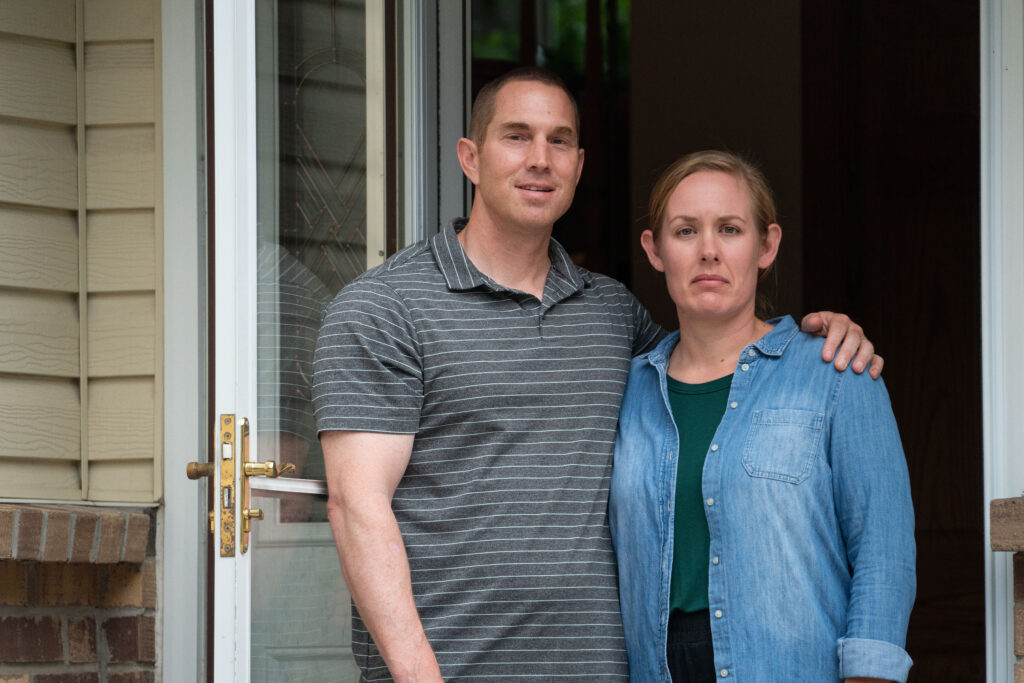
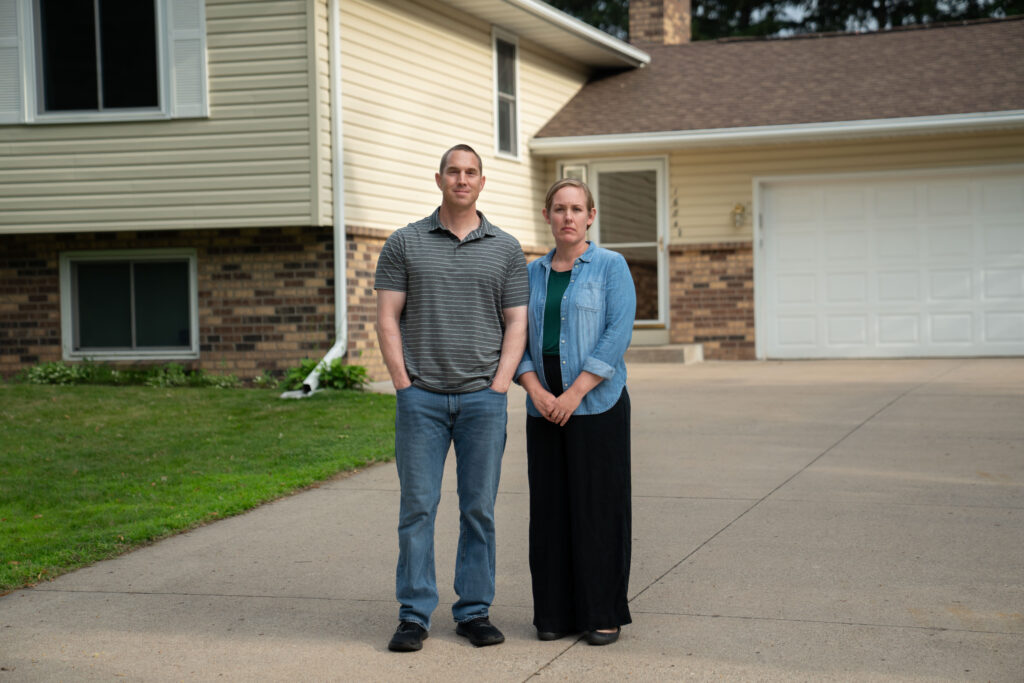
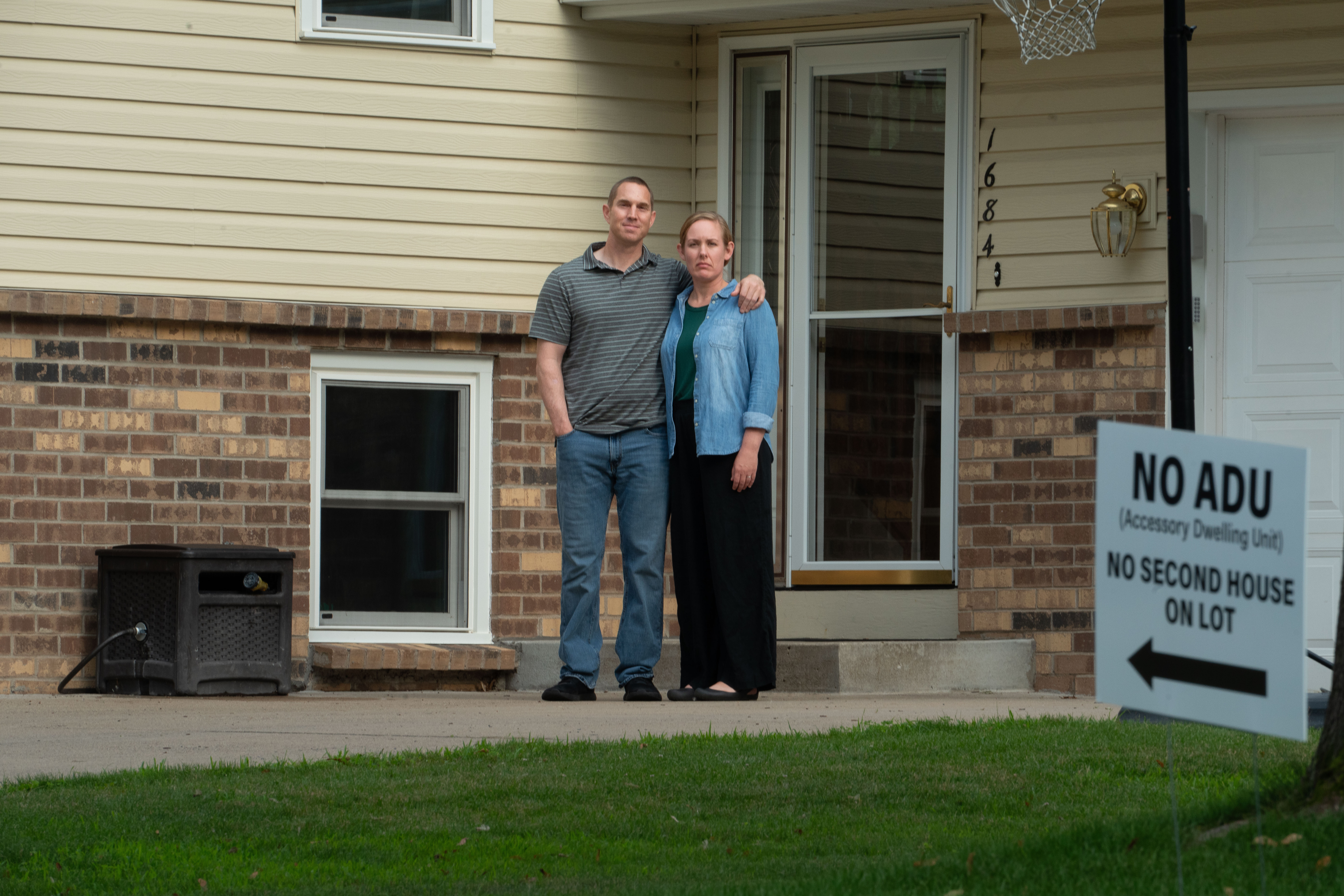
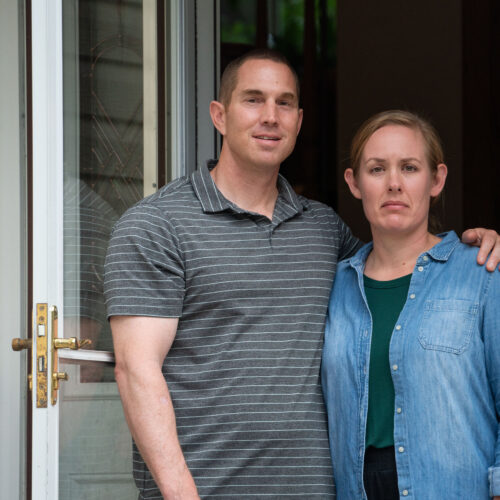
Alex and Lynda Pepin believe in using what they have to help others.
So when their hometown—Blaine, Minnesota—recently passed a law allowing homeowners to build backyard homes (known as accessory dwelling units, or ADUs), they saw an opportunity to help. Motivated by their faith and years of work with local nonprofits, the Pepins decided to build an ADU behind their home in order to rent it out at a below-market rate to a family down on their luck. Their goal was simple: provide safe, stable housing to help a struggling family get back on their feet.

The Pepins followed the law to the letter. They hired an architect, submitted detailed building plans, and made sure their application complied with every rule. The city reviewed the application and found no issues. And Blaine’s own Planning Commission agreed, voting to approve the permit.
But then neighborhood opposition mobilized.
Rumors spread that the Pepins were building a homeless shelter or would house people with criminal backgrounds. None of it was true—the Pepins live just feet away with their kids, and their ADU would be rented to one family screened by a local nonprofit. Still, the pressure campaign worked. When the permit came before the Blaine City Council, they rejected it, claiming—without explanation—that the project violated the unwritten “intent” of the law.
Now, the Pepins are fighting back. With help from the Institute for Justice, they’ve filed a lawsuit to force the city to follow its own law—and stand up for the right to use their property to do good.
Case Team
Client

Alex and Lynda Pepin
Client
Attorneys

Ari Bargil
Senior Attorney

Joe Gay
Attorney
Staff

J. Justin Wilson
Vice President for Communications
Media Resources
Get in touch with the media contact for image resources, press releases, and interview requests.
Media Images

The Pepins and Their Plan
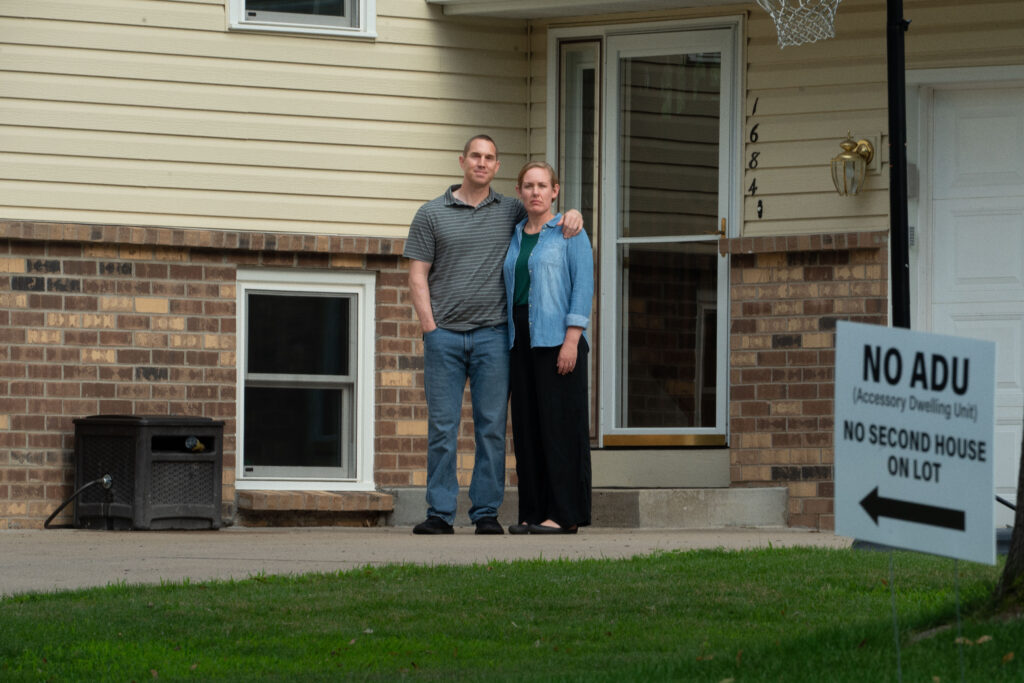
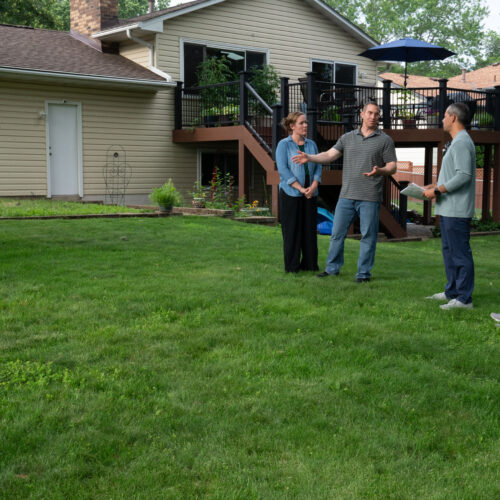
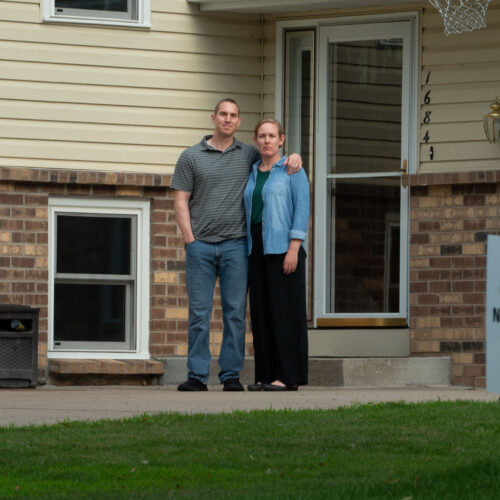
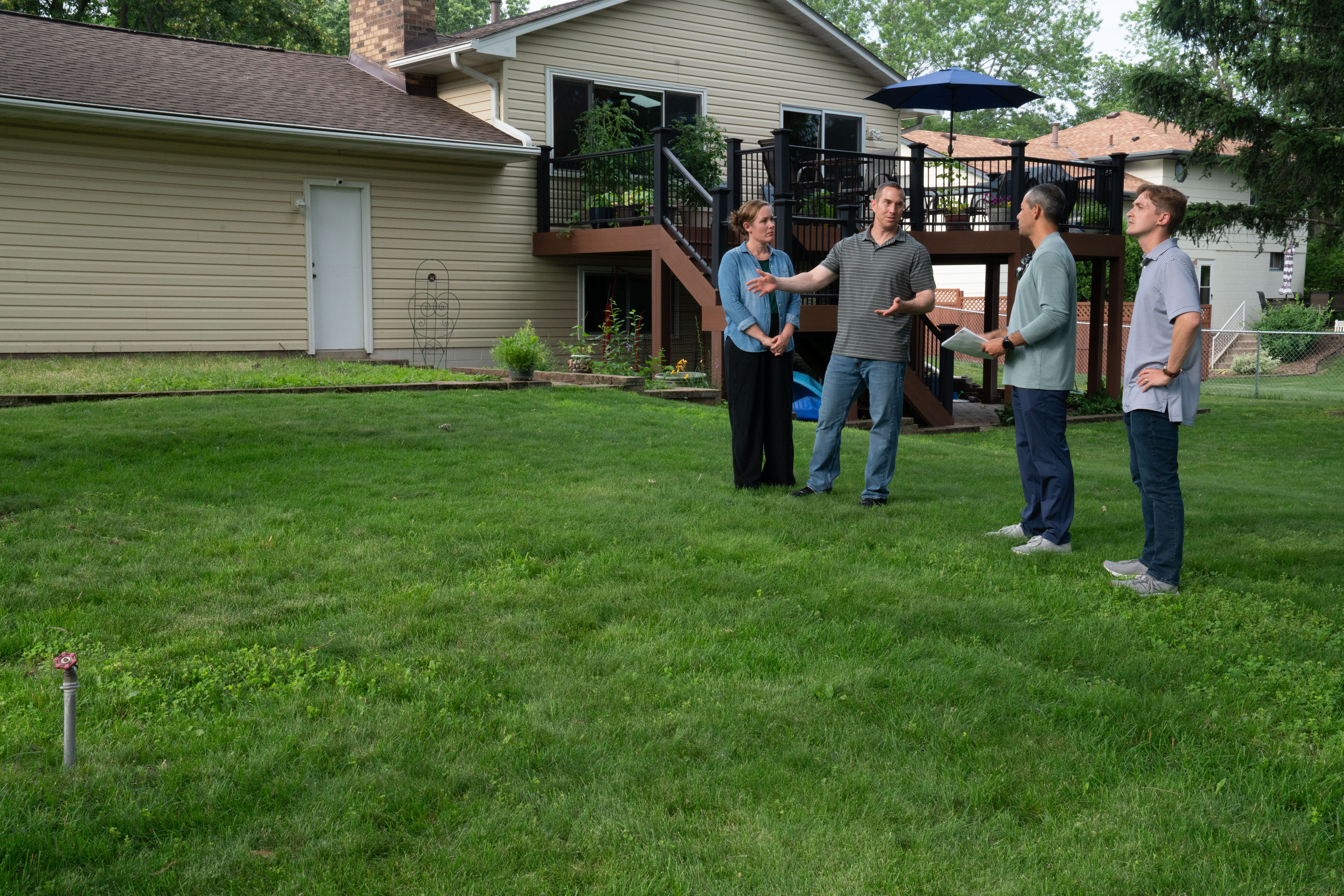
Alex and Lynda Pepin live in a residential neighborhood in Blaine, Minnesota, a suburb of Minneapolis. The Pepins are raising their three children on a tree-lined street. Recently, the family decided to build an accessory dwelling unit, or ADU, in their own backyard. ADUs—commonly nicknamed “mother-in-law suites”—are usually small structures built behind homes to provide a little extra living space. ADUs offer a place to live for people who don’t need or can’t afford an entire house, such as elderly relatives or young families. Other times, they are simply used as a work-from-home office or workshop. More and more cities across the country have legalized ADUs to alleviate housing shortages.

Motivated by their faith-based commitment to serve others, the Pepins decided to add an ADU to their property—with a two-step plan already in mind. In the near term, they want to extend a hand to a local family facing homelessness—a family they know through a nonprofit that helps vulnerable households secure stable housing. The prospective tenants will first be screened by that nonprofit and then interviewed by Alex and Lynda themselves. Once accepted, the family will pay the Pepins a below-market rent until they regain stability, such as finishing a degree or saving for permanent housing. In the longer term, the ADU is intended to become a comfortable home for a grandparent.
Housing in Blaine
Like much of the country, both the cost of housing and difficulty of finding a home have risen in recent years in Blaine.[1] Anoka County ranks near the top in all of Minnesota for the highest housing costs.[2] A lack of affordable housing compounds the danger for local families who face sudden emergencies or financial setbacks. With few affordable places to live, those emergencies or financial setbacks—especially for families without a support system around them—can lead to temporary homelessness.
This is the exact problem the Pepins seek to address with their ADU. They want to provide both affordable housing and a support system for a family in need. The Pepins have experience housing people who are working their way out of hard times. Through their involvement in nonprofits over the years, they’ve provided secure housing for multiple families at a nearby home with a heavily discounted rent.
Opposition Arises
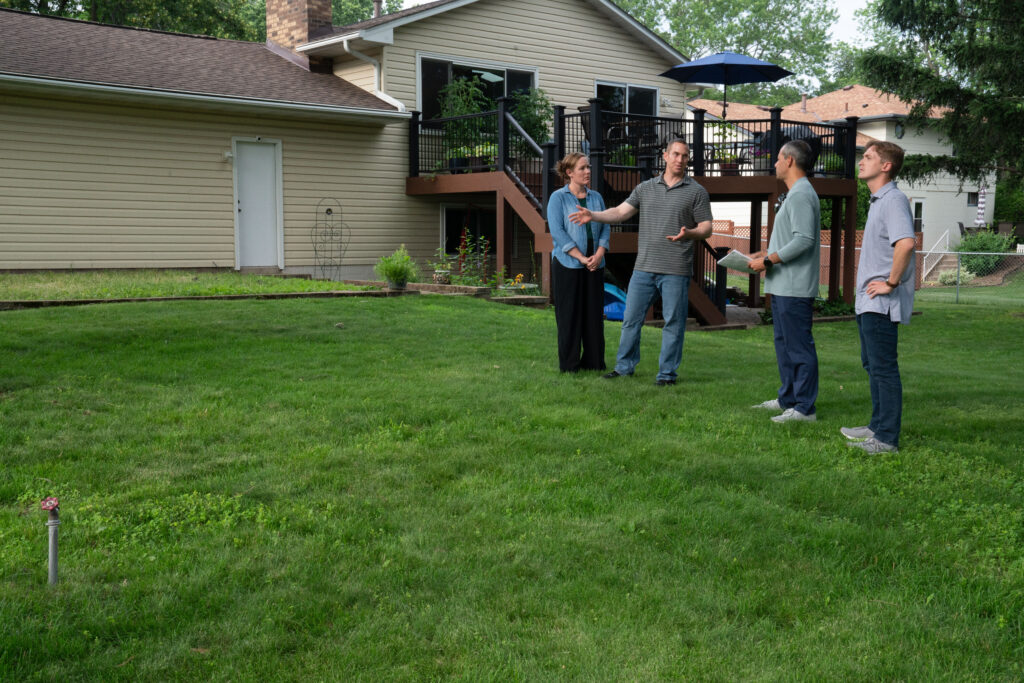
A few years ago, Blaine passed a law allowing homeowners to build ADUs. Blaine’s lawmakers cited the same reasons for legalizing ADUs as many other cities: allowing safe, affordable housing for people who need it in an era of high housing prices. Relying on Blaine’s law, the Pepins put together building plans using their own money. Alex reviewed the city code, hired an architect, and crafted an application to build the ADU. The Pepins’ permit application meticulously met every legal requirement to build an ADU: restrictions on height, number of bedrooms, total square footage (616), occupancy, setbacks, roof pitch, architectural style, parking accommodations, and more.
During the approval process, however, some neighbors got wind of the Pepins’ plans and organized resistance to show up to the planning meetings and oppose the permit.
The opposition was upset that the Pepins’ property, with an ADU, could accommodate more than one traditional family—despite the fact that city law allows it and that ADUs, as modest additions that fit in many people’s backyards, fit into the so-called “residential character” of the neighborhood. The opposition also made several inaccurate accusations about the Pepins—like suggesting they were trying to open a homeless shelter behind their house or planned to rent to drug addicts and criminals.
That was, of course, wrong. The Pepins live less than 20 feet away in the primary house with their children, and they have no interest in hosting a homeless shelter in their backyard. And, in any case, the Pepins can only legally build one ADU on their property, which by law cannot house more than four people. So despite the opposition’s unfounded suggestion that the Pepins’ ADU would degrade the neighborhood, the Blaine Planning Commission recognized that Alex and Lynda’s application met all the city’s requirements and voted to recommend that their permit be approved.
The City Council Says No—And Ignores Its Own Law
The last step was the city council. With the planning commission’s approval in hand, the Pepins hoped the city council would give them the green light. There, they met a dead end.
During a city council meeting on May 5, Mayor Sanders acknowledged that the Pepins were entitled to the permit: “Is this applicant allowed to put an ADU in their backyard right now? Yes, they are. Yes, they are. They are allowed to do that under the ordinance.” But the mayor and several council members claimed that the Pepins’ plans conflicted with the unwritten “intent” of the city’s ADU law. The council questioned whether ADUs in Blaine were ever intended to house non-family members or be rented for any amount—even though the plain terms of the city’s law authorize both of these things.
No one argued that the Pepins’ ADU posed any risk whatsoever to public health or safety—the legal justification for zoning laws. Instead, several council members, searching for a basis on which to deny the application, suggested that any addition of more housing to a single-family neighborhood—even a small ADU that fits in someone’s backyard—wouldn’t be in harmony with the surrounding area.
Ignoring its own law, the Blaine City Council voted 5-2 to deny the Pepins their permit. The council failed to write down its reasons for denying the permit, as required by Minnesota law to inform property owners why their application didn’t meet the legal requirements. It simply stamped “Resolution Failed” on the Pepins’ application.
Legal Claims
The government has to follow the law. City officials can’t invent reasons to deny permits that conflict with explicit protections for property rights. This is especially true when, as in this case, a city council sits in a quasi-judicial capacity—meaning it must only evaluate whether or not a permit application meets the legal requirements to build. Under Minnesota law, when a property owner meets all the requirements to build on their property, the government can’t arbitrarily deny them the right to build. The Pepins are asking a state court to order Blaine to issue the ADU permit they’re entitled to.
Both the United States and Minnesota Constitutions secure the Pepins’ right to be treated equally with everyone else applying for a permit. Blaine can’t prohibit the Pepins from building an ADU simply because it doesn’t like who could potentially live inside the structure. It must produce evidence that the Pepins’ ADU will pose an actual risk to public health, safety, or welfare. The opposition’s concern isn’t about risk—it’s about resisting change to the neighborhood’s character by allowing someone of lesser economic means to live there.
That’s not just wrong—it’s unconstitutional. Under the U.S. Supreme Court’s decision in City of Cleburne v. Cleburne Living Center, cities can’t make zoning decisions based on animus towards a particular group of people. That includes people who are vulnerable to homelessness or of lesser financial means.
The Litigation Team
Alex and Lynda are represented by Senior Attorney Ari Bargil, Attorney Joe Gay, and Litigation Fellow Matt Liles of the Institute for Justice. The team is assisted by Anthony Sanders of the Institute for Justice as local counsel.
About the Institute
The Institute for Justice (IJ) is a nonprofit, public interest law firm that protects property rights across the country. As part of that mission, IJ’s Zoning Justice Project fights against arbitrary and abusive zoning restrictions that impair the right to use private property in productive and safe ways—including to address societal problems like affordable housing and homelessness. In Georgia, IJ is defending a nonprofit that plans to build a tiny homes community to expand affordable housing. In Montana, IJ successfully defended a nonprofit emergency shelter when the city shut it down right before the start of the freezing winter. And in Idaho, IJ is litigating to help a resident who wants to live in a tiny home amid explosive growth in local housing prices.
[1] Cui, Jasmine. (Updated 2025, July 3). How hard is it to buy a home right now? The NBC News Home Buyer Index measures the market. NBC News. https://www.nbcnews.com/data-graphics/us-home-buyer-index-data-cost-availability-difficulty-rcna139257?index-fips=27003
[2] Id.