Education Entrepreneurship
Education Entrepreneur Fights for Her Innovative Microschool
Karli Kemper opened a microschool in an area that was zoned for schools. Now Pinal County is telling her school isn’t a school after all.
- Case Name
- Pinal County Microschool
- Issue Areas
- Location
- Pinal County, Arizona
- Date Filed
- October 22, 2026
The Case
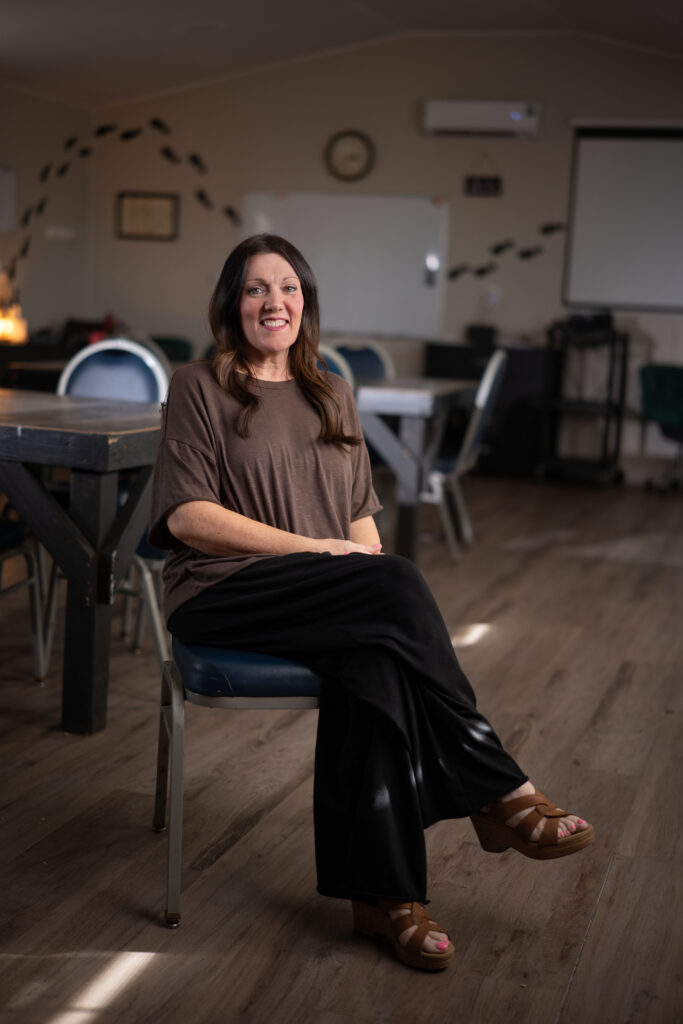
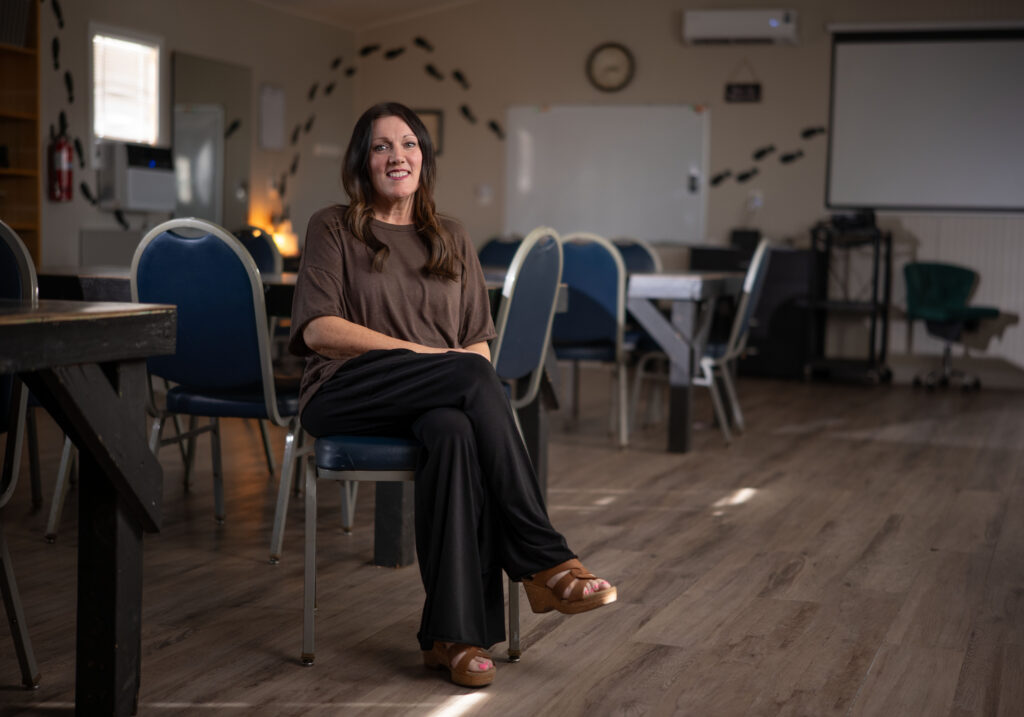
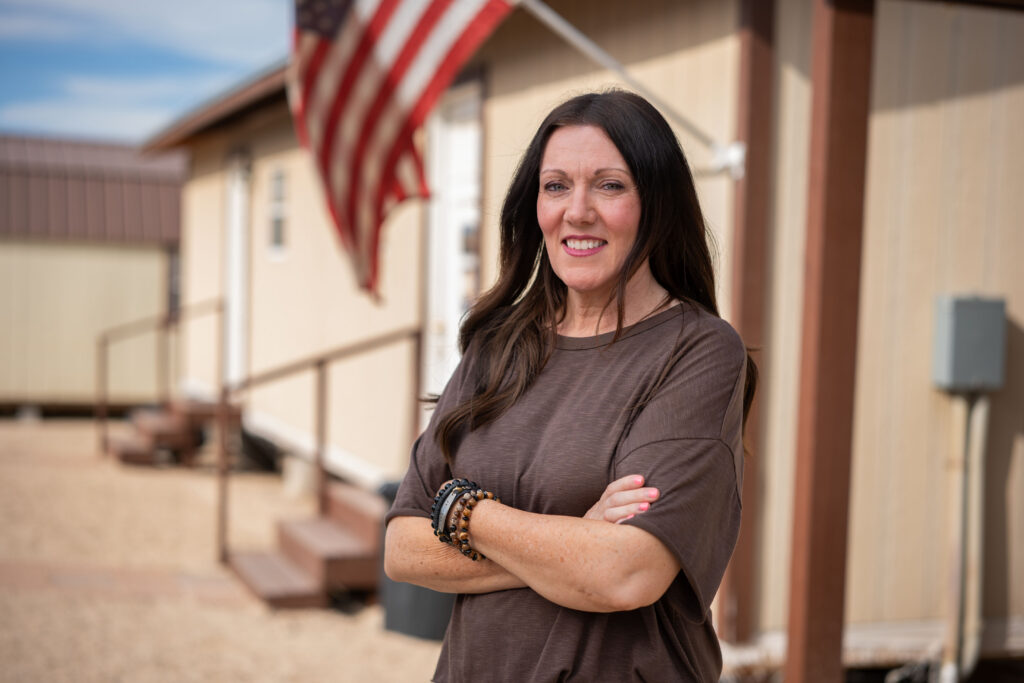
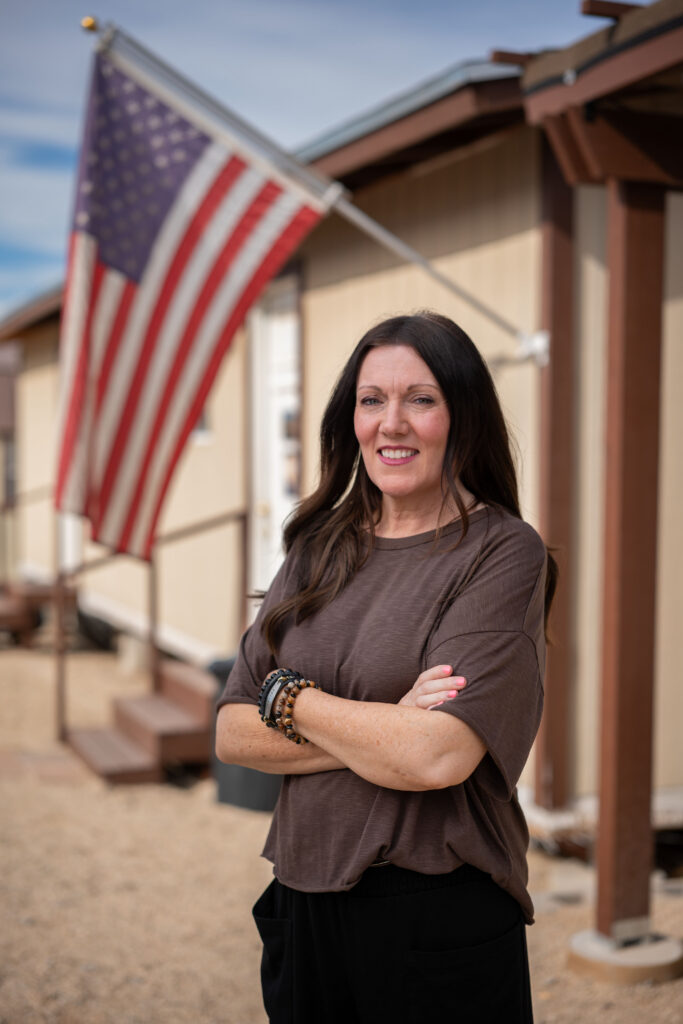
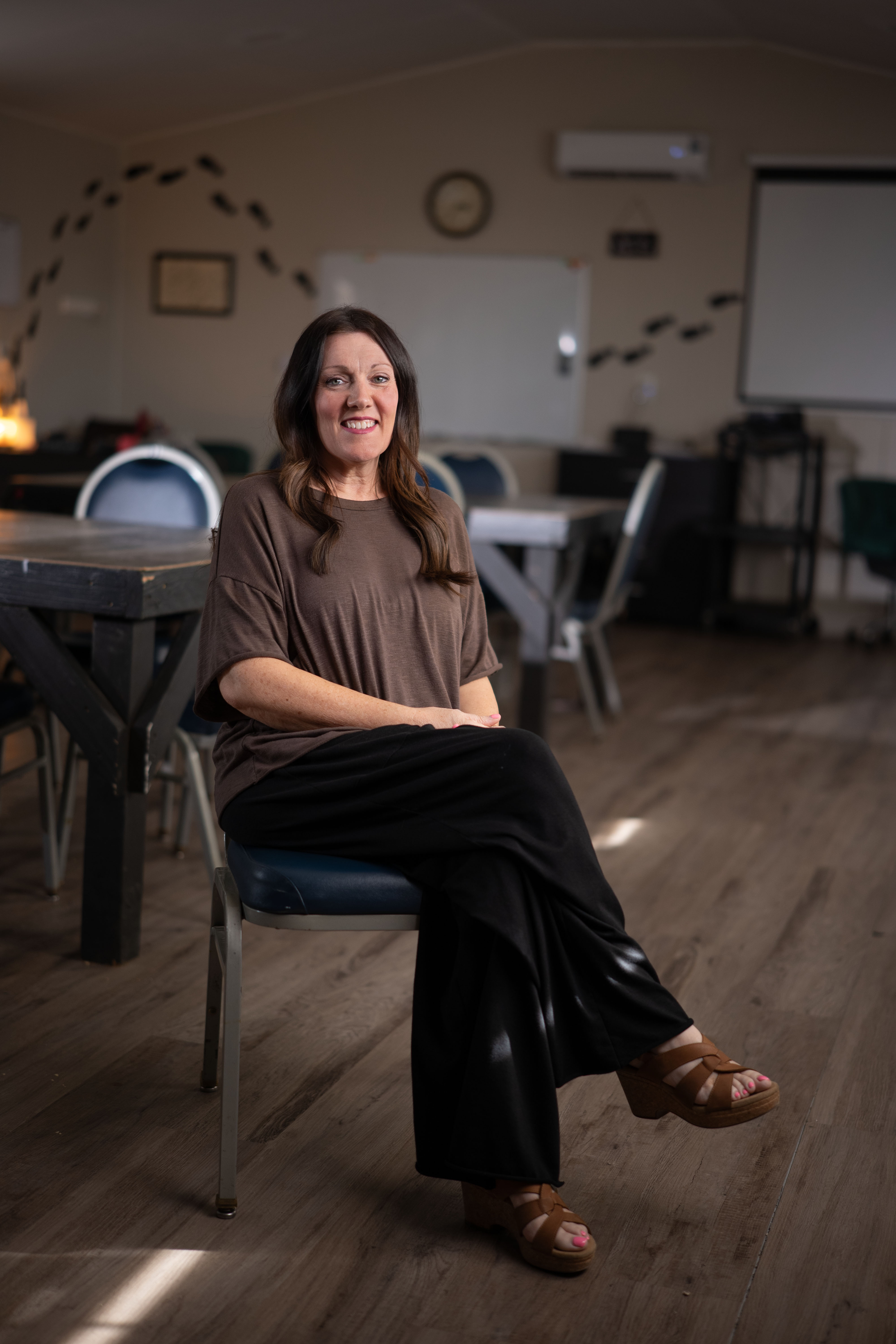
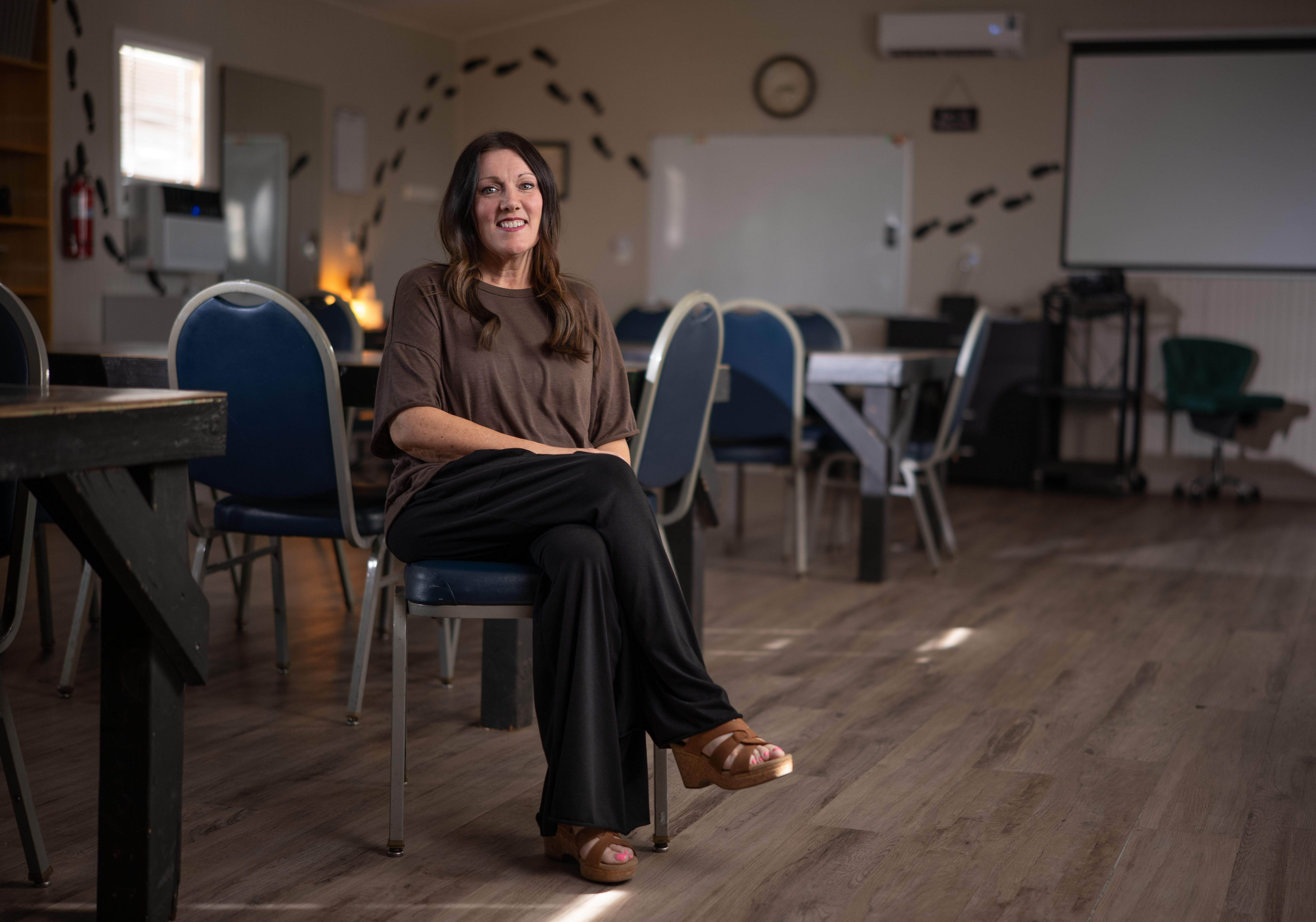
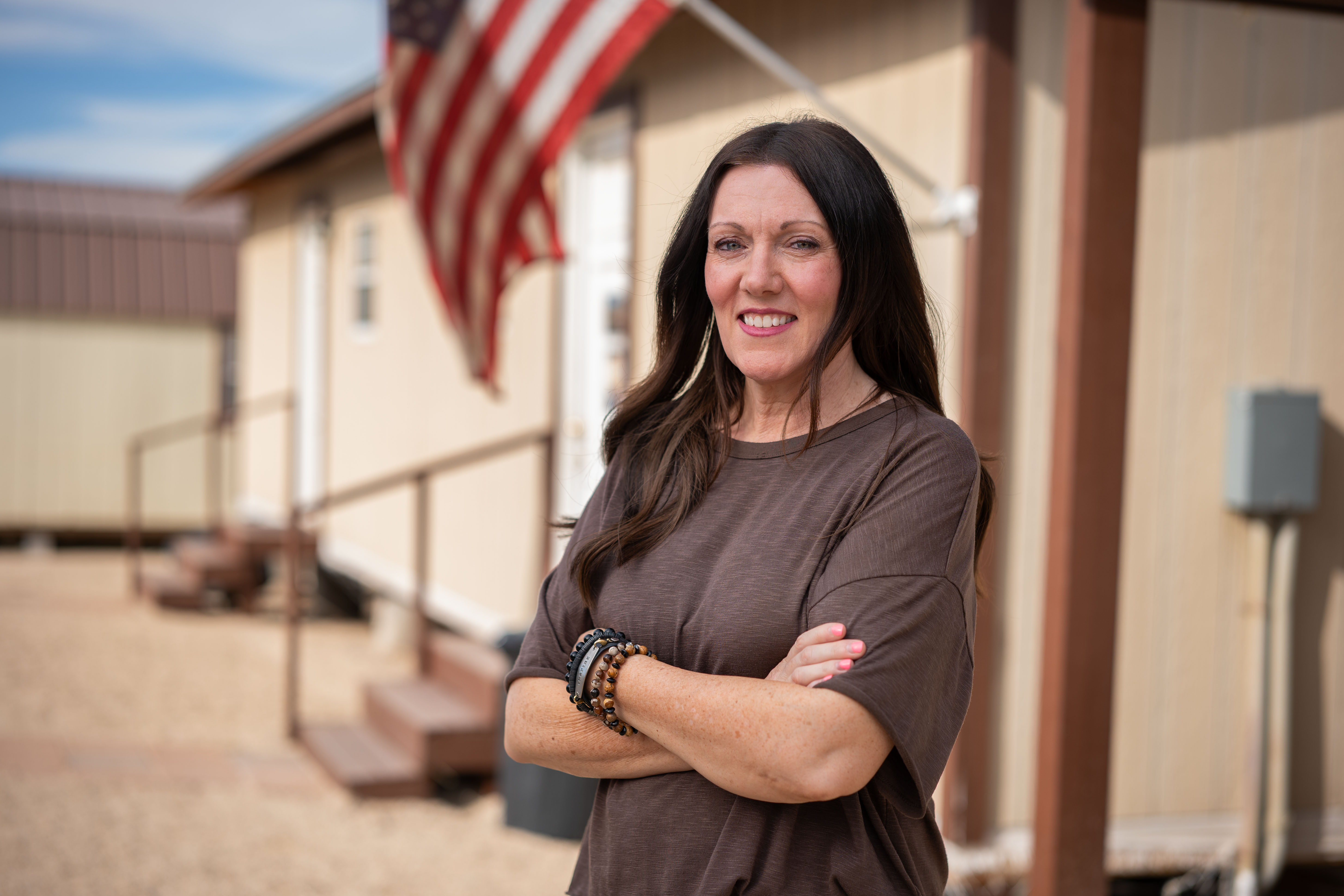
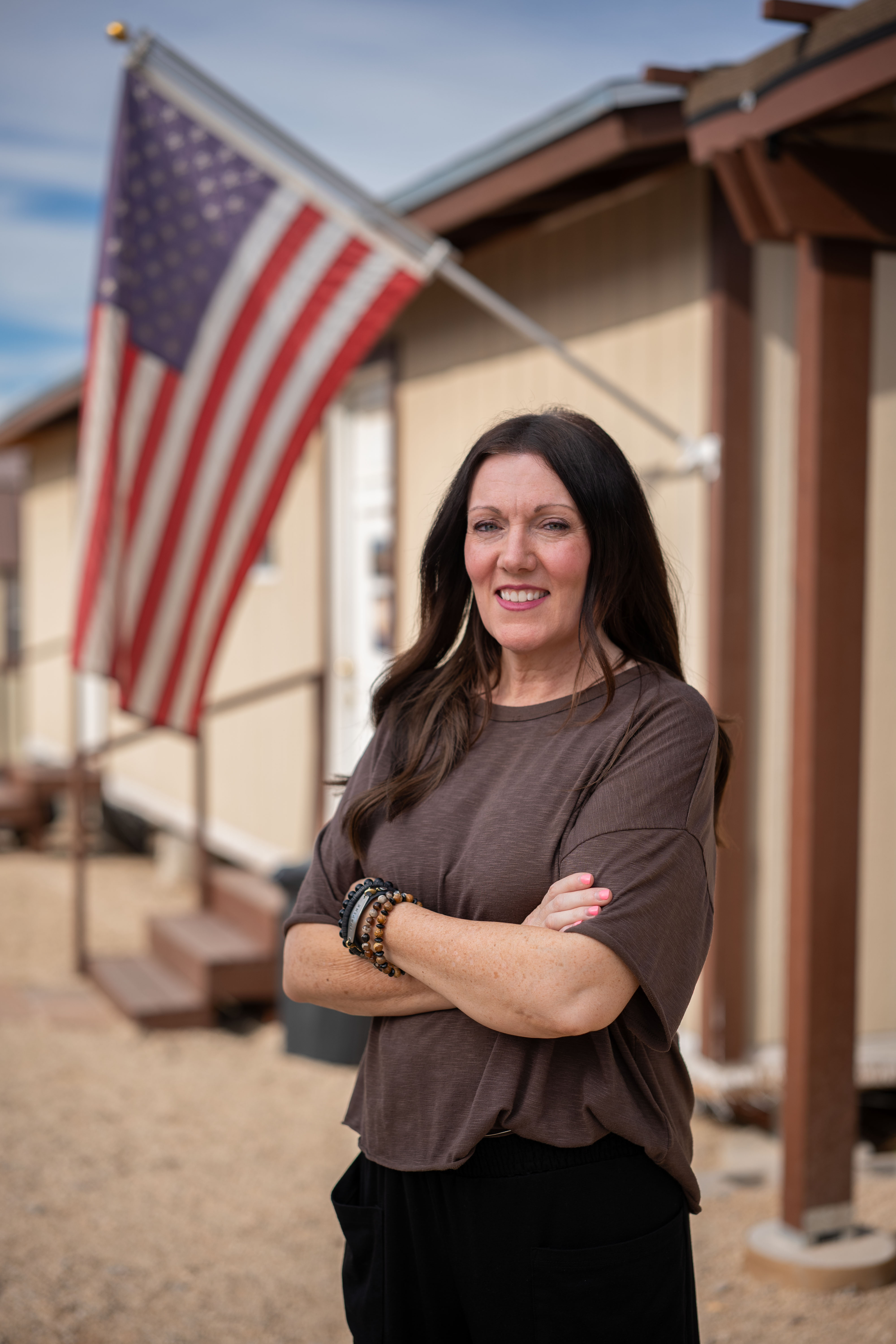
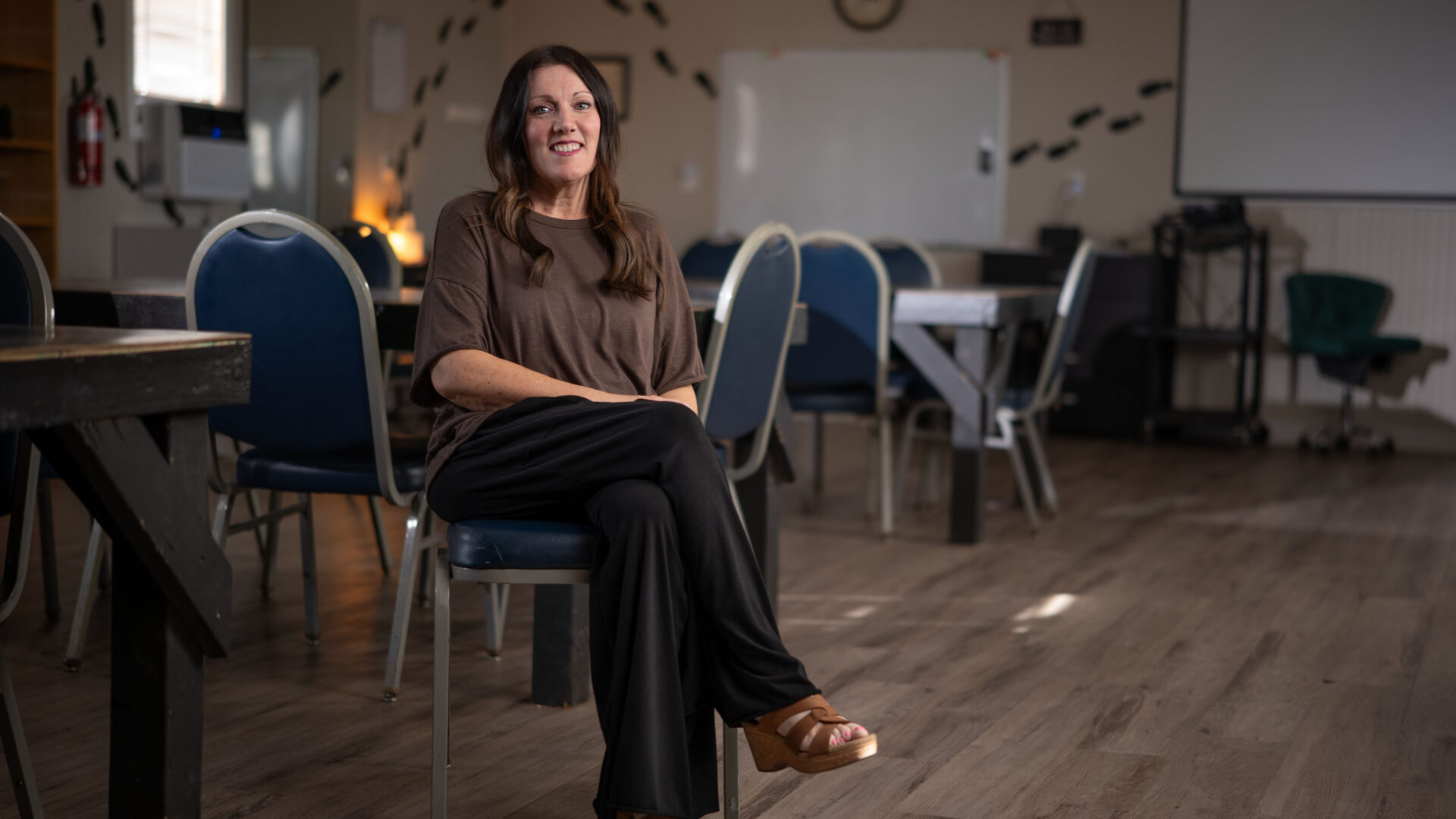
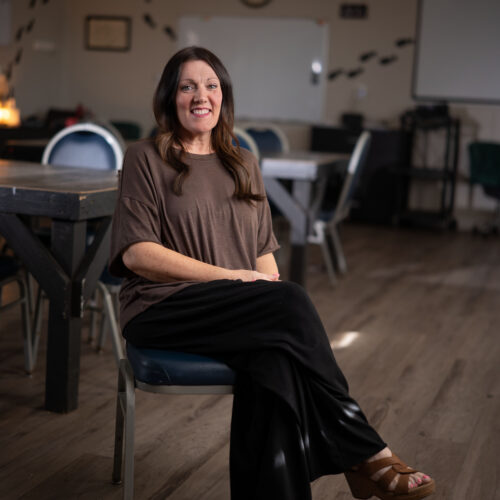
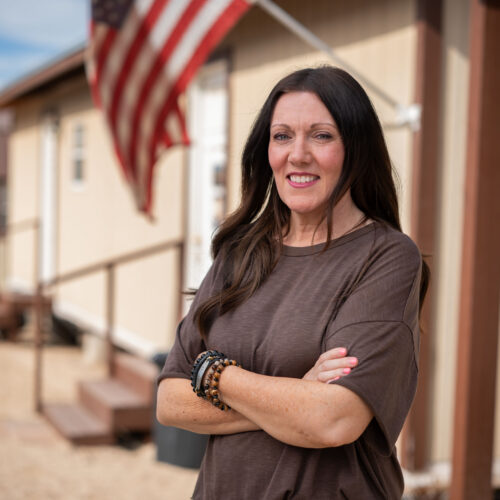
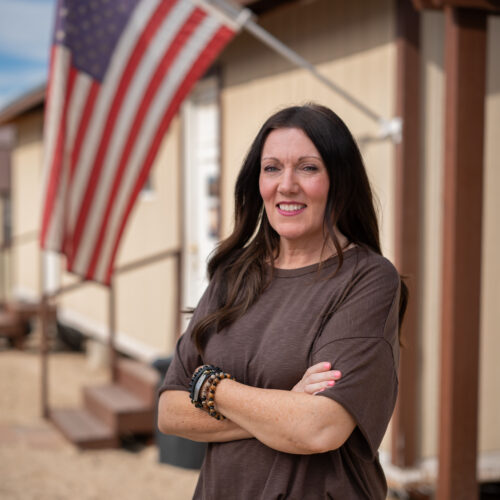
Karli Kemper believes a school should be an environment that inspires children to love learning and embrace their creativity. It’s personal for Karli. She watched her own family and friends struggle in traditional public school environments at a time when other options weren’t readily available. Inspired by her experiences, Karli started teaching when she was nineteen years old, eventually teaching in public, private, and charter schools. Over that period she saw time and again how important it is to tailor education to kids, rather than forcing kids into a one-size-fits-all box. That is why Karli created State 48 Arts and Academics, a home-based microschool on her family’s 1.5 acre property in Pinal County, Arizona.
Education entrepreneurs are constantly creating innovative solutions for kids who may not excel in traditional educational environments. Microschools are one of many alternatives to traditional schools that took off during the COVID-19 pandemic. Karli saw the explosion of microschools as an opportunity to create an environment where kids with special needs, like her own, could learn and grow. Using her theater and education backgrounds, she created State 48 to combine her love for teaching with her passion for theater and the performing arts.
State 48 teaches traditional subjects in the morning before offering performing arts electives like musical theater, band, and show choir in the afternoon. Karli and her family teach at State 48, along with three others who have years of education experience and a shared devotion to State 48’s mission. Originally, Karli planned for State 48 to be something like a home-school co-op involving a handful of special needs families she had worked with over the years. But as word about State 48 spread, interest grew and more families reached out to Karli, and she expanded her plans. Today, State 48 is in its third year and has about 35 students, most with special needs. For Karli and her family, it’s all about helping provide a supportive environment that fosters a lifelong love of learning in the students. The kids love the personalized classes and performing arts opportunities, and the school now has a waitlist.
But State 48 ran into a problem in 2025: Pinal County’s outdated zoning code does not specifically address microschools. When Karli decided to start State 48 on her family’s property in their rural Arizona neighborhood, she and her husband saw that the zoning code allowed “schools” as of right in her area. Understandably, she thought this meant State 48 was allowed. After all, there is a 1,700-student charter school just down the road in the same zone, and State 48 would have nowhere near the same impact on the area.
But the County disagreed. The County told Karli that she would have to either get a special use permit or stop operating. Confused, Karli explained that she thought State 48 was allowed because it was a “school,” but the County told Karli that “school” as used in the code meant only public or charter schools. Without a category for microschools, the County deemed State 48 a private school, and under the County’s absurd interpretation of its own code, a private school is not a “school.” If Karli turned State 48 into a charter school, the County explained, she could continue operating, but otherwise, State 48 would need a special use permit.
State 48 began the onerous process of applying for a special use permit, and the County attached 19 conditions to the application. However, even if Karli went through the process and accepted the conditions it wouldn’t guarantee getting the permit. The County retained discretion as to whether to grant the permit and could deny her.
So, Karli and State 48 have teamed up with the Institute for Justice and its Education Entrepreneurship Project to fight Pinal County’s absurd government restrictions to traditional public education. The government can’t regulate schools differently just because they are private, and it shouldn’t put up barriers to creative solutions for gaps in the traditional educational landscape. Microschools like State 48 work, and the Constitution protects the rights of educational entrepreneurs like Karli to develop those alternatives.

Case Team
Client
Karli Kemper
Client
Attorneys

Michael Bindas
Senior Attorney

Paul Avelar
Managing Attorney of the Arizona Office

McCarley Maddock
Litigation Fellow
Staff
Phillip Suderman
Communications Project Manager
Katie Herndon
Paralegal
Media Resources
Get in touch with the media contact for image resources, press releases, and interview requests.
Media Images
Case Summary
New Era, Old Regulations
Since the pandemic, education innovators have been experimenting across the country in response to parents’ demands for different approaches to education for their children. Microschools, hybrid schools, learning pods, and more have provided novel, individualized ways for parents to design their children’s education in a way that best suits each child’s needs. These alternatives span and sometimes blend public, private, and home-based education. The programs are constantly developing to best meet children’s needs, but all too often local governments seem determined to force them into regulatory boxes and impose unnecessary regulations that hamper progress, rather than welcoming these innovative solutions.
State 48 is one such school that has stepped into the educational gap. A microschool that runs four days a week, the students range from second to twelfth grade, and the majority have special needs. For each child, State 48 provides an encouraging environment to learn and grow creatively. Seven teachers with years of education experience between them and about thirty students means small class sizes and allows for teaching tailored to each child.
The students learn traditional subjects, like math, English, history, and science in the morning. In the afternoon, State 48 offers a range of performing arts electives, including musical theater, band, and show choir. Throughout the semester, the children put on shows and develop their confidence and talents. State 48 provides a way for the children to blend their interest in performing arts with core academic classes, and the students love the warm, creative environment.
Pinal County Decides School Does Not Mean School
Karli and her family were confused. The local zoning code explicitly allows “school” by right in their area.[1] It turns out, however, that the County has an arbitrary definition of “school.” As the County explained it to Karli, “school” means only public or charter schools, not private schools. From there, the County declared State 48 unlawful without a special use permit.
The County’s interpretation of “school” contradicts its own code and makes no sense, but Karli nevertheless started the burdensome special use permit process to try and convince the County that State 48 is in the public interest and should be allowed. As Karli explained, the school creates virtually no noise and traffic compared to the 1,700-student charter school right down the road. But even though the Planning and Zoning Commission expressed its admiration for the work Karli is doing—with one commissioner saying “I love the idea” in a meeting—the body still voted to recommend denial of a special use permit.
State 48 is a School, and the County Doesn’t Get to Treat It Differently Just Because It’s Private
Pinal County is requiring State 48 to jump through a series of burdensome legal hoops to obtain a discretionary special use permit because it says State 48 is not a “school” under the zoning code. According to Pinal County, “school” only includes public or charter schools. The County does not consider private schools, including microschools like State 48, to be “schools” and therefore requires an extensive special use permit application process. Even if State 48 completes the required process, there is no guarantee that the County Board of Supervisors will actually grant the special use permit. And even if it does, the permit will likely impose onerous restrictions that prevent State 48 from operating effectively, if at all.
Public and charter schools, in contrast, operate freely in the same zone. In fact, a massive, 1,700-student charter school sits in the same zone just down the street from Karli’s family’s property and regularly backs up traffic. State 48, with only 35 students, creates nowhere near that disruption, but the County bars it from operating.
Most people don’t need a vocabulary lesson to know that a school is a place where children go to learn reading, math, science, and history. Pinal County’s definition of “school” defies that common understanding and, indeed, common sense. It’s also inconsistent with other provisions of the County’s own zoning code, and it violates both the Arizona and U.S. Constitutions.
In Arizona, zoning restrictions can’t be arbitrary, irrational, or discriminatory according to the state constitution, but Pinal County’s interpretation of “school” is all three. If State 48 was a charter or public school, the County would allow it to operate as a matter of right. The only reason the County won’t allow Karli to operate State 48 without a special use permit is because it is private.
That restriction makes no sense. State 48 causes minimal disruption, and with a maximum of 35 kids at a time, its impact on the neighborhood is miniscule. Regulating State 48 while allowing massive public and charter schools is exactly the kind of irrational, arbitrary discrimination the Arizona Constitution prohibits.
Worse, Pinal County is discriminating solely based on State 48 simply because it is private. The U.S. Constitution prohibits that discrimination. In three landmark cases—Meyer v. Nebraska,[2] Pierce v. Society of Sisters,[3] and Farrington v. Tokushige[4]—the U.S. Supreme Court recognized that parents have the right to direct the education of their children and that private education providers have the right to offer their services to parents who desire them. The Supreme Court held that the Fourteenth Amendment of the U.S. Constitution protects these rights. The County cannot enforce laws that penalize private alternatives to public education, as well as the parents who seek those alternatives. Yet that is precisely what Pinal County is doing with its discriminatory interpretation of the term “school.”
The Litigation Team
The litigation team consists of IJ Senior Attorneys Paul Avelar and Michael Bindas and Litigation Fellow McCarley Maddock.
The Institute for Justice
The Institute for Justice is a nonprofit, public-interest law firm that litigates nationwide to vindicate individual liberties. Since IJ’s founding in 1991, it has been the nation’s leading courtroom defender of the right of parents to direct their children’s education, of private property rights, and of economic liberty: the right to earn an honest living free from irrational and arbitrary government regulation. Those three missions intersect in this case. The case is also a part of IJ’s Education Entrepreneurship Project, which is committed to protecting the right of entrepreneurs to offer meaningful alternatives to the public school system and of parents to access those alternatives for their children. By dismantling barriers to innovation, flexibility, and creativity in private education, it ensures that every parent can find the education that will best meet her child’s unique, individual needs.
[1] Pinal County Development Services Code § 2.40.010(C).
[2] 262 U.S. 390 (1923).
[3] 268 U.S. 510 (1925).
[4] 273 U.S. 284 (1927).