First Amendment
Equine Body Work Teachers Sue Wisconsin for Violation of First Amendment Right to Occupational Speech
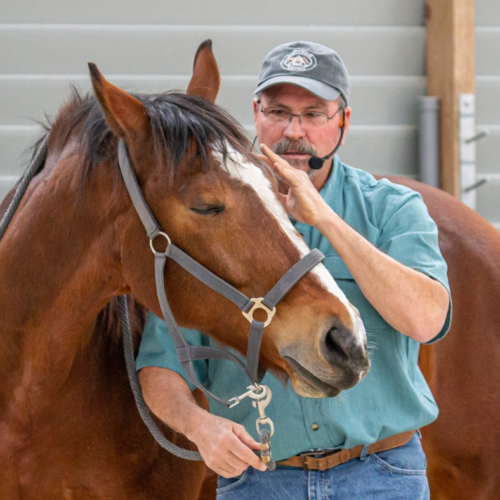
Jim Masterson has been working with animals for almost 30 years. But Wisconsin said he can’t teach without subjecting Jim’s school to an all-encompassing review of everything from Jim’s curriculum to intrusive inquiries into his business model.
- Case Name
- Jim Masterson, Rebecca Tenges v. Wisconsin’s Department of Safety and Professional Services
- Issue Areas
- Status
- Active Cases
- Location
- Wisconsin
- Date Filed
- April 21, 2026
The Case
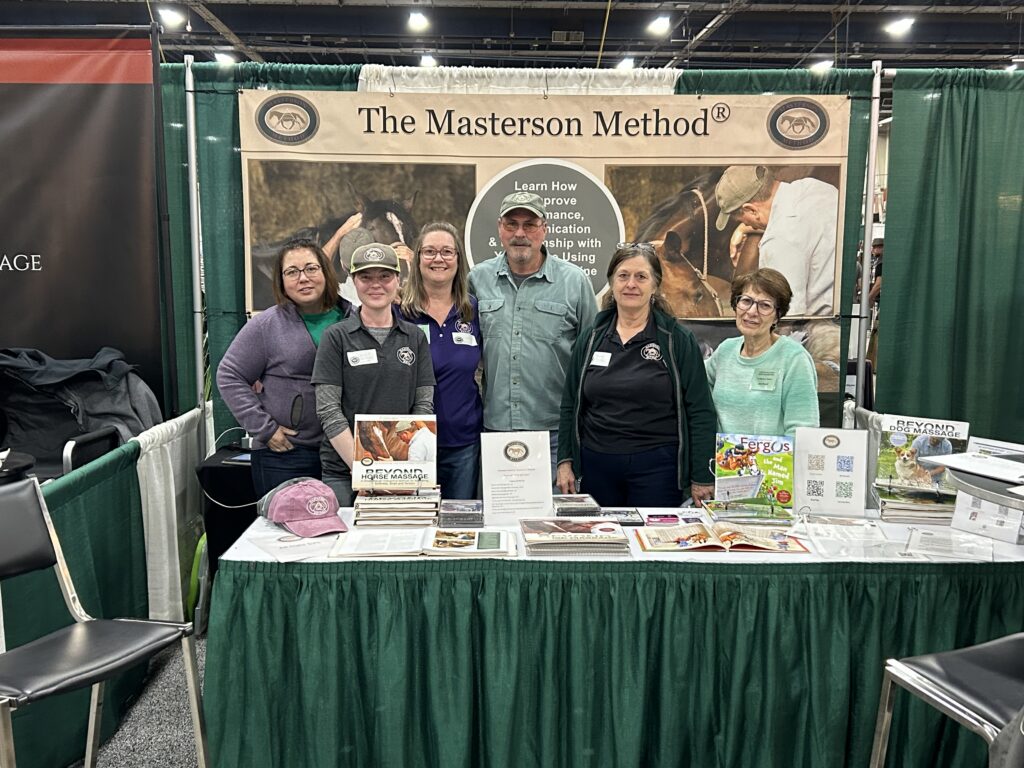
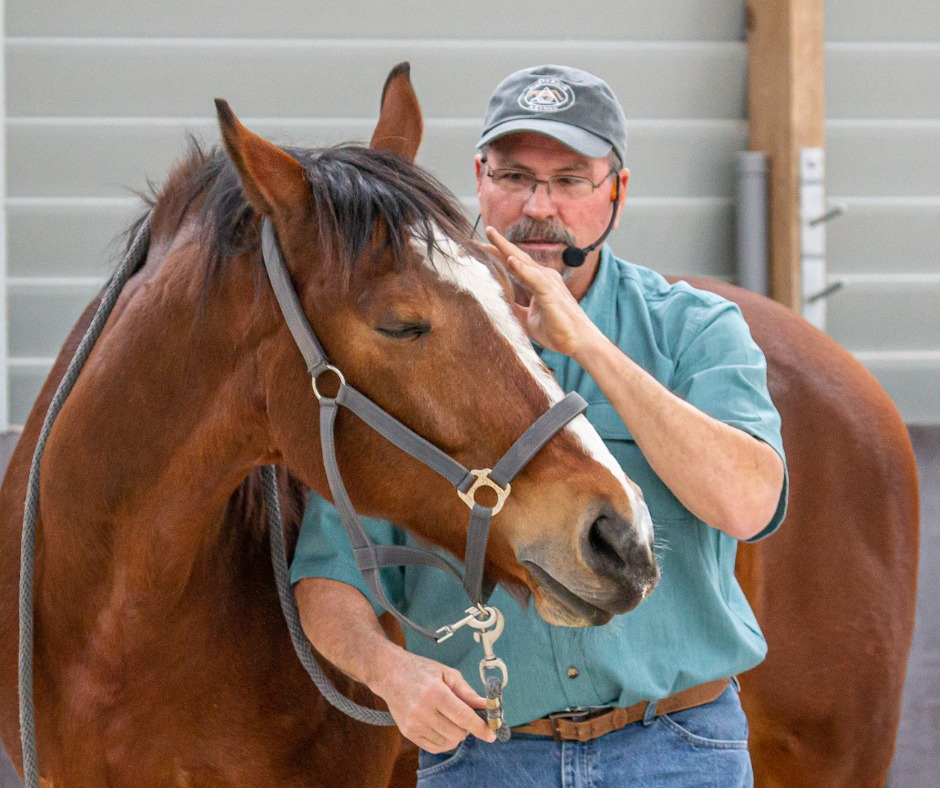
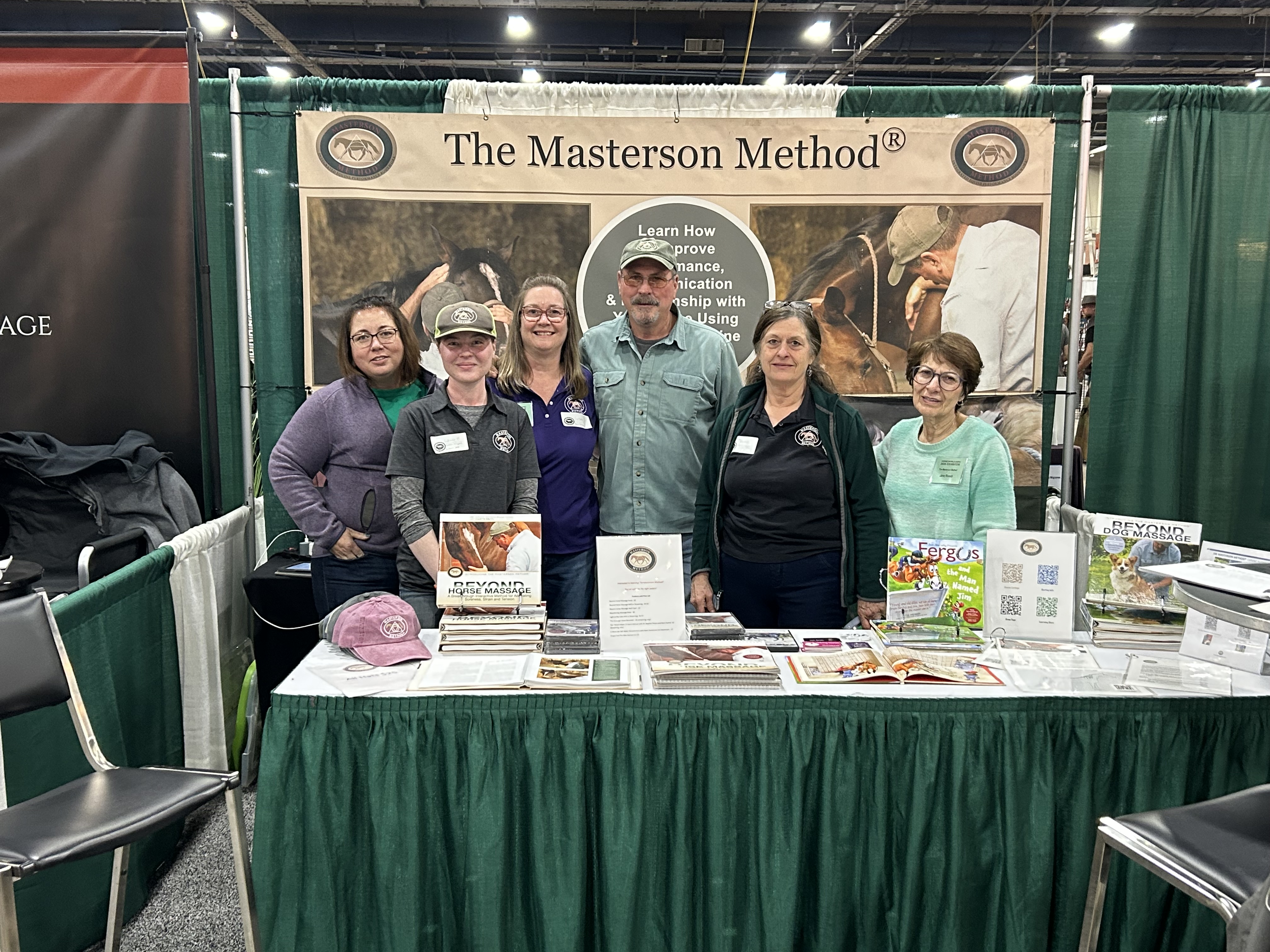
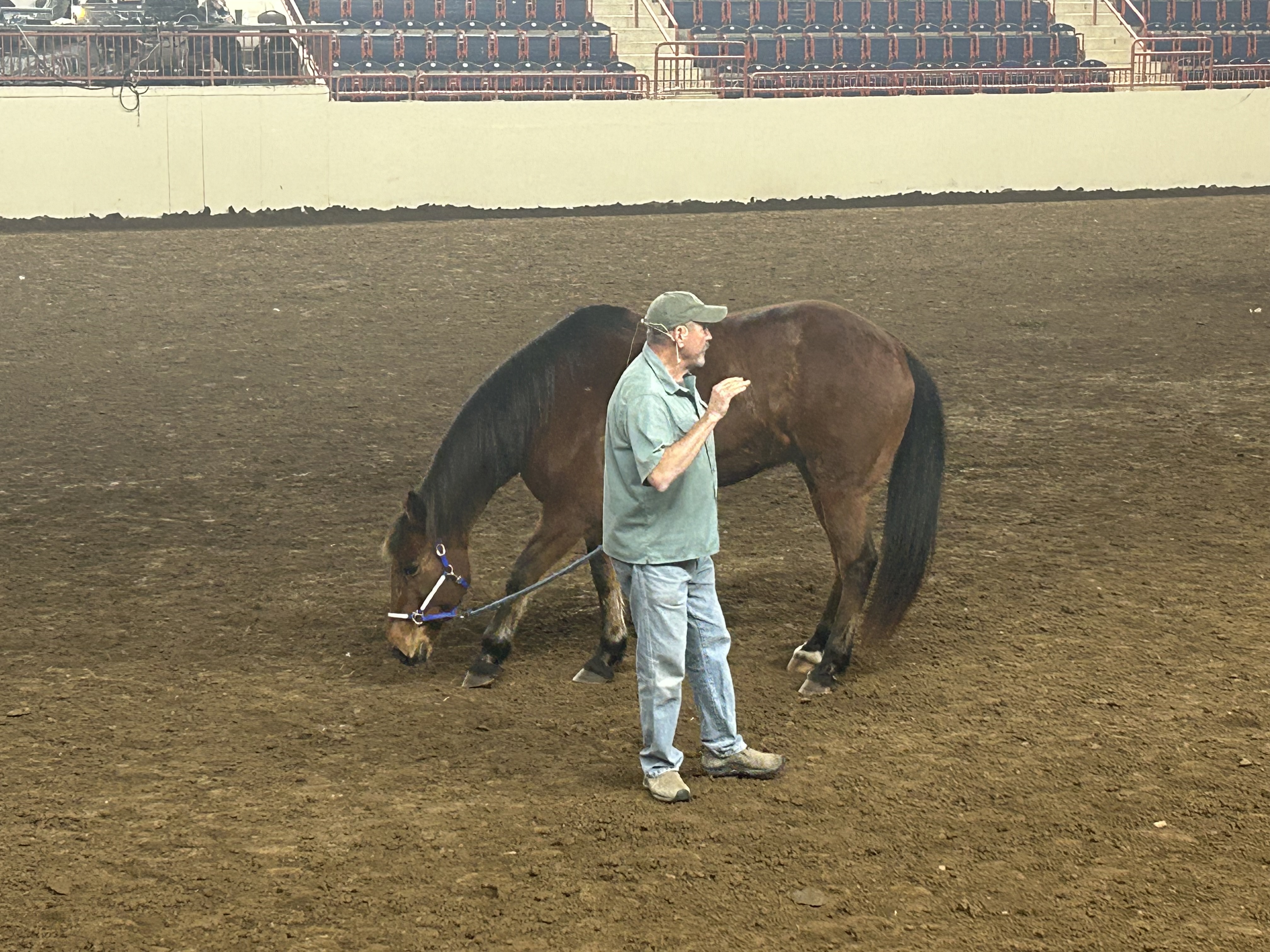
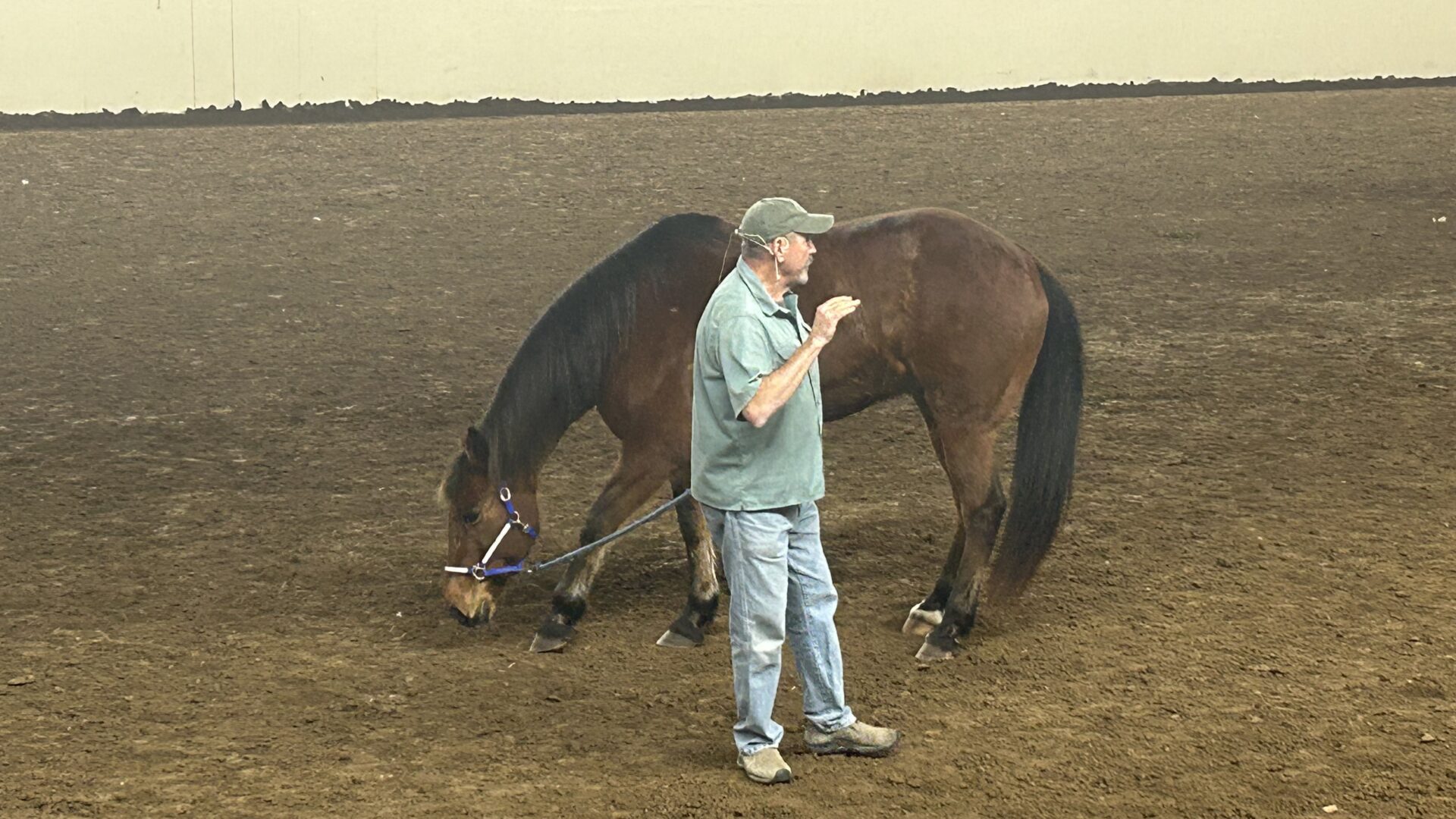
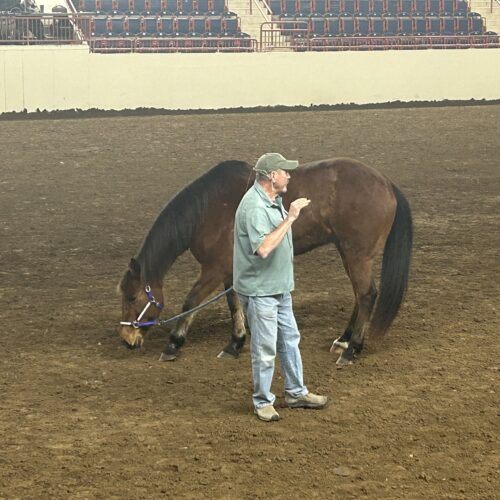
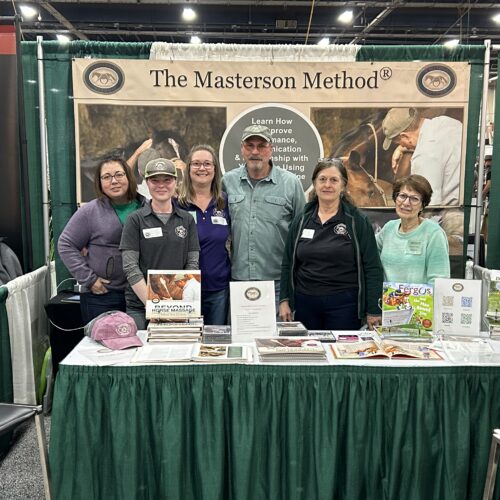
Jim Masterson has been working with animals for almost 30 years. He has developed a signature method of animal care—the Masterson Method—that he has taught to willing students. The method has proven popular and demand has become so high that he has trained other people to become instructors in his method. One of these instructors is Becky Tenges, a lifelong animal lover and strong believer in Jim’s method. Jim and instructors like Becky have taught the Masterson Method across the country and around the world including in Europe, Asia, Africa, Australia, and New Zealand. Jim’s work has been the subject of an award-winning documentary and a book he authored explaining this method for horses has been translated into multiple languages. All of this has made Jim into something of a minor celebrity in the horse world, with fans lining up for autographs at the conventions he attends.
But none of these accomplishments are good enough for bureaucrats in Wisconsin. The bureaucrats say Jim and instructors like Becky can’t teach his method in Wisconsin without subjecting Jim’s school to an all-encompassing review of everything from Jim’s curriculum to intrusive inquiries into his business model. That review would extend into ongoing regulation as well as an incredibly burdensome process and cost of compliance, along with a requirement to pay fees to fund the very bureaucracy meddling in Jim’s business.
But the Masterson Method is Masterson’s Method. Jim doesn’t need a bureaucrat “consulting” on his curriculum. He developed it and has been teaching it for years. Instructors like Becky want to teach it. Bureaucrats stand in the way. So, Jim and Becky have teamed up with the Institute for Justice (IJ) to stand up for their First Amendment rights. Teaching is speech protected by the Constitution and you shouldn’t need a government permission slip to simply talk. That’s a lesson the bureaucrats need to learn.
Case Team
Clients
Jim Masterson
Client
Becky Tenges
Client
Attorneys
Jeffrey Redfern
Senior Attorney
Staff
Phillip Suderman
Communications Project Manager
Jaida Swain-Mark
Paralegal
Rebekah Ramirez
Senior Paralegal
Media Resources
Get in touch with the media contact for image resources, press releases, and interview requests.
Media Images

Case Documents
Case Summary
The Masterson Method
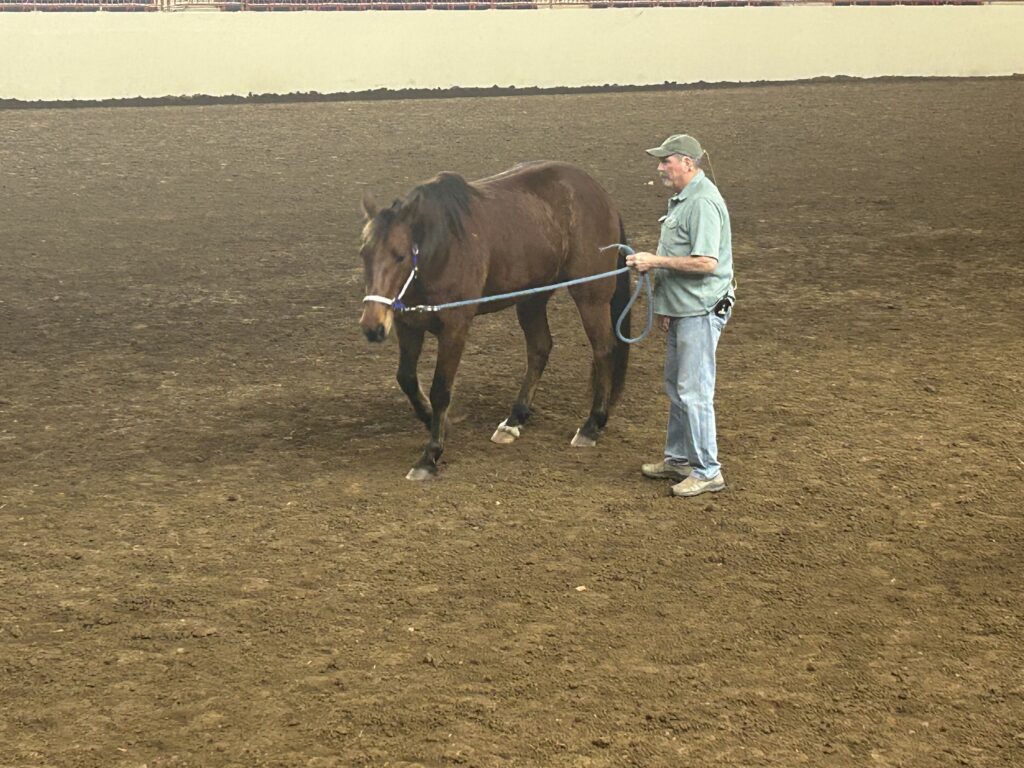
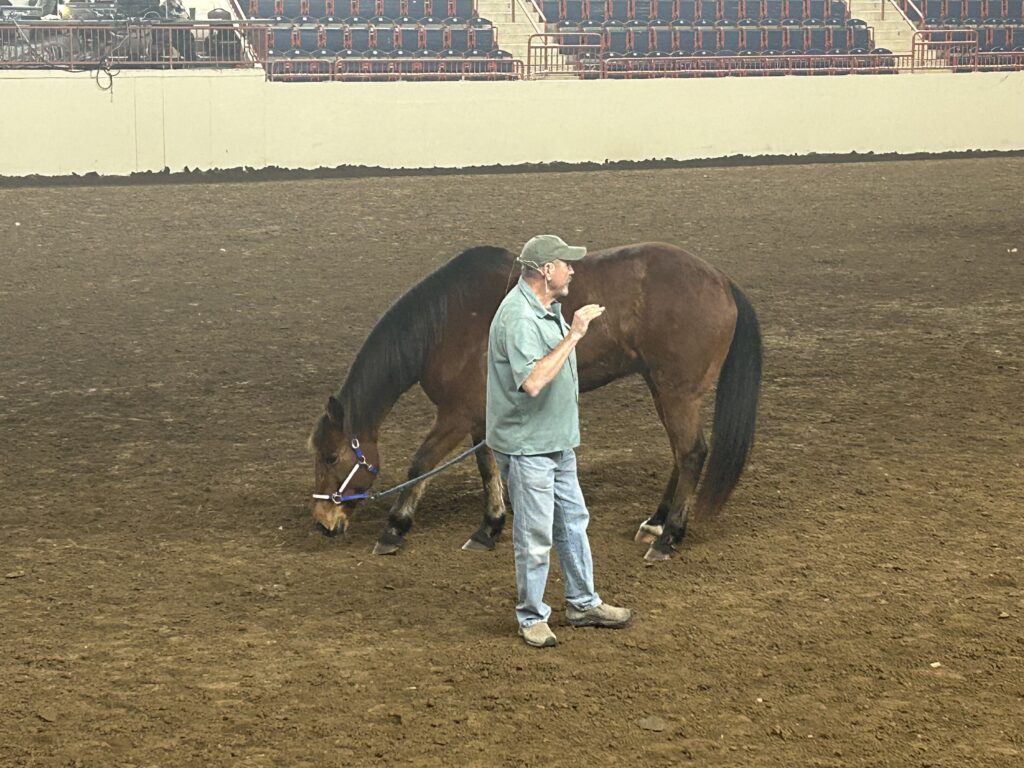
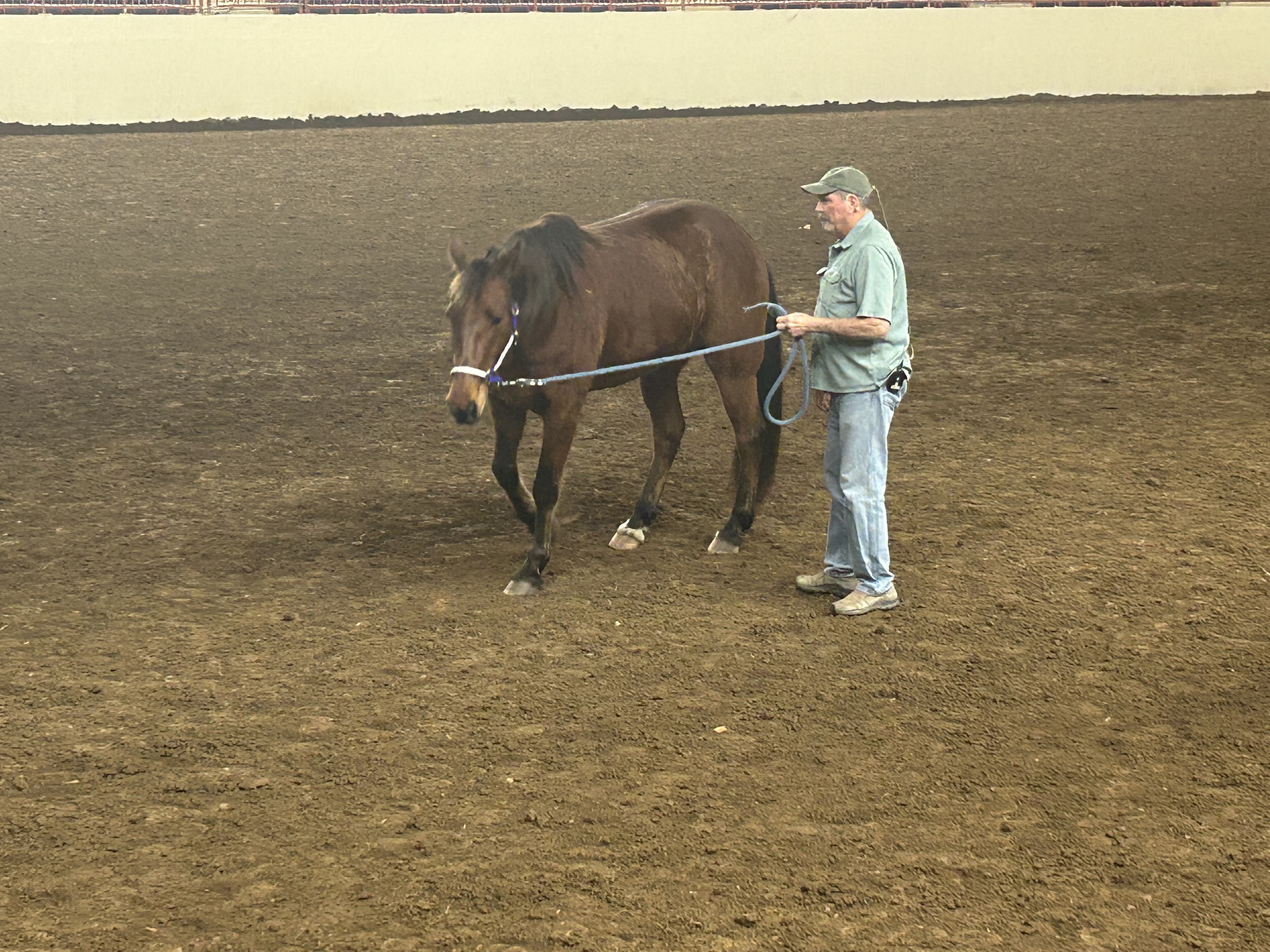
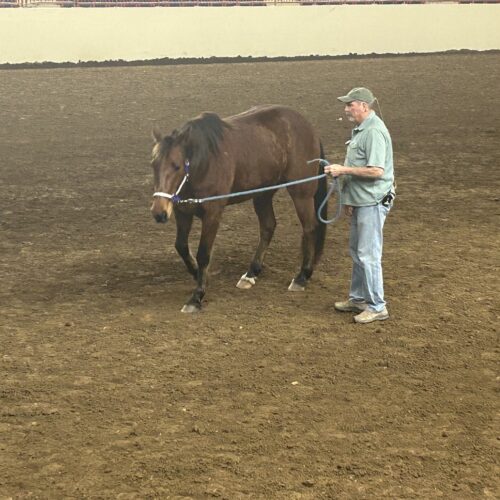
Jim started his animal-care journey by working at a stable for equestrian horses. Equestrian horses are athletes, and they need physical recovery just like any other athlete. As Jim observed different practitioners working on horses, he noticed that those horses would respond with subtle physical cues. Jim was determined to develop techniques that would be responsive to those cues and so allow the horse to release tension. The resulting system of bodywork was centered around working with the horse to relieve tension, rather than simply working on the horse. And so, the Masterson Method was born.
Jim refined his method in the performance-driven environment of the equestrian circuit. Through word of mouth, Jim’s method spread and his clientele grew. Soon, he was using his method on horses competing in top competitions. In 2006, Jim worked with the U.S. Equestrian Endurance Team’s athletes at the World Equestrian Games in Germany. Over the next eight years, Jim would continue to work with the U.S. Equestrian Endurance Team at multiple international competitions, from Malaysia to France.
Jim started teaching his method in the mid-2000s, and he released a book explaining his method, Beyond Horse Massage, in 2011. Since he started teaching the Masterson Method, thousands of people—owners, therapists, trainers, or just plain horse enthusiasts—have attended his cornerstone weekend seminar. That weekend seminar is now offered across the world. Multiple private professional organizations have recognized that cornerstone seminar as meeting their continuing education requirements.
Over the years, Jim has trained other people to serve as instructors in the Masterson Method. He has also expanded his course offerings; he now has a course tailored to teaching the equine therapy program on how to deploy basic Masterson Method techniques in their practice, as well as a course focused on lighter techniques. And in 2023, he released Beyond Dog Massage, abook that extends the Masterson Method to dogs.
Jim also offers multiple certifications for people who want to make a career out of bodywork, are practitioners of other techniques who want to add to their toolkits, or who are just interested in learning more. Jim’s flagship certification requires multiple additional courses, including an advanced five-day course. It also requires thirty fieldwork sessions where trainees apply the Masterson Method to local horses.
For Jim’s part, this is more than just work. It’s a calling. Jim wants animals to get the best care possible and Jim’s dream is that every horse on the planet experiences his signature techniques at least once.
Becky Tenges Is Committed to the Masterson Method
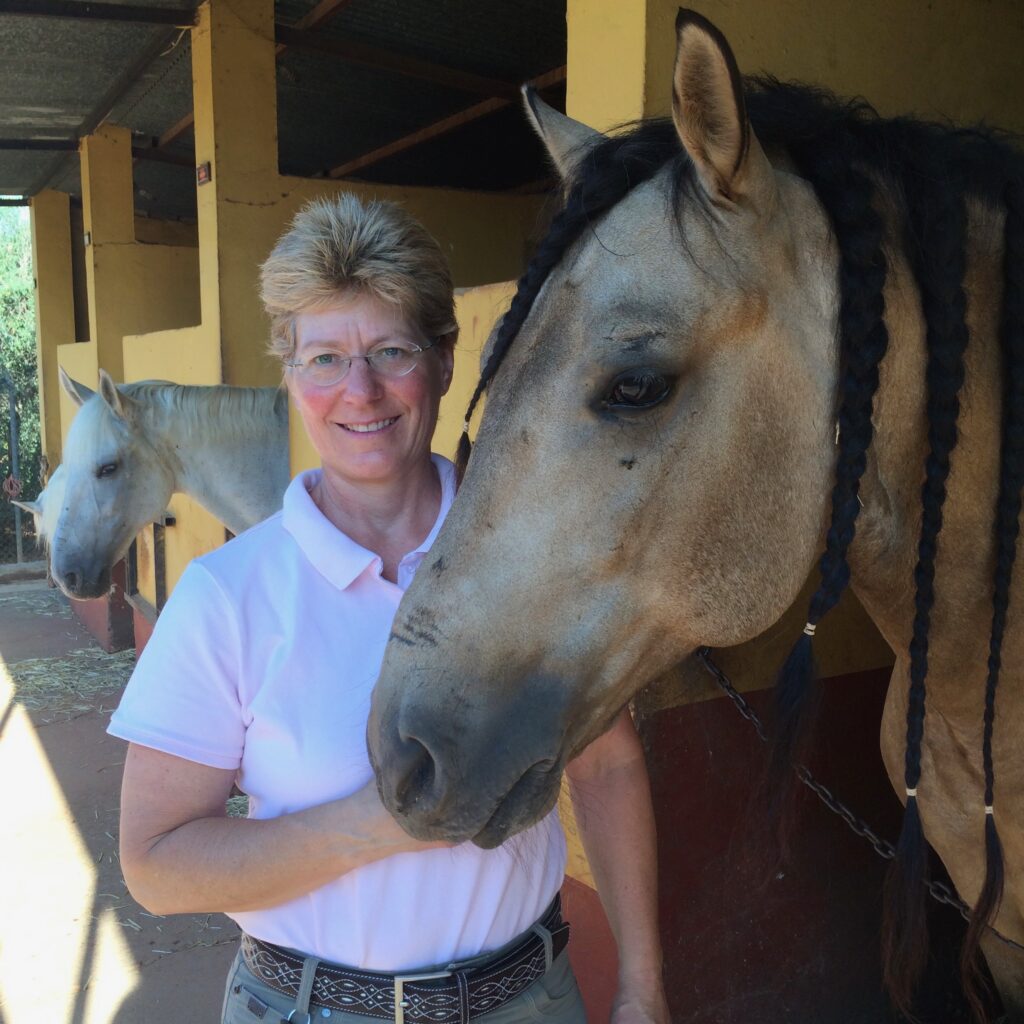
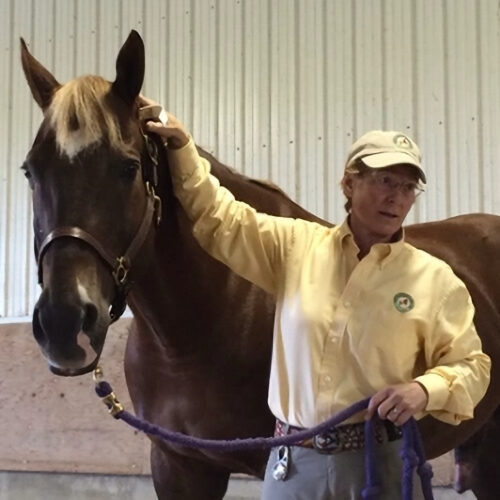
Becky Tenges has been surrounded by horses since she was a kid. Her father was a craftsman who specialized in horse hooves; at one point, the ranch that Becky grew up on had 100 horses. After Becky left college, she headed off for a career in business. But Becky knew that something else was calling; after twenty years, she returned to the animals she has always loved.
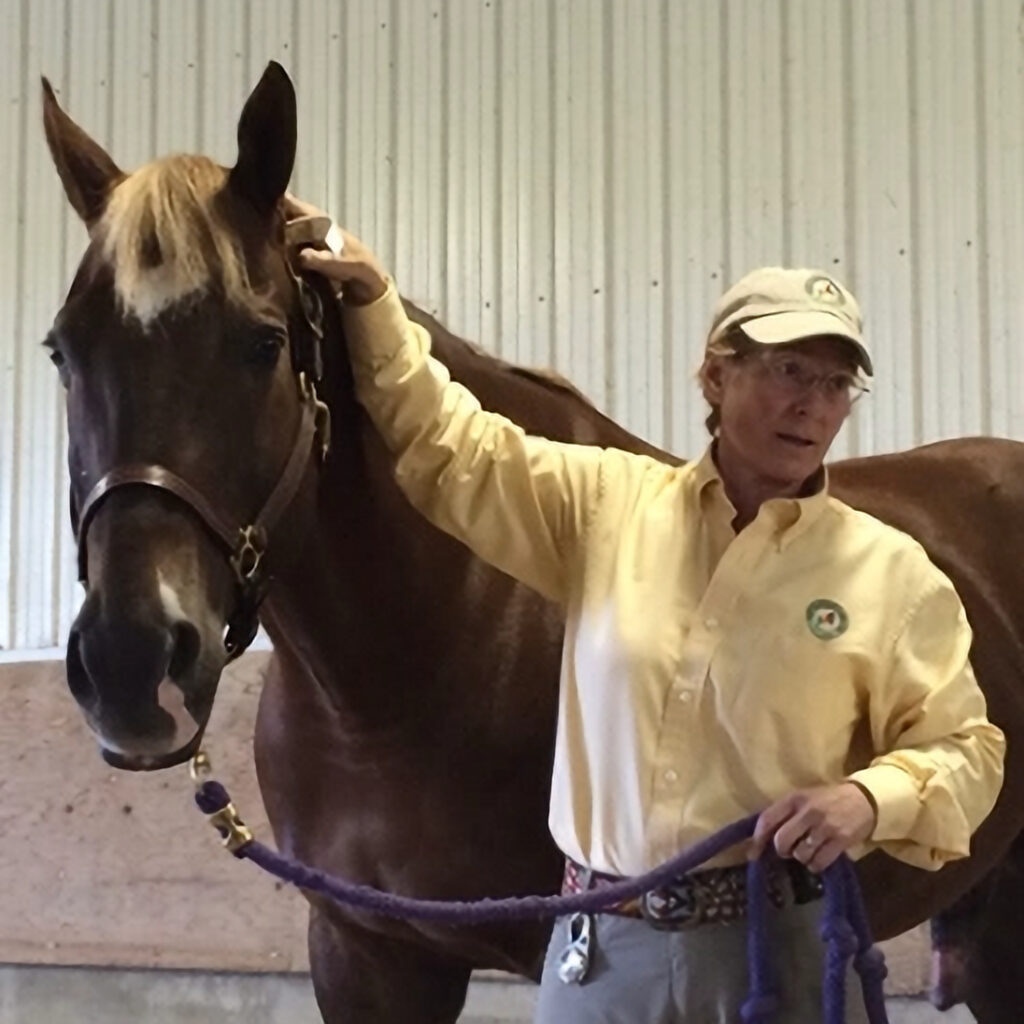
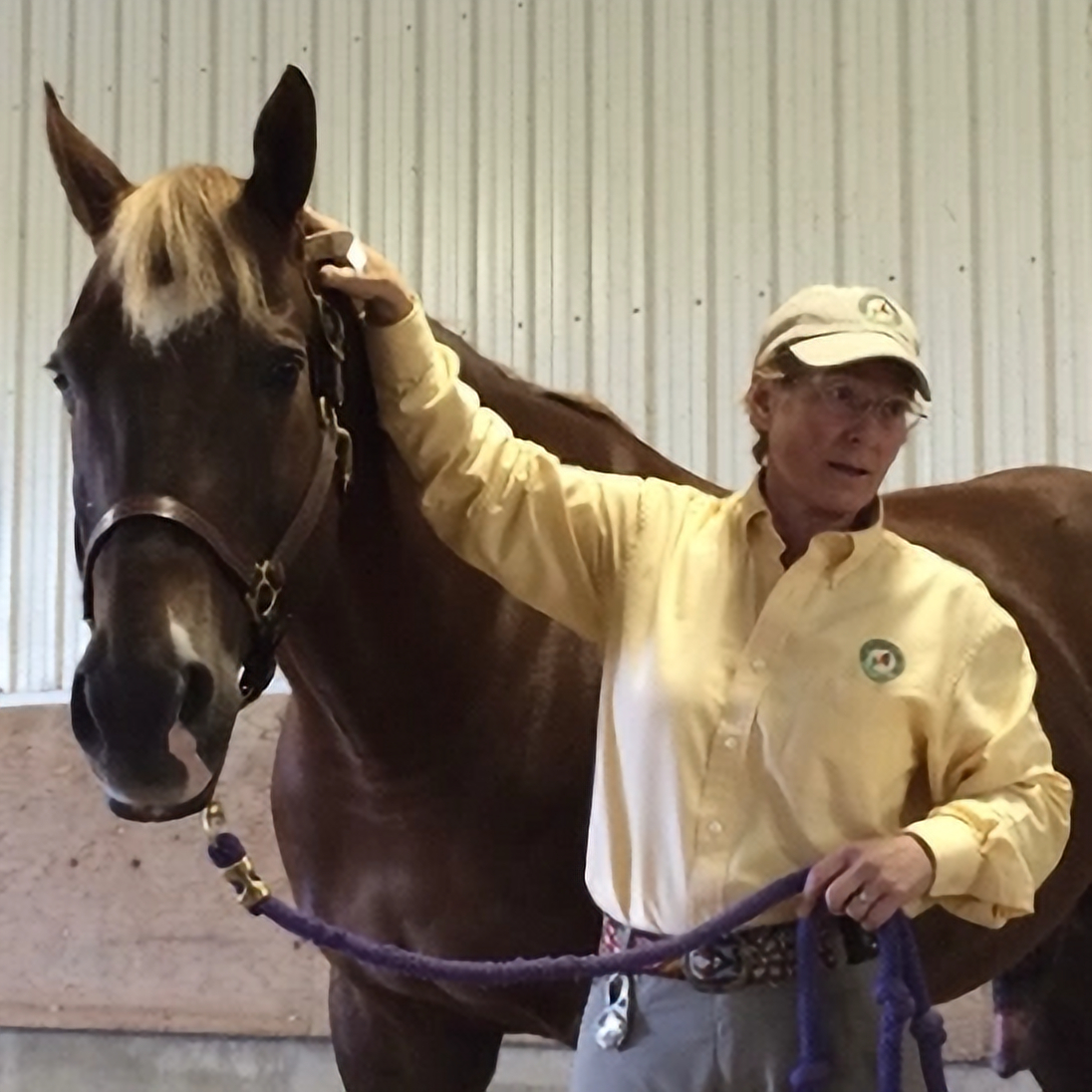
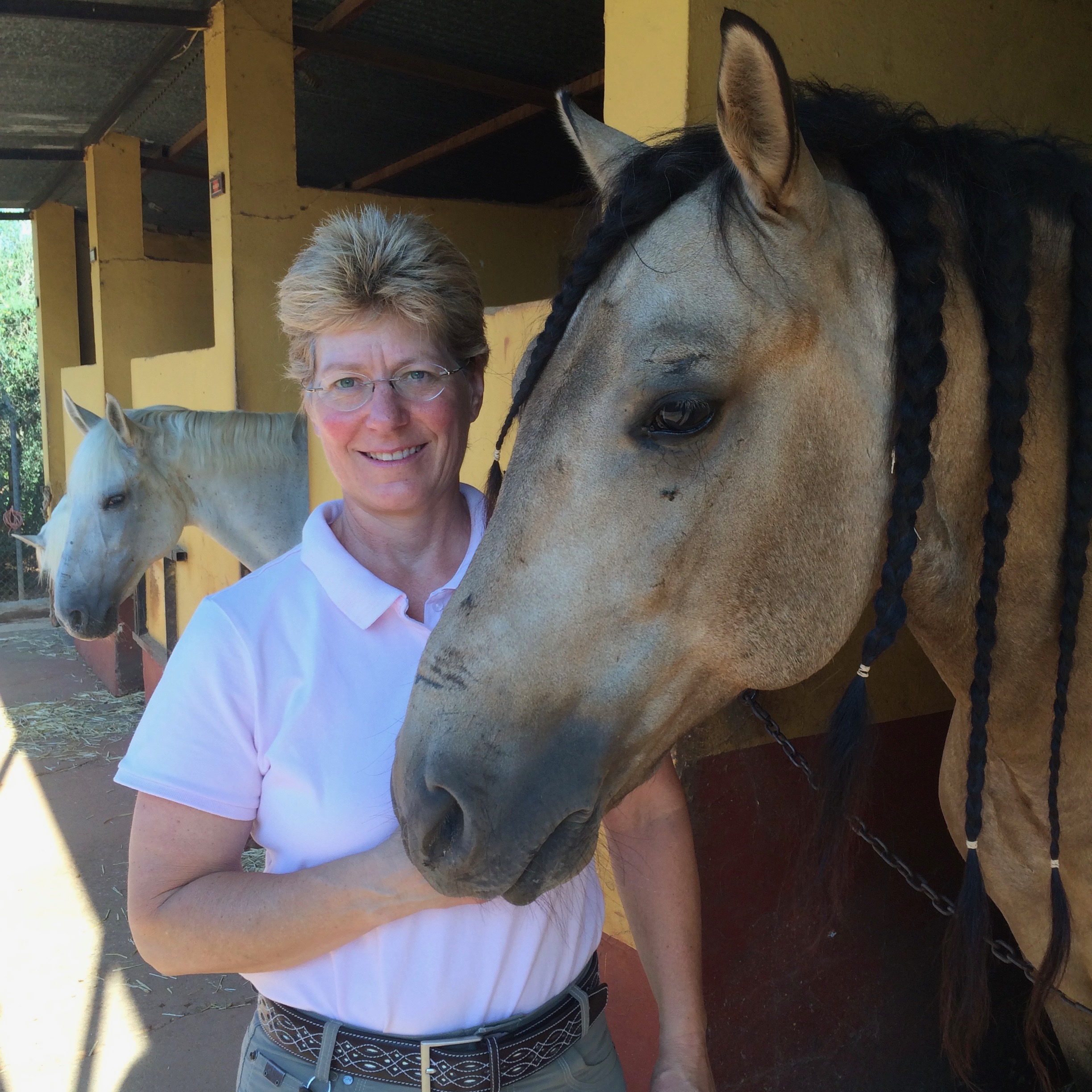
In pursuing her passion for horse care, Becky became a certified practitioner of the Masterson Method. Her work was so strong that Jim invited her to become an instructor. As time went on, her role with Jim expanded; from 2018 to 2023, she served as Jim’s Director of Fieldwork & Certification. Becky has since stepped away to focus on her own endeavors—she has founded knowledge and support networks for equine professionals, has her own consultancy, and still maintains a bodywork practice. But through it all, she has remained a Masterson Method instructor. Becky is dedicated to Jim’s method and is eager to teach it.
Wisconsin’s Draconian Licensing Scheme Places Excessive Burdens on Jim and Becky’s Right to Speak
In March 2023, Becky was preparing to teach Jim’s advanced, five-day course in Wisconsin. Enter the bureaucrats. Jim has been teaching the Masterson Method for twenty years with Becky teaching it for 13, and Jim and Becky have held sessions in Wisconsin before. But now the government has demanded that all teaching—and advertising—of the Masterson Method cease until Becky and Jim comply with the regulations of Wisconsin’s “Educational Approval Program” (EAP) or else face the threat of fines of up to $500 a day.
Housed under Wisconsin’s Department of Safety and Professional Services, EAP’s mission is to regulate private trade schools. The scope of regulation extends to the people who promote those schools and the buildings the schools occupy. The regulations are as burdensome as they are comprehensive. They go well beyond commonsense anti-fraud protections—after all, that’s what Wisconsin’s Deceptive Trade Practices Act is for.[1] Instead, EAP imagines itself “in partnership” with Jim.[2]
Here’s what that “partnership” actually looks like: If Jim wants to teach his method in Wisconsin, he’ll have to submit his business for EAP review. EAP’s initial review is intrusive and monthslong. It doesn’t just examine business structure or finances, EAP’s review extends further. It would require Jim to submit an “institutional plan” in which he is supposed to explain his “vision,” “mission,” and “goals,” explain how he is different from his “competitors,” and engage in a “SWOT analysis” that assesses “strengths, weaknesses, opportunities, and threats.”[3] He’d also have to develop a “school catalogue” that addresses everything from attendance policies to a code of conduct. But there’s more: EAP would subject Jim’s curriculum to review. At the end of the day, a Wisconsin bureaucrat wants to tell Masterson how to do the Masterson Method.
That’s outrageous. But there’s more. Jim will have to put up thousands of dollars for a surety bond that varies in size depending on the number of “representatives” he has. He’ll have to alter his refund and cancellation policies. And he’ll have to give details about every teaching site he has in Wisconsin—that’s particularly onerous given that Jim doesn’t have a fixed site for his courses and relies on volunteer farms. Of course, the bureaucracy doesn’t stop after initial approval. There are site visits and re-approval fees, annual “student outcomes” and financial statement reporting, records retention requirements, fees for new representatives and new teaching sites, review for new or revised courses. This is on top of the fees Jim would be asked to pay, since EAP is a “fee-based agency.”
The Masterson Method is Masterson’s Method, not EAP’s Method. And while EAP foists a heavy cost of compliance onto Jim, it doesn’t just burden him. People around the world pay to hear what Jim and instructors like Becky have to say. People in Wisconsin want to hear it too. And they may want to hear it for reasons entirely unrelated to certification, the “vocational objective” that Wisconsin says triggers the scheme. But the issue is deeper than that: Teaching is constitutionally protected speech. The government can’t say that certain subjects can be taught freely while others require their permission.
Reining In the Regulators – Fighting Back to Protect Free Speech Rights
Jim and Becky are fighting back to protect their right to teach the Masterson Method. Teaching is speech protected by the First Amendment of the U.S. Constitution. That means that burdensome restrictions on teaching are unconstitutional, especially when they hinge on what’s being taught.
Wisconsin needs to learn that lesson. So, Jim and Becky have turned to IJ, a public-interest law firm. Jim and Becky are bringing a federal lawsuit to vindicate their right to teach Jim’s method. Jim and Becky also are asking the courts to hold that their classes are exempt from Wisconsin’s burdensome and costly requirements. And they seek to address the deeper issue: Wisconsin’s licensing scheme singles out certain types of speech in violation of the First Amendment.
This case is the latest in IJ’s commitment to protecting occupational speech under the First Amendment. Previously, IJ has litigated on behalf of Leda Mox who, in a similar set of circumstances, was told by the state of Minnesota that she couldn’t teach horse massage unless she subjected herself to a panoply of regulations. Minnesota was wrong, and IJ won. But this fight extends to other occupations across the country and is part of IJ’s overall goal of protecting occupational speech. IJ protected a Mississippi startup’s First Amendment right to create informal maps against an overzealous regulator’s attempt to shut the company down for supposedly practicing “land surveying” without a license. In California, IJ successfully defended a horseshoeing teacher’s right to talk about horseshoeing to willing students. In Indiana, IJ defended the right of two end-of-life doulas to talk about home funerals with willing clients. And IJ has also secured court victories all over the country—from the District of Columbia to Charleston to Savannah—for tour guides who want to tell stories without needing the government’s permission.
The lesson is simple: The government cannot prevent Jim and Becky from teaching the Masterson Method to those who want to learn it.
[[3] See EAP Form 1.10]