
Food Freedom
All individuals have the right to produce, advertise, sell, procure, and consume the foods of their choice. IJ ensures they can use these rights to provide for themselves, their families, and their communities.
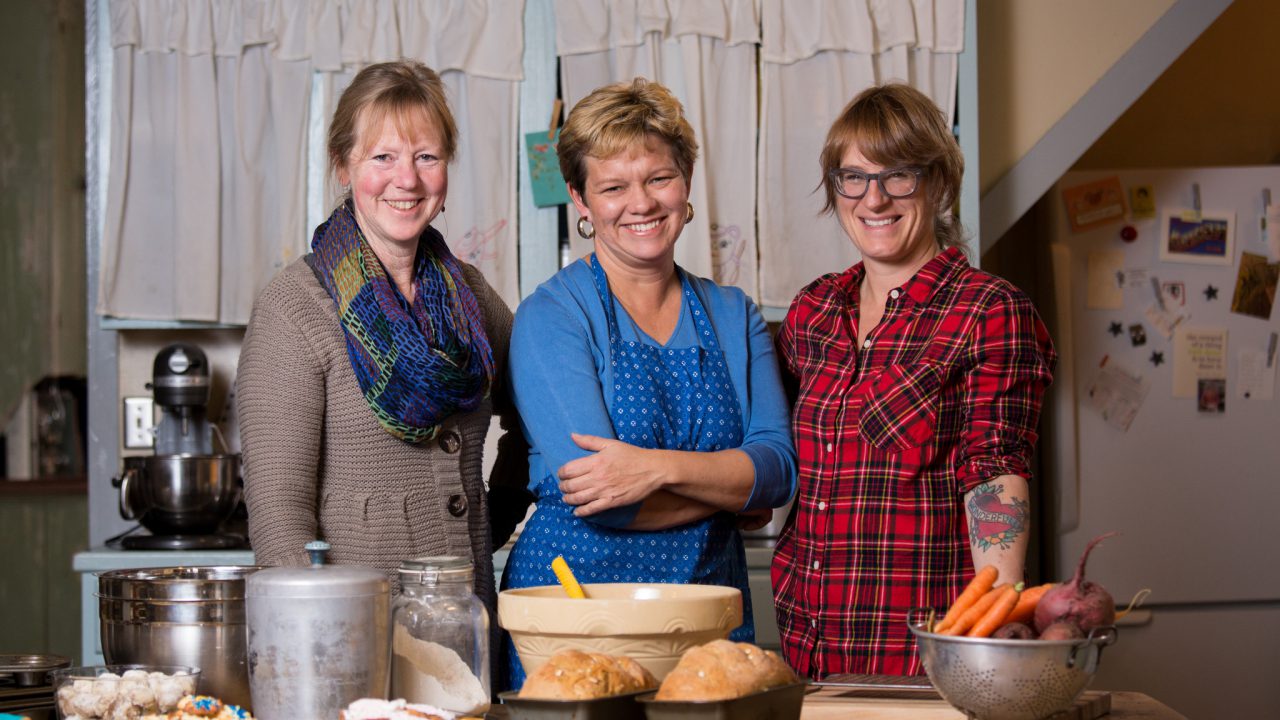
Across the country, governments at every level are chipping away at the rights of food entrepreneurs through irrational and overly burdensome regulations. Since 2013, the Institute for Justice has been at the forefront at the fight for the rights of food entrepreneurs and consumers against these needless restrictions. IJ’s National Food Freedom Initiative has a particular focus on eliminating restrictions that prevent people from making food for sale in their home kitchens.
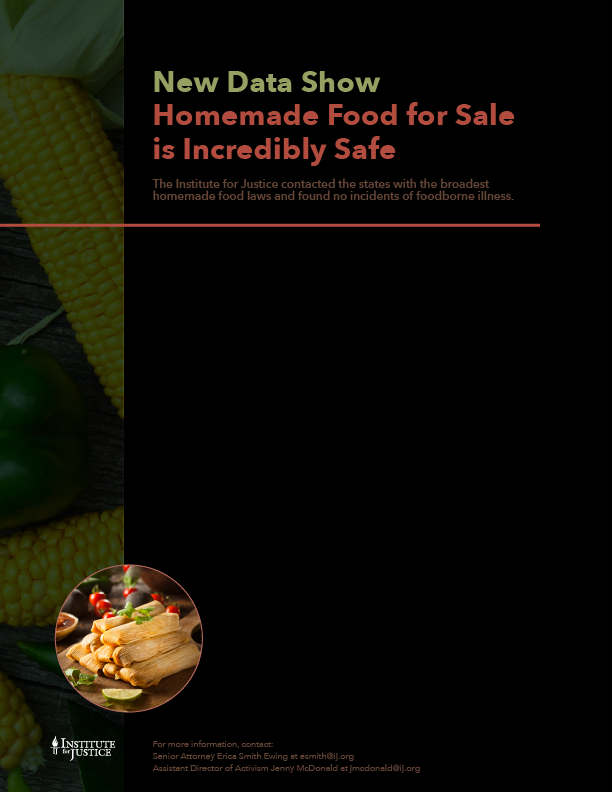
New Data Show Homemade Food for Sale is Incredibly Safe
Is buying homemade food safe? New data from the Institute for Justice (IJ) show the answer to that question is a resounding “yes.”
Homemade Food Laws
Baking Bad, a nationwide survey by the Institute for Justice, provides the most up-to-date account of state laws that allow the sale of homemade food and will be regularly updated whenever a state changes its laws. Using 17 distinct criteria, the report graded and ranked nearly 70 different homemade food programs from all 50 states plus the District of Columbia. (See Methodology)
- The average grade is a C. Nationwide, 13 states have homemade food laws that earned a B or better. Reflecting this recent surge of interest, 12 of those states enacted their reforms in the past five years.
- Thanks to its Food Freedom Act, Wyoming has the best laws in the country for selling food made at home and allows the widest variety of products, earning the report’s only A.
- In sharp contrast, Delaware is dead last, receiving the only F in Baking Bad.
- A
- B
- C
- D
- F
Homemade Food Varieties
Until recently, most reform efforts targeted “cottage food” laws, which tend to be limited to shelf-stable foods that don’t require refrigeration. But starting in 2015 with Wyoming’s Food Freedom Act, more states are allowing an increasing variety of homemade foods to be sold:
- Today, 26 states allow the sale of homemade pickles and other acidified foods.
- In 19 states, entrepreneurs are free to sell home fermented foods like sauerkraut and kimchi.
- Fourteen states allow the sale of refrigerated baked goods, like pumpkin pies and cream-filled pies.
- Five states even allow the sale of home cooked dishes that contain meat, creating a new alternative to opening a restaurant.
- 12 states allow the sale of perishable homemade food to some degree.
- In sharp contrast, cottage food businesses in 16 states can only sell items from an approved list of products set by government regulators.
Restrictions on Selling Homemade Food
Every state allows homemade food to be sold directly to consumers at farmers’ markets. But there the similarities end, as sales and venue restrictions can vary dramatically from state to state:
- Eight states prohibit homemade food businesses from selling online.
- Fifteen states ban mail delivery of cottage food products.
- In 26 states, people selling food made at home face annual revenue caps, ranging from $3,000 for selling pickled foods in Virginia to $250,000 in Florida and Wyoming. Among state laws with yearly sales caps, half are at or under $50,000.
Regulatory Burdens
The ease of opening a home-based food business can fluctuate wildly, not just from state to state, but within states as well:
- Thirty-two states never require an inspection to open a homemade food business, while 25 states do not license, permit, or register home-based food enterprises.
- On the other hand, six states plus the District of Columbia impose extensive inspections and permitting requirements before anyone can open any type of homemade food business–no matter how slight the perceived health risk.
- Nineteen states and the District of Columbia require recipe approval or laboratory testing before selling at least some homemade food products.
- Even if a state law is permissive, local ordinances may further restrict or even outright ban a homemade food business that would be legal elsewhere in the state; only 15 states expressly preempt cities and counties from imposing additional homemade food regulations.
IJ’s National Food Freedom Initiative is a nationwide campaign that brings a variety of legal challenges and legislative efforts to laws that interfere with the ability of people to buy, sell, grow or advertise different foods. As the nation’s leading experts on home kitchen laws, IJ has helped change the law in more than 20 states.
Featured Cases
Economic Liberty | Food Freedom | Private Property | Zoning Justice Project
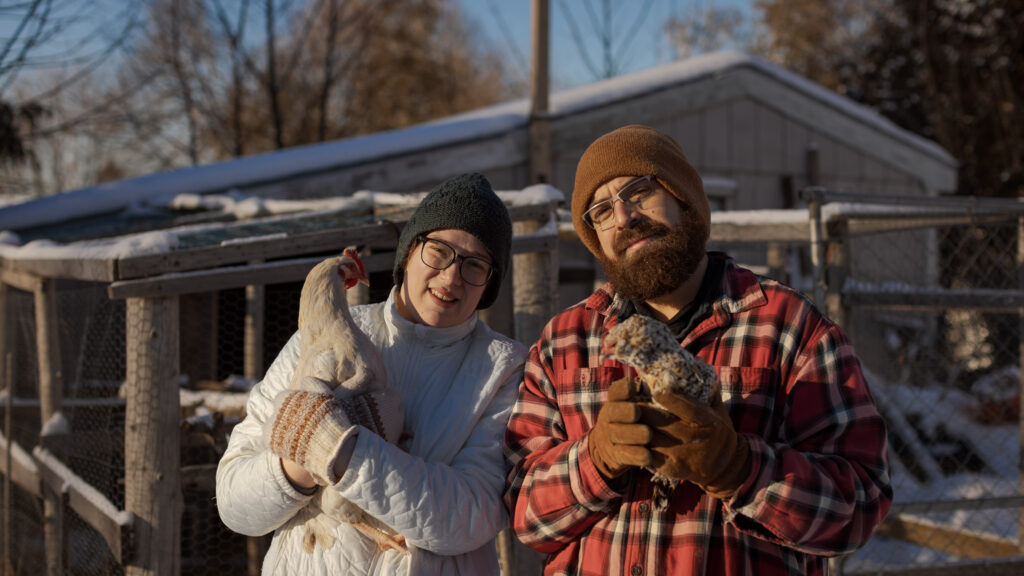
Maine Family Sues to Keep Chickens After City Ban
A family is using Maine’s first-in-the-nation Right to Food amendment to challenge a small town ordinance effectively bans backyard chickens.
Economic Liberty | Food Freedom
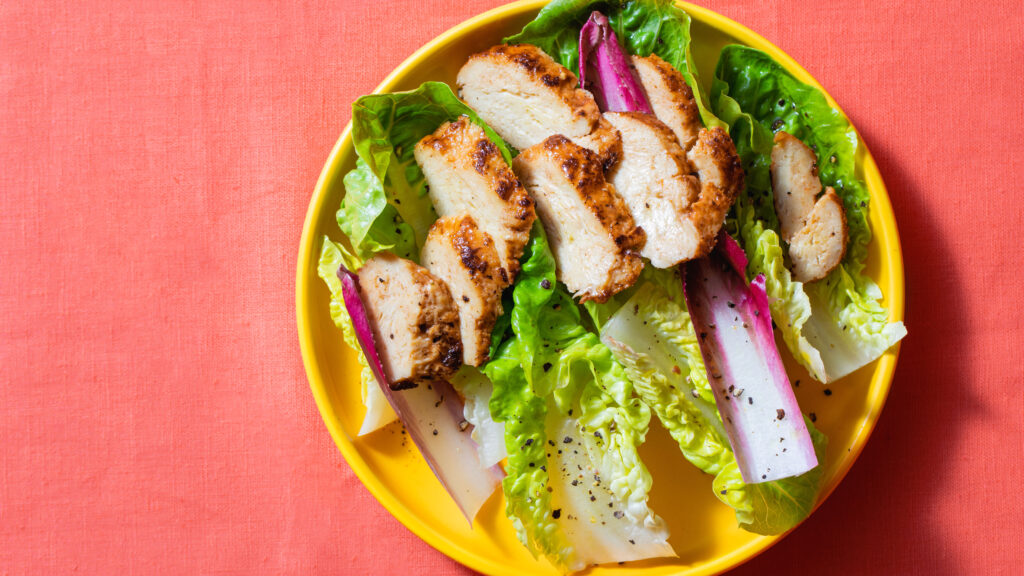
Institute for Justice Partners with Wildtype and UPSIDE Foods to Sue Texas to End Ban on Sale of Cultivated Meat
Wildtype and UPSIDE Foods challenge Texas’s ban on cultivated meat. Texas’ ban is about one thing: protecting in-state agricultural interest from innovative, out-of-state competition.
Economic Liberty | Food Freedom
Institute for Justice Files Lawsuit Challenging Florida’s Ban on Cultivated Meat
Florida banned cultivated meat to protect its cattle industry from competition, but the Constitution prohibits states from closing their borders to innovative out-of-state products.
Is the government trying to crack down on your food business?
Do you own a food or drink-related business that is facing problems or is even under threat of shutdown because of burdensome laws and regulations?
Do you face excessive fines from the government if you don’t shut down your business, limit what you sell, or dig up your garden?
We might be able to help.
If you want IJ to review your case, please share your situation through the following form.
The Institute for Justice is a nonprofit, public-interest law firm dedicated to the protection of constitutional rights, including the right of individuals to produce, procure, and consume homemade foods free from unnecessary and anti-competitive regulations.
Food Freedom Reports and Resources
Economic Liberty | Food Freedom
Baking Bad: Legal Barriers for Starting a Business Selling Homemade Food
This nationwide survey provides the most up-to-date account of state laws that allow the sale of homemade food and will be regularly updated whenever a state changes its laws.
Economic Liberty | Food Freedom
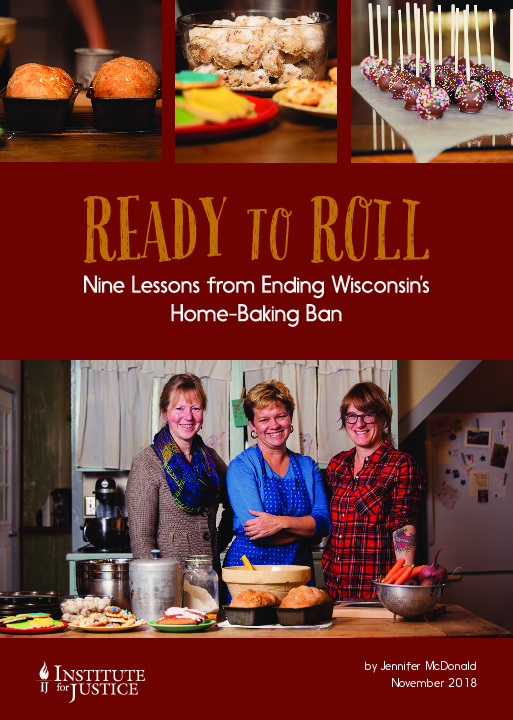
Ready to Roll
Most states have “cottage food laws,” which regulate the sale of homemade foods. The specifics vary from state to state, but most such laws restrict the types of homemade foods that may be sold. Research…
Economic Liberty | Food Freedom
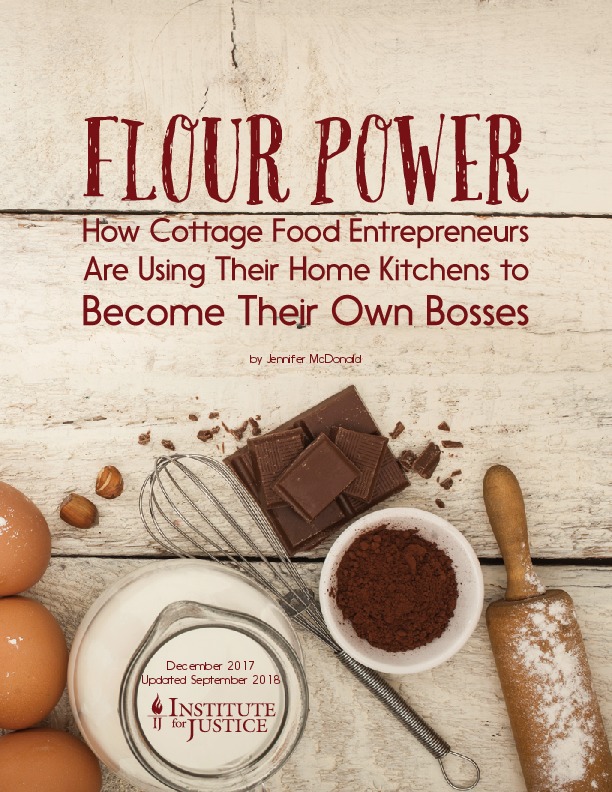
Flour Power
All across the country, thousands of Americans are making food at home to sell in their communities. Together, they form the small but growing “cottage food” industry. With renewed interest in this age-old industry, laws…

Economic Liberty | Vending
The Attack on Food Freedom
Today’s bans and strict regulations ultimately limit the choices available to eaters—which include quite literally everyone—and, in the process, prevent food entrepreneurs from earning an honest living.
Food Freedom Cases
Economic Liberty | Food Freedom | Private Property | Zoning Justice Project
Maine Family Sues to Keep Chickens After City Ban
A family is using Maine's first-in-the-nation Right to Food amendment to challenge a small town ordinance effectively bans backyard chickens.
Economic Liberty | Food Freedom
Institute for Justice Partners with Wildtype and UPSIDE Foods to Sue Texas to End Ban on Sale of Cultivated Meat
Wildtype and UPSIDE Foods challenge Texas's ban on cultivated meat. Texas’ ban is about one thing: protecting in-state agricultural interest from innovative, out-of-state competition.
Economic Liberty | Food Freedom
Institute for Justice Files Lawsuit Challenging Florida’s Ban on Cultivated Meat
Florida banned cultivated meat to protect its cattle industry from competition, but the Constitution prohibits states from closing their borders to innovative out-of-state products.
Economic Liberty | Food Freedom
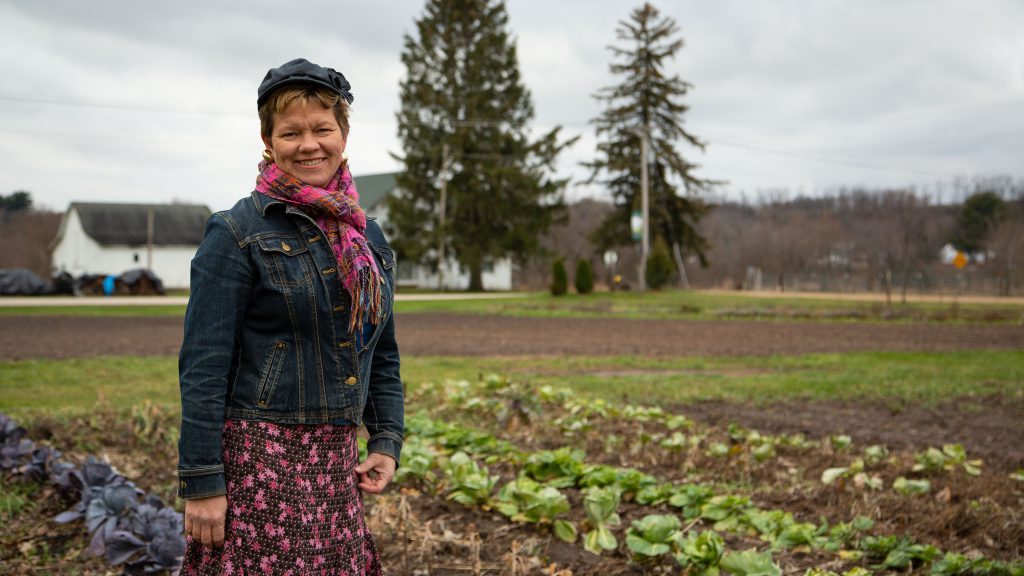
Wisconsin Cottage Foods II
Wisconsin bans the sale of many homemade foods, including common and shelf-stable foods like candies, chocolates, granola and roasted coffee beans. Seven Wisconsinites have joined with IJ to challenge the state’s arbitrary law.
Economic Liberty | Food Freedom
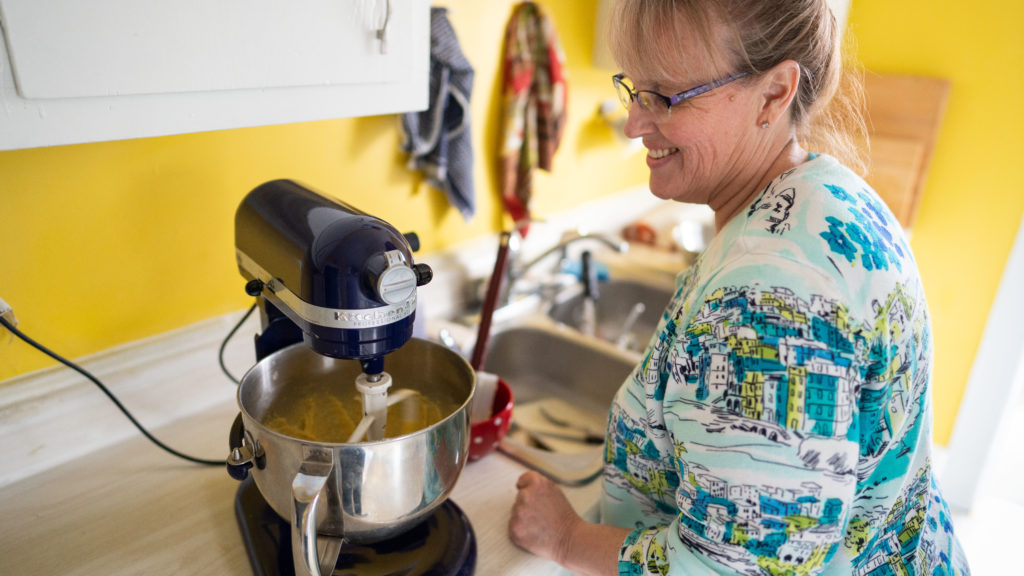
Lincoln Home Baker Challenges City’s Unnecessary Regulations
Lincoln, Nebraska imposed restrictions on home bakers that the state itself decided to get rid of. One home baker named Cindy Baker teamed up with IJ to successfully challenge Lincoln’s foolish restriction.
Food Freedom News
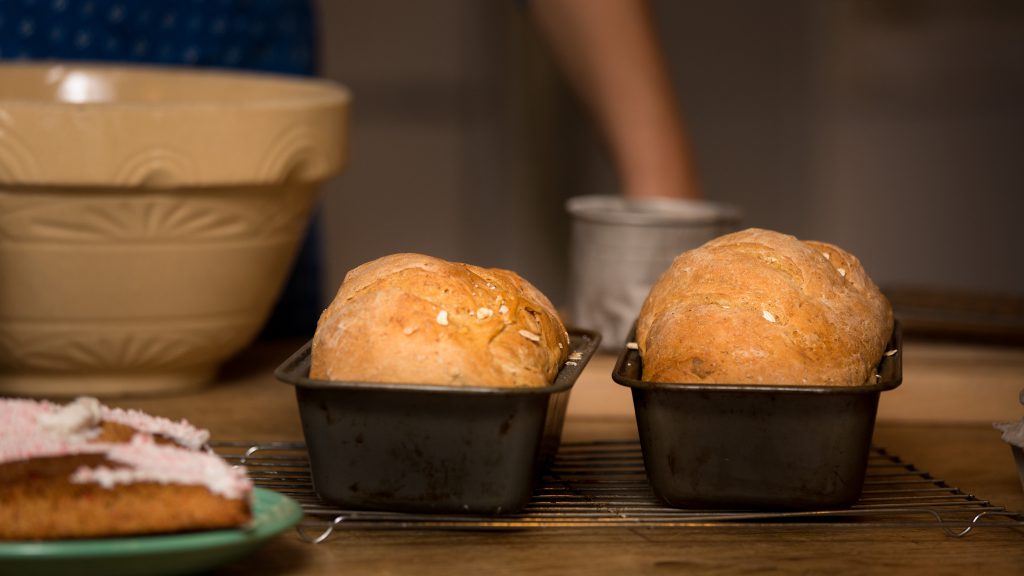
Institute for Justice Tells Wisconsin: Forming an LLC Doesn’t Make Cookies Dangerous
ARLINGTON, Va.—Across Wisconsin, home bakers are getting bad advice from the state government, which is telling them to stop selling their foods through a business entity, like an LLC. Today, the…

Institute for Justice Applauds Oklahoma for Expanding Food Freedom Act
Arlington, Va.—Oklahoma’s home food entrepreneurs will see their opportunities expanded under a new law that allows them to increase their annual sales. On May 5, HB 3720, the Local Food Freedom…

Public Interest Law Firm Applauds West Virginia for Easing Restrictions on Selling Homemade Foods
ARLINGTON, Va.—Today, the Institute for Justice (IJ) applauded West Virginia Gov. Patrick Morrisey for signing into law a bill that would allow home cooks to sell more of their products. IJ worked closely with…
Maine Family Sues to Keep Backyard Chickens After City Ban
CALAIS, Me.—Kamiwan and Paul Oliver’s flock of chickens provides them with eggs and meat to feed their family. Kamiwan and Paul also keep a vegetable garden together, and Kamiwan cans food…
“Let Texans Choose for Themselves”: Lawsuit Challenges State Ban on Cultivated Meat
Tomorrow, the Institute for Justice (IJ), together with innovative protein startups Wildtype and UPSIDE Foods, will announce that they have filed a federal lawsuit against the state of Texas, challenging its…
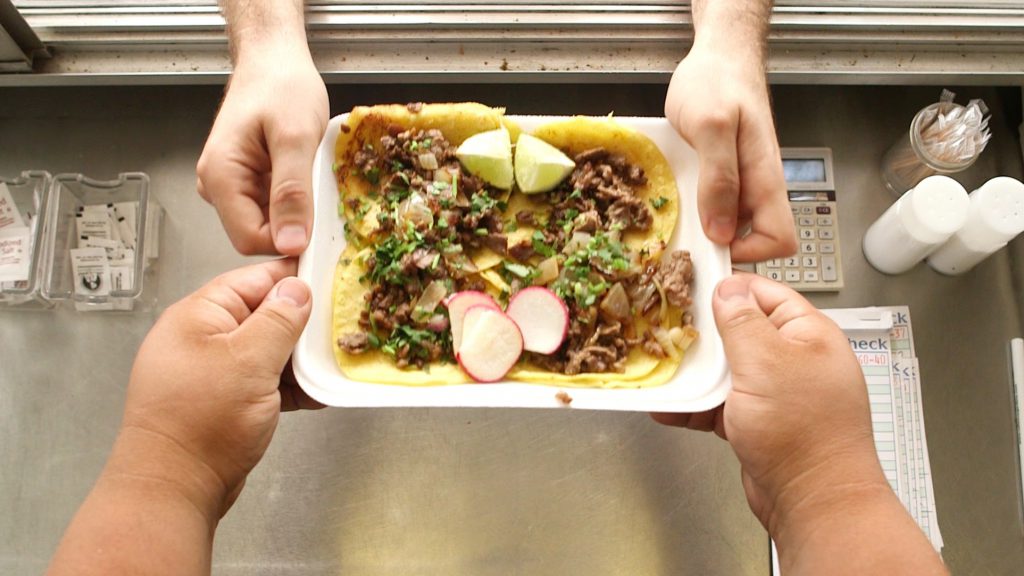
Gov. Lombardo Vetoes Street Vendor Bill; Proponents Vow to Keep Fighting
CARSON CITY, Nev.—On Tuesday evening, Gov. Joe Lombardo vetoed a bill that would have loosened restrictions on street food vendors, which have severely…
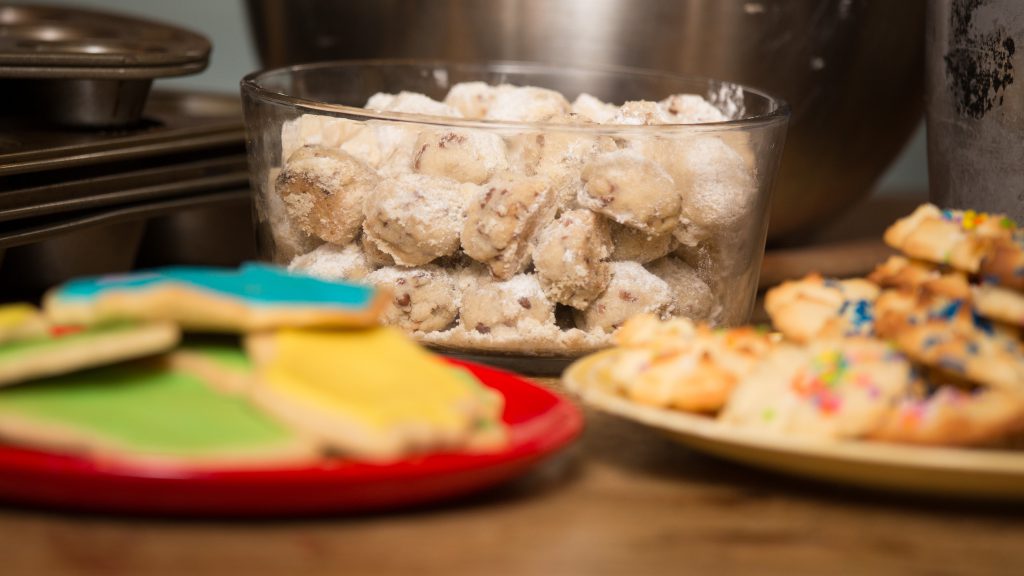
Wisconsin Supreme Court Denies Review of Ban on Non-Baked Homemade Food Sales
ARLINGTON, Va.—Yesterday, the Wisconsin Supreme Court denied a petition for review in a lawsuit challenging a statewide ban on the sale of safe, homemade foods like Rice Krispies Treats and fudge.
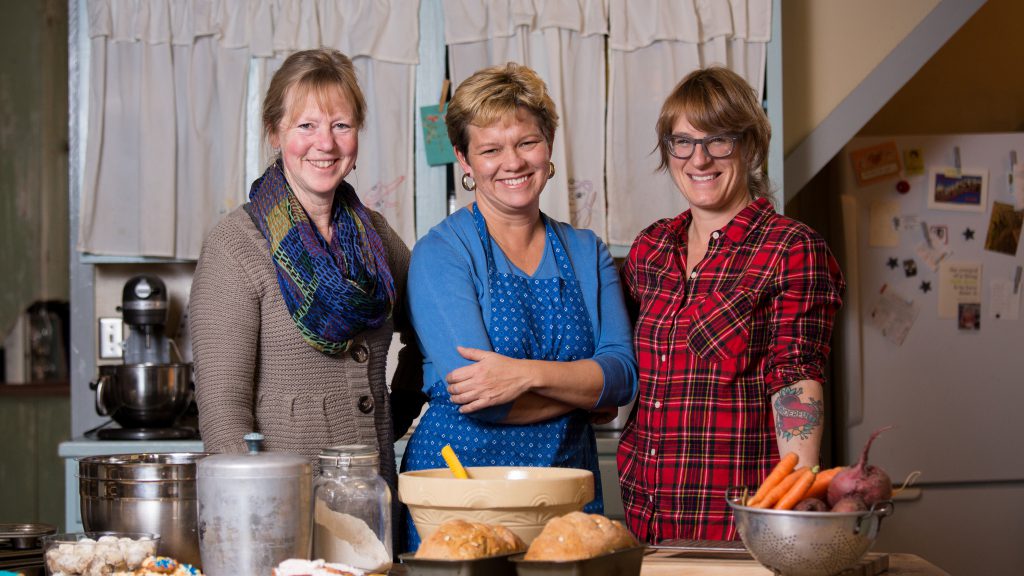
Homemade Food Sellers Ask Wisconsin Supreme Court to Review Ban
ARLINGTON, Va.—Today, thousands of Wisconsinites who want to support themselves by selling safe, homemade foods like Rice Krispies Treats and fudge, along with the Institute for Justice (IJ), asked the…
Food Freedom Legislation

Economic Liberty | Food Freedom
Food Freedom Act
Selling homemade food is a great way for entrepreneurs with big dreams but little capital to start a business. Working from their homes, they can avoid spending tens of thousands of dollars on commercial kitchen…
Food Freedom Research
Food Freedom
New Data Show Homemade Food for Sale is Incredibly Safe
Is buying homemade food safe? New data from the Institute for Justice (IJ) show the answer to that question is a resounding “yes.” IJ contacted the seven states with the broadest homemade food laws…
Economic Liberty | Food Freedom
Baking Bad: Legal Barriers for Starting a Business Selling Homemade Food
This nationwide survey provides the most up-to-date account of state laws that allow the sale of homemade food and will be regularly updated whenever a state changes its laws.
