Court Dismisses Lawsuit Challenging Warrantless Trespassing by Alabama Game Wardens; Property Owners Will Appeal

FLORENCE, Ala.—On Thursday, the Circuit Court of Lauderdale County granted the state of Alabama’s motion to dismiss a constitutional lawsuit challenging a statute that permits game wardens to search private property without a warrant or consent. Killen residents Dalton Boley and Regina Williams, and Muscle Shoals resident Dale Liles, along with their attorneys from the Institute for Justice (IJ) will appeal today’s decision.
“Today’s decision squarely conflicts with the strong protections Alabama’s Constitution promises landowners from warrantless searches,” said IJ Attorney Suranjan Sen. “We look forward to explaining that to the Court of Appeals, which we expect will give people’s right to be secure on their land the care and attention it deserves.”
Alabama’s law that permits warrantless entry reflects a federal rule called the “open fields” doctrine. This doctrine comes from a 1924 Supreme Court case that wrongly held that private land—with the exception of a tiny ring directly around the home—is not entitled to Fourth Amendment protection. But the Alabama Constitution specifically protects against this type of warrantless entry.
Dalton, Regina and Dale teamed up with IJ to file this lawsuit in May 2025, after all three were subjected to warrantless searches of their land at the hand of Department of Conservation and Natural Resources (DCNR) wardens.
Regina and Dalton are neighbors in Killen. For years, Regina has allowed Dalton and his family to use her 10-acre land for camping, exploring and other recreational activities. But after multiple trespasses by DCNR wardens in 2024, Dalton no longer feels comfortable using the land.
“I’m committed to fighting against this law until I can feel safe and secure on this land again,” said Dalton. “Until I know wardens aren’t secretly snooping around on the land, it’s hard for me and my sons to feel comfortable out there.”
In Muscle Shoals, Dale has seen DCNR wardens trespass on his 86-acre property, which he primarily uses for hunting and fishing, at least three times.
“As an outdoorsman, I’m all about wildlife conservation, but if regular police need to get warrants before coming onto private land, game wardens should need to as well,” said Dale. “Not to mention, it’s dangerous for them to be on a hunting property without wearing colors that make them easy to see.”
IJ is the nation’s leading organization protecting Americans’ privacy and property rights. As part of its Project on the Fourth Amendment, IJ has challenged warrantless searches of private land in states throughout the country, including Pennsylvania, Virginia, Louisiana, and Tennessee. While all of those cases are ongoing, IJ defeated the warrantless snooping in Tennessee.
More on Open Fields Doctrine
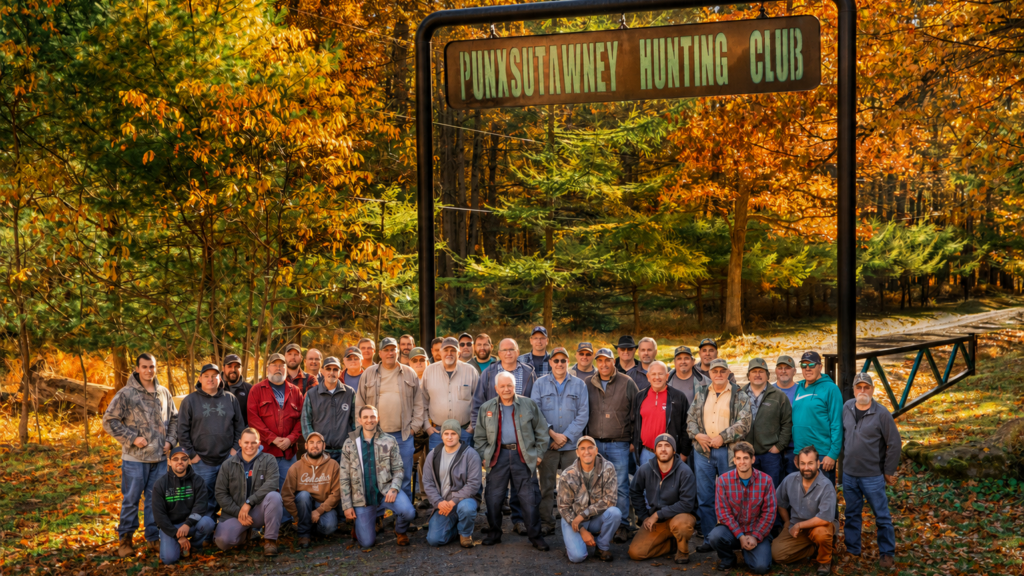
Open Fields Doctrine
Victory! Pennsylvania Supreme Court Rules Against Warrantless Searches of Property
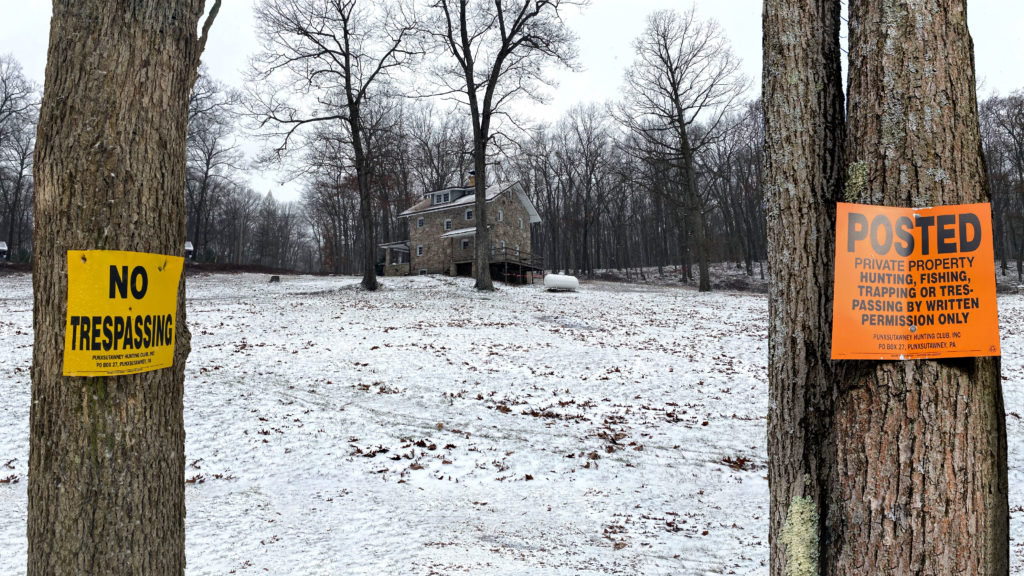
Open Fields Doctrine
Judge Rules Against Pennsylvania Hunting Clubs Seeking to Stop Warrantless Intrusions on Private Property; Plan to Appeal
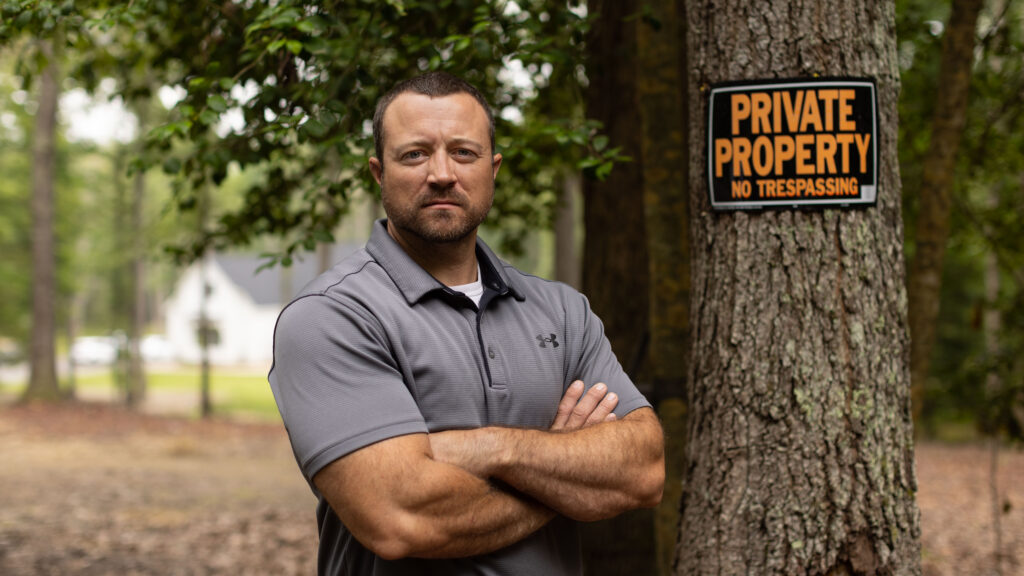
Open Fields Doctrine
