Shoals Area Landowners Will Ask Alabama Supreme Court to Hear Case Challenging Warrantless Trespassing by Game Wardens After Appeals Court Rules Against Them

MONTGOMERY, Ala.—Today, the Alabama Court of Appeals ruled that a statute permitting Department on Conservation and Natural Resources (DCNR) officers to enter private land without a warrant does not violate the Alabama Constitution. Killen residents Dalton Boley and Regina Williams, and Muscle Shoals resident Dale Liles, represented by the Institute for Justice (IJ), will appeal the decision to the Alabama Supreme Court.
“Alabama’s constitution protects the right of Alabamians to be free from unreasonable searches and seizures like those conducted by DCNR wardens,” said IJ Attorney Suranjan Sen. “We’re prepared to take this fight to the Alabama Supreme Court to protect the rights of not just Dalton, Regina and Dale, but all Alabamians.”
Alabama’s law that permits warrantless entry reflects a federal rule called the “open fields” doctrine. This doctrine comes from a 1924 Supreme Court case that wrongly held that private land—with the exception of a tiny ring directly around the home—is not entitled to Fourth Amendment protection. But the Alabama Constitution specifically protects against this type of warrantless entry, by stating that Alabamians should be secure in all their “possessions.”
“State courts are increasingly holding that unfettered searches of private land have no place under their state constitutions,” said IJ senior attorney Joshua Windham. “In fact, both the Tennessee Court of Appeals and the Pennsylvania Supreme Court recently rejected these exact kinds of intrusions. We look forward to presenting the Alabama Supreme Court with an opportunity to continue that important trend.”
Dalton, Regina and Dale teamed up with IJ to challenge this law in May 2025, after each experienced warrantless snooping by DCNR wardens. Dalton and Regina are neighbors with a great relationship. Regina allows Dalton and his young sons to use her property for outdoor activities. It was a place for Dalton, a military veteran, to go and relax, and for his kids to explore nature. But multiple times in 2024, DCNR wardens came onto Regina’s property without a warrant and accused Dalton of baiting deer, which he did not do. The incidents left both Regina and Dalton feeling like their security had been violated.
“This used to be a place I could come to relax and clear my mind, but because of the wardens’ warrantless snooping I no longer feel at peace out here,” said Dalton. “That’s why I remain committed to fighting this law.”
Over in Muscle Shoals, Dale has 86 acres which he and his family use for hunting. Much like Regina and Dalton, Dale has had DCNR wardens trespass on his property multiple times without a warrant, leaving him with a sense of unease about who might be on the land when he and his family are hunting.
“I strongly believe we are on the right side of this argument and I believe most Alabamians would agree,” said Dale.
IJ is the nation’s leading organization protecting Americans’ privacy and property rights. As part of its Project on the Fourth Amendment, IJ has challenged warrantless searches of private land in states throughout the country, including Pennsylvania, Louisiana, and Tennessee. While Louisiana case is ongoing, IJ defeated the warrantless surveillance in Tennessee and Pennsylvania.
More on Open Fields Doctrine
Open Fields Doctrine
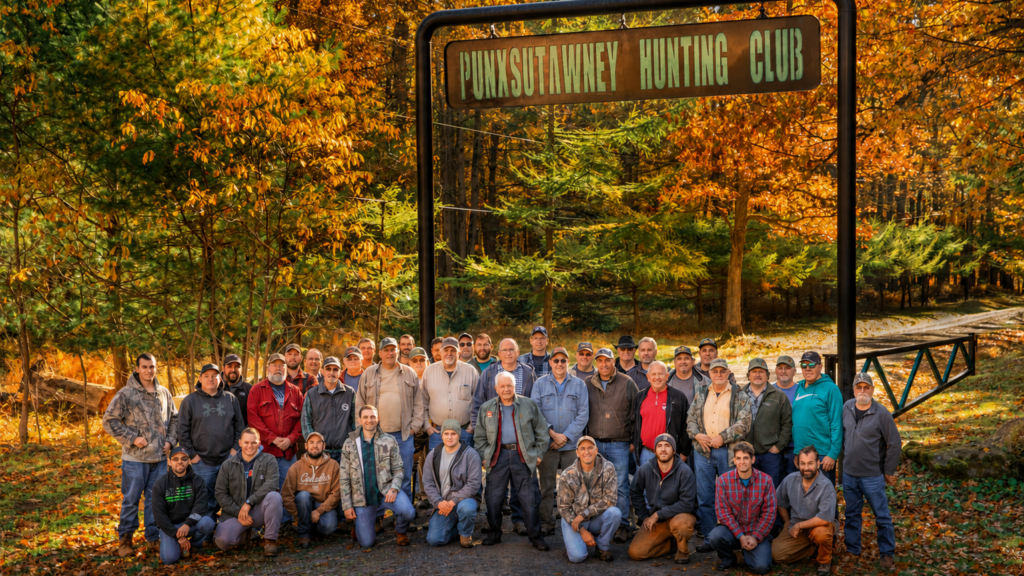
Victory! Pennsylvania Supreme Court Rules Against Warrantless Searches of Property
Open Fields Doctrine
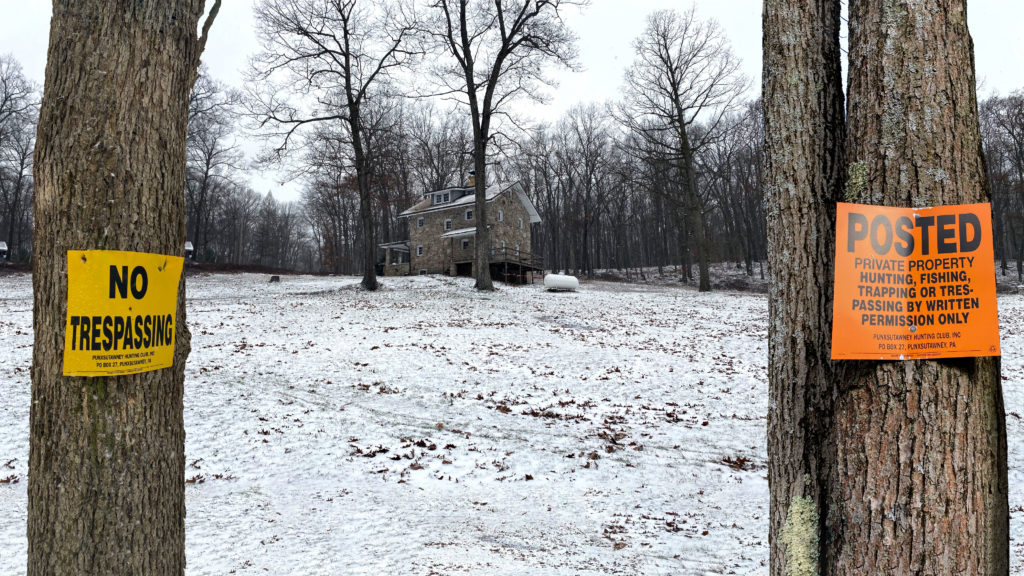
Judge Rules Against Pennsylvania Hunting Clubs Seeking to Stop Warrantless Intrusions on Private Property; Plan to Appeal
Open Fields Doctrine


