Victory! Pennsylvania Supreme Court Rules Against Warrantless Searches of Property
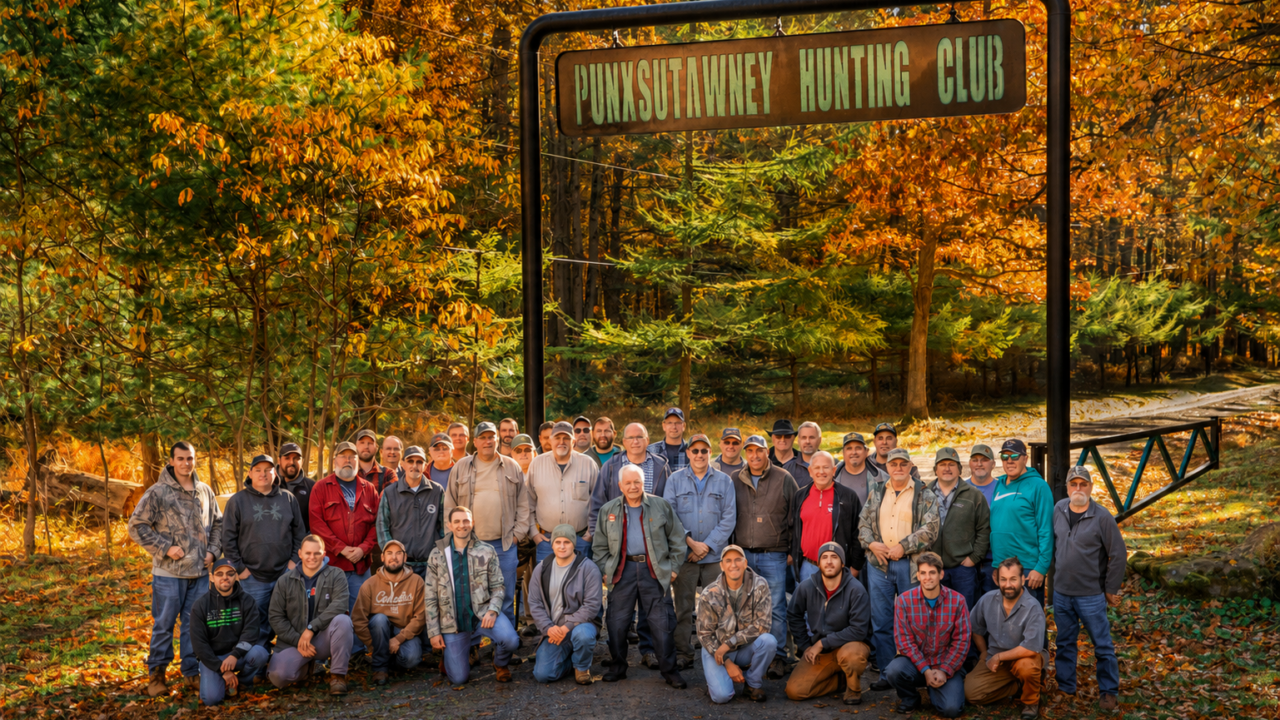
ARLINGTON, Va.—Today, in a landmark decision, the Pennsylvania Supreme Court ruled unanimously 7-0 in favor of the Punxsutawney and Pitch Pine hunting clubs in their case against warrantless searches of their property by state government agents. The Institute for Justice (IJ), a public interest law firm and a leader in protecting property rights around the nation, represented the clubs. The decision is a major victory for all Pennsylvanians’ right to be secure on their land and marks a final victory with no further appeal available.
“Today, the Pennsylvania Supreme Court affirmed that private land is not public property. It’s yours, and that means you get to decide who enters it. If government officials want to invade your posted land without your consent and spy on you, they need to get a warrant,” said Joshua Windham, a senior attorney at IJ. “By restoring that foundational protection, the court bolstered the property and privacy rights of millions of Pennsylvanians—and sent a warning to officials across the country who still believe they can invade private land at will: Watch your step.”
At the heart of the case is the open fields doctrine, a rule that allowed government officials to search private land without a warrant. In 1924, the U.S. Supreme Court held that the Fourth Amendment—which typically forbids warrantless searches—did not apply to so-called “open fields” (all land except the area immediately surrounding a home). As a result, about 96% of all private land in the country, and over 90% of all private land in Pennsylvania, was previously exposed to warrantless searches and surveillance.
For decades, the Pennsylvania Game Commission (PGC) had routinely and systematically sent agents onto private land, including the Punxsutawney and Pitch Pine hunting clubs, without notice or warrants. This decision will now put a stop to that.
“This is a victory for all landowners in Pennsylvania,” said Frank Stockdale, president of the Punxsutawney Hunting Club. “Generations of members have come to this club to relax, to bond, to laugh, and to find peace. It’s a private place—that’s what makes it so special. Today, the Pennsylvania Supreme Court honored that privacy.”
Jeff Fink, president of the Pitch Pine Hunting Club, added: “I spent most of my career in law enforcement. And one thing that every good police officer knows is that there is no law higher or more important than the Constitution. For years, the Pennsylvania Game Commission has acted as if it’s above the law, invading our land and spying on our members whenever it pleases. We now know the Pennsylvania Constitution forbids that, and thank goodness.”
In explaining its decision, the unanimous court wrote: “[We] hold that Article I, Section 8 provides Pennsylvania citizens with greater protection than the Fourth Amendment to the United States Constitution as it relates to the open fields of any landowner that has demonstrated a reasonable expectation of privacy by taking sufficient steps to exclude intruders therefrom. Accordingly, the Commission’s officers, employees, and representatives, as well as any other government officials, must obtain a warrant based upon probable cause or satisfy one of the recognized exceptions to the warrant requirement before entering such property. For these reasons, we reverse the Commonwealth Court’s order.”
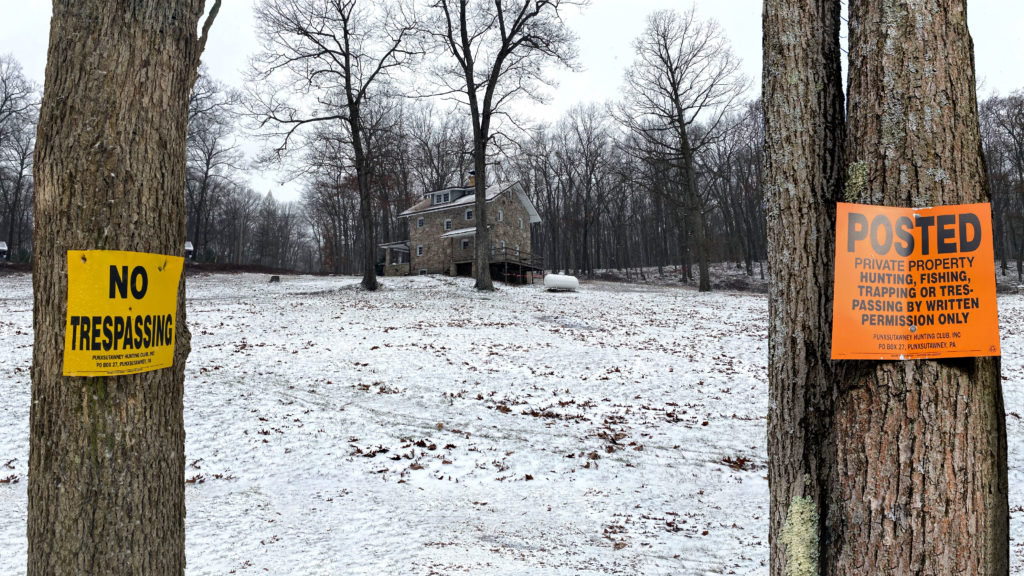
The court further explained: “We believe that society is both prepared and willing to protect a landowner’s expectation of privacy in his/her affairs conducted on his/her private land located beyond the curtilage as reasonable and legitimate when such landowner has taken sufficient steps to notify members of the public that the land is private and that they should not trespass thereon.”
The Institute for Justice is the nation’s leading advocate for property rights. This case is part of IJ’s Project on the Fourth Amendment, which seeks to vindicate the right to be secure from unreasonable searches and seizures. IJ is currently litigating similar cases to protect private land from warrantless intrusions in Alabama, Louisiana, and Virginia.
# # #
To arrange interviews on this subject, journalists may call Phillip Suderman, IJ’s communications project manager, at (850) 376-4110. More information on the case is available at: https://ij.org/case/pennsylvania-open-fields/
More on Open Fields Doctrine

Open Fields Doctrine
Court Dismisses Lawsuit Challenging Warrantless Trespassing by Alabama Game Wardens; Property Owners Will Appeal
Open Fields Doctrine
Judge Rules Against Pennsylvania Hunting Clubs Seeking to Stop Warrantless Intrusions on Private Property; Plan to Appeal
Open Fields Doctrine