Sixth Circuit To East Cleveland: You Can’t Tow Away Dissent

William Fambrough loves his city of East Cleveland, Ohio, despite its challenges.
In 2021, he was concerned about mismanagement at city hall, so he decided to speak up by supporting a friend on the City Council in her bid to unseat the incumbent mayor. William used his step van (an old FedEx truck) to campaign, displaying a large sign and broadcasting messages around town. It’s the kind of old-school speech that makes self-government possible and that sits at the core of the First Amendment.
But city hall didn’t appreciate the competition. So the mayor and his chief of staff ordered the police chief to sic the entire police department on William’s van. They descended on his home when he was preparing to campaign one day and seized the van, causing thousands of dollars in damage and knocking it out of the campaign.
It’s the kind of old-school speech that makes self-government possible and that sits at the core of the First Amendment.
It was a textbook case of First Amendment retaliation—a now-central part of IJ’s free speech practice challenging the pretextual use of seemingly speech-neutral laws as a form of backdoor censorship. That pretext here was obvious. The parking ordinance used to tow William’s van seemingly bans parking even a pickup truck at home, but it’s never been enforced that way.
That includes never being enforced against William’s van when it was parked at his home for years without incident, against a nearly identical van a neighbor had a block away, or against a similar van parked right behind William’s van even as it was being towed.
Litigating the case has illustrated why IJ has made First Amendment retaliation a major focus. At the same time that courts have excelled in scrutinizing laws that directly target speech, those courts are often far too willing to excuse retaliation that accomplishes the same end. Here, in a series of decisions, the district court dismissed all of William’s claims. It reasoned that because city officials were putatively enforcing parking and noise ordinances, it didn’t matter why they were doing it or whether those laws were being selectively enforced.
Fortunately, this October, the 6th Circuit disagreed. In a significant victory for William and IJ, the court revived his First Amendment retaliation claims.
Building on our 2024 U.S. Supreme Court victory for Sylvia Gonzalez, the ruling rejected the district court’s decision to extend to this case certain special rules that make it more difficult for plaintiffs to bring claims for retaliatory prosecutions and arrests.
As the court explained, “Municipal ordinances touch nearly every aspect of daily life. This raises the prospect that an official need only pick a target because the search for a violation won’t be hard. These conditions are the natural habitat of retaliation. And we should be wary of officials engaging in a death-by-a-thousand-cuts approach through enforcement of minor infractions.”
It wasn’t a total victory. The court granted qualified immunity to the police chief who ordered the tow and citations on the grounds he was only following orders. And we will seek Supreme Court review on a Fourth Amendment issue—specifically the court’s ruling that there was a “community caretaking” exception to the Fourth Amendment that allowed police to impound William’s van without a warrant when it wasn’t obstructing traffic and when he was there and able to drive it away.
The thrust of the ruling, however, is clear: Officials can’t weaponize municipal codes to target their critics. We had a difficult road to get here. And as the case continues, this vindication of William’s speech rights was worth the wait.

Also in this Issue

Liberty & Law
VICTORY! Jury Holds Texas County Liable For Baseless Highway Stops
Liberty & Law
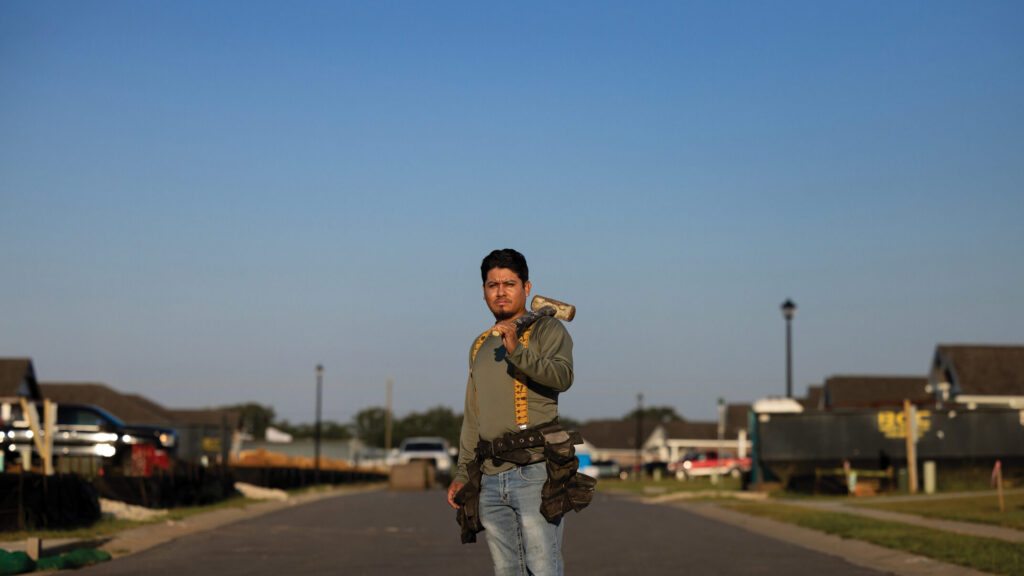
The Fourth Amendment Is Back On The Jobsite In Alabama

Liberty & Law
VICTORY: Humboldt County Reforms Predatory Code Enforcement Scheme

Liberty & Law
Opening The Road For Mobile Beauty Entrepreneurs In South Carolina

Liberty & Law
Ten Years, Two Lawsuits, One Unbroken Principle

Liberty & Law
New IJ Research Shows Public Benefits Becoming Private Burdens
Liberty & Law
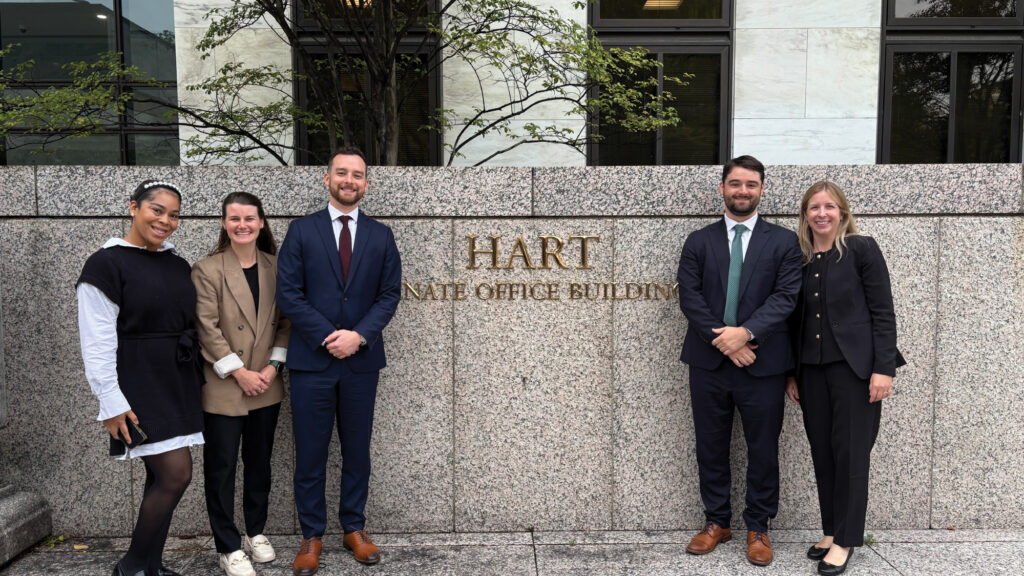
From the Courtroom to Capitol Hill: Challenging Mass Surveillance
Liberty & Law
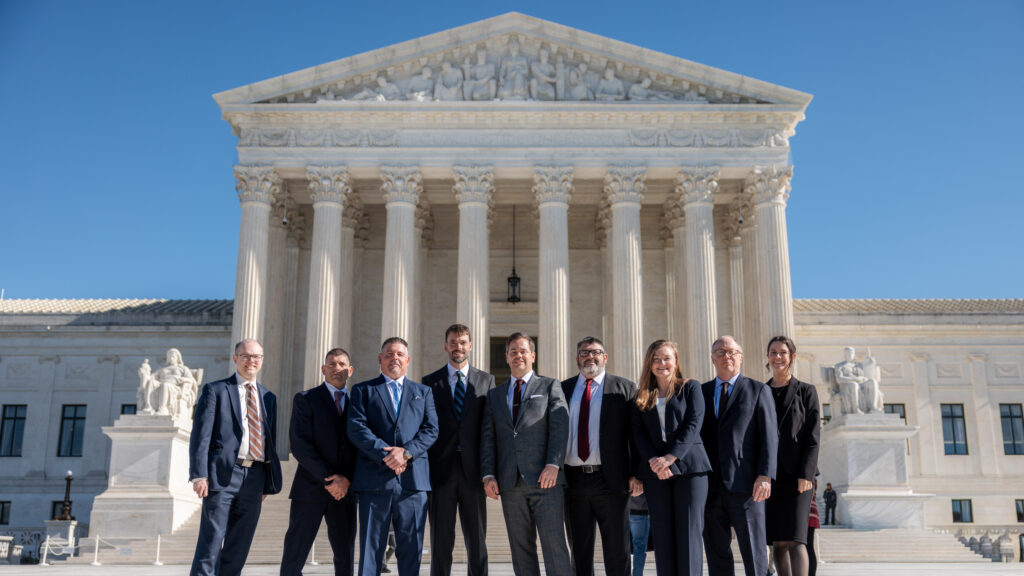
Keep Swingin’: The Long Game For Liberty
Liberty & Law
IJ Makes Headlines
Subscribe to get Liberty & Law magazine direct to your mailbox!
Sign up to receive IJ's bimonthly magazine, Liberty & Law, along with breaking news updates about the Institute for Justice's fight to protect the rights of all Americans.