New IJ Research Shows Public Benefits Becoming Private Burdens
If the government takes your home or business to build a road or courthouse, the Constitution requires that it pay you just compensation. This makes perfect sense. It’s fundamentally unfair to turn public uses into private burdens.
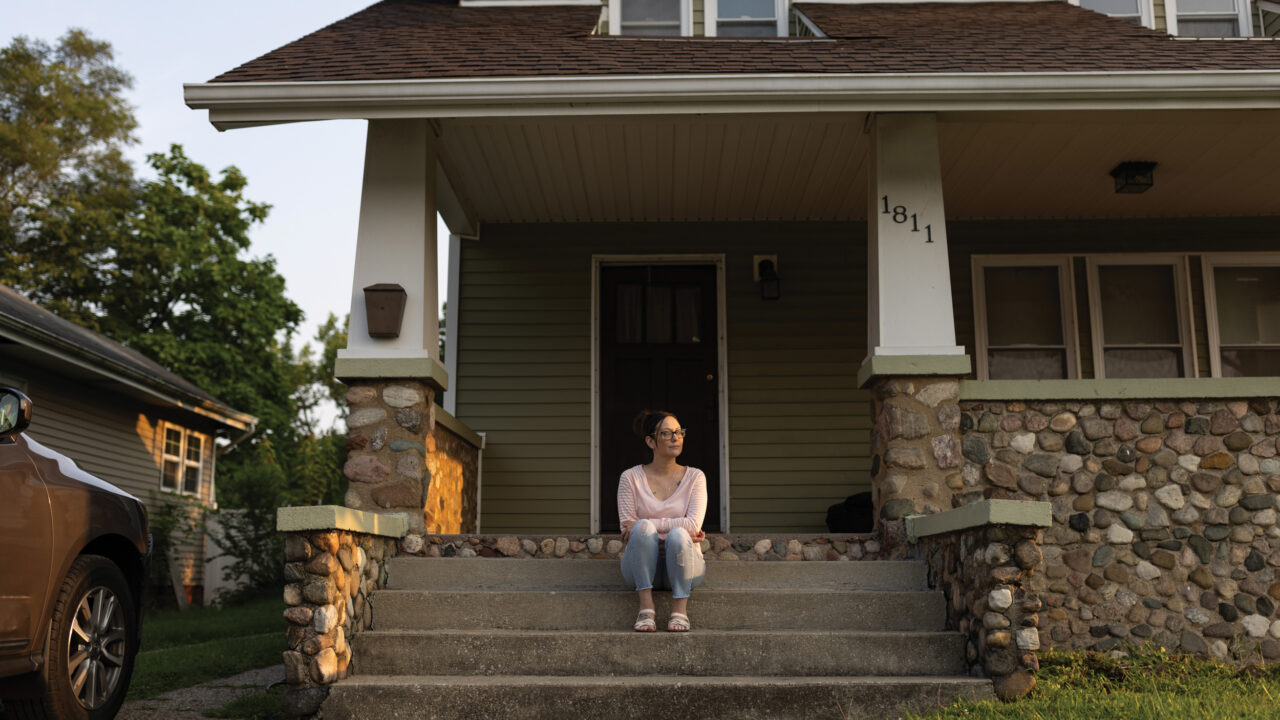
Unfortunately, this principle goes out the window when law enforcement damages innocent people’s property while trying to protect the public. IJ clients like Amy Hadley and Carlos Pena learned this to their quite literal cost. As Liberty & Law readers will recall, SWAT teams destroyed Amy’s home and Carlos’ shop while pursuing criminal strangers. Their cities now refuse to cover the tens of thousands of dollars in damage.
We know Amy, Carlos, and our other clients who experienced destructive SWAT raids aren’t alone. But no one has ever quantified, on a national basis, how often property owners seek compensation for law enforcement property damage and how often they are denied—until now.
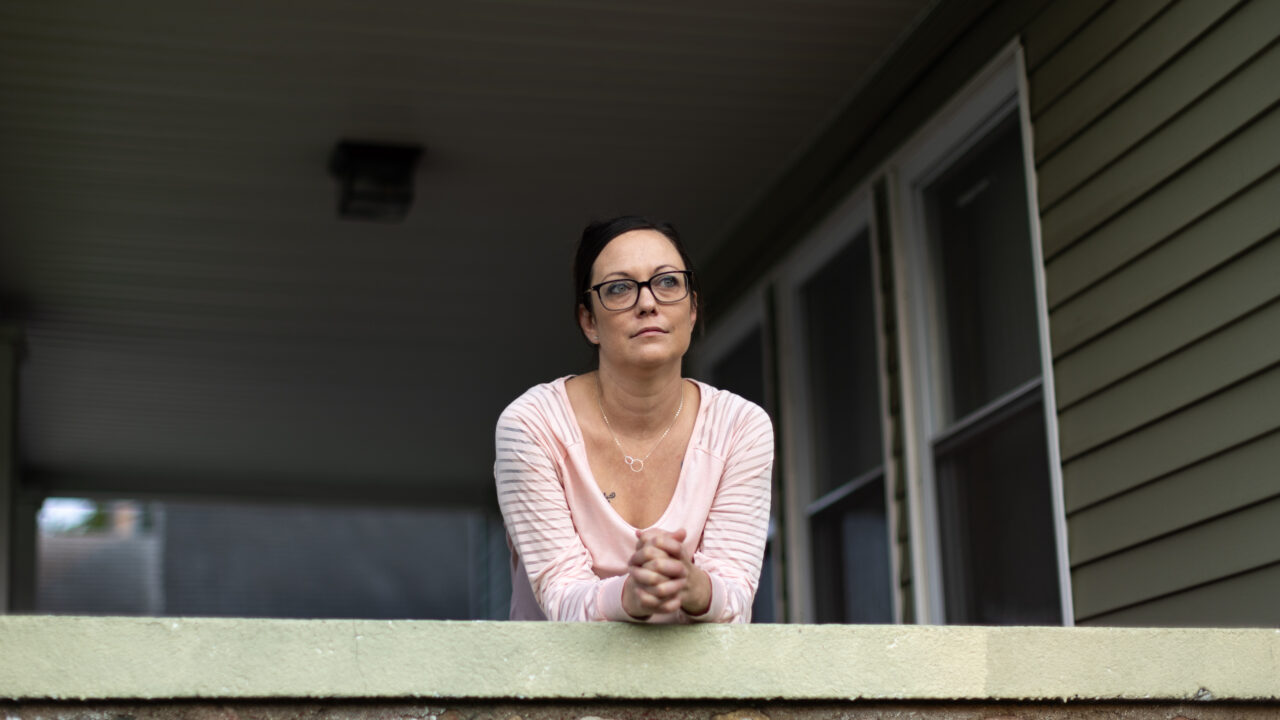
Released in September, our latest strategic research report, Public Benefit, Private Burden, finds local governments frequently leave private citizens on their own to bear the costs of policing.
All told, we identified more than 2,700 claims for law enforcement property damage across 222 local jurisdictions over nine years. Municipalities denied 60% of all claims with known outcomes and 41% of those where the property owners were innocent bystanders, lacking any relationship to the person who triggered the law enforcement action.
We also found that while law enforcement property damage can create genuine hardship for ordinary people, compensating claimants would pose little burden to local governments. The median value of a property damage claim in our data was $1,260.
That amount is a lot less than the damage wrought on Amy or Carlos. This reflects the fact that the plurality of claims involved residential damage from routine law enforcement activities like damaging a door while forcing entry (37%) or vehicle damage (25%), not wholesale damage from SWAT raids—though, at 12%, residential damage from tactical raids was the third largest category. Still, $1,260 is more than most Americans have in their emergency funds. And some claims were far more costly: About 1 in 10 sought $10,000 or more.
Even as such costs can be onerous for individuals, they are trivial for local governments. If municipalities paid every claim in our data, it would have cost them only about $6,500 a year—a tiny fraction of their annual spending. And this is almost certainly overestimating the government’s burden, as some claims in our data, such as those where owners were at fault for the law enforcement action, would not qualify as takings.
The U.S. Supreme Court can require governments to pay when actions taken by law enforcement to benefit the public result in private property damage. The Court recently declined to hear Amy’s and Carlos’ cases, but it has also clearly signaled interest in this issue—and IJ won’t stop bringing cases of innocent victims of law enforcement property damage.
Public Benefit, Private Burden shows this is a pressing national issue. This new research also means our attorneys are even better equipped to show why governments should have to buy what they break—and to allay any fears that compensating worthy owners would break the bank.
Two Paths To Justice
When police damage an innocent person’s home, who pays?
Most of IJ’s cases on this question don’t challenge the officers’ conduct. They were lawfully chasing a fugitive, for instance, and the only question is whether the government must compensate the owner for property it destroyed for the public’s benefit.
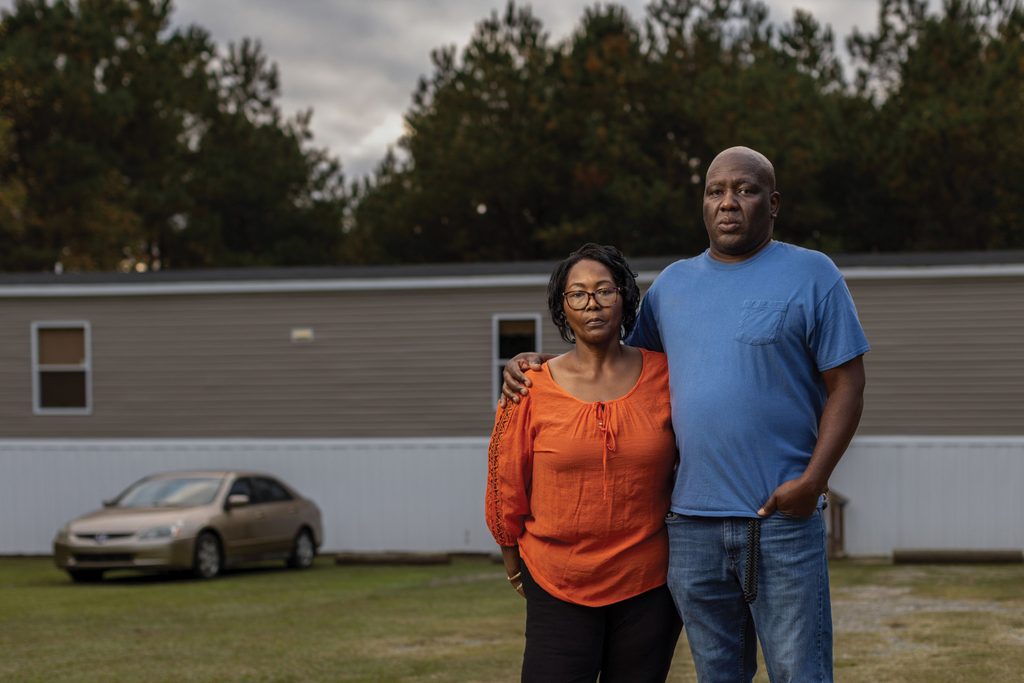
Alisa Carr’s case is different because she has two avenues to receive just compensation—and a federal court recently endorsed both.
In April 2024, sheriff’s deputies hunting a suspected thief raided Alisa’s home in Willard, North Carolina. The only link was cell phone location data placing his phone in the neighborhood. Officers saw a car out front that, like a vehicle associated with the suspect, was a Nissan sedan. But everything else about the car was different: model, year, license plate, color, owner.
An officer got a warrant anyway based on a sworn statement that deputies had seen the suspect’s car there, which was false. In the middle of the night, a tactical team broke in, set off flash-bang grenades, aimed guns at the family, and sent Alisa to the hospital. The fugitive was across the street.
Alisa’s case pursues justice on two parallel tracks: First, the officers violated the Fourth Amendment by misleading a judge, botching the investigation, and raiding the wrong home, so they may be liable. Second, whether or not the officers acted unlawfully, the raid took Alisa’s property for a public use: catching a criminal suspect. Under the Takings Clause, the public should pay for that, not one unlucky homeowner.
In August, a federal court let both theories go forward. It denied qualified immunity to the officers and allowed Alisa’s takings claims under the U.S. and North Carolina Constitutions to proceed.
Whoever is to blame, Alisa shouldn’t be left holding the bill.
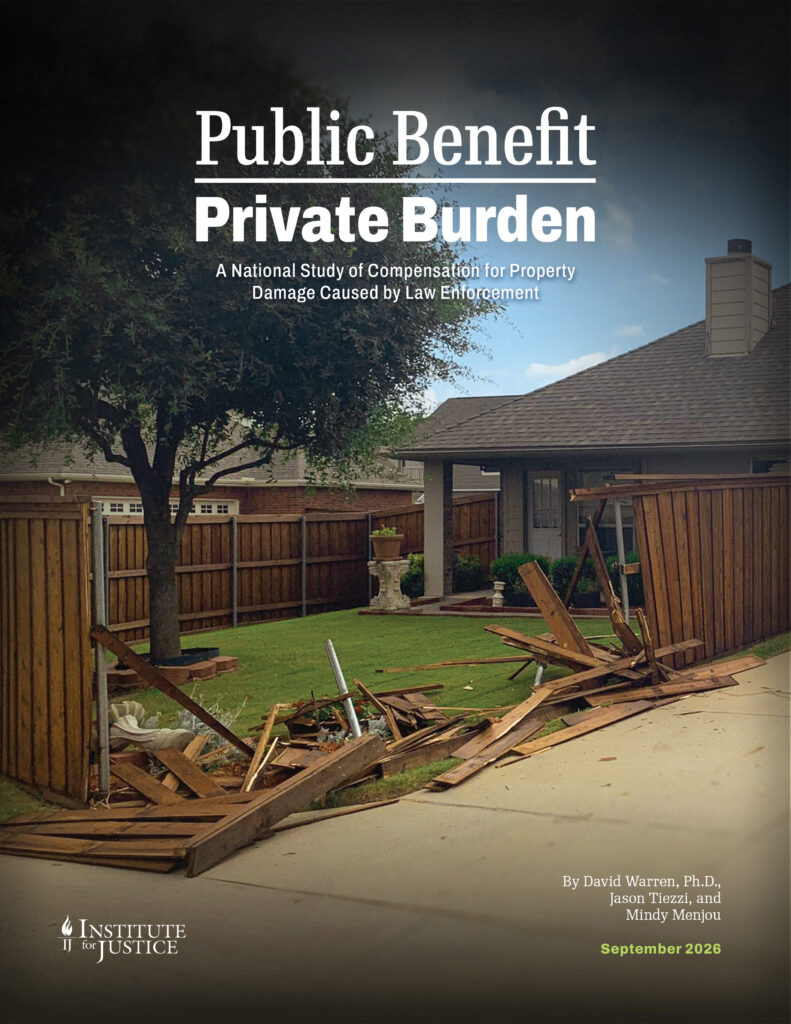
No one has ever quantified, on a national basis, how often property owners seek compensation for law enforcement property damage and how often they are denied–until now.

Also in this Issue
Liberty & Law
VICTORY! Jury Holds Texas County Liable For Baseless Highway Stops
Liberty & Law
The Fourth Amendment Is Back On The Jobsite In Alabama
Liberty & Law
VICTORY: Humboldt County Reforms Predatory Code Enforcement Scheme
Liberty & Law
Sixth Circuit To East Cleveland: You Can’t Tow Away Dissent
Liberty & Law
Opening The Road For Mobile Beauty Entrepreneurs In South Carolina
Liberty & Law
Ten Years, Two Lawsuits, One Unbroken Principle
Liberty & Law
From the Courtroom to Capitol Hill: Challenging Mass Surveillance
Liberty & Law
Keep Swingin’: The Long Game For Liberty
Liberty & Law
IJ Makes Headlines
Subscribe to get Liberty & Law magazine direct to your mailbox!
Sign up to receive IJ's bimonthly magazine, Liberty & Law, along with breaking news updates about the Institute for Justice's fight to protect the rights of all Americans.