The Fourth Amendment Is Back On The Jobsite In Alabama
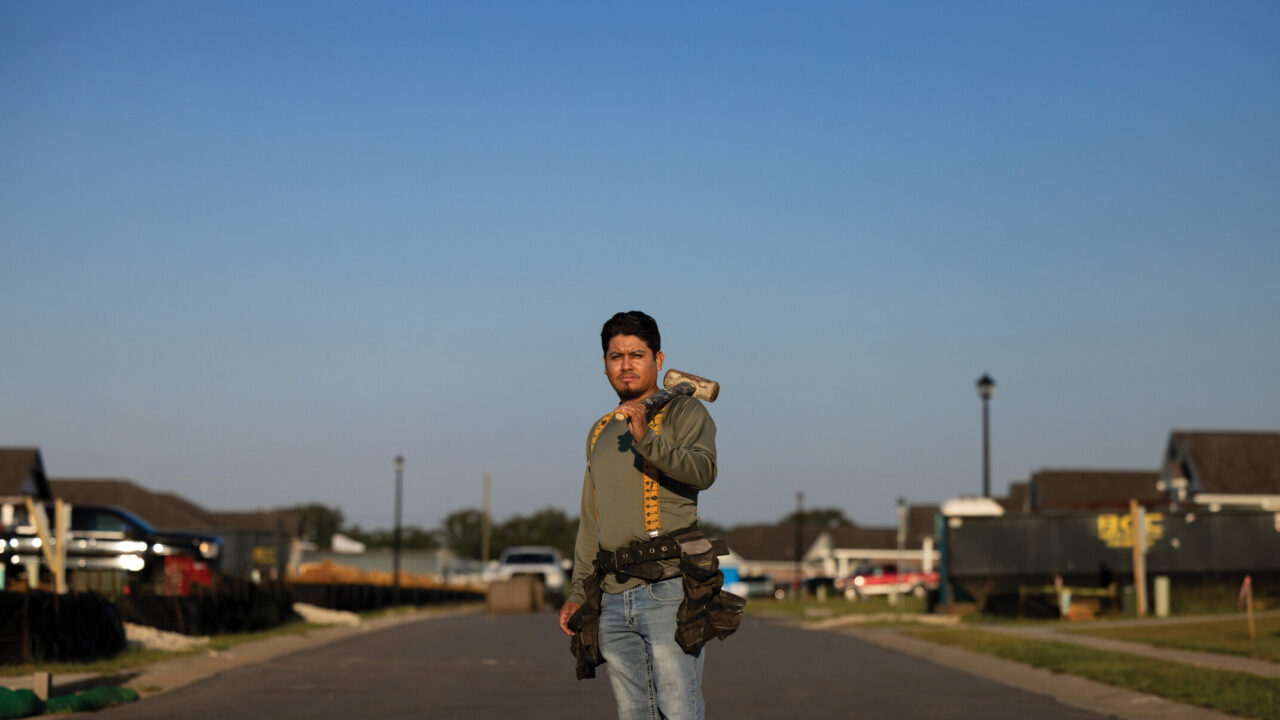
A federal court in Alabama recently sided with IJ and ruled that the government needs to get a warrant to enter private worksites.
Last year, IJ sued the Department of Homeland Security on behalf of Leonardo Garcia Venegas, a U.S. citizen and construction worker in Alabama. Twice in two months, immigration officers detained Leo at work even after Leo told them he was a citizen and showed his REAL ID.
Leo’s lawsuit challenges three policies that violate the Fourth Amendment, federal law, and DHS’ own regulations. Specifically, DHS authorized officers to enter construction sites without a warrant, round up workers without evidence that individual workers had done anything wrong, and then continue detaining those workers even after they showed a government-issued ID to prove their legal status.
Our arguments are simple: The government needs a warrant to enter private worksites. It needs individualized suspicion to detain workers. And it must let people go as soon as they dispel an officer’s suspicion.
If a customer can’t walk into an office, break room, or construction site, than neither can the government.
The first of these arguments builds on IJ’s work to keep the government out of parts of a business where the public is not invited. If a customer can’t walk into an office, break room, or construction site, then neither can the government.
From there, we built on our cases about car impounds, mistaken-identity arrests, and wrong-house raids. The government must have a good reason to justify a search or seizure, and the intrusion must end once a reasonable officer would realize their initial justification was wrong.
A federal court held an evidentiary hearing back in May. A regional manager within the agency testified that DHS believes construction sites are “open fields” that its agents can inspect without permission. He also admitted that officers raid construction sites without any idea of whom they might find—let alone any suspicion about the individual workers. And he testified that DHS trains officers not to trust REAL IDs … even though DHS is the agency that certifies REAL IDs are, in fact, real (and are issued only to citizens or people who unquestionably have legal status).
In September, the court ruled entirely in our favor. The court denied DHS’ motions to dismiss and “stayed” all three policies (meaning DHS cannot enforce them) for the duration of our lawsuit.
With respect to the warrantless entries, the court held that a worksite is “not ‘open’ to the public” simply because it’s “visible” from the street. A lack of walls does not make a construction site “constitutionally subpar to other workplace environments where an expectation of privacy exists.”
As for the suspicionless detentions, the court held that there was “no factual support whatsoever” for officers to think Leo may be an alien.
And, finally, the court held that a policy that allows officers to disregard evidence that should dispel their suspicion is likely unconstitutional.
These victories mean we can now begin discovery into DHS’ enforcement practices, and DHS cannot enforce its unconstitutional policies in the meantime. That’s a huge win for construction workers like Leo who just want to earn an honest living in peace—and a huge win for the Fourth Amendment.
Also in this Issue
Liberty & Law
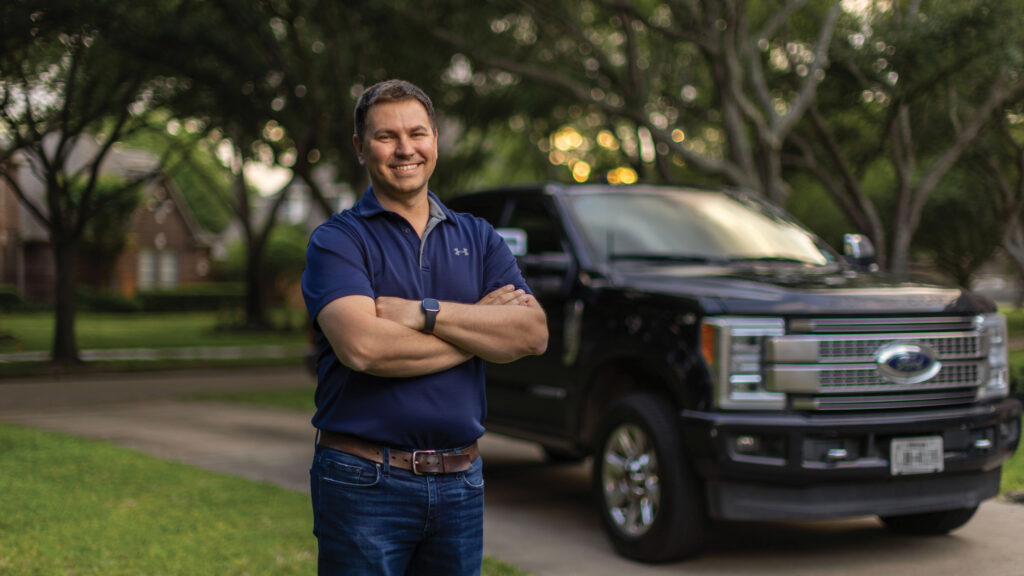
VICTORY! Jury Holds Texas County Liable For Baseless Highway Stops

Liberty & Law
VICTORY: Humboldt County Reforms Predatory Code Enforcement Scheme

Liberty & Law
Sixth Circuit To East Cleveland: You Can’t Tow Away Dissent

Liberty & Law
Opening The Road For Mobile Beauty Entrepreneurs In South Carolina

Liberty & Law
Ten Years, Two Lawsuits, One Unbroken Principle

Liberty & Law
New IJ Research Shows Public Benefits Becoming Private Burdens
Liberty & Law
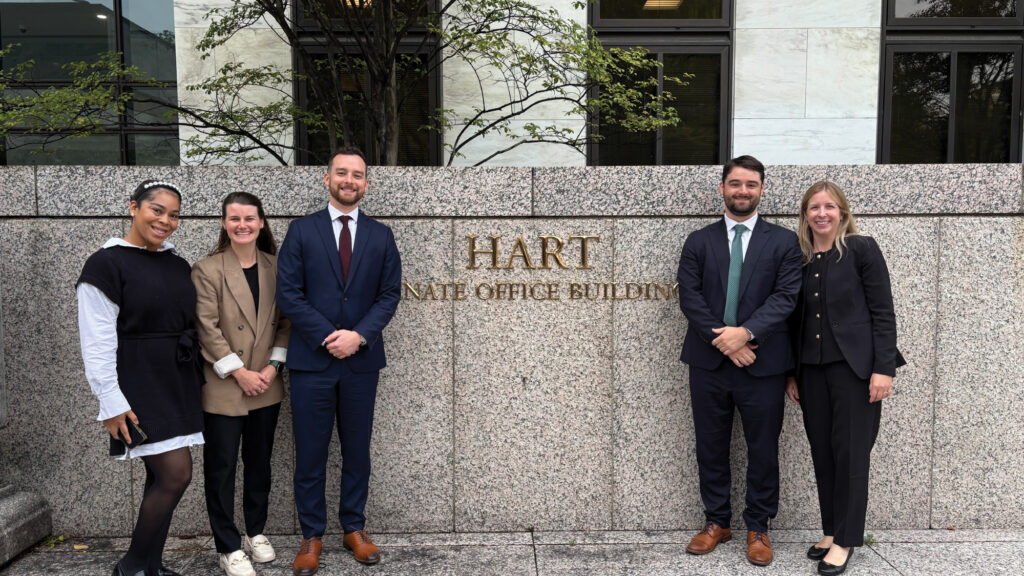
From the Courtroom to Capitol Hill: Challenging Mass Surveillance
Liberty & Law
Keep Swingin’: The Long Game For Liberty
Liberty & Law
IJ Makes Headlines
Subscribe to get Liberty & Law magazine direct to your mailbox!
Sign up to receive IJ's bimonthly magazine, Liberty & Law, along with breaking news updates about the Institute for Justice's fight to protect the rights of all Americans.