Lawsuit Against Wilmington’s Predatory Impound Practices Ends after City Makes Reforms
Institute for Justice calls new towing procedures a model for cities seeking fair enforcement.
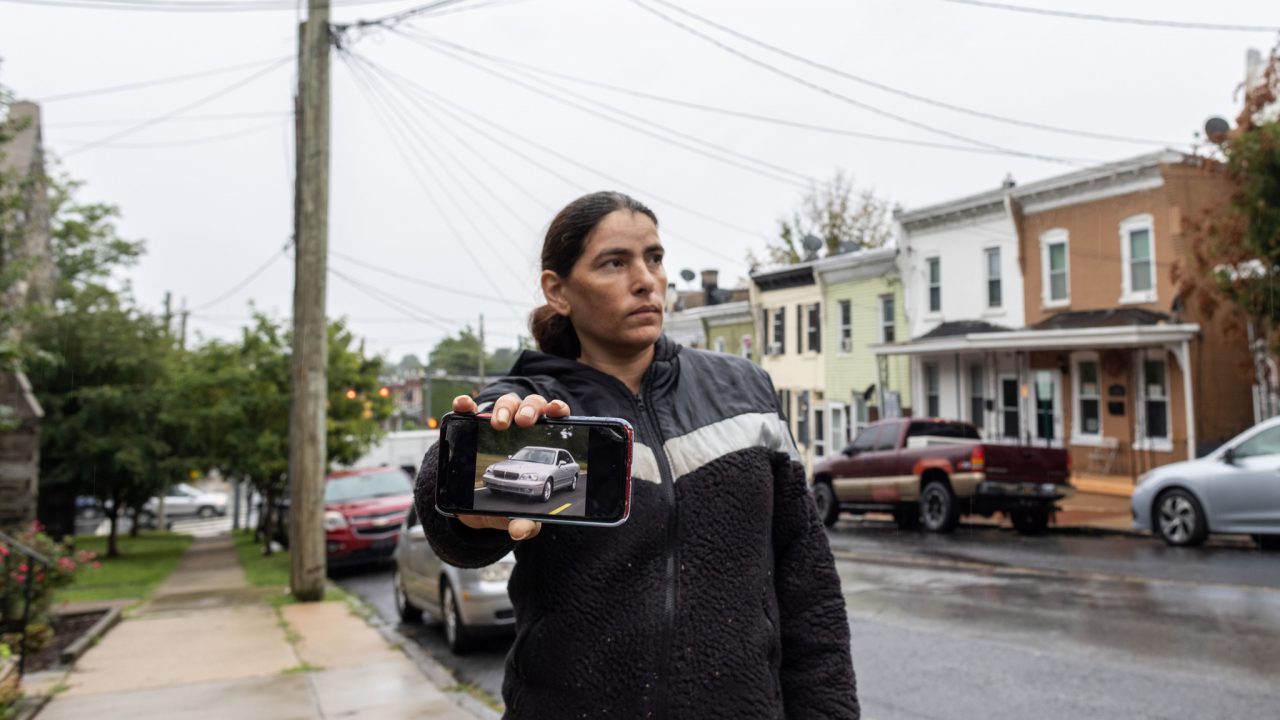
WILMINGTON, Del.— Wilmington, Delaware’s towing and impound practices were among the most predatory in the nation, enabling private tow companies to profit off innocent drivers. A lawsuit from city residents and the Institute for Justice (IJ), convinced the city to work with IJ to end a system that allowed companies to scrap and keep cars and replace it with a system that is a model of fairness. The U.S. District Court for the District of Delaware approved the settlement this morning, bringing the lawsuit to an end.
The reforms include repeated notice of violations, easy payment plans for parking tickets, and convenient hearings. Most importantly, even if someone does have their car towed, they will be able to go get it back without being forced to pay, so long as they either go to the hearing or enter into the easy payment plan.
“Wilmington’s impound reforms are a model that other cities should follow if they want to treat residents fairly,” said IJ Attorney Will Aronin. “We recognize that cities need to be able to enforce their parking rules. But if somebody can’t afford to pay a ticket, the solution is to put them on a payment plan, not take their car.”
The lawsuit was filed on behalf of Ameera Shaheed and Earl Dickerson, two Wilmington residents whose vehicles were towed, impounded, and ultimately scrapped by the city’s private towing contractors. In addition to reforming its towing procedures, the city agreed to compensate both plaintiffs for the loss of their cars.
“Wilmington treated so many of us unfairly, but the city has done the right thing and created a fair impound system,” said Ameera. “I’m glad that our suit changed things for the better for everyone in the city. I hope that other Americans can also benefit from their cities following Wilmington.”
“Parking enforcement across the country is broken,” said IJ Senior Attorney Rob Johnson, “Rather than accept the status quo, we were able to work with the city here in Wilmington to reimagine what parking enforcement could look like, and we’re proud of the result.”
IJ defends property rights across the country, working to ensure that government fines and fees systems comply with the Constitution. An IJ lawsuit against Chicago over its predatory impound practices is expected to go to trial next year. IJ is also defending a New York City man from unreviewable fines and a Florida woman from fines totaling more than $100,000 for how she parked in her own driveway.
John Shaw of Shaw Keller, LLP worked with IJ as Delaware counsel in this case and played an important role in securing this victory.
More on Private Property

Private Property
Animal Sanctuary’s Fight to Stay Open Ends After North Carolina Supreme Court Rejects Appeal

Private Property
South Bend Mom’s Fight for Compensation After Police Wrecked Her Home Heads to State Court After Supreme Court Turns Down Appeal
Private Property
