
Testing the utility of a licensing policy: Evidence from a field experiment
This study examines hypothesized benefits associated with occupational licensing in one long-regulated industry in Louisiana—floristry—in order to determine to what extent licensing results in theorized benefits that might justify the costs associated with licensure systems. Results indicate the regulation appears not to result in a statistically significant difference in quality of product. Moreover, florist-judges, whether licensed or not, appeared consistent in how they rated 50 floral arrangements from randomly chosen floral retailers.
Related Cases
Economic Liberty
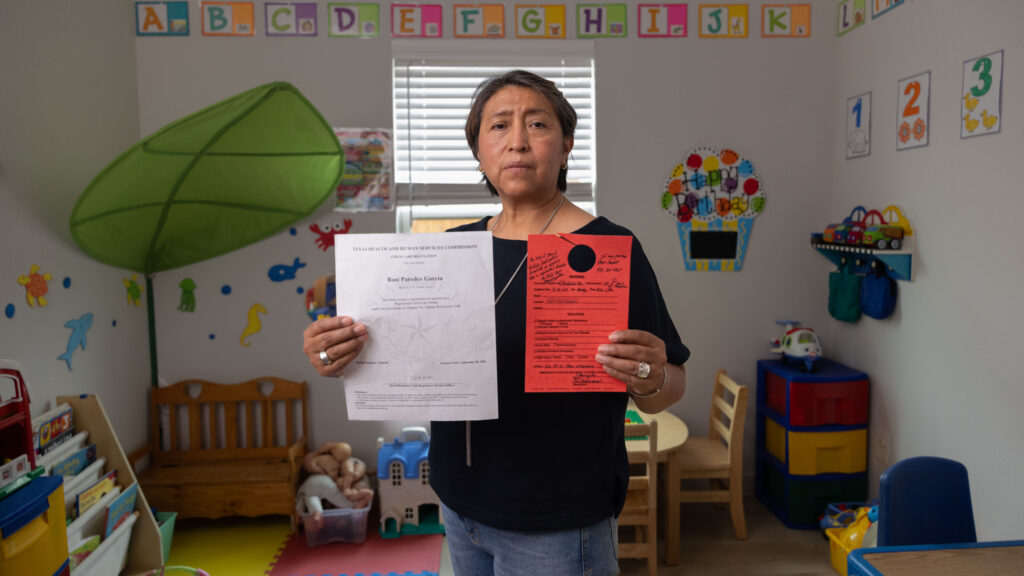
Texas Woman Fights City’s Unconstitutional Ban on Home Daycares
The Case Rosi Paredes took all the right steps to open a daycare from her home in Venus, Texas. She was inspected, tested, and registered by the state. She made sure…

Economic Liberty | Education Entrepreneurship
Education Entrepreneur Fights for Her Innovative Hybrid School
Katy Duckstein runs a hybrid homeschool program in Pennsylvania, but the state wants to bury her in red tape.
Cosmetology | Economic Liberty
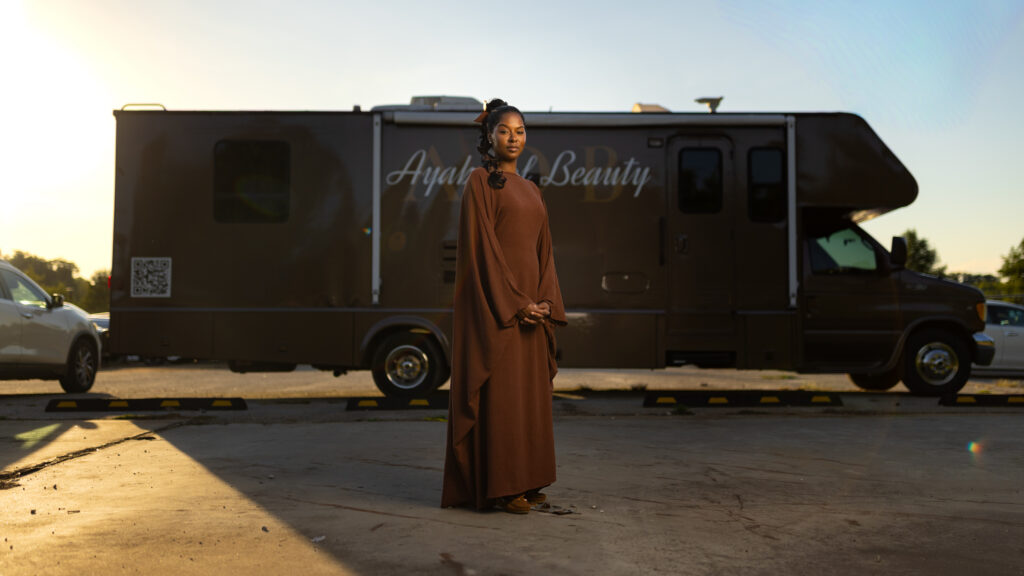
South Carolina Mobile Beauty
The Case Brandi Rosemond wants to run a mobile beauty salon. And she’s done everything you’d expect to get her business off the ground. She went to beauty school and learned…
