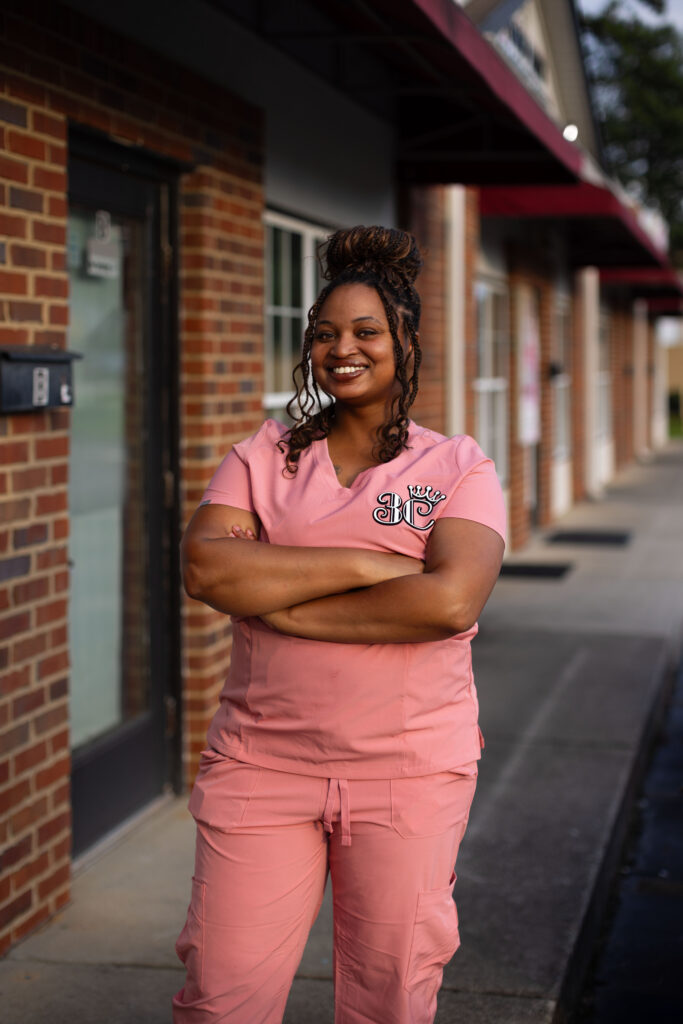
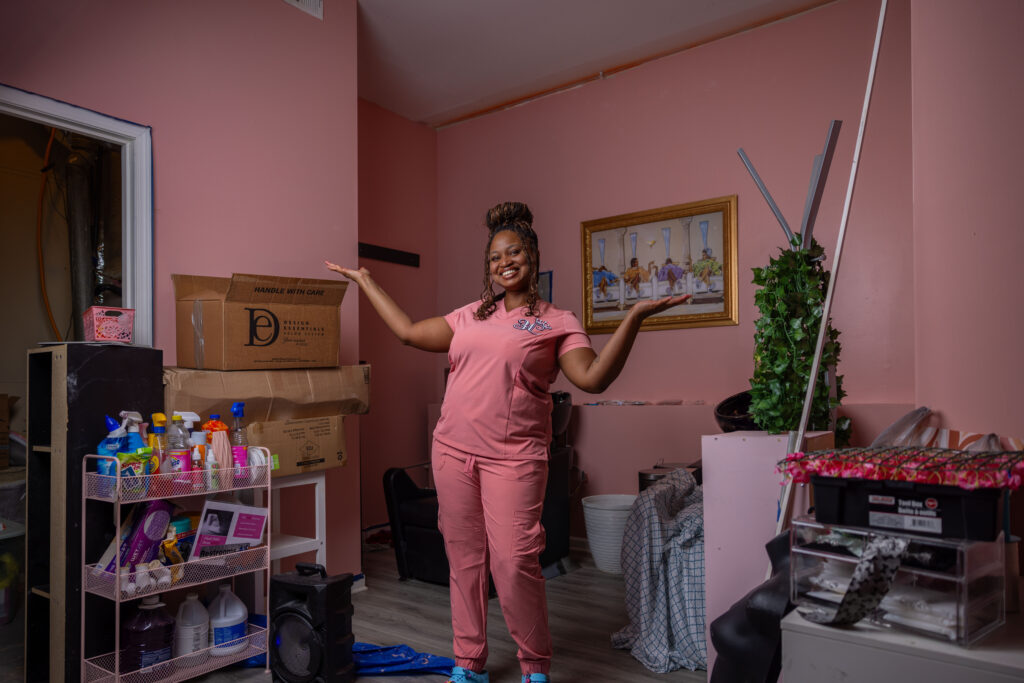
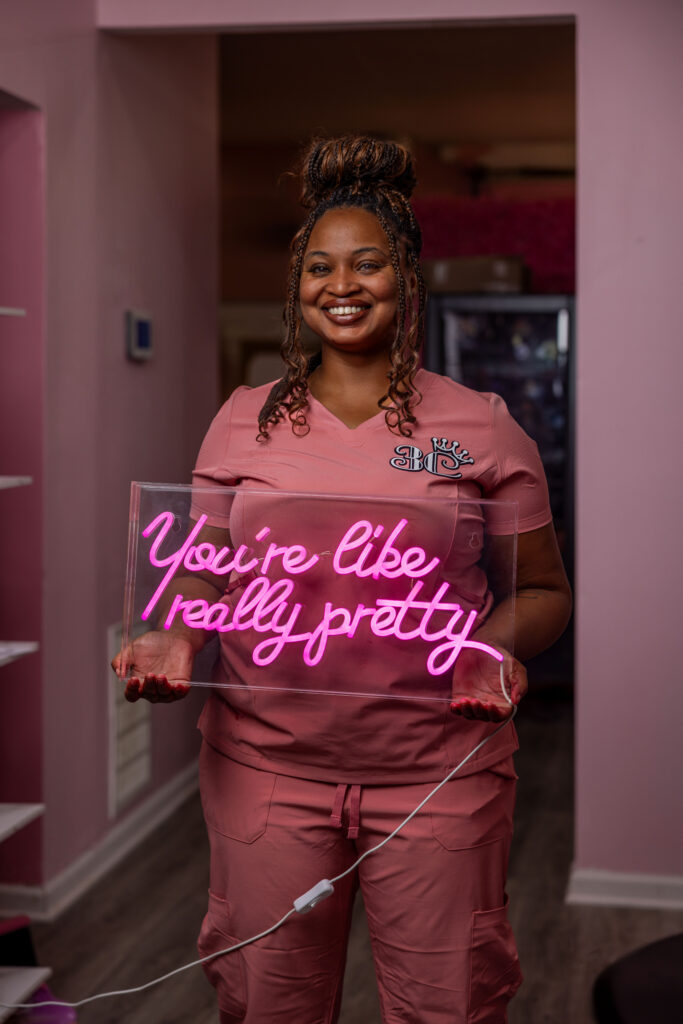

Bureaucrats don’t build communities—people do, with purpose, hard work, and a dream. But in Clayton County, Georgia, government officials are shutting down Khalilah Few’s dream by blocking her from opening her natural hair salon—simply because they don’t think it’s the “right fit” for the neighborhood. Now, Khalilah risks losing both her dream and her life savings.
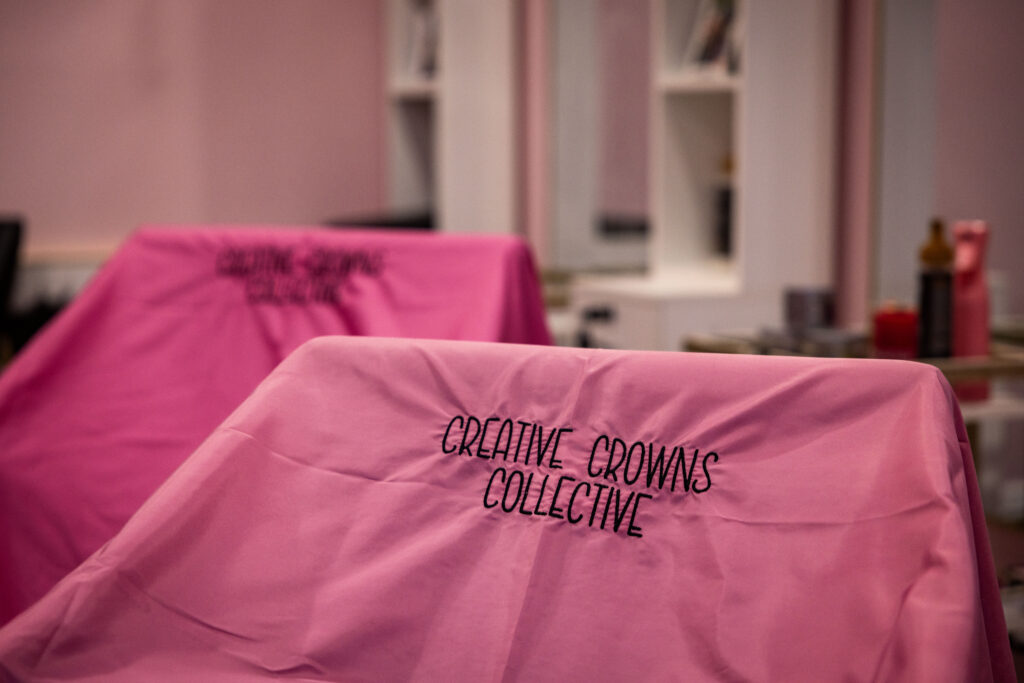
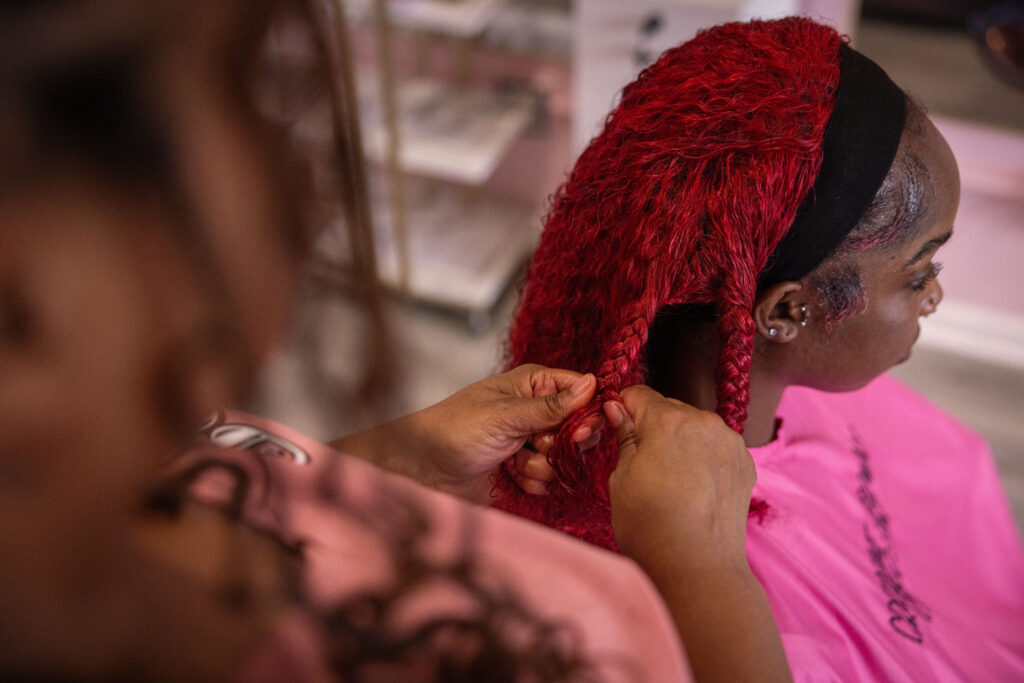
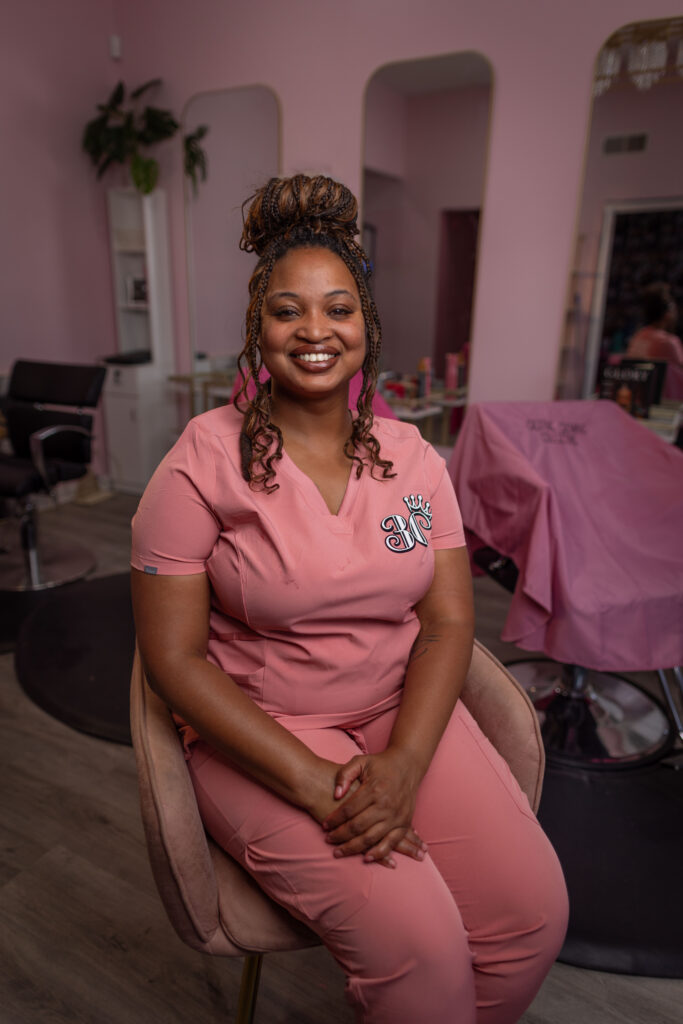
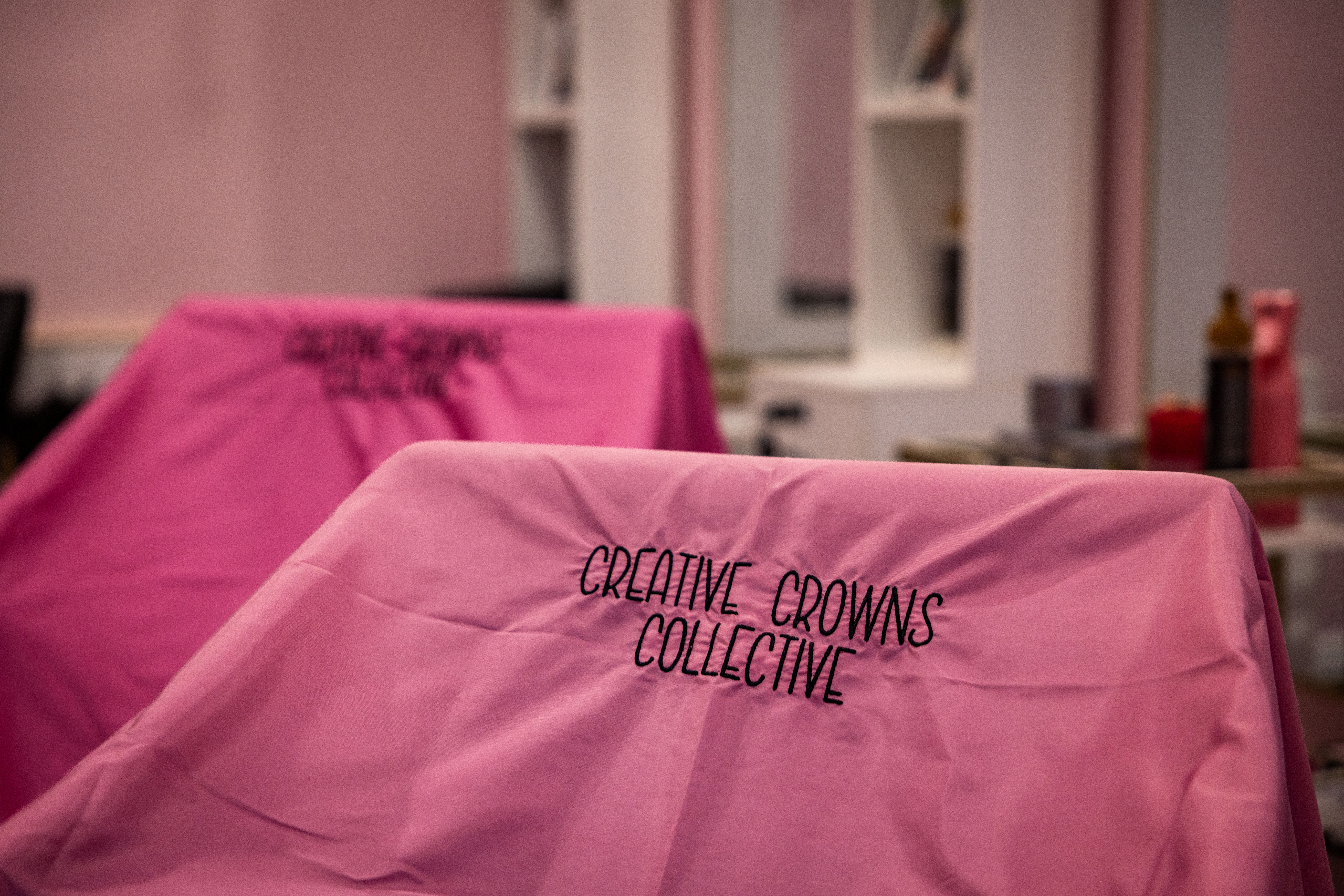
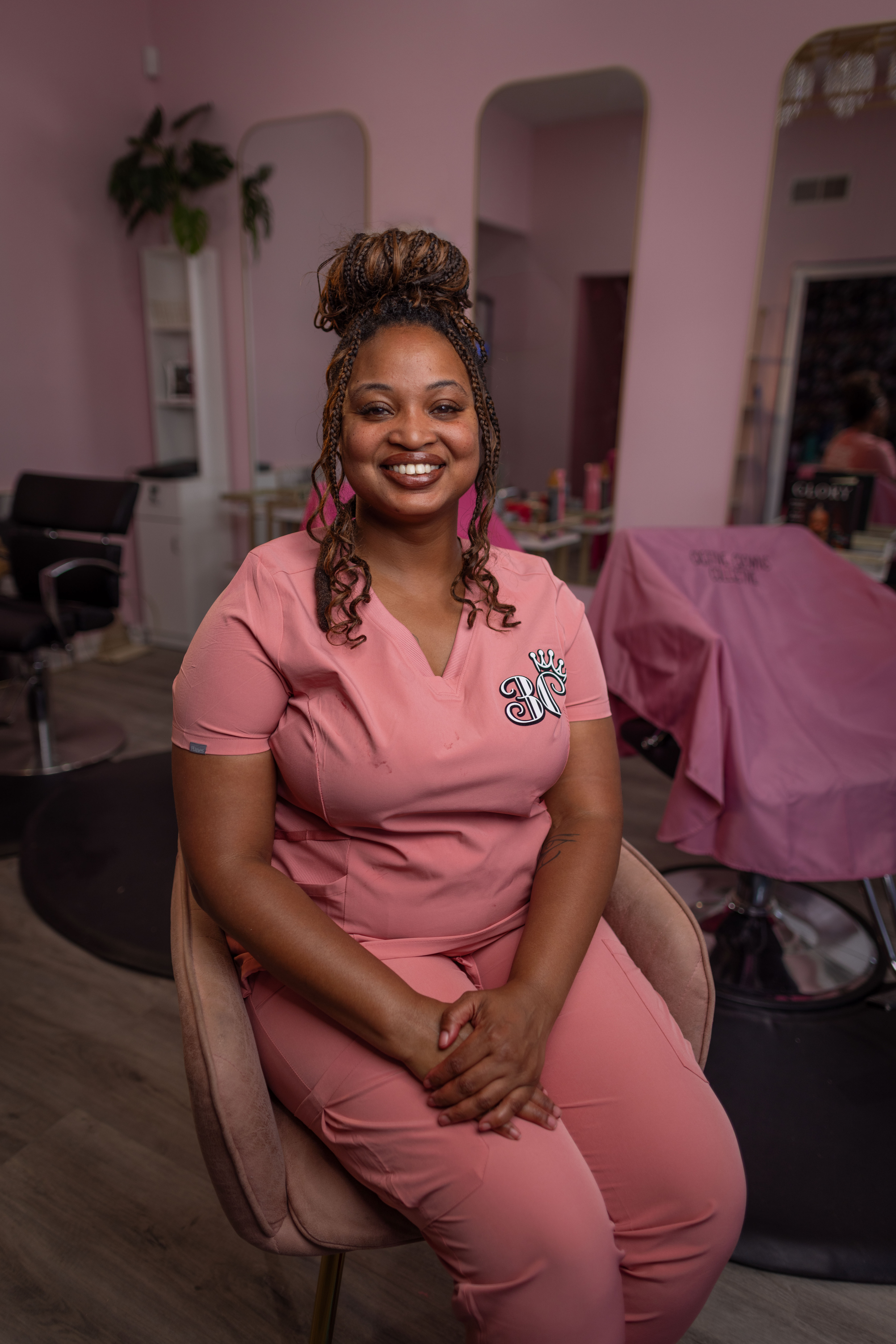

Khalilah has spent 30 years living in Georgia and has spent over 20 years building a respected career as a hair braider and natural hair stylist. Her business, Creative Crowns Collective, is more than a salon—it’s a cultural hub. It celebrates African-American hair traditions, and trains new stylists.
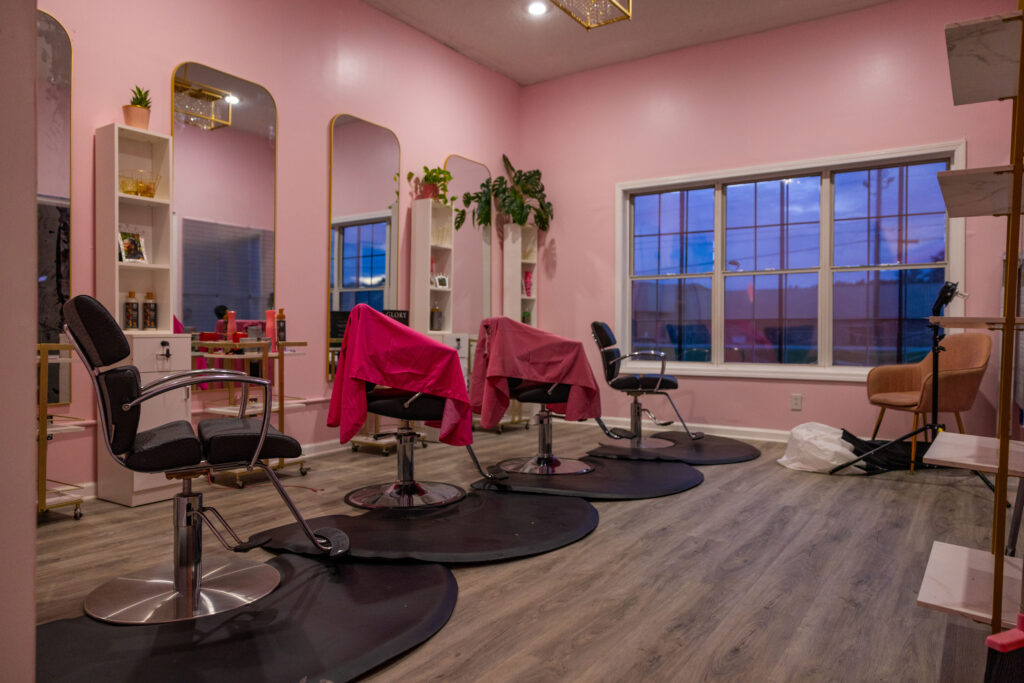
Ready to grow and hire more employees, Khalilah found a safe, accessible storefront in Jonesboro and invested more than $20,000 into renovations and rent. But she soon discovered that Clayton County singles out hair salons and barbershops for special treatment. Unlike other personal service businesses—like dry cleaners or tailors—salons must obtain a “conditional use permit” (CUP) to open.
The CUP process is tangled in red tape. It takes months, requires burdensome paperwork, and leaves entrepreneurs at the mercy of bureaucrats and politicians.
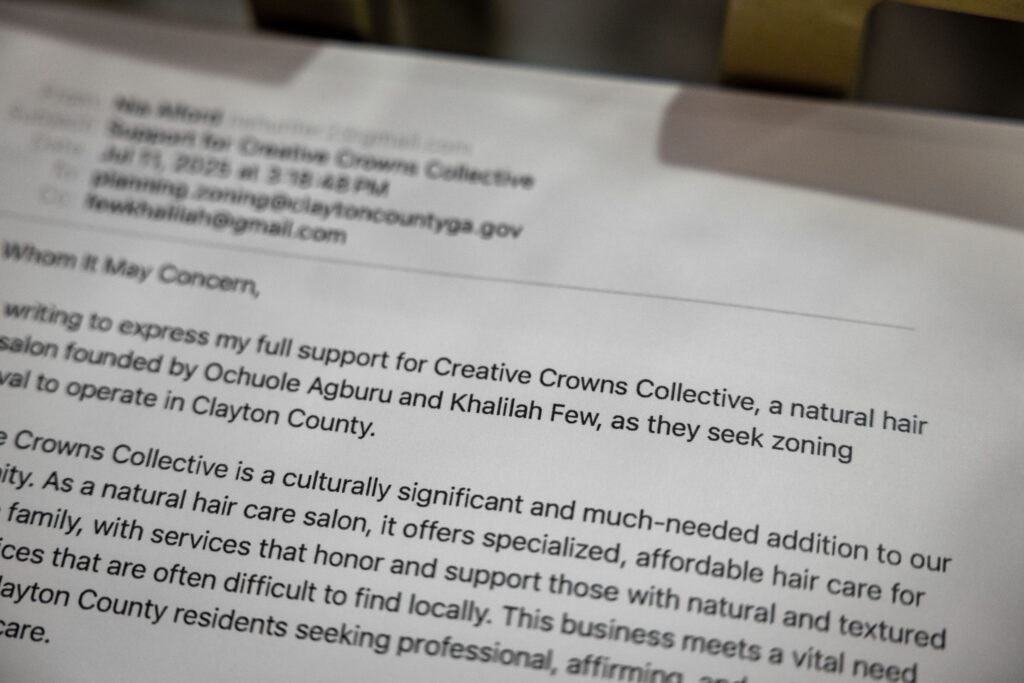
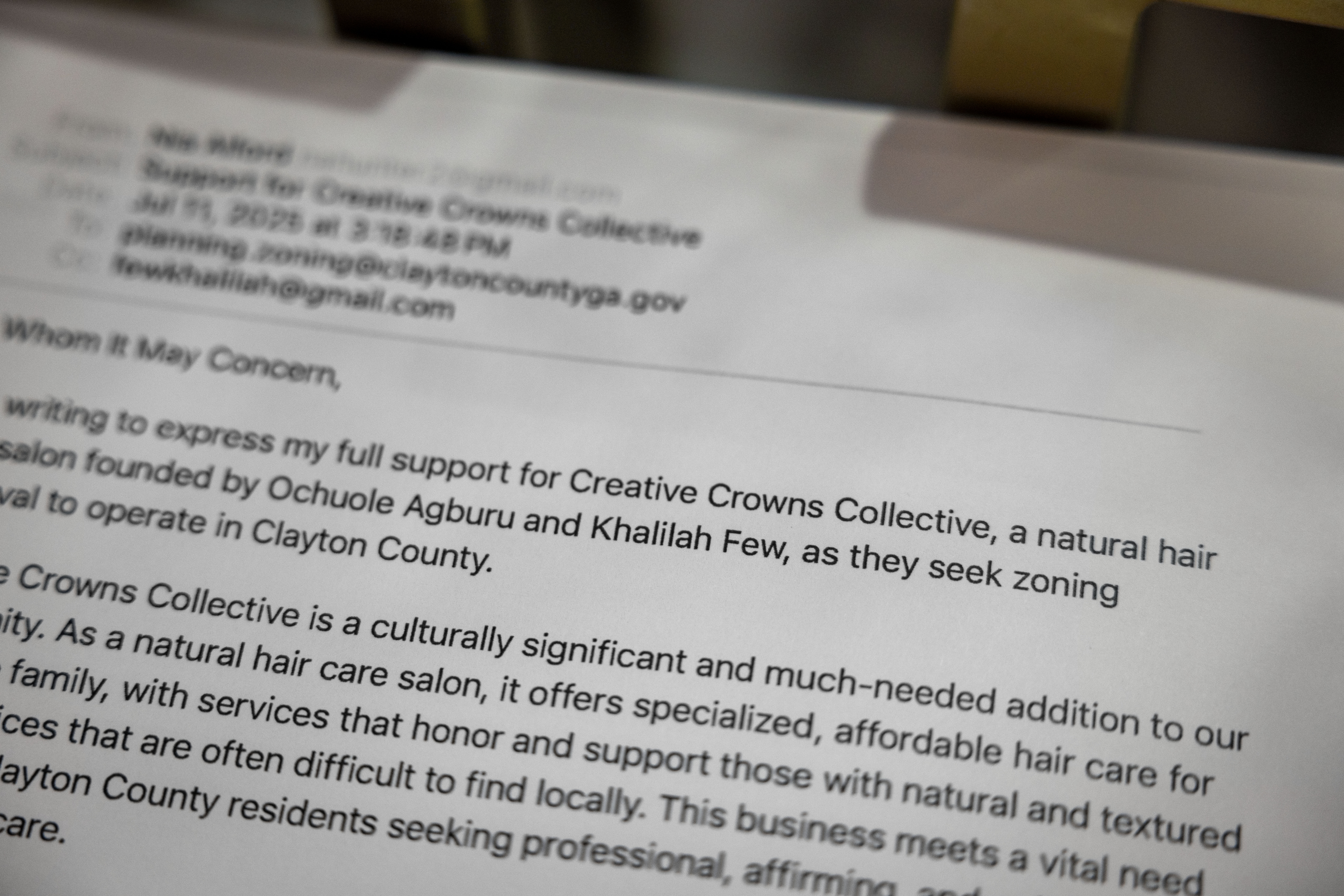
Khalilah did everything the county asked. She submitted detailed plans, cleared every hurdle, and gathered over 50 letters of community support. Still, the county denied her permit—citing “saturation” of salons and claiming her business didn’t align with their vision of “smart growth.” But vague, subjective terms like these can’t justify denying someone the right to open a business—and destroying everything they’ve worked for.
This isn’t just unfair. It’s unconstitutional. Georgia’s Constitution requires zoning laws to be substantially related to public health, safety, or welfare. There’s nothing harmful about a salon—and no reason to burden salons while letting nearly identical businesses open freely.
That’s why Khalilah joined with the Institute for Justice (IJ) to challenge both the permit denial and the CUP requirement—and to affirm that Georgians don’t need a government permission slip to earn an honest living.
Case Team
Attorneys
Staff
Phillip Suderman
Communications Project Manager
Hilary Loya
Senior Paralegal
Case Documents
Media Resources
Get in touch with the media contact for image resources, press releases, and interview requests.
Media Images
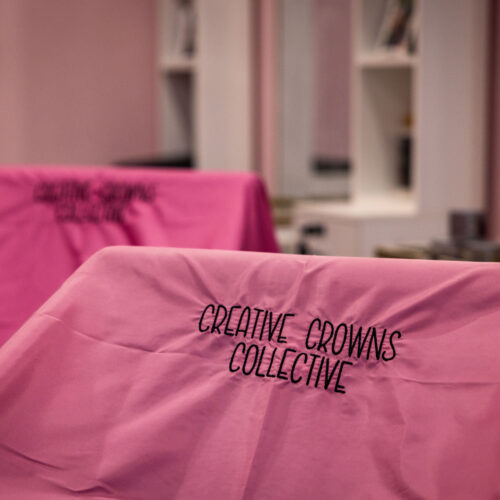
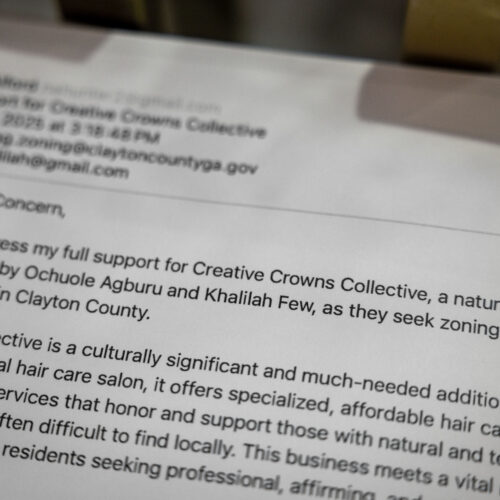
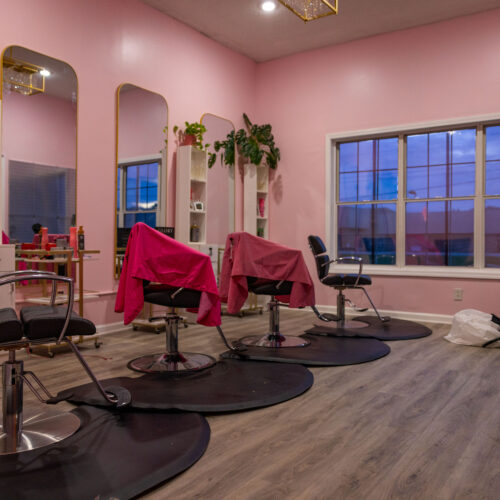
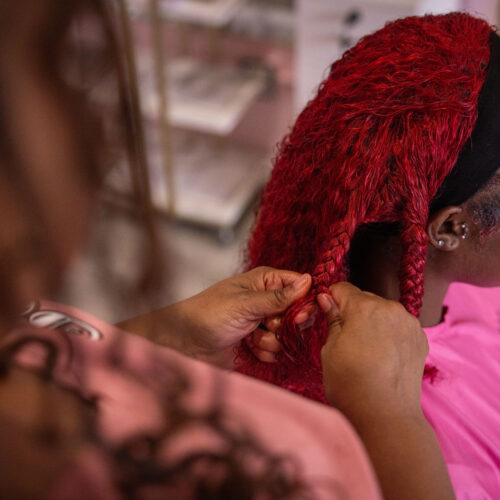
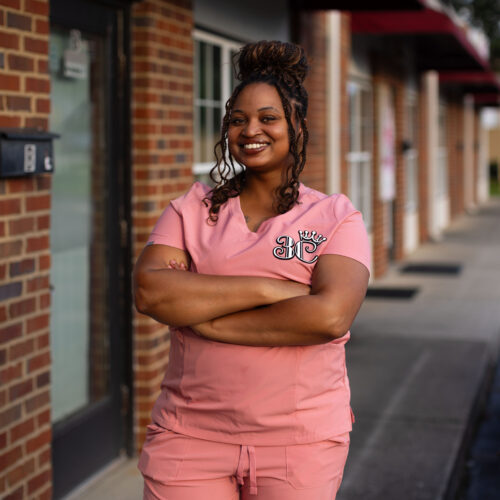
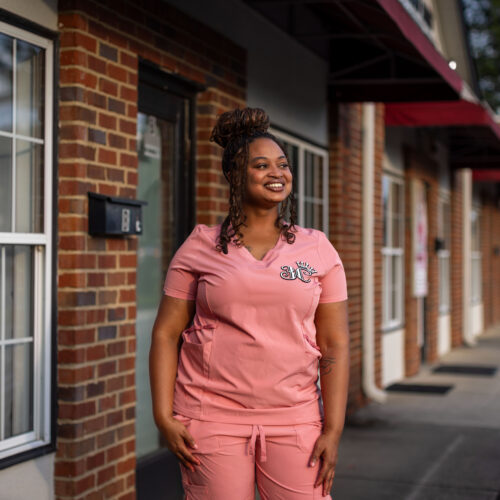
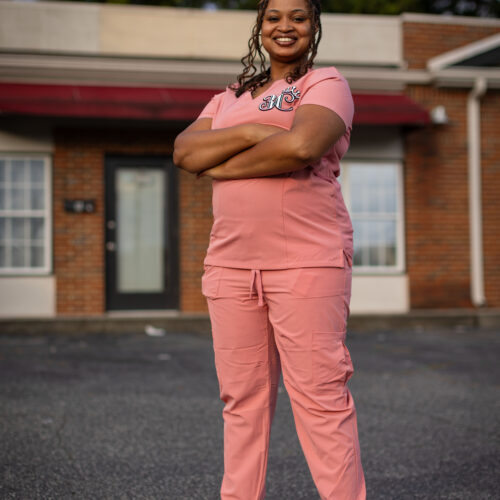
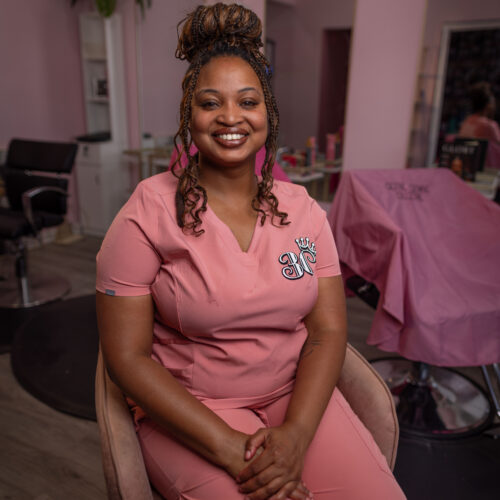
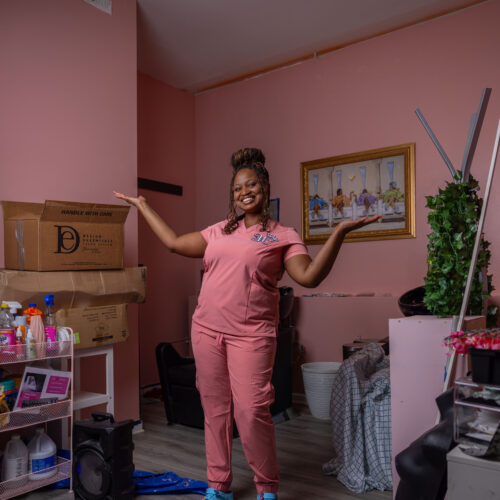
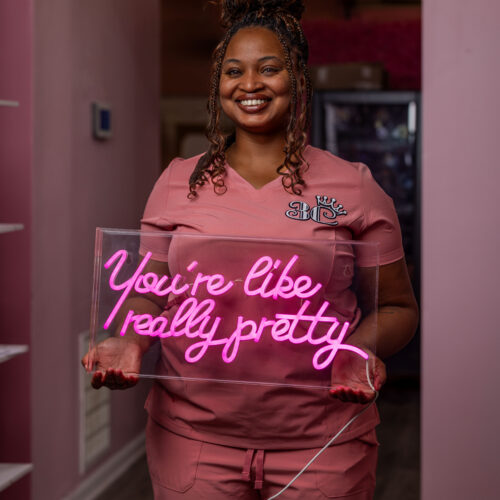
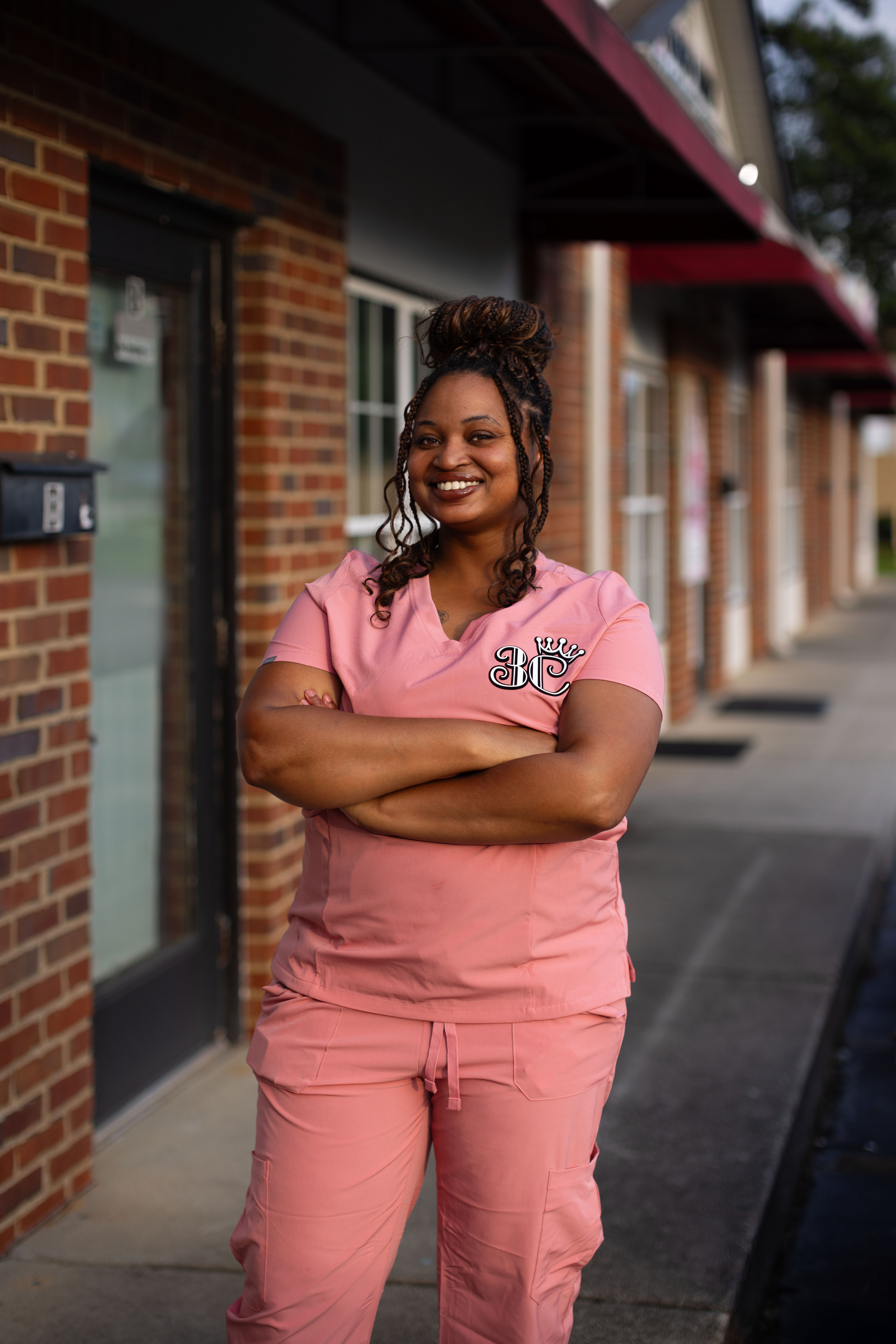
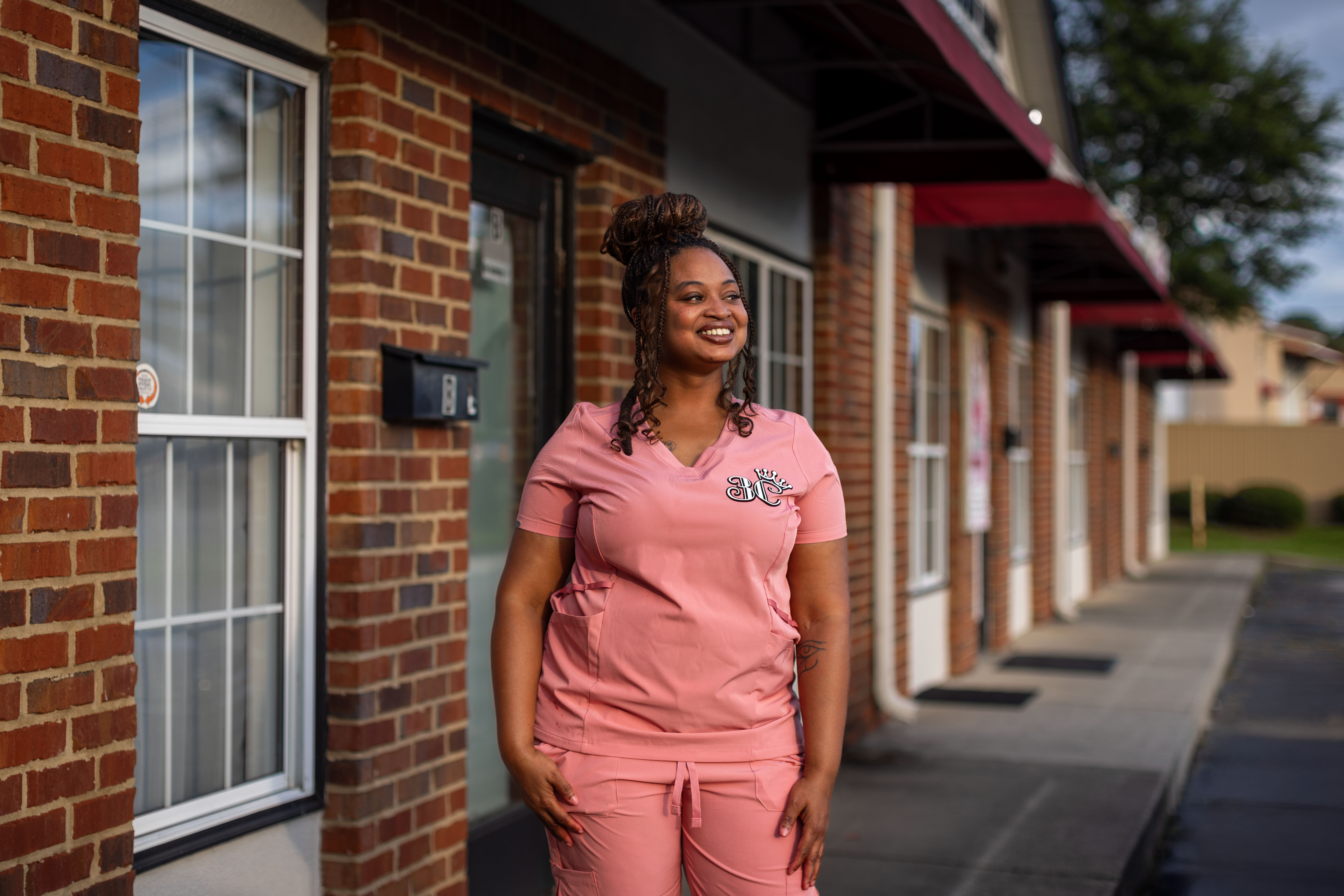
Khalilah Few: A Georgia Entrepreneur and Community Builder
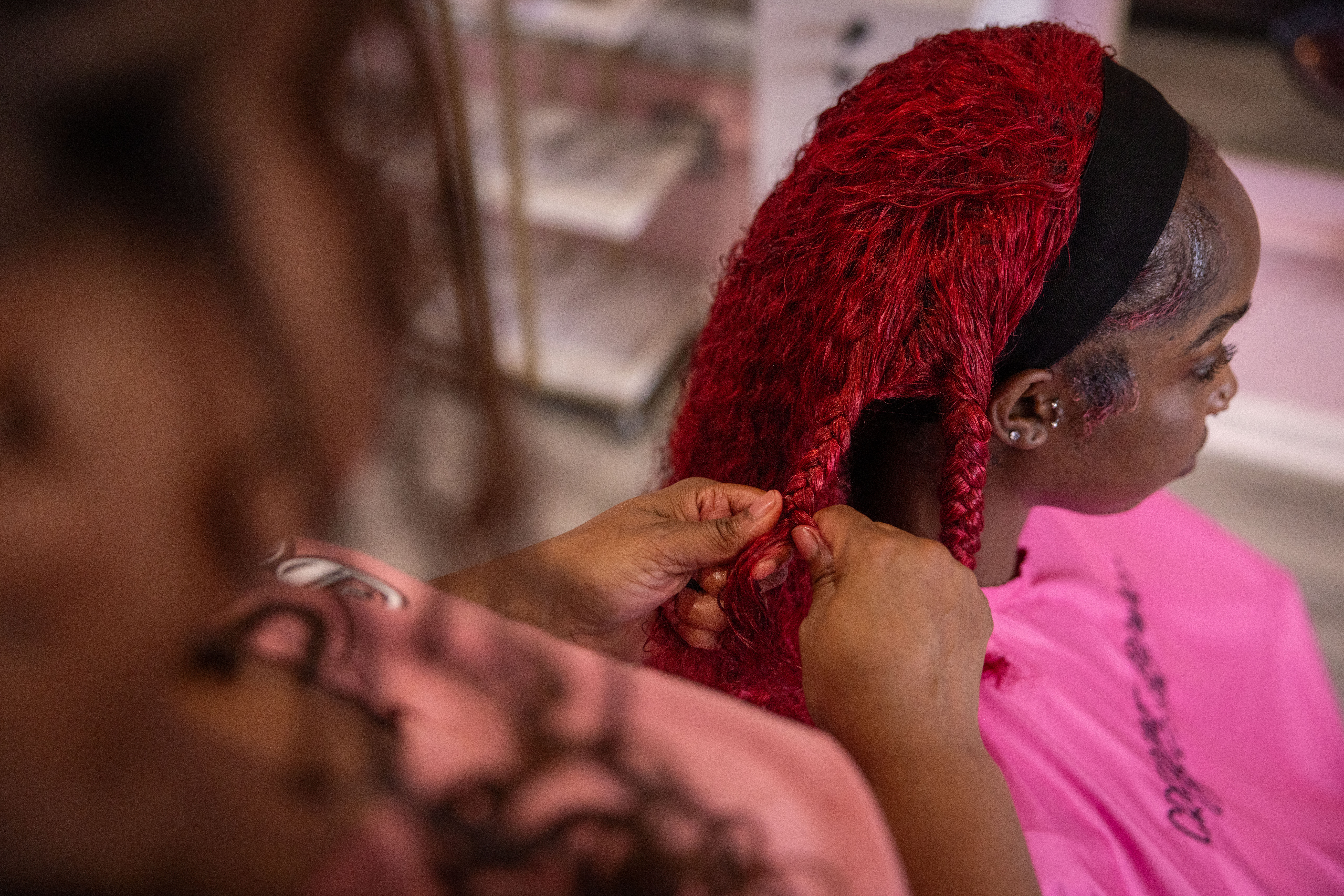
Khalilah Few spent over two decades developing a reputation for excellence in natural hair care. A lifelong resident of Georgia, she is the founder of Creative Crowns Collective—a salon she describes as a “cultural sanctuary” where African-American hair traditions are celebrated and passed on. Her work goes far beyond styling: Khalilah leads community workshops, and trains aspiring stylists. Her entrepreneurial mission is deeply tied to public service.
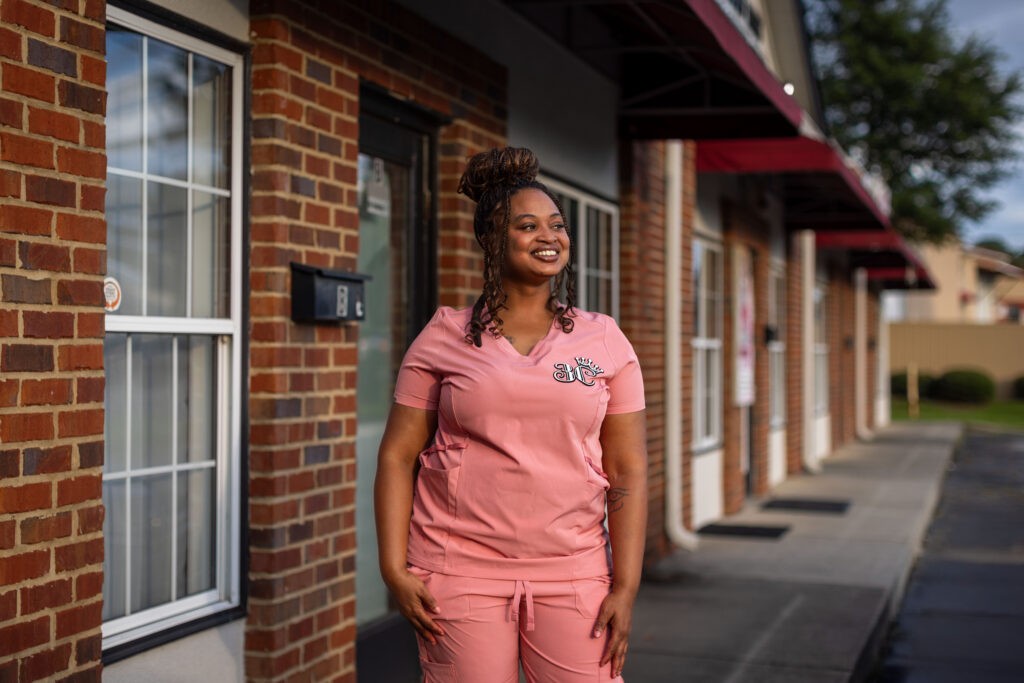
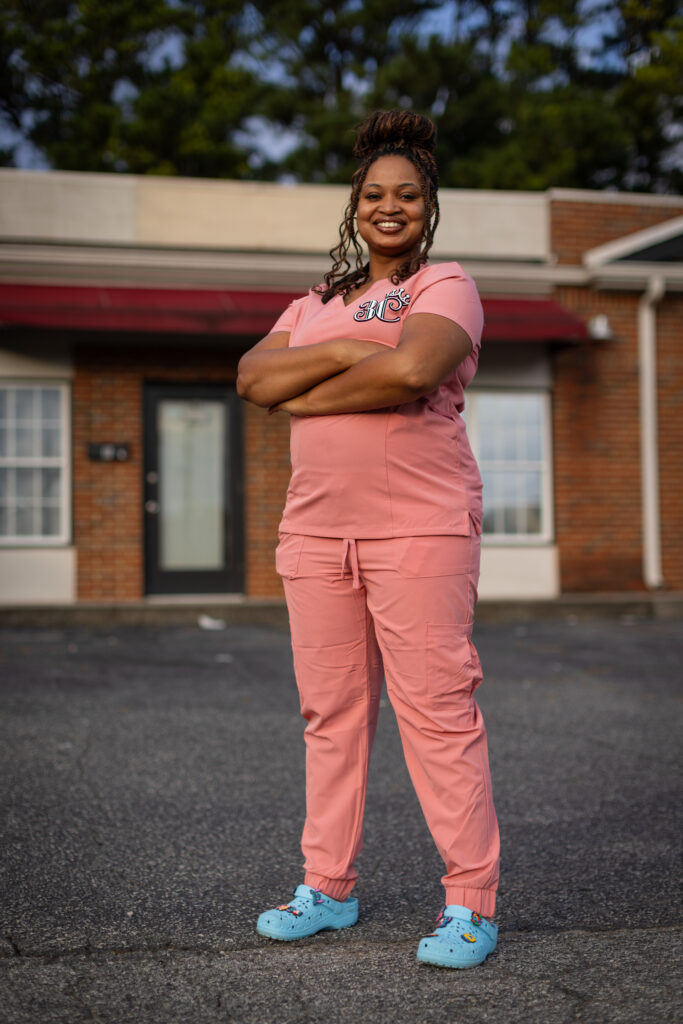
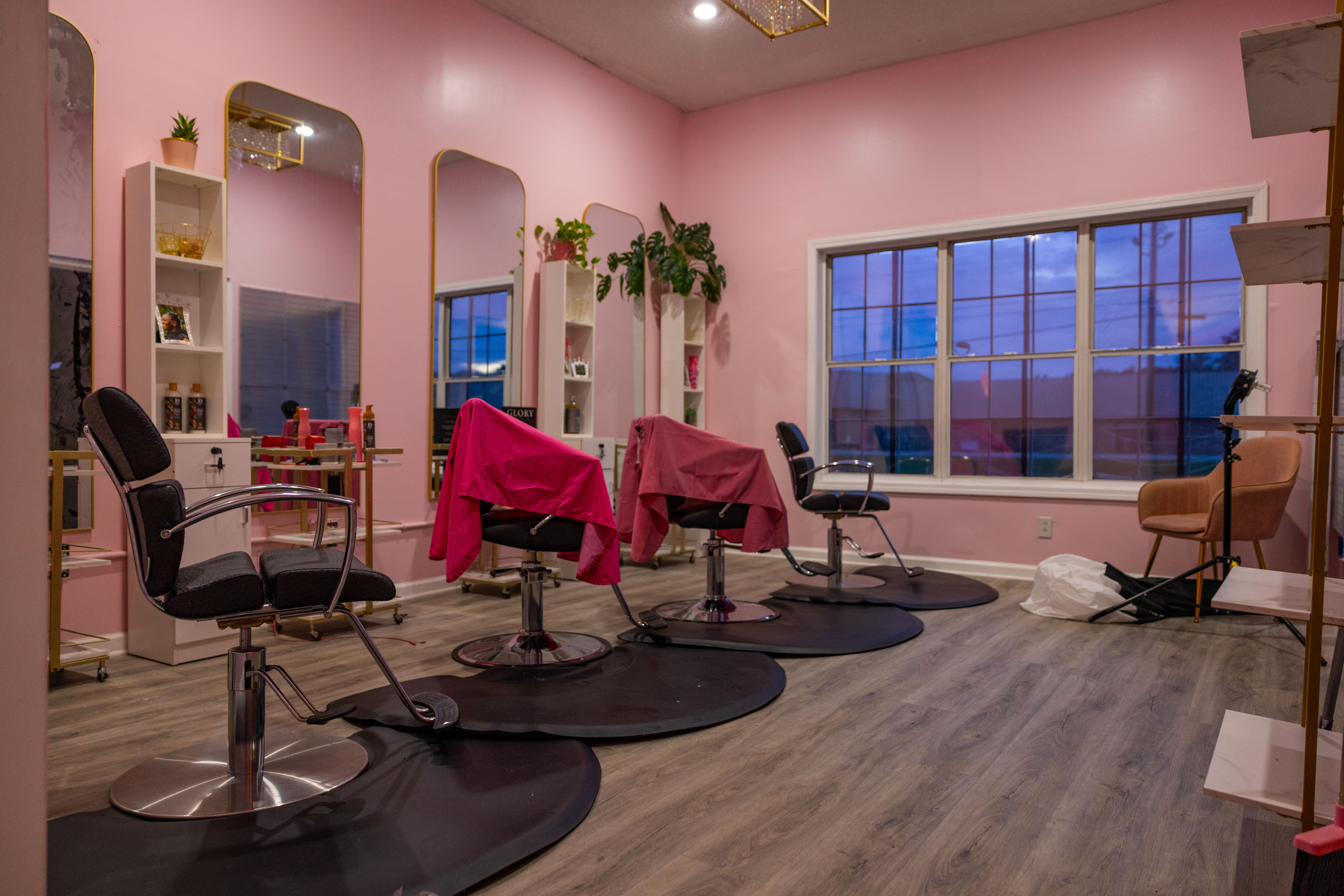
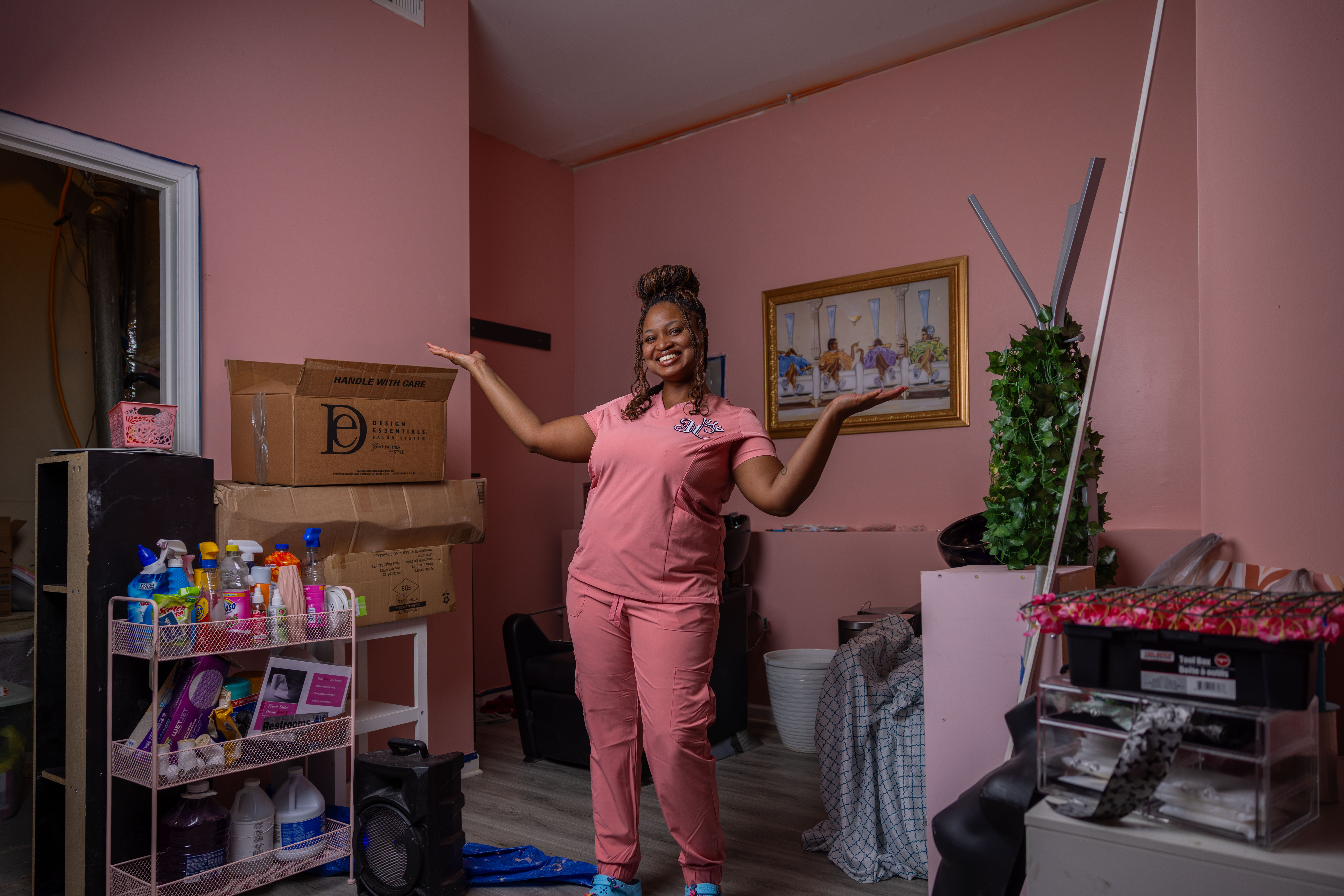
In 2025, with her business thriving and her previous workspace outgrown, Khalilah found the perfect spot to expand—a long-vacant storefront in a Jonesboro strip mall. Close to the interstate, it was a convenient location for her clients, some of whom were traveling from as far as Atlanta. It was also big enough to support her vision of hiring additional stylists. Khalilah signed a lease, invested over $20,000 of her life savings into renovations and rent, and continued working out of a friend’s salon to stay afloat.
Almost ready to open, Khalilah applied to Clayton County for a permit—a process she assumed would be merely a formality. She had no idea she was about to embark on a red tape nightmare.
The County Denies Khalilah the Right to Open
Unfortunately for Khalilah, her new storefront is in the county’s “Business Corridor Overlay District.” Created by the county in 2024. The new district divides businesses into two groups: those permitted “as of right” and those that must obtain a Conditional Use Permit (CUP). While retail shops, restaurants, and personal service establishments—like restaurants, dry cleaners, tailors, and watch repair shops—are allowed to open without a permit, the county arbitrarily singled out hair salons and barbers, requiring them to apply for a CUP.
The CUP process in Clayton County is incredibly burdensome. It involves four layers of review: a meeting with city staff members who are part of the “Technical Review Committee,” a meeting with community residents, a meeting with the Zoning Advisory Group, and a final hearing in front of the County Board of Commissioners, which ultimately votes on whether the business can open.
Khalilah applied in April, and she had her meeting before the county’s Technical Review Committee on May 21. She explained the nature of her business and described the services offered.
Next, on June 18, Khalilah participated in a community information meeting where she again presented her business plan and answered questions from residents. While Khalilah was required to notify local residents of the meeting, none of them objected to her proposal.
Then, on June 30—just hours before her scheduled Zoning Advisory Group hearing—Khalilah received a copy of the County’s staff report recommending denial of her CUP application. The report cited “saturation” of similar businesses, based on the existence of three other salons within a one- to five-mile radius. The report concluded that the salon would not fit into the County’s Comprehensive Plan for future growth. That evening, she presented her case to the Zoning Advisory Group. The advisory group voted 3-2 to recommend denial.
Finally, on July 15, Khalilah appeared before the Clayton County Board of Commissioners for the final hearing. She gave a detailed presentation, in which she explained her business and nonprofit ventures, provided her client list, and even submitted 50 letters of support from her community. But it wasn’t enough. During the hearing, Commissioner Davis acknowledged that Khalilah had a “fabulous business” and “fabulous personality.” Still, he vaguely referred to the County’s Comprehensive Plan, and stated her salon was “in the wrong area. And we’ve got to begin to grow Clayton County smartly.” No other commissioner commented. The Board then voted to deny her permit.
Now, Khalilah risks losing everything. Without her salon, she is unable to support herself or her teenage son. She poured her life savings into the Jonesboro location and followed every rule, only to be shut down for no good reason.
Legal Claims
“Saturation” and “smart growth” are not valid reasons to block a business from opening. Just two years ago—in an Institute for Justice case—the Georgia Supreme Court reined in the government’s power to interfere with a person’s right to earn an honest living. Raffensperger v. Jackson, 316 Ga. 383, 388 (2023). Any restriction must be “reasonably necessary” to protecting public health, safety, or the general welfare. Vague, subjective terms like “saturation” and “smart growth” fall far short of that standard.
In that case, the Court also made clear that the government cannot restrict a business to protect other businesses from competition. Yet “saturation” is simply protectionism dressed up in bureaucratic jargon—a backdoor way of picking winners and losers.
Likewise, the county’s vague references to “smart growth” are wholly insufficient. There is nothing “smart” about blocking a thriving salon from opening in a neighborhood lined with vacant storefronts. Nor is there anything inherently harmful about a hair salon. This kind of economic favoritism—where some businesses are welcomed and others are shut out—strikes at the heart of the American Dream. It’s the dream Khalilah, like so many others, has worked tirelessly to achieve. It is not the government’s role to decide which lawful businesses are “right” for a neighborhood. That power belongs to consumers.
As a result, denying Khalilah a permit based on “saturation” and “smart growth” violates the Georgia Constitution’s Due Process Clause.
The county’s actions also violate the Georgia Constitution’s Equal Protection Clause. Clayton County’s zoning code arbitrarily singles out hair salons and barbershops for special treatment, while nearly identical businesses—like dry cleaners, tailors, and watch repair shops—can open without a permit. This unequal treatment lacks any legitimate justification.
Khalilah will ask the court to allow her to immediately open her salon. That’s exactly what happened in an earlier Institute for Justice case, Diagne v. City of South Fulton, 2024 WL 5466376 (2024), where a Georgia trial court struck down a very similar effort by Fulton County to block a woman from opening an African hair braiding salon in 2024. The court blocked Fulton County’s permit denial. We are confident the court will do the same thing here.
Litigation Team
The litigation team consists of IJ Attorneys Will Aronin and Jessica Bigbie, and local counsel Simon Bloom and Andrea Pearson from Bloom Parham.
The Institute for Justice
Founded in 1991, The Institute for Justice is a public-interest law firm that secures the constitutional rights of everyday Americans against government abuse. Since its first case representing natural hair braiders in Washington, D.C., IJ fights to represent entrepreneurs like Khalilah and their right to earn a living without arbitrary government interference.
Governments often violate entrepreneurs’ rights through irrational zoning laws. IJ has fought these abuses for over 30 years and launched its Zoning Justice Project in 2024 to expand that work. As part of the project, IJ won a case for Awa Diagne after Fulton County, Georgia, tried to block her hair braiding salon to protect a nearby competitor. The court ruled in Awa’s favor and ordered the County to let her open.
IJ has also successfully fought for the rights of a Florida food truck owner against a zoning law that banned food trucks within 500 feet of an established restaurant, and a Texas home daycare owner denied a zoning permit after the mayor and other local golfers complained of the sight of children. This case is another example of IJ leading as the national expert in fighting back against governmental abuse and protecting the right to earn an honest living.