Rule of Law
Atlanta Woman Sues Officers, U.S. Government for Wrongly Raiding Her Home in Search of Man Already in Jail
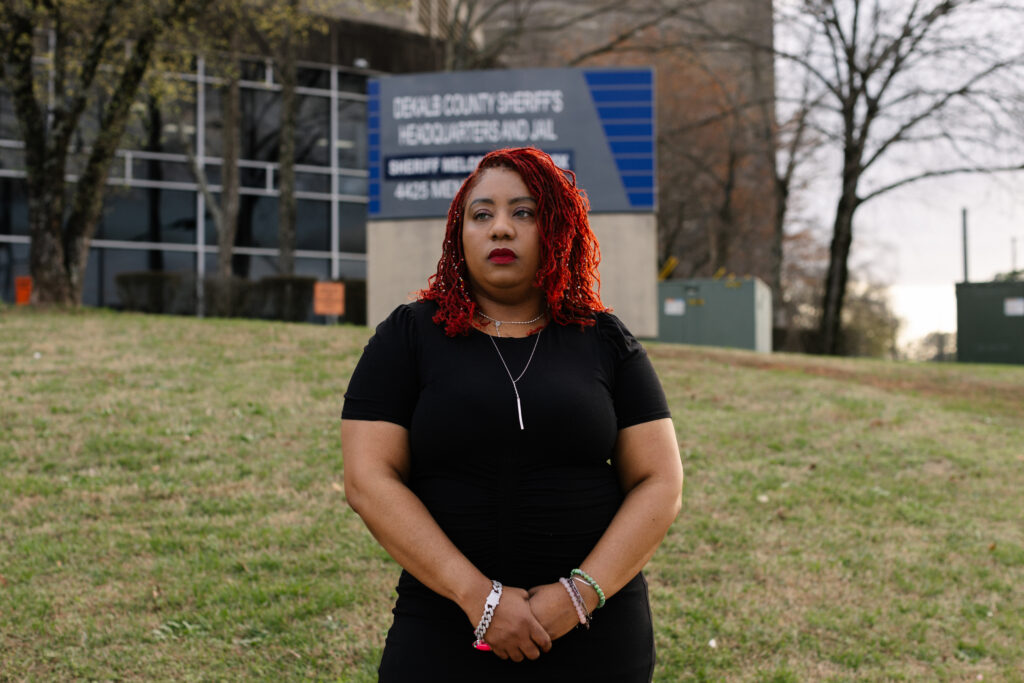
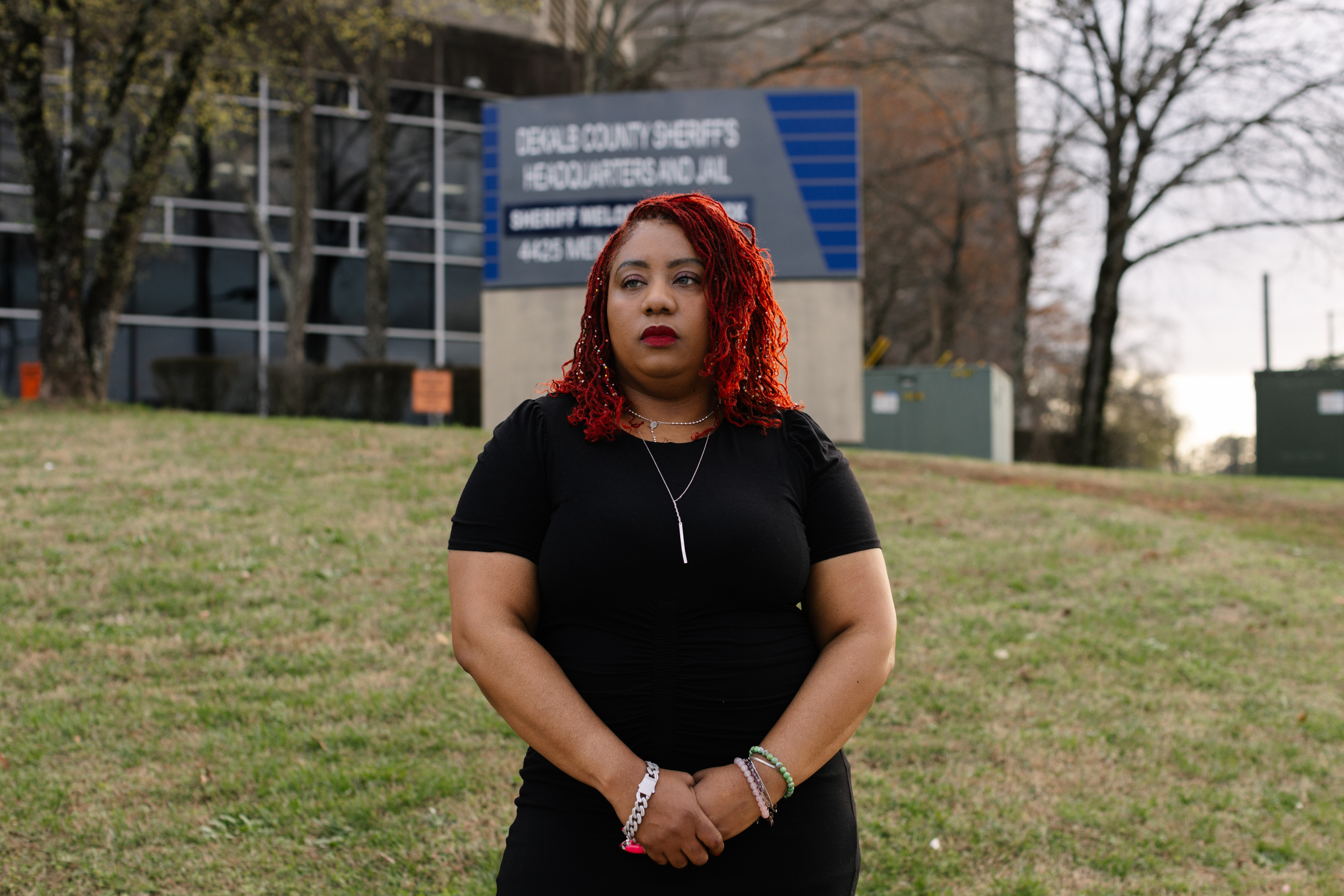
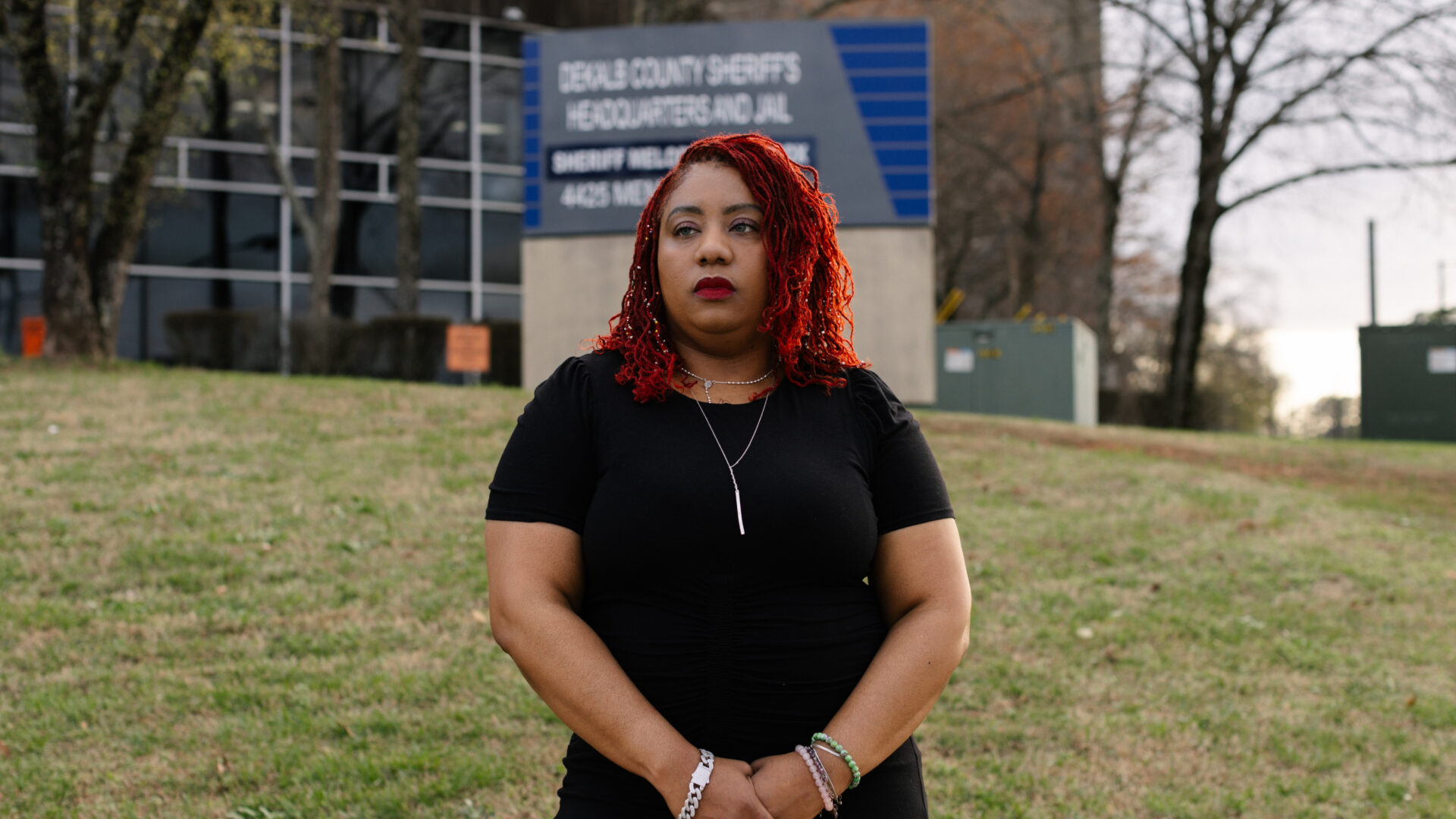
More than a dozen heavily armed law enforcement officers stormed Cathy George’s apartment, looking for a fugitive who had no connection to Cathy and who was already in custody.
- Case Name
- Cathy George v. United States
- Issue Areas
- Status
- Active Cases
- Location
- Atlanta, Georgia
- Date Filed
- April 14, 2026
The Case
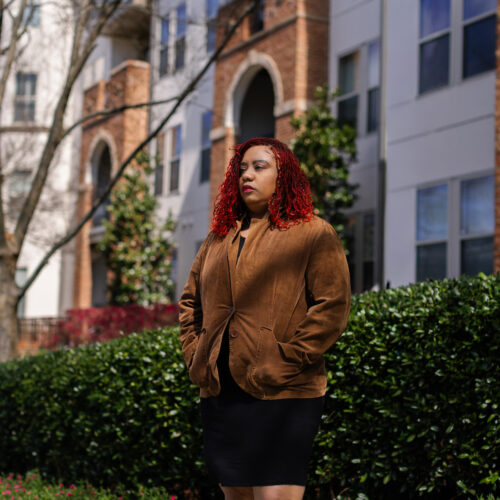
An ordinary, quiet morning turned into a nightmare for Cathy George. More than a dozen heavily armed law enforcement officers stormed her apartment, looking for a fugitive who had no connection to Cathy and who was already in custody.
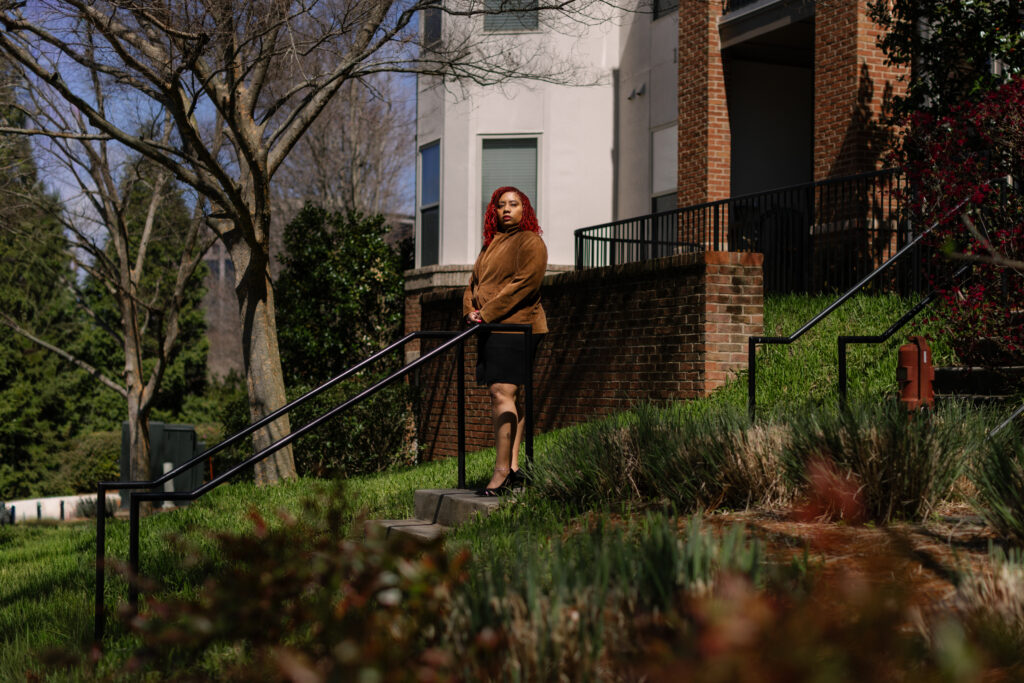
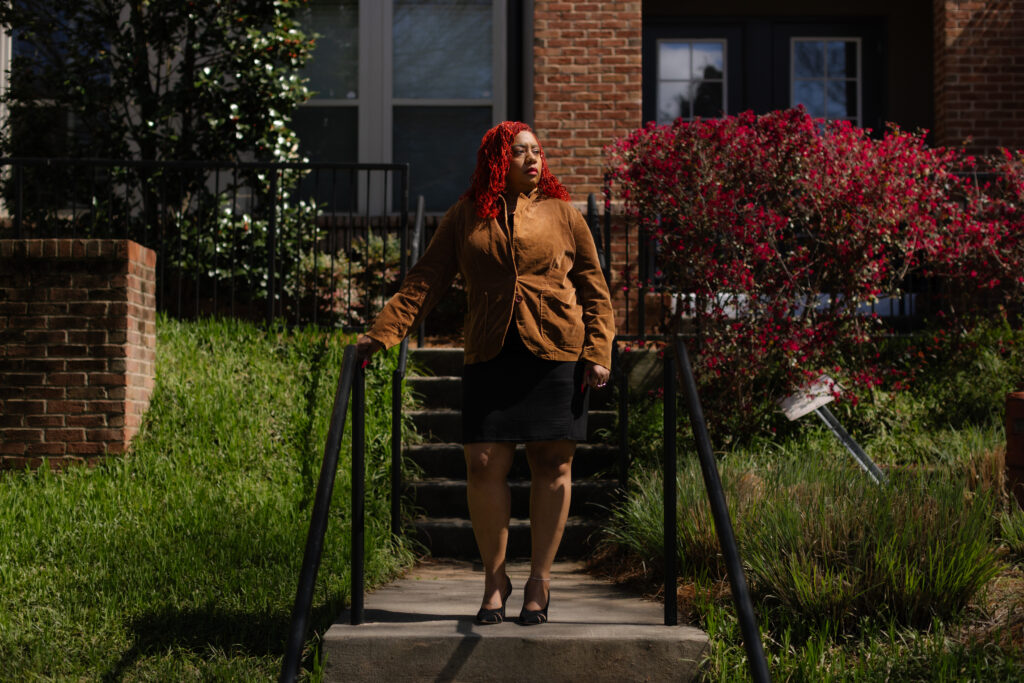
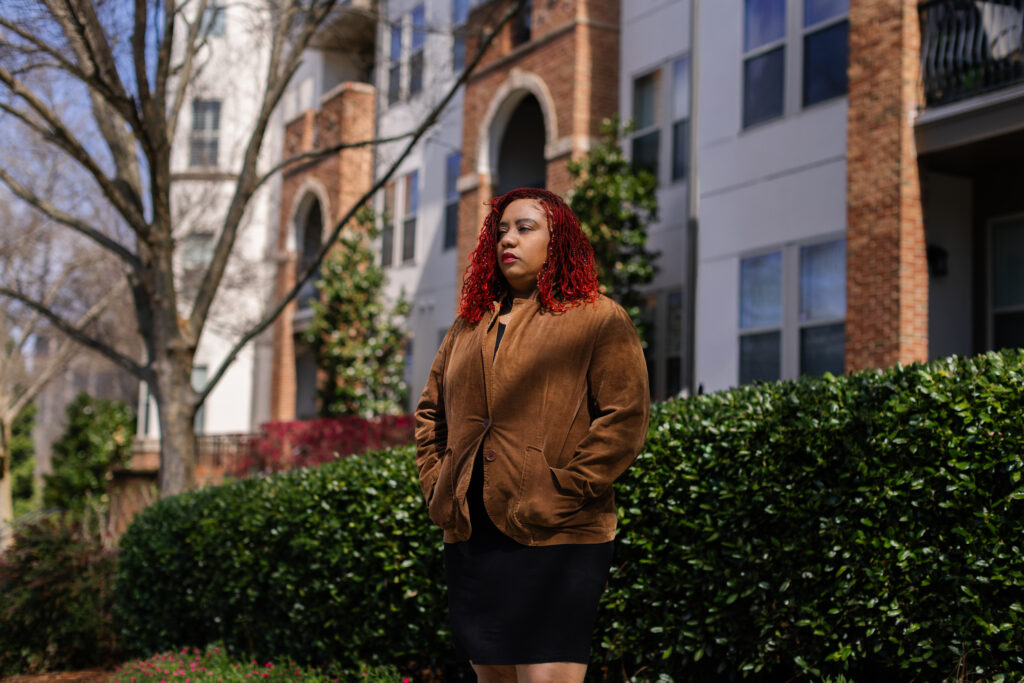
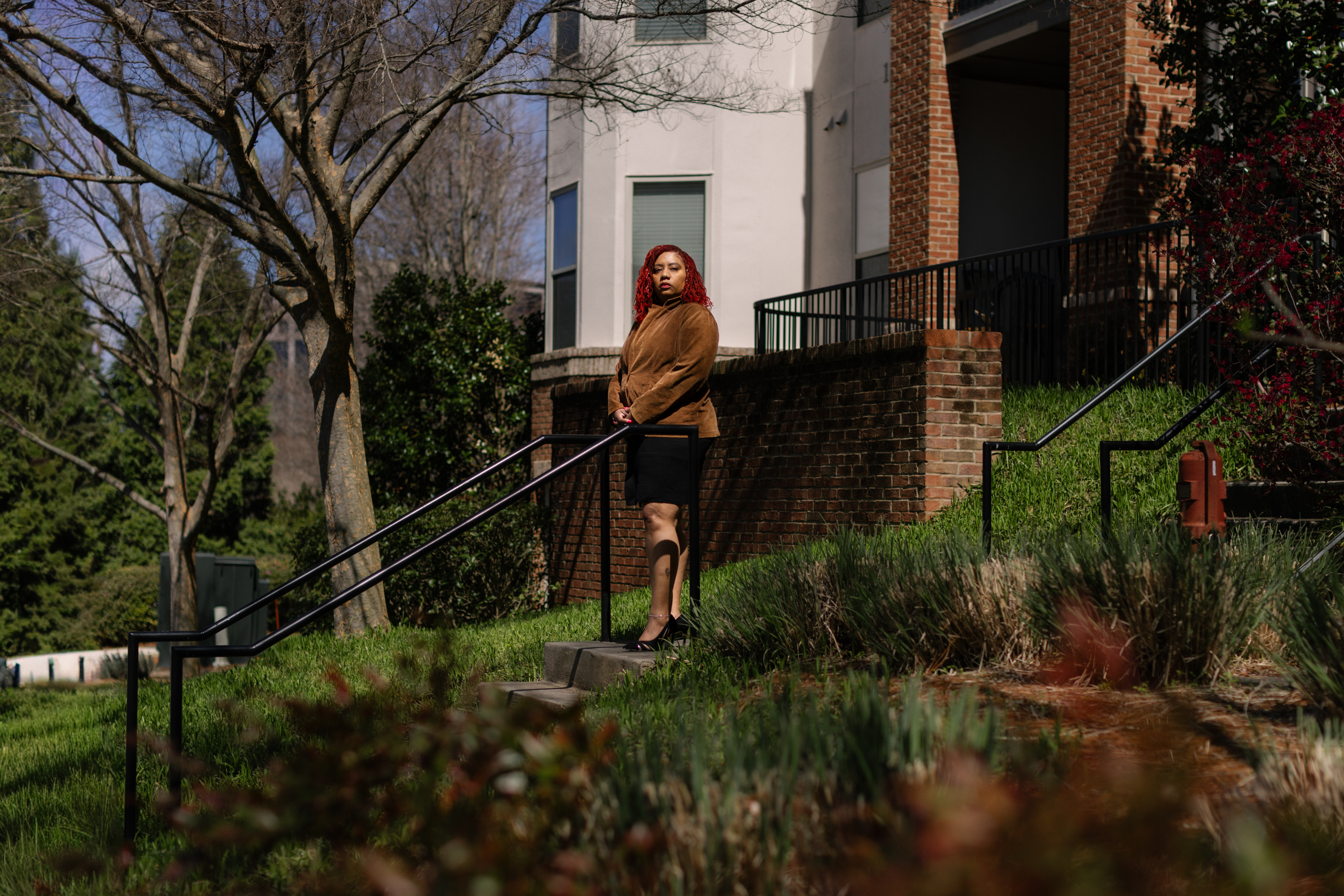
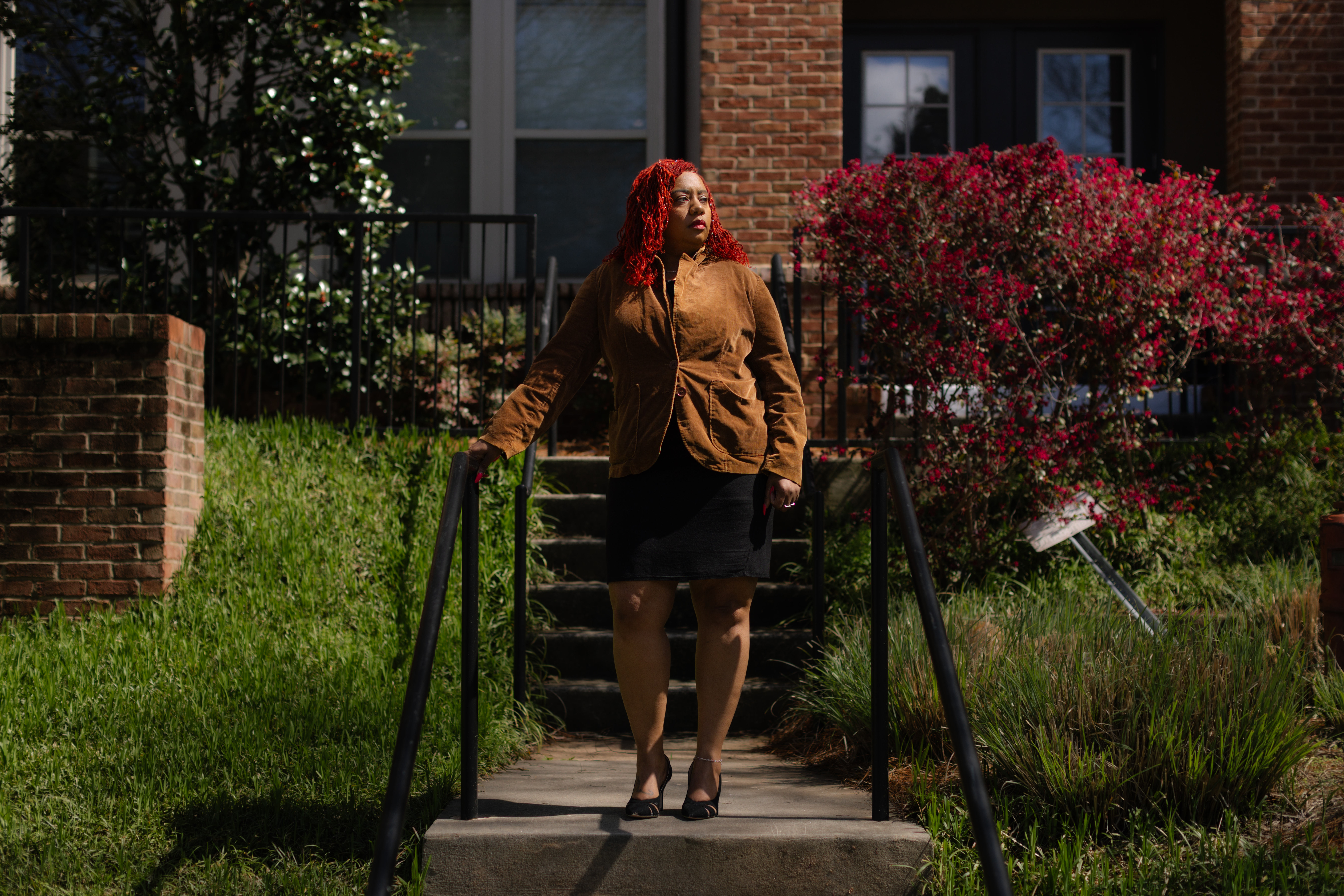
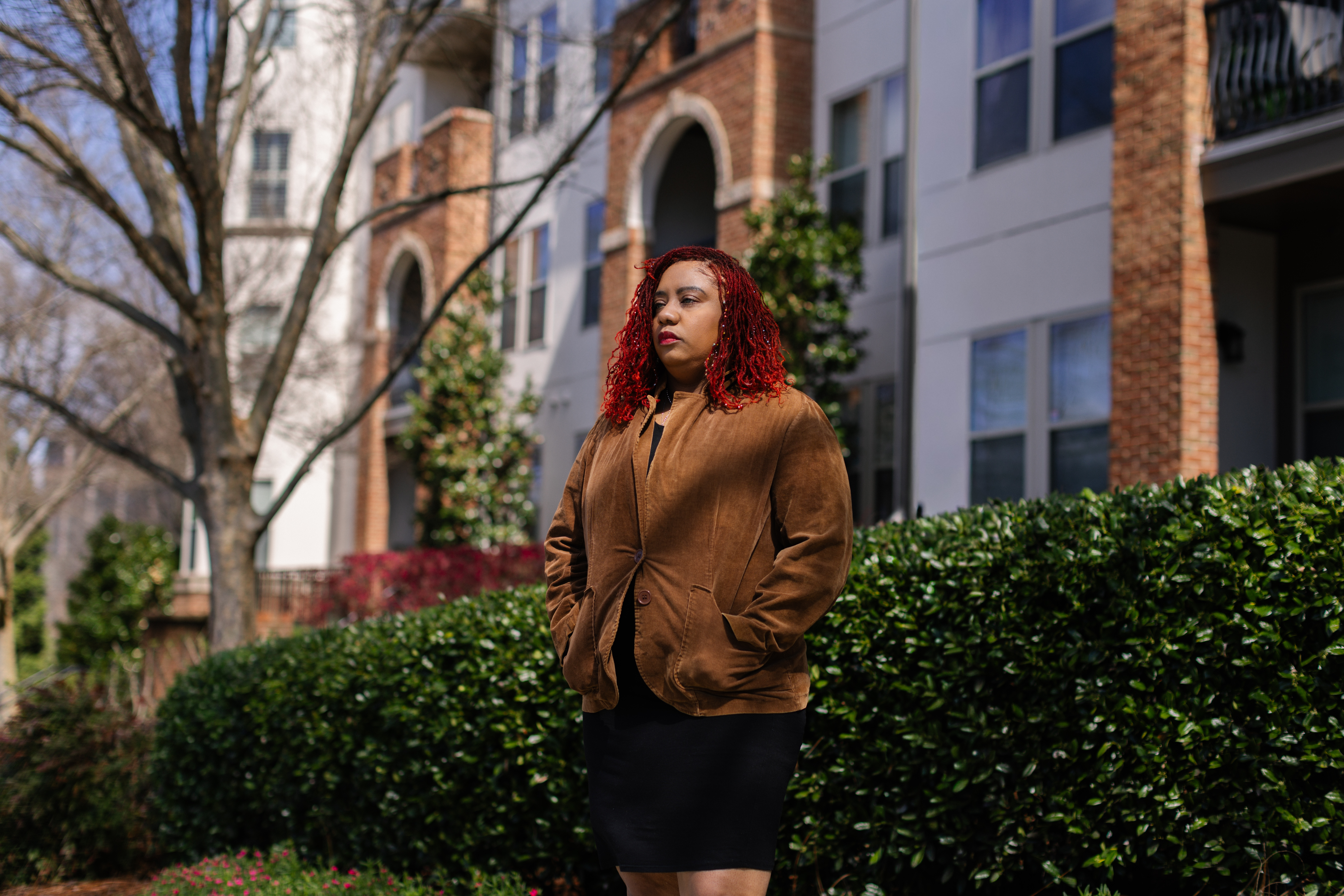
In the early morning hours of October 24, 2023, officers tied to the U.S. Marshals Service and the local sheriff’s office descended on Cathy’s home in Sandy Springs, Georgia—an upscale Atlanta suburb. They had planned the raid in advance, gaining key access to the secured condominium building. They found their way to Cathy’s door, pounded on it, and shouted threats. Cathy—alone and asleep—thought she was the victim of a home invasion.
Her small dog went to the door, barking. Cathy followed and opened the door. Officers aimed laser-equipped firearms at her nearly naked body, grabbed her, and dragged her into the hallway. There, cold and terrified, Cathy was detained while officers ransacked her home searching for a man named Joshua Smiley.
But Smiley was not there. Nor did he have any connection to Cathy, her home, or the building. Most striking of all, Smiley had already been arrested—peacefully and publicly—four months earlier, in Indiana. The U.S. Marshals Service had even issued a press release announcing his capture.
Had the officers run the most basic of checks, they would have realized that Smiley was behind bars and could not possibly be in Cathy’s home. Instead, they subjected an innocent woman to a traumatizing, humiliating raid with no explanation. Cathy suffers lasting effects. She moved from her apartment but still lives in fear that another inexcusable raid could happen again.
Cathy has teamed up with the Institute for Justice to hold the officers and the federal government accountable and to ensure that law enforcement officers do not recklessly violate innocent people’s rights without consequence.
Case Team
Client

Cathy George
Client
Attorneys



Staff

Andrew Wimer
Director of Media Relations

Rebekah Ramirez
Senior Paralegal
Media Resources
Get in touch with the media contact for image resources, press releases, and interview requests.
Media Images


Case Documents
Case Summary
Officers place Joshua Smiley on most-wanted list—and capture him
In June 2023, the United States Marshals Service placed Joshua Smiley on its “15 Most Wanted” list. Smiley was wanted in connection with a homicide investigation in Alabama and a federal-bond violation in Indiana.
About a week later, law enforcement located and arrested Smiley at a residence in Indiana. The arrest was peaceful. Officers called out to him and Smiley was taken into custody without incident.
The next day, the U.S. Marshals Service publicly announced Smiley’s capture in a press release and on social media. News outlets reported on the arrest, too. From that point forward, Smiley remained in law enforcement custody—where he remains to this day.
Four months later, officers raid Cathy George’s home
Despite Smiley’s capture, four months later—on October 24, 2023—officers associated with the U.S. Marshals Service and local sheriff’s offices planned and executed a raid on the home of Cathy George in Sandy Springs, Georgia.
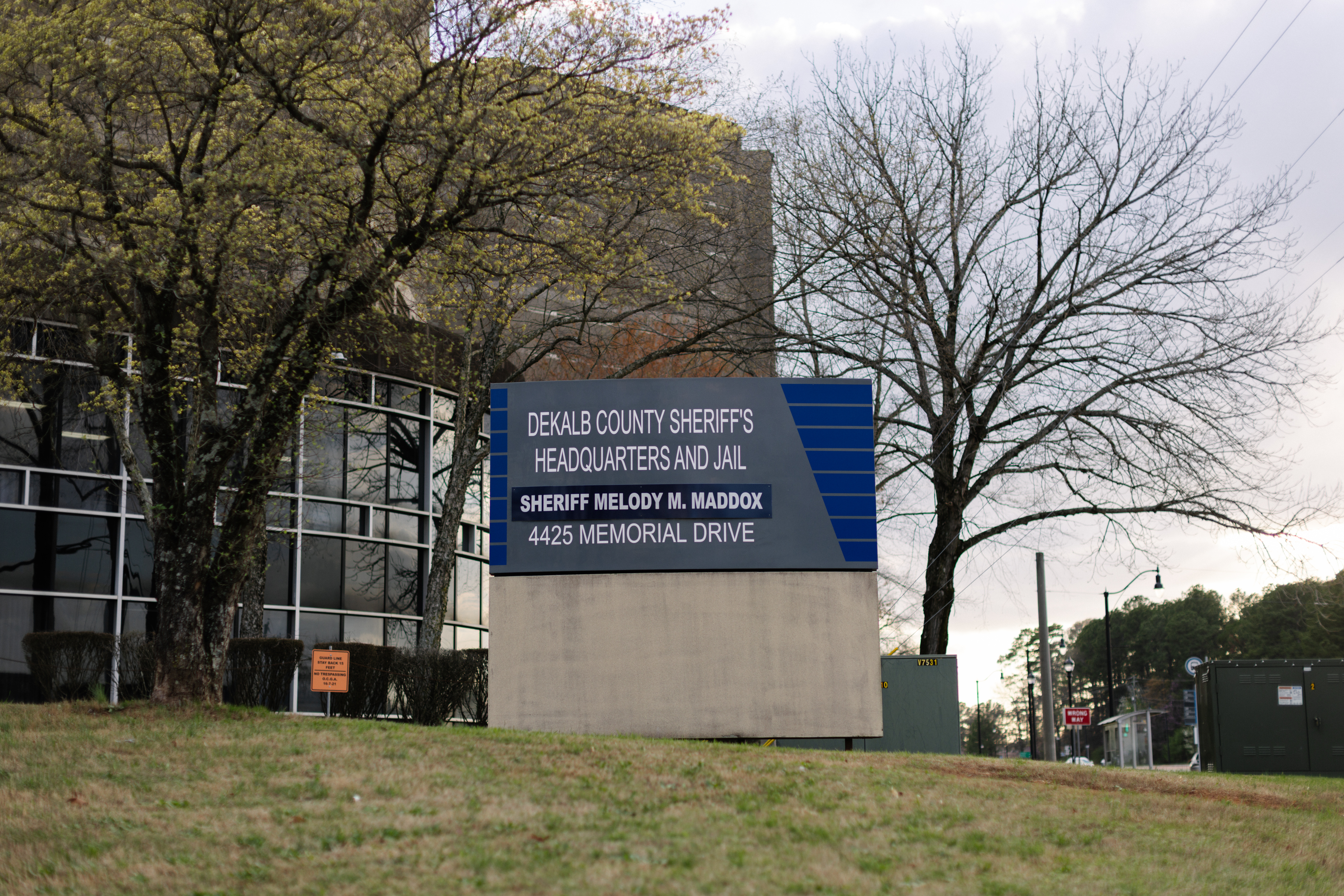
But Cathy had no connection to Smiley. She had never met him, and he had no ties to her home or her condominium building. Cathy, for her part, had never in her life found herself in trouble with the law, and she had been living peacefully in the secure condominium building for a couple of years without incident.
Nonetheless, at about 5:00 a.m., a team of more than a dozen heavily armed officers descended upon the condominium complex. They had planned the raid in advance, entering locked doors and proceeding to Cathy’s unit. Once there, officers pounded on her door with a battering ram and shouted threats.
Cathy was asleep and alone with her small dog. She woke in a panic, thinking her home was being invaded. She went after her dog, who had run to the door, barking. As she opened the door, she found herself covered in lights from laser-equipped firearms pointed at her body. Officers grabbed her and pulled her into the hallway.
There officers held her—cold, exposed, confused, and terrified—for roughly 15 to 20 minutes while more officers ransacked her home in search of Smiley.
Officers realize their error—but only after the damage is done
As officers searched Cathy’s home, they repeatedly demanded to know where Smiley was and accused her of hiding him. Cathy explained that she had no idea who they were talking about.
At one point, officers demanded to see photos of her sons. Officers escorted her back into her home for her to show them pictures on her phone. Comparing those photos to one of the suspect, officers shook their heads—no pictures of Smiley.
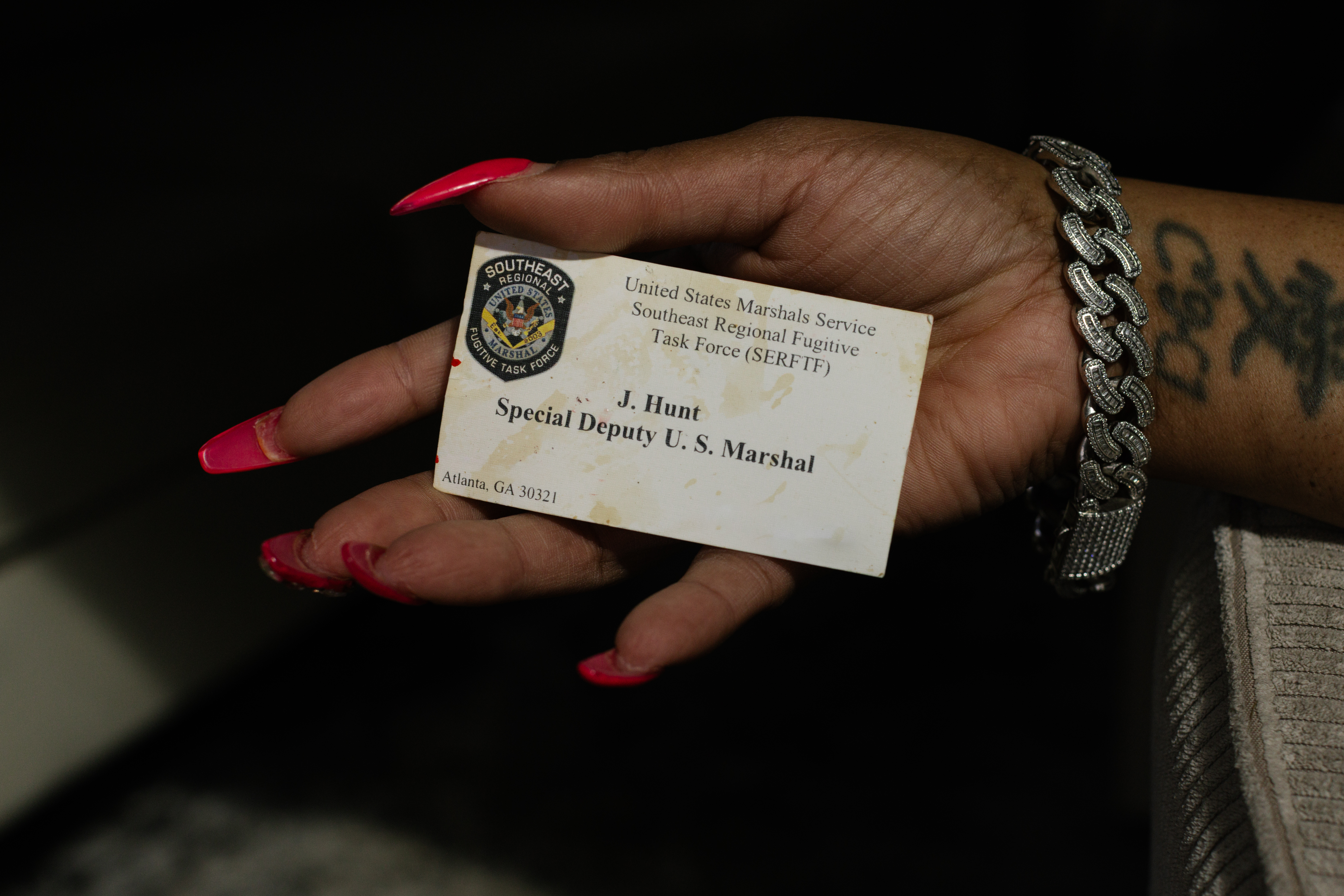
An officer told Cathy that “there’s been a mistake,” and handed her a business card. Then the entire team quickly left, leaving behind a ransacked home and a deeply shaken resident. They did not show her a warrant or give her any explanation of what had gone wrong.
The officers failed to perform basic checks
The raid on Cathy’s home should never have happened. Before raiding her home, officers failed to take even the most basic steps to verify that Smiley was still at large. Had they checked their own agencies’ records, court records, publicly available information, or even Google, they would have discovered that Smiley had been arrested four months earlier and remained in custody.
Because Smiley was already behind bars, there was no probable cause to believe he would be found in Cathy’s home. Yet the officers planned and carried out a full-scale raid anyway—targeting a home with no connection to the suspect.
The aftermath for Cathy
The raid has had lasting effects on Cathy’s life. She was terrified during the raid and now suffers from ongoing psychological harm—including nightmares, heightened fear of noises at night, difficulty sleeping, and persistent anxiety. She also moved from the apartment complex where the raid happened, hoping the move will ease her trauma and anxiety.
The legal claims
Cathy’s case asserts claims against the individual officers and the United States—for Fourth and Fifth Amendment violations and torts under Georgia law.
The Fourth Amendment prohibits unreasonable searches and seizures. Here the officers lacked any probable cause to believe the fugitive they were seeking could be found in Cathy’s home—because he was already in custody and officers should have known that. Any warrant they relied on was therefore invalid, either because it had already been executed months earlier or because it was obtained through false or misleading information that failed to disclose the fugitive’s arrest. The officers’ conduct was also unreasonable in execution: they stormed Cathy’s home, aimed firearms at her, detained her while nearly unclothed, and searched her home and phone, all without lawful justification and after it should have been clear that they made a serious mistake.
The Fifth Amendment similarly prohibits arbitrary deprivations of liberty and property. Here the officers seized Cathy and ransacked her home without taking even basic steps to verify whether their target was still at large.
Without legal justification, the officers’ conduct also amounted to assault, battery, trespass, negligence, false imprisonment, false arrest, and intentional infliction of emotional distress.
Cathy’s claims assert various theories for redress from the officers and the United States government. When individuals’ rights are blatantly cast aside like Cathy’s, there must be some path to vindicate those rights.
The legal team
Cathy is represented by IJ Attorneys John Korevec and Marie Miller. They are assisted by Andrew Canter and Zack Greenamyre, with Mitchell, Shapiro, Greenamyre & Funt, LLP.
About the Institute for Justice
Cathy’s case is part of the Institute for Justice’s Project on Immunity and Accountability, which seeks to ensure that government officials and employers are held responsible when they violate constitutional rights. And through its Project on the Fourth Amendment, IJ seeks to protect our right to be secure in our persons and property. When officers fail to verify basic facts—like whether the person they seek is still at large—and storm innocent persons’ homes, the victims should receive redress. The Institute for Justice represents other victims of wrong-house raids and mistaken identity, including a family also in Georgia, a family in North Carolina, a working mother in South Bend, grandmothers in Arizona and Florida, and a teenager in Maine.