Economic Liberty
Pennsylvania real estate broker files lawsuit challenging law requiring brokers to have brick-and-mortar offices
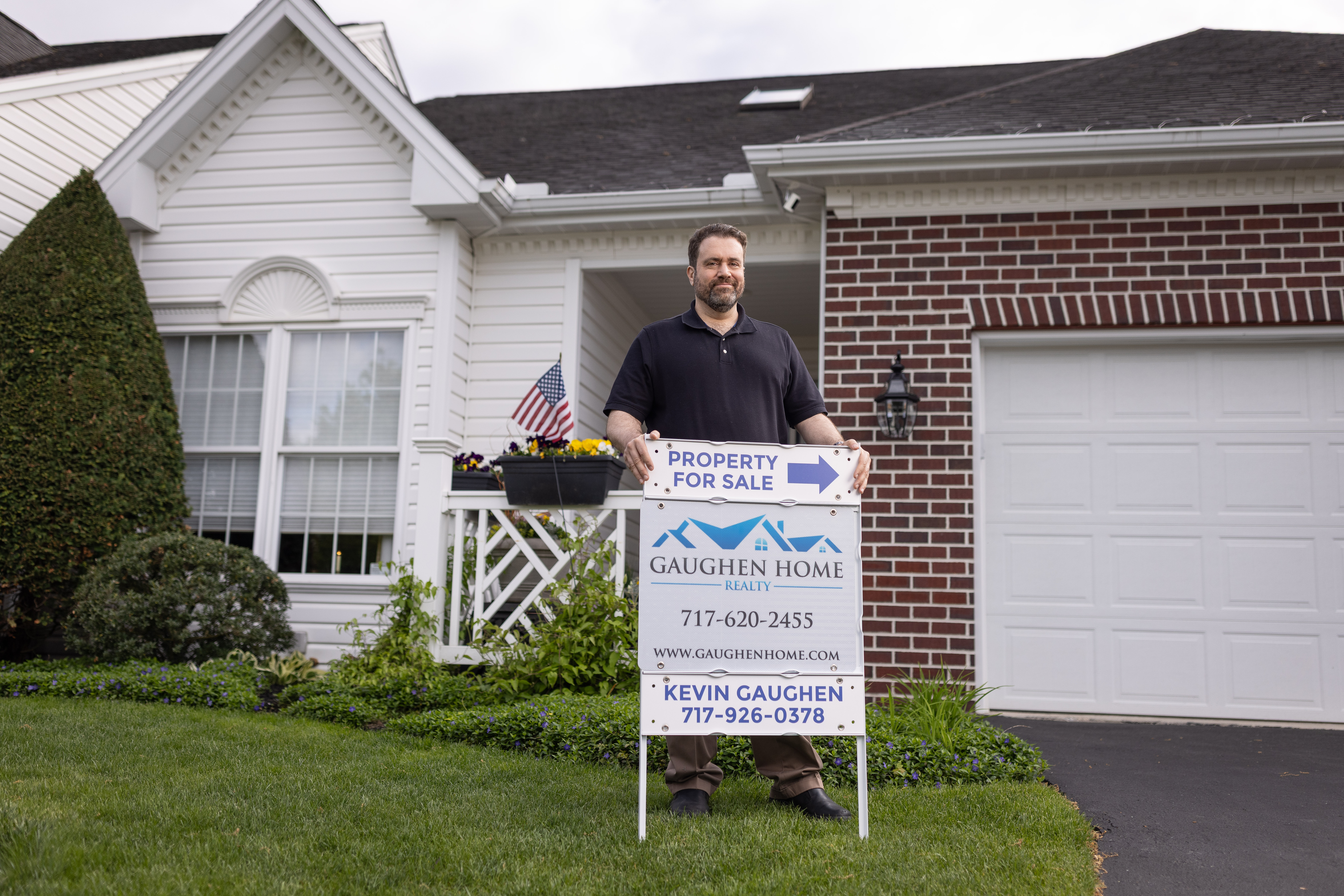
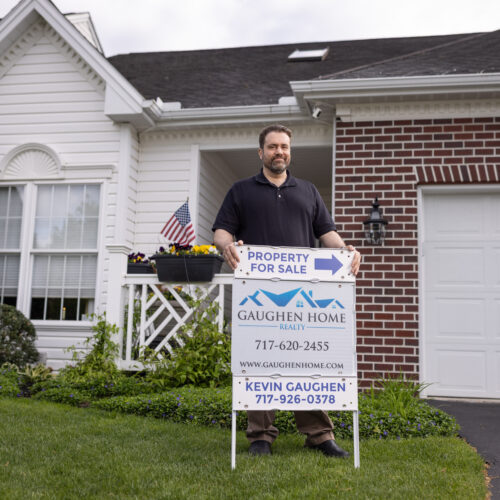
Pennsylvania real estate broker Kevin Gaughen has filed a lawsuit alongside the Institute for Justice challenging a law requiring brokers in Pennsylvania to have brick-and-mortar offices.

- Case Name
- Gaughen v. Bureau of Pro. & Occupational Affs., Real Est. Comm’n
- Status
- Active Cases
- Location
- Lemoyne, Pennsylvania
- Date Filed
- May 20, 2026
The Case
Kevin Gaughen has worked in real estate for 20 years. He’s a third-generation broker who built his business the old-fashioned way—through hard work, relationships, and a commitment to serving his client. Today, like many professionals, Kevin uses modern technologies to work wherever it makes the most sense: at home, on the road, or at the properties he helps buy and sell.
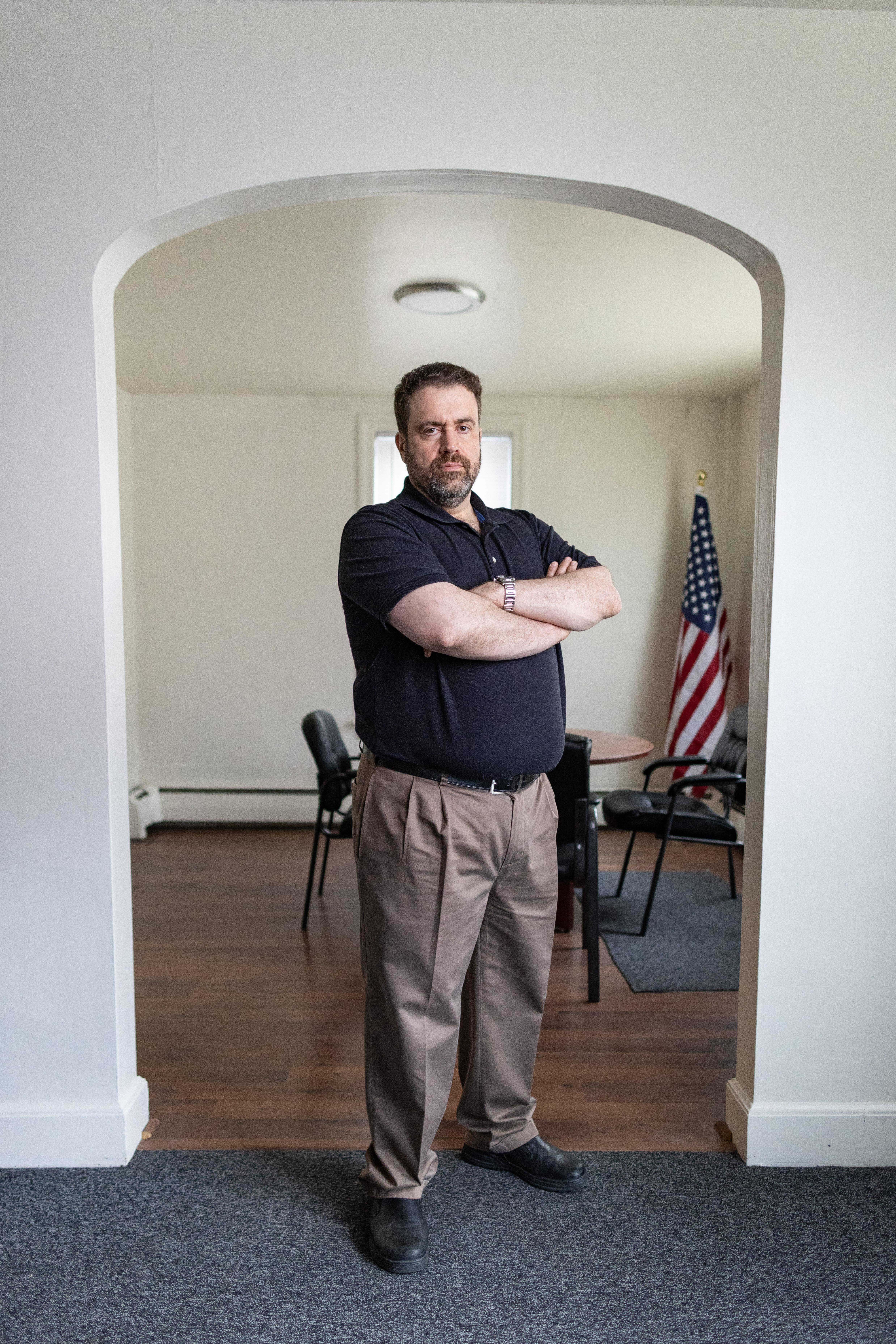
There’s just one problem: Pennsylvania law says Kevin must maintain a brick-and-mortar office—even though neither he nor his clients use it.

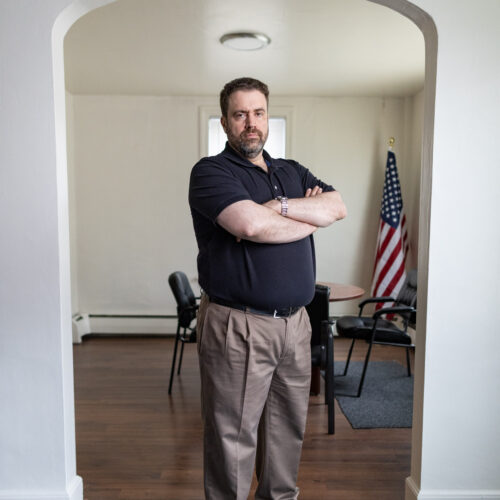
For Kevin, this means keeping a 1,000-square-foot office space that sits vacant. It means incurring tens of thousands of dollars in costs every year in rent, taxes, insurance, utilities, and repairs. And it means keeping a unit in his building off the housing market—space that could otherwise be rented to someone who needs a home.
Kevin is not alone. Across Pennsylvania, brokers are required to maintain physical offices regardless of where they work or how many transactions they conduct. Whatever the case for this requirement a century ago, today, it’s outdated—and costly.
Fortunately, the Pennsylvania Constitution protects the right to earn an honest living. It does not allow the government to impose unnecessary burdens that do not actually protect the public. That’s why Kevin has teamed up with IJ to challenge Pennsylvania’s real estate office requirement.
Case Team
Client

Kevin Gaughen
Client
Attorneys



Staff

Dan King
Assistant Director of Media Relations

Cara Di Silvio
Paralegal

Claire Purple
Senior Paralegal
Media Resources
Get in touch with the media contact for image resources, press releases, and interview requests.
Media Images


Case Documents
Case Summary
Gaughen Home Realty
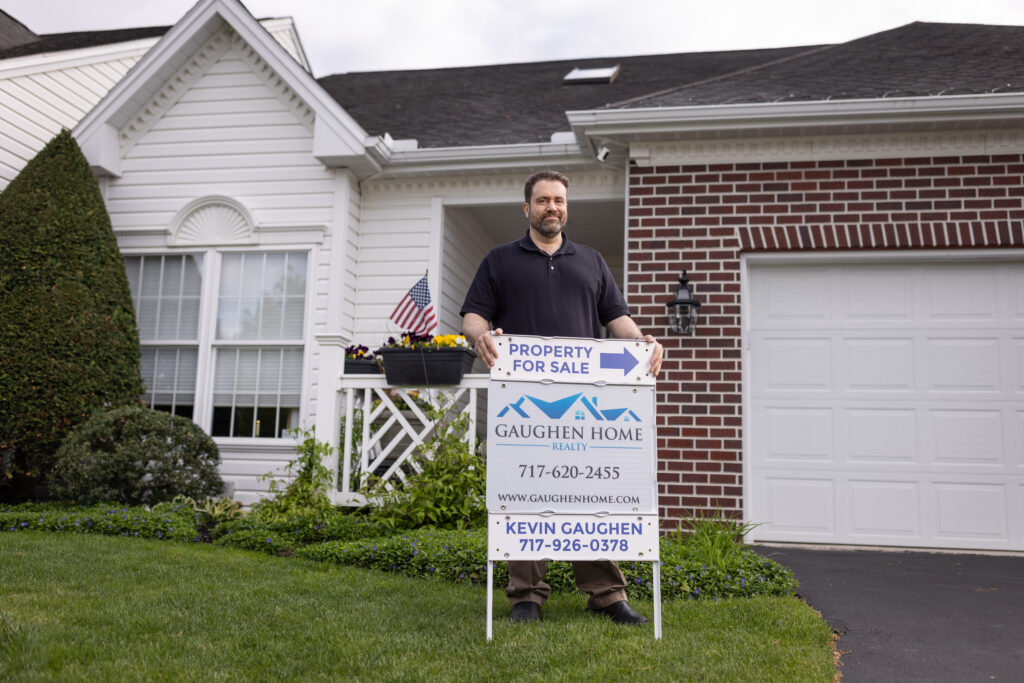
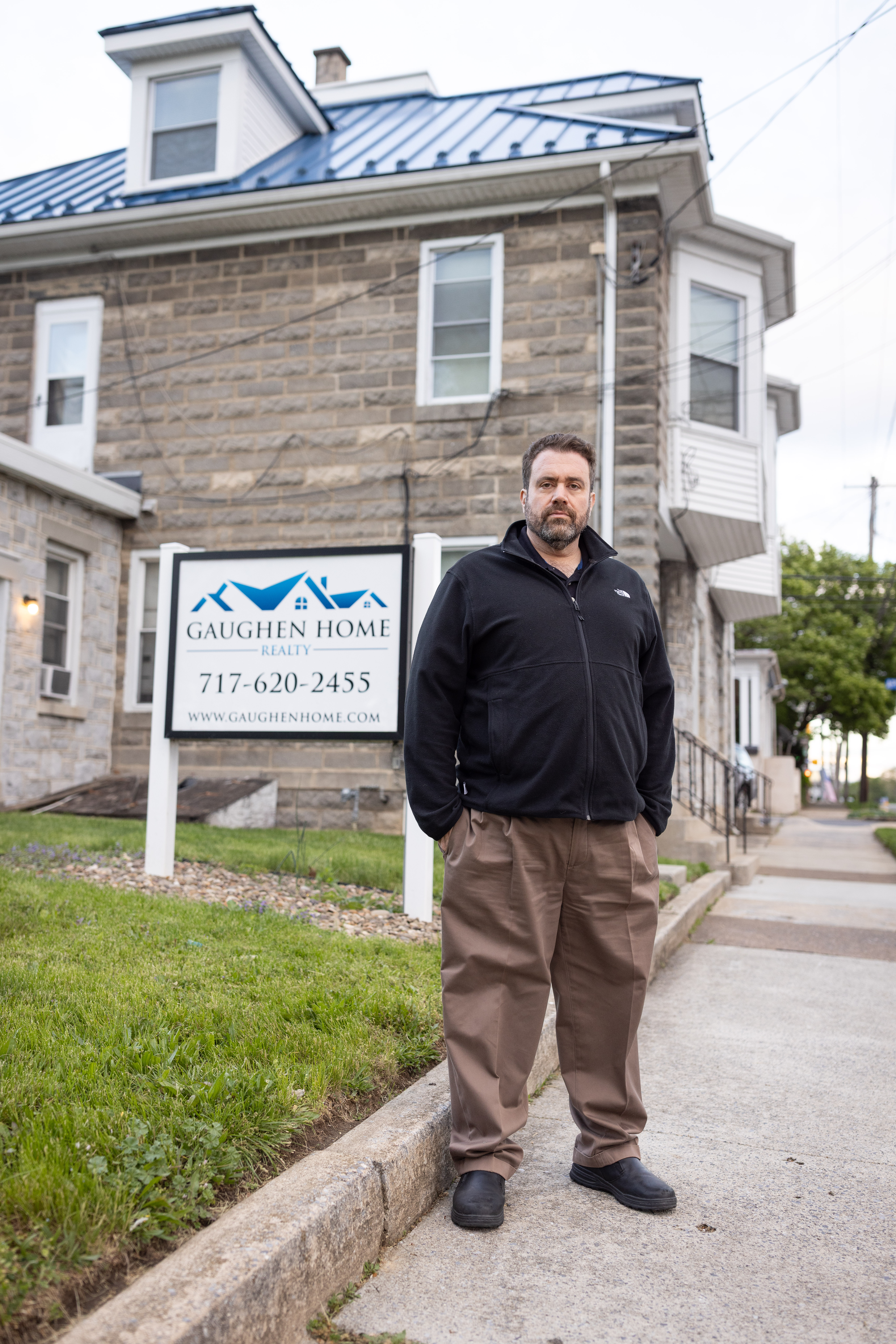
Kevin Gaughen has spent his career in the Pennsylvania real estate industry. In 2011, after working as a real estate agent for five years, he opened Gaughen Home Realty—a small, independent brokerage serving clients throughout Greater Harrisburg. Over the years, Kevin has handled hundreds of residential and commercial transactions, earning a reputation for personalized service and strong results.
One common theme runs through these real estate transactions: Kevin does not use his office. Instead, he works wherever is most convenient for his clients. Often, this is at the properties themselves, where he meets clients, participates in showings and open houses, attends inspections and walkthroughs, coordinates repairs, and meets appraisers and contractors. Other times, he works from home or on the road, using his phone or computer.
This is how the modern real estate industry works. When a broker like Kevin needs to communicate with a client or agent, he doesn’t schedule a meeting at his office: He texts them, calls them, or emails them instantly. And when he is not out visiting properties, Kevin can conduct his real estate business anywhere in the world with online listing platforms, digital recordkeeping systems, and electronic signatures. Today, his office is nothing more than a billboard—an expensive one.
An Outdated Office Requirement in a Modern Industry
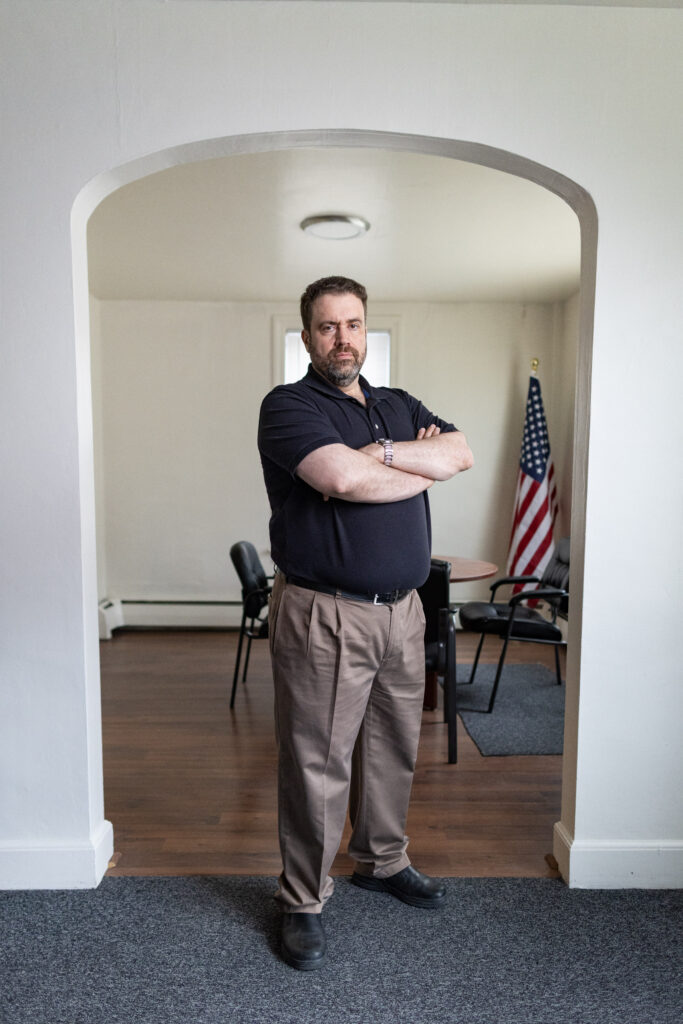
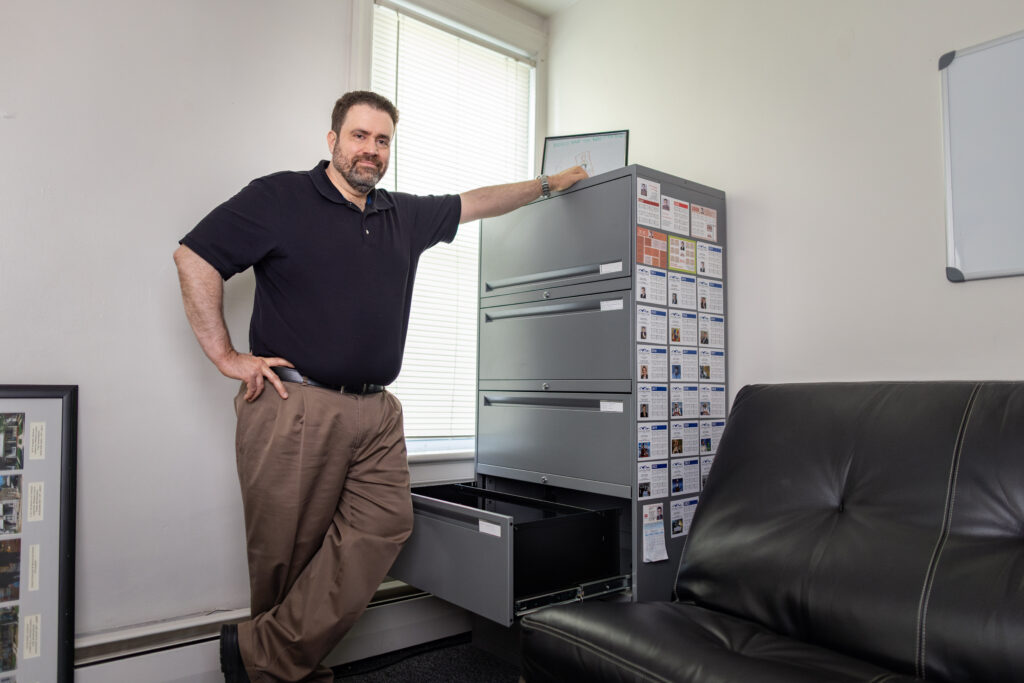
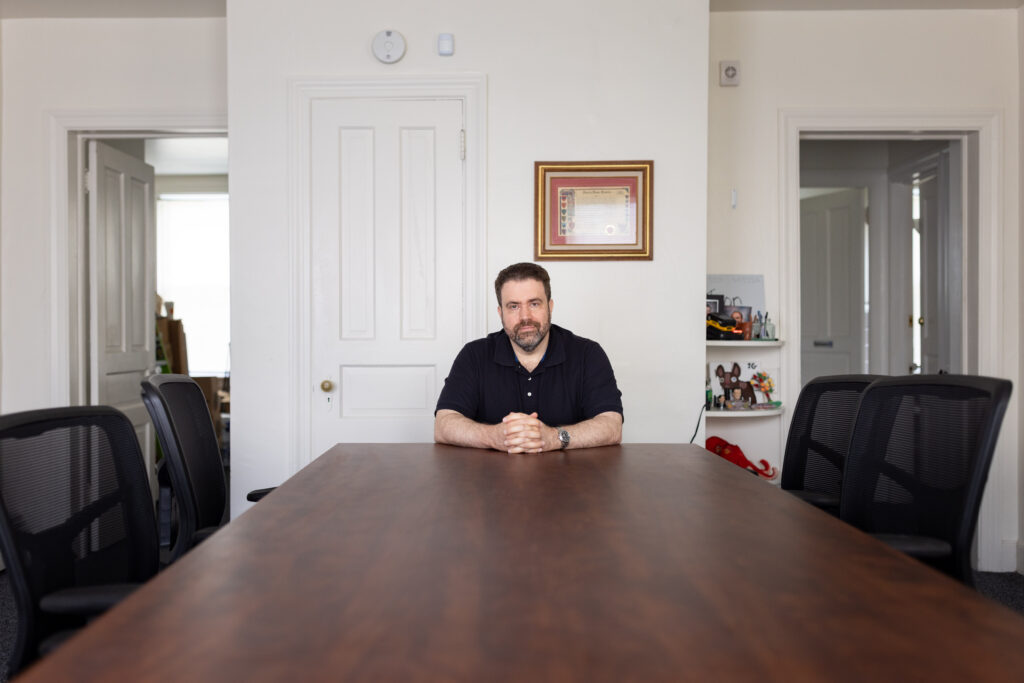
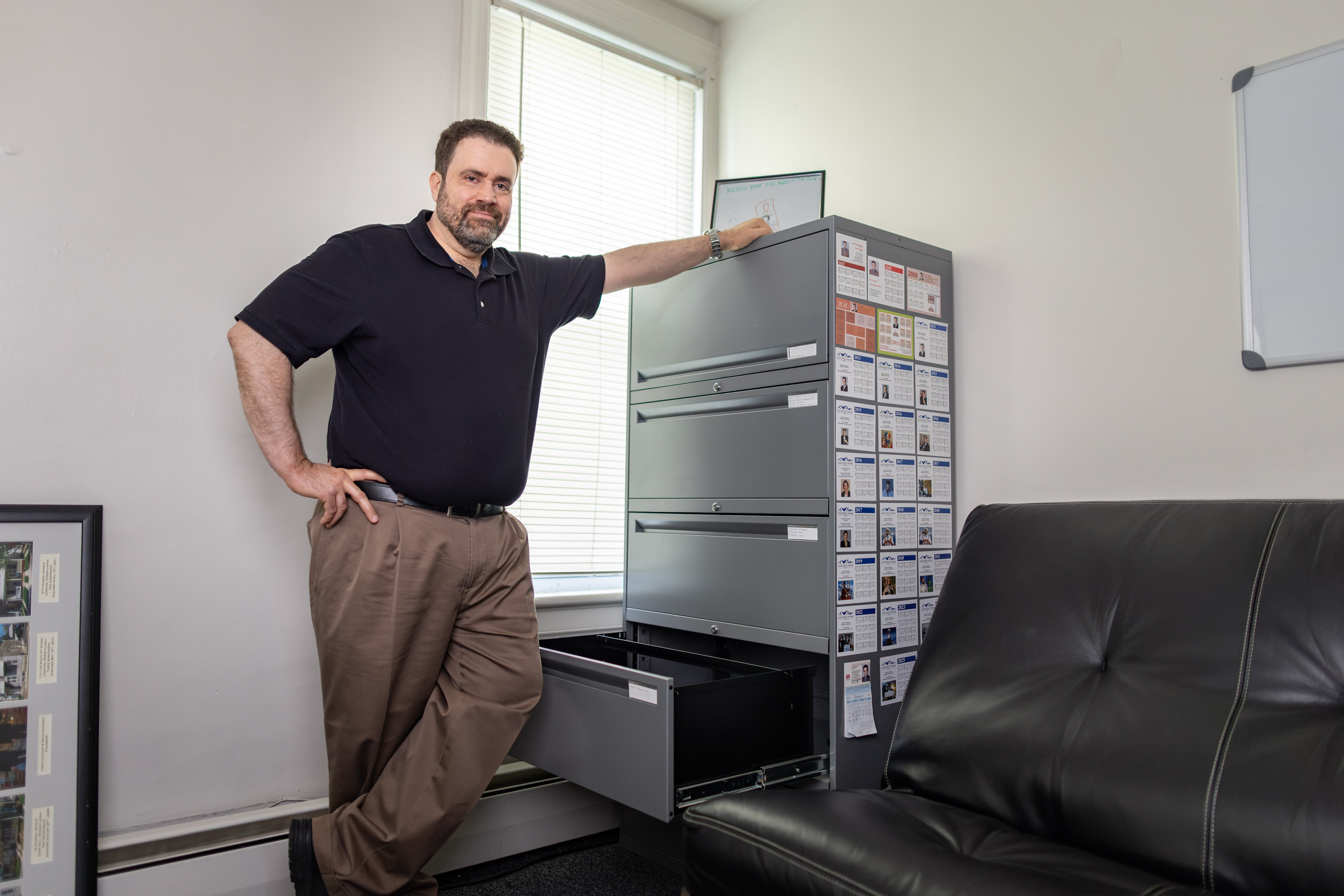
Though brokers like Kevin have evolved with the times, the Pennsylvania Real Estate Commission has not. Since 1929, the commission requires all real estate brokers to maintain a physical office—even if no work is done there. The office must have a sign bearing the brokerage’s name, and it must be arranged exactly the way the commission wants it to be. Up to four times a year, the commission may send an inspector (unannounced) to the office to check for items like a conference table, a landline phone, and a filing cabinet. Brokers face hefty fines and risk having their licenses revoked if their offices are not up to par with the commission’s antiquated rules.
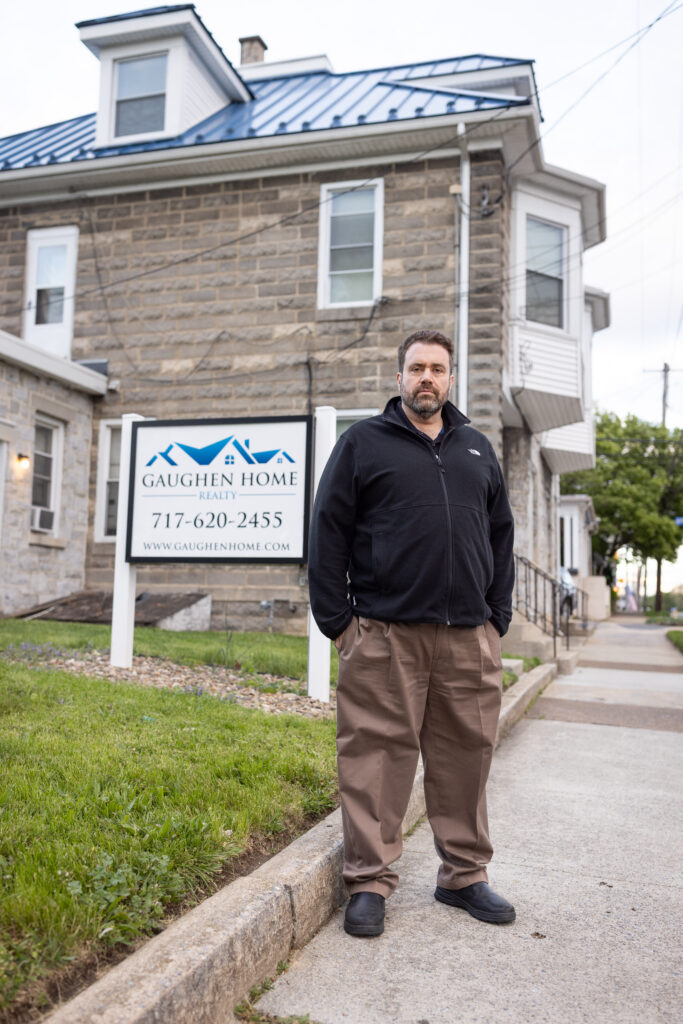
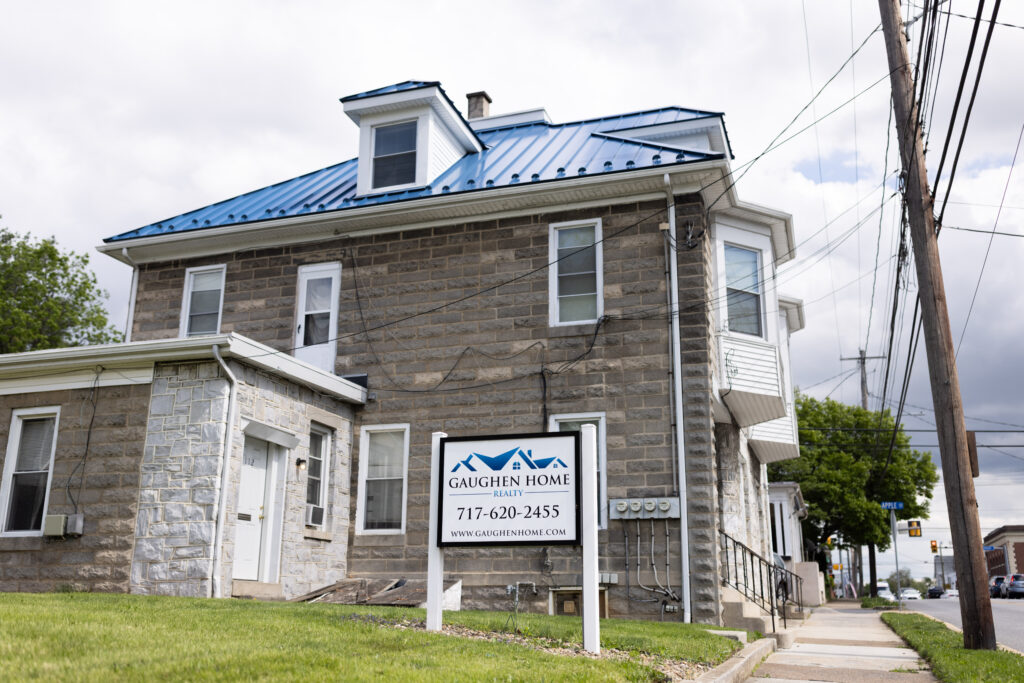
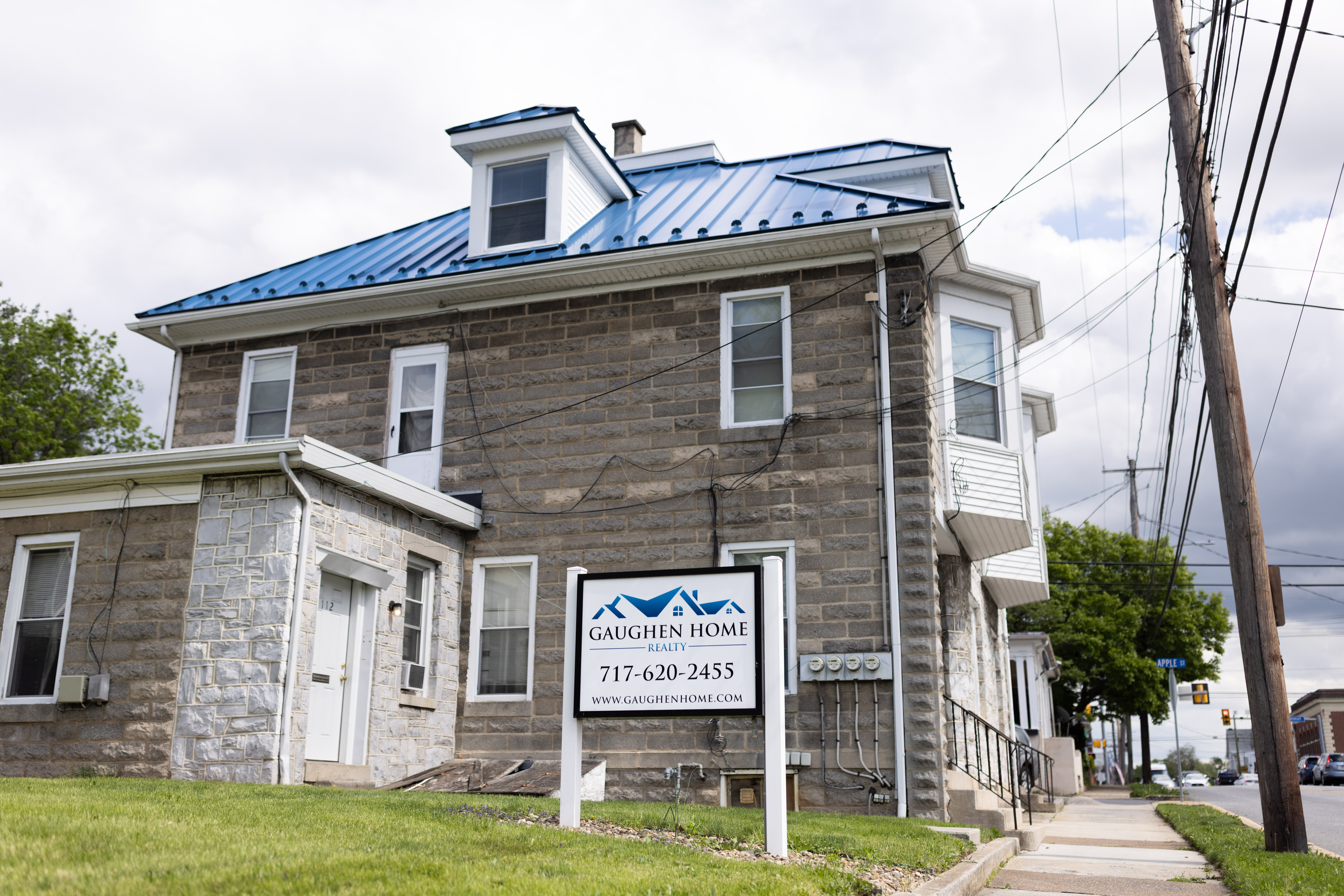
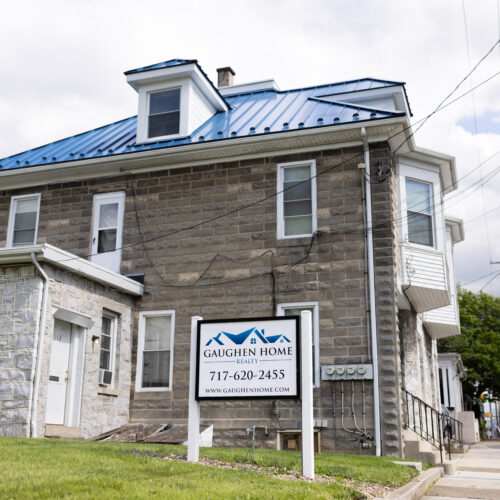
Because of the commission’s outdated requirement, Kevin and brokers throughout the commonwealth must keep small ghost offices. In Kevin’s case, he converted one unit in his three‑unit, multi‑family building outside Harrisburg into an office, complete with the commission’s required furnishings. And each year, he incurs tens of thousands of dollars in costs in rent, taxes, insurance, utilities, and repairs.
He visits the office twice a month, not to conduct real estate business, but to check for an inspector’s notice posted to his office door. While there, he might pay his rental property bills. But outside these visits, the unit sits vacant, neither serving any clients nor housing any tenants.
That is one of the worst parts: In today’s severe housing shortage, small ghost offices like Kevin’s are taking up real estate that could be rented to someone who needs a home. In fact, before needing the unit for his office, Kevin rented it for seven years (just like the other two units in the building). Today, the unit retains a fully‑equipped kitchen, two bedrooms, a bathroom, and two open, adjoining living areas for a future tenant. But because of the commission’s rules, real estate throughout the commonwealth must sit vacant, rather than serve as housing or some other productive use.
As Kevin’s experience shows, Pennsylvania’s real estate office requirement does not make sense. It increases the costs to run a brokerage and keeps available housing and real estate off the market. And it makes it harder for smaller, independent brokers like Kevin to compete with larger, established real estate firms, which can spread out the office costs among many agents or clients.
Pennsylvania’s Constitution Protects the Right to Earn a Living
The Pennsylvania Constitution has a word to describe such outdated and burdensome restrictions on the right to earn an honest living: unconstitutional. Article I, Section 1 of the Pennsylvania Constitution recognizes that Pennsylvanians possess certain “inherent rights,” including the right to earn a living free from arbitrary, unnecessary, or protectionist regulations. Pennsylvania’s real estate office requirement is just that—arbitrary, unnecessary, and protectionist.
Recently, in an IJ case involving a short‑term vacation property manager named Sally Ladd, a Pennsylvania court already said as much. There, after the commission acknowledged it did not have “any evidence” that its office requirement actually protected the public, the court ruled that the requirement was unconstitutional as applied to Sally’s online business.
The same logic rings true here. Just as it was unreasonable to require Sally to maintain an office to manage vacation properties, it is unreasonable to make Kevin and other, more traditional real estate brokers keep an office that neither they nor their clients use. Demanding Kevin keep an empty office outside Harrisburg does not protect anyone. Instead, it imposes unnecessary costs, decreases competition between brokers, and reduces the available housing supply. Kevin is teaming up with IJ to make this argument in the courts and vindicate his right to earn a living.
The Litigation Team
Kevin is represented by IJ Senior Attorneys Renée Flaherty and Will Aronin and Attorney Christian Lansinger. The team is assisted by John DeSantis of DeSantis Krupp, LLC as local counsel.
The Institute for Justice
IJ is the nation’s leading defender of the right to earn an honest living under both the federal and state constitutions. In a 2020 IJ case, the Pennsylvania Supreme Court confirmed that the Pennsylvania Constitution is more protective of economic liberty rights than the United States Constitution. 1 Three years later, in another IJ case, the Georgia Supreme Court reached a similar conclusion. 2
This case is part of IJ’s growing list of challenges against arbitrary restrictions on the right to earn a living under state constitutions. In the last year leading up to this case, IJ filed challenges against bans on selling caskets under the Oklahoma Constitution, backyard swim lessons under the South Carolina Constitution, and home-based auto repair under the Pennsylvania Constitution. We have also filed a challenge against a county’s arbitrary denial of a zoning permit to a natural hair salon under the Georgia Constitution.