Michigan Supreme Court Will Hear Case Against Wayne County Over Retaliatory Criminal Charges
Robert Reeves was prosecuted after he filed a civil rights suit against the county’s forfeiture practices.
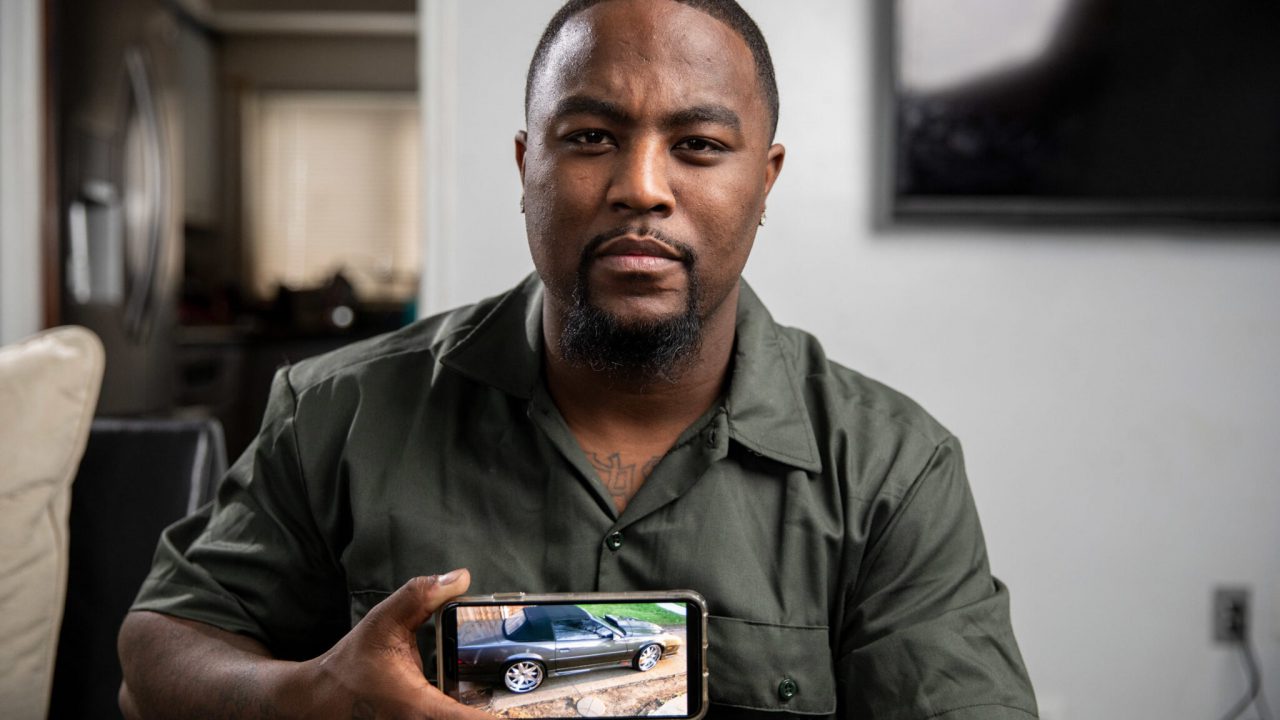
LANSING, Mich.—Today, the Michigan Supreme Court agreed to hear Robert Reeves’s case against Wayne County over retaliatory criminal charges he faced after he sued the county over its unconstitutional forfeiture of his car. Robert was twice dragged through baseless criminal proceedings after he stood up for his rights under the U.S. Constitution. The Institute for Justice (IJ) represents Robert in both his case challenging the county’s forfeiture machine and this case challenging the retaliation by county prosecutors.
“When a government official violates a Michigander’s constitutional rights, the harm is the same whether that official works for the state or a local government,” said IJ Senior Attorney Kirby Thomas West. “We look forward to establishing that, in either case, victims deserve to be compensated for violation of their rights.”
Last year, the Michigan Court of Appeals ruled that a Wayne County prosecutor must face Robert’s lawsuit but that he could not bring a suit for money damages against Wayne County or its employees for violations of his rights under the Michigan Constitution. A few years ago, the Michigan Supreme Court ruled that individuals can bring suits for damages against state officers for violations of the Michigan Constitution, but that ruling did not speak to whether municipalities and local government employees could also be sued for similar violations. Robert’s case presents an opportunity for the court to clarify that all government actors are accountable under the Michigan Constitution.
“I was punished for speaking out and defending my rights,” said Robert. “I’m glad to be one step closer to making sure government officials will think twice before doing that to anyone else.”
Robert’s ordeal began in 2019, when police seized his 1991 Camaro using a controversial legal tool called civil forfeiture. That allowed the county to seize and keep his car without charging him with a crime. The day after he teamed up with IJ in February 2020 to file a federal class-action lawsuit aimed at dismantling Wayne County’s lucrative car-forfeiture racket, county prosecutors revived a long-dormant investigation and charged him with concealing stolen property—charges a judge dismissed twice for lack of evidence. Robert and IJ filed a second lawsuit alleging those prosecutions were a coordinated effort to derail his civil rights case and intimidate others who might speak out.
IJ defends individuals from unconstitutional retaliation across the U.S. In Kansas, IJ is defending a vice mayor who was improperly investigated by police at the direction of the city’s mayor. In Ohio, IJ is suing a mayor and police chief who had their political opponent’s campaign van seized. And in Alabama, IJ is seeking justice for four people who were wrongfully prosecuted and arrested by a county attorney and sheriff.
More on First Amendment

First Amendment
National Law Firm Warns Maine Town: Fines for Autistic Girl’s Lawn Ornaments Violate the First Amendment

First Amendment
Virginia Counselor Wins Lawsuit Challenging District of Columbia’s Restrictions on Teletherapy Sessions
First Amendment