National Law Firm Warns Maine Town: Fines for Autistic Girl’s Lawn Ornaments Violate the First Amendment

Pyper LeBlanc loves roosters.
The six-year-old girl with autism arrived at the home of David and Sara LeBlanc, her adopted parents, with a stuffed rooster. Over the years, the LeBlancs acquired a collection of rooster statues in their front lawn in Ogunquit, Maine. They’re a source of comfort for Pyper, easing her transition from home to school each weekday morning. Dozens of people in town have put up their own rooster statues to show support for Pyper and her family, turning them into a symbol of autism awareness.
But to the town of Ogunquit, the roosters on Pyper’s lawn are illegal signs. Because David and Sara also own the Omelette Factory, a breakfast spot attached to their home, officials have unilaterally decided that the roosters are unpermitted advertisements for the restaurant and have fined them nearly $2,000 dollars so far.
“Roosters don’t even lay eggs,” David said. “These ones just help my daughter get out her own front door, and help all of us feel a little less alone.”
Today the Institute for Justice (IJ), a national public interest law firm, sent a letter to Ogunquit Town Manager Matthew Buttrick and Code Enforcement Officer Tyler McOsker demanding that the town rescind the fines and stop enforcing its sign code against the roosters.
“Ogunquit is a charming tourist town with no shortage of nautical statuary, whimsical yard art, and seasonal lawn decorations that receive no such treatment—including the countless roosters decorating many of the LeBlanc’s neighbors’ yards,” said Daniel Woislaw, the IJ attorney who authored the letter. “The only reason the LeBlancs’ roosters have been singled out for fines and removal is because the town thinks they communicate a message about their popular restaurant.”
That is a textbook content-based speech restriction, violating the LeBlancs’ First Amendment rights.
When Ogunquit initially levied fines against the LeBlancs earlier this year, residents all over town volunteered to “foster” some of the roosters as a show of support for the family, and as a symbol of autism awareness. The LeBlancs eventually requested and were granted a disability variance, allowing them to keep two statues.
That might have been the end of the story. But now, the town is taking issue with how the roosters are attached to the house, and has issued an additional $750 fine.
“The First Amendment does not let a code officer decide that your neighbor’s rooster is a decoration and yours is an illegal sign,” Woislaw said. “Once the government is reading meaning into your yard to decide whether you need a permit, it is regulating speech, and the Constitution has something to say about it. The town should rescind the fine and leave this family alone.”
IJ has spent more than 20 years challenging unconstitutional sign codes. Ogunquit’s dispute closely tracks an earlier IJ case in Conway, New Hampshire, where officials told a bakery that a mural of donuts and pastries painted by local high school students was an oversized sign that had to be shrunk or removed. In 2025 a federal court ruled that Conway’s enforcement was unconstitutional and blocked the town from forcing the mural down.
“We never imagined that two roosters, placed at our home to help our autistic daughter with her daily transitions, would turn into such a long and exhausting battle,” Sara said. “While we understand that the town has ordinances and responsibilities, we also believe there should be room for communication, compassion, and reasonable solutions when those ordinances affect a child’s personal belongings at her family home.”
Ogunquit now has the chance to do the right thing: rescind the fines and let a little girl keep her roosters in peace.
More on First Amendment

First Amendment
Fort Wayne Death Doula Secures Final Victory in First Amendment Lawsuit Challenging State’s Restrictions on Discussing End-of-Life Care
First Amendment
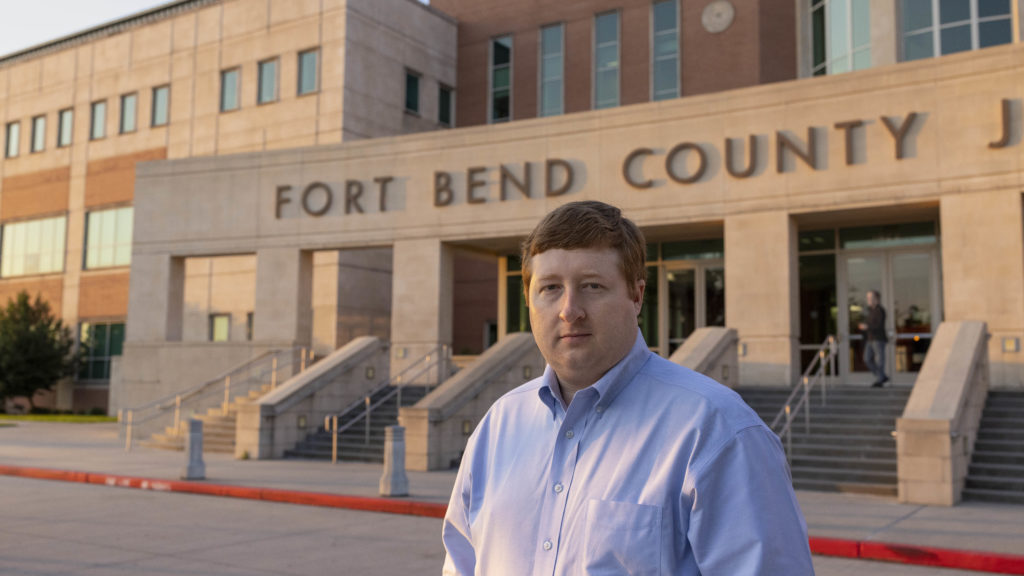
Federal Court Rules That Fort Bend County Lieutenant Taylor Rollings Arrested Independent Journalist Justin Pulliam in Violation of the First Amendment

First Amendment
Nonprofit Working to Help New Yorkers Fight Debt Collection Lawsuits Will Continue Fight to Provide Free Advice
Related Letters and Statements
Ogunquit, ME Lawn Decorations
Ogunquit, ME
