Victory: FDA Agrees to Stop Banning Truthful ‘Low-FODMAP’ Food Labels
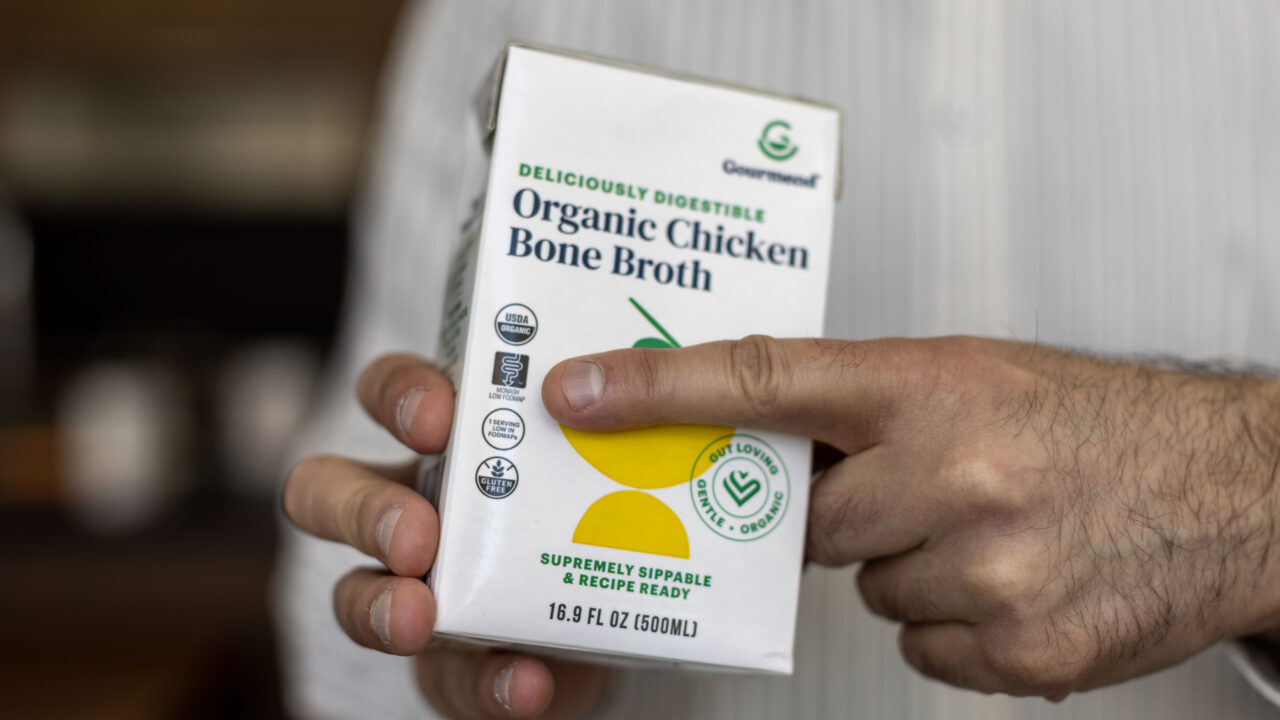
WASHINGTON—Today, the Food and Drug Administration (FDA) announced that it will no longer bar food producers from truthfully labeling their products as “Low-FODMAP,” an acronym for certain sugars that are difficult to digest. When a food is “Low-FODMAP” it means it is low in these troublesome sugars. The FDA’s decision has the potential to benefit millions of Americans who are FODMAP-sensitive, including people who suffer from irritable bowel syndrome, because low-FODMAP food producers will now be able to include this helpful information on their packaging.
The decision comes after a federal appeals court recently revived a lawsuit brought by Las Vegas resident Michelle Przybocki, who abides by a strict low-FODMAP diet after nearly dying from digestive complications; Ketan Vakil, the owner of Gourmend Foods, which specializes in making low-FODMAP products; and their attorneys from the Institute for Justice (IJ).
“I’m thrilled that the federal government is going to allow companies to start labeling their products as ‘Low-FODMAP,’ because this makes it easier for me to find foods that I know will not cause me digestive issues,” said Michelle. “Today’s announcement is a win for everyone who follows a low-FODMAP diet and could help tens of millions of Americans.”
After the 9th U.S. Circuit Court of Appeals ruled in favor of Michelle and Ketan in August, reviving their lawsuit and sending it back to the lower court, they moved for a preliminary injunction to halt enforcement of the ban. In response to that motion, FDA changed its policy to give Michelle, Ketan, and Gourmend what they had sought from FDA in this lawsuit.
In today’s non-enforcement letter announcing its change of position, FDA said: “FDA has evaluated the FODMAP level statements currently made on the labeling of Gourmend Foods, LLC’s FDA-regulated food products and does not consider them to be nutrient content claims and does not intend to take enforcement action on them as nutrient content claims. Furthermore, FDA also does not intend to take enforcement action on them as avoidance claims or statements of special dietary usefulness.”
The government never argued that Ketan and others who wanted to label their products as “Low-FODMAP” were saying anything untruthful. Instead, they simply said that because the term was not on the government’s outdated, preapproved list of food-related claims, producers were not allowed to say anything related to FODMAP levels on their labels.
“Businesses have the right to tell the truth about their products, and their customers have the right to hear that truthful information without government getting in the way,” said IJ Senior Attorney Justin Pearson. “The old rules weren’t just hard to digest, they were unconstitutional, and we’re glad to see these changes.”
Ketan started Gourmend in 2021 and produces chicken broth, beef broth, vegetable broth, and seasoning kits. His chicken broth, vegetable broth, and seasoning kits are regulated by FDA, and his beef broth is regulated by the United States Department of Agriculture (USDA). Both agencies followed the same regulation banning low-FODMAP statements, but only the USDA required that food labels be preapproved before companies could use them. When Ketan attempted to obtain USDA preapproval for his beef broth label, the USDA discussed the issue with the FDA and then informed him that he could not say that his foods are low-FODMAP—even though they know Ketan’s products are factually low-FODMAP and have been lab-tested and certified by the world’s leading certifier of low-FODMAP foods.
“I hope this change of policy will make it easier for people who are suffering from debilitating stomach issues to find the foods that make them feel better,” said Ketan. “For years Gourmend has had to fear that we’d be punished for truthfully labeling our products, but now that fear is gone, and we can make it easier for people to find these products.”
The lawsuit, which was originally filed in 2023, argued that the FDA’s old rules violated the First Amendment rights of both customers and businesses by preventing businesses from truthfully labeling their products. The lawsuit also challenges the USDA policy, which has yet to be changed.
“We’re thrilled that FDA has decided to allow these truthful labels on products, and we hope USDA will follow suit,” said IJ Attorney Betsy Sanz. “Allowing truthful advertising of products should not be a controversial issue.”
IJ is the nation’s leading defender of food freedom and has successfully challenged unconstitutional food regulations throughout the country, including the FDA’s and Florida’s bans on using the words “skim milk” to describe pure, additive-free skim milk, Oregon’s ban on advertising lawful sales of raw milk, and Mississippi’s ban on the use of the words “veggie burgers.”
More on First Amendment

First Amendment
Virginia Counselor Wins Lawsuit Challenging District of Columbia’s Restrictions on Teletherapy Sessions

First Amendment
Fort Wayne Death Doula Secures Final Victory in First Amendment Lawsuit Challenging State’s Restrictions on Discussing End-of-Life Care

First Amendment
