Private Property
Retiree’s Construction of Dream Home Blocked by Nonsensical Zoning from City After Decades of Planning
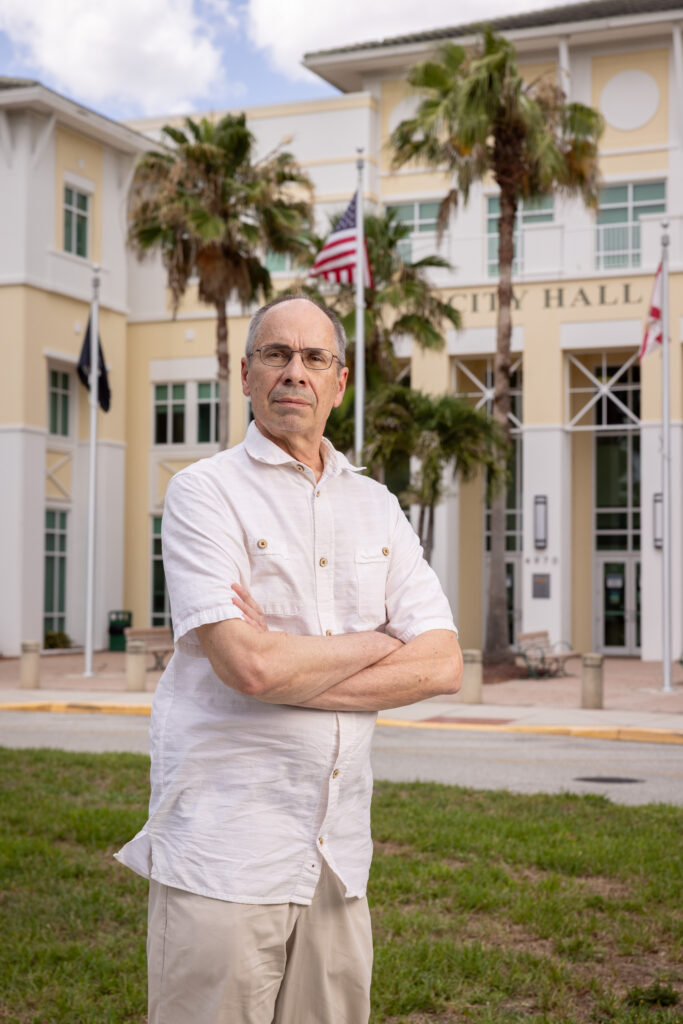
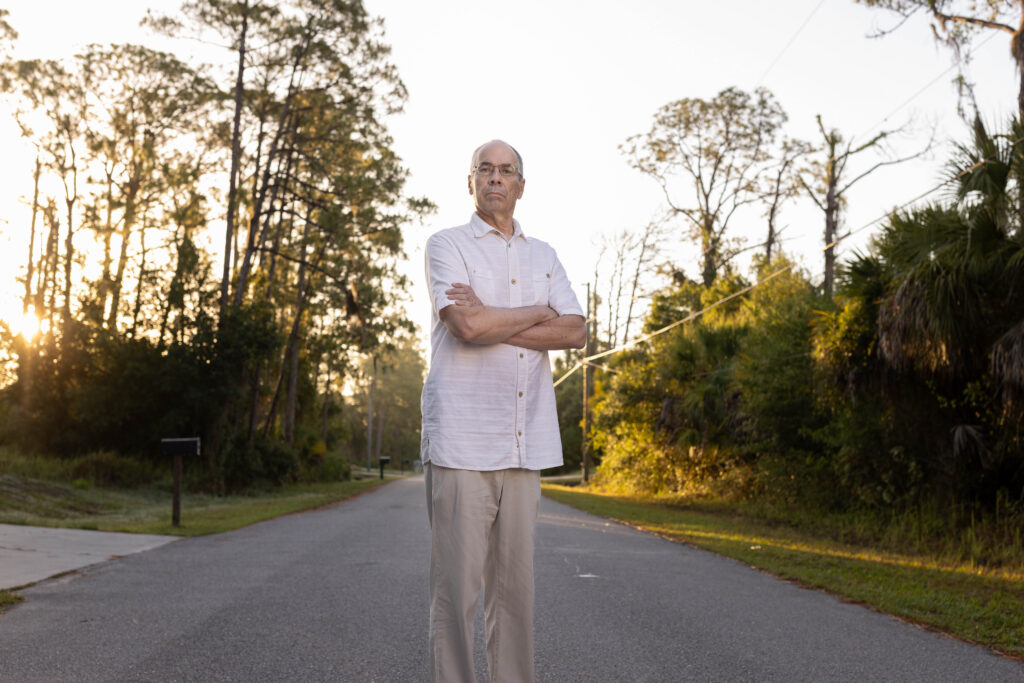
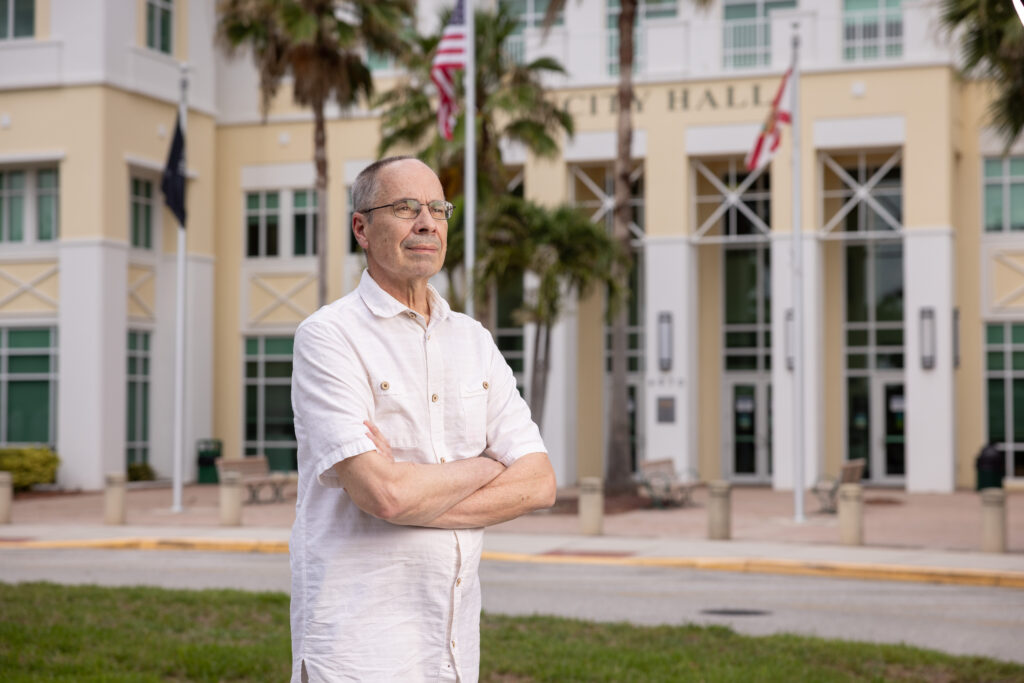
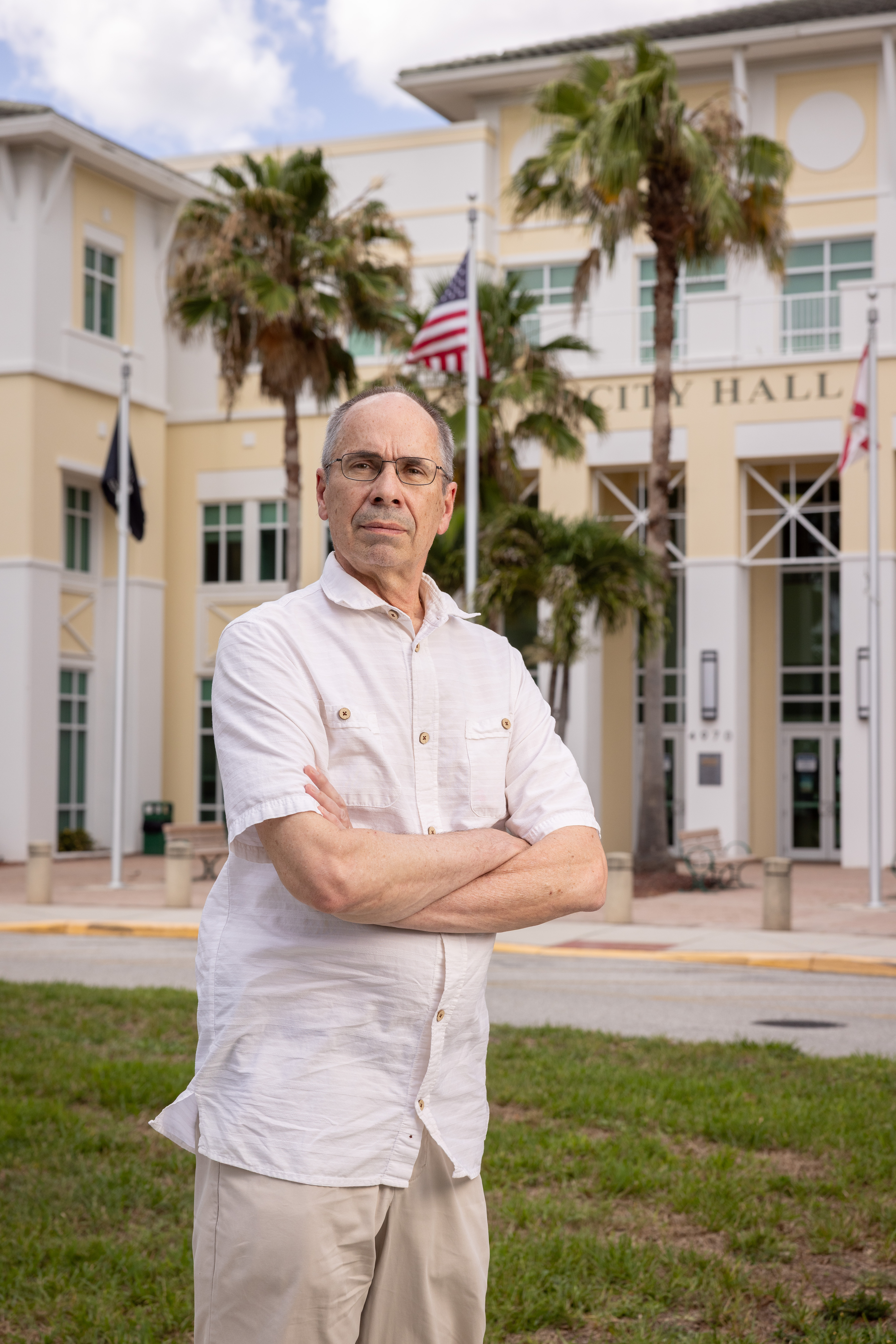
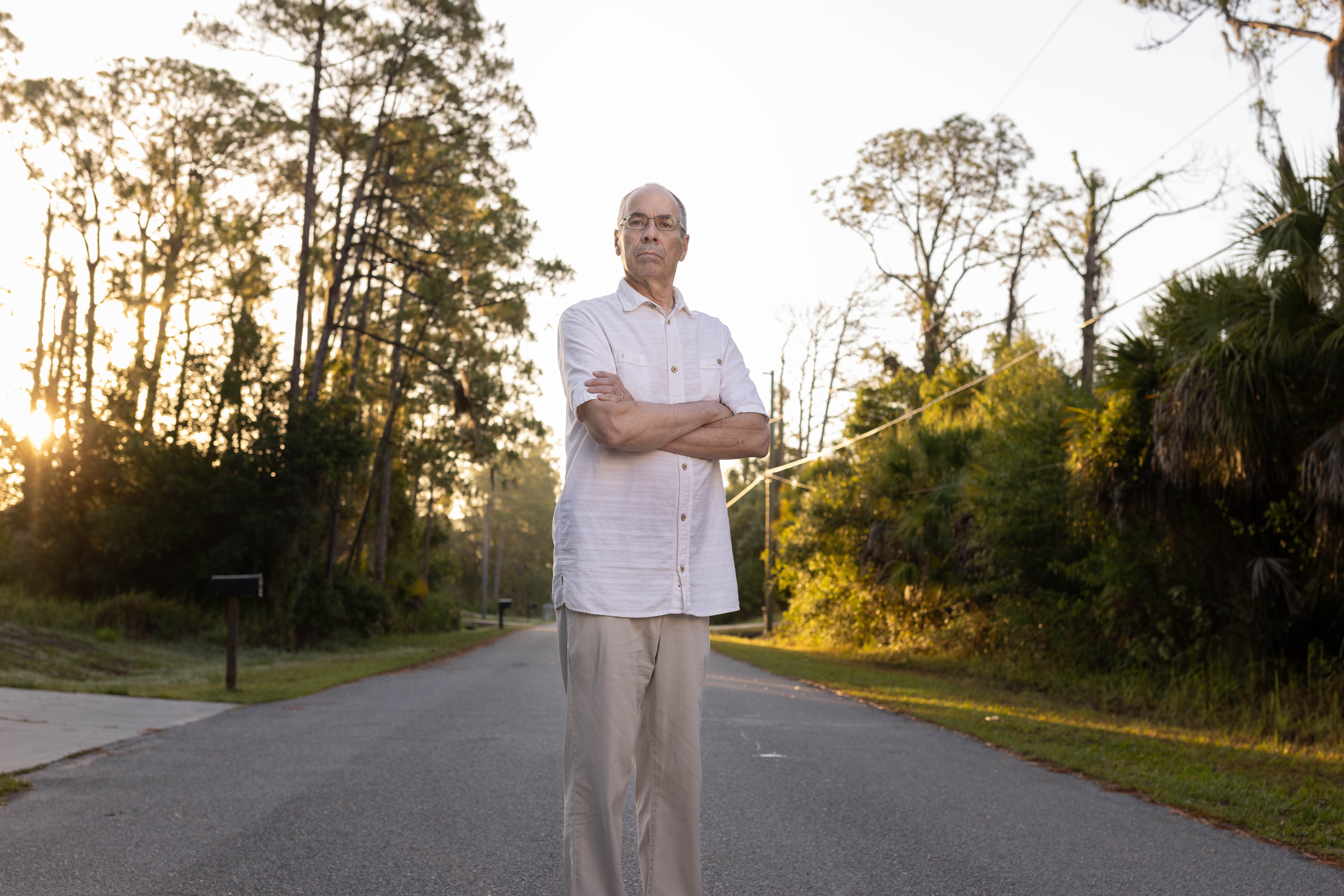
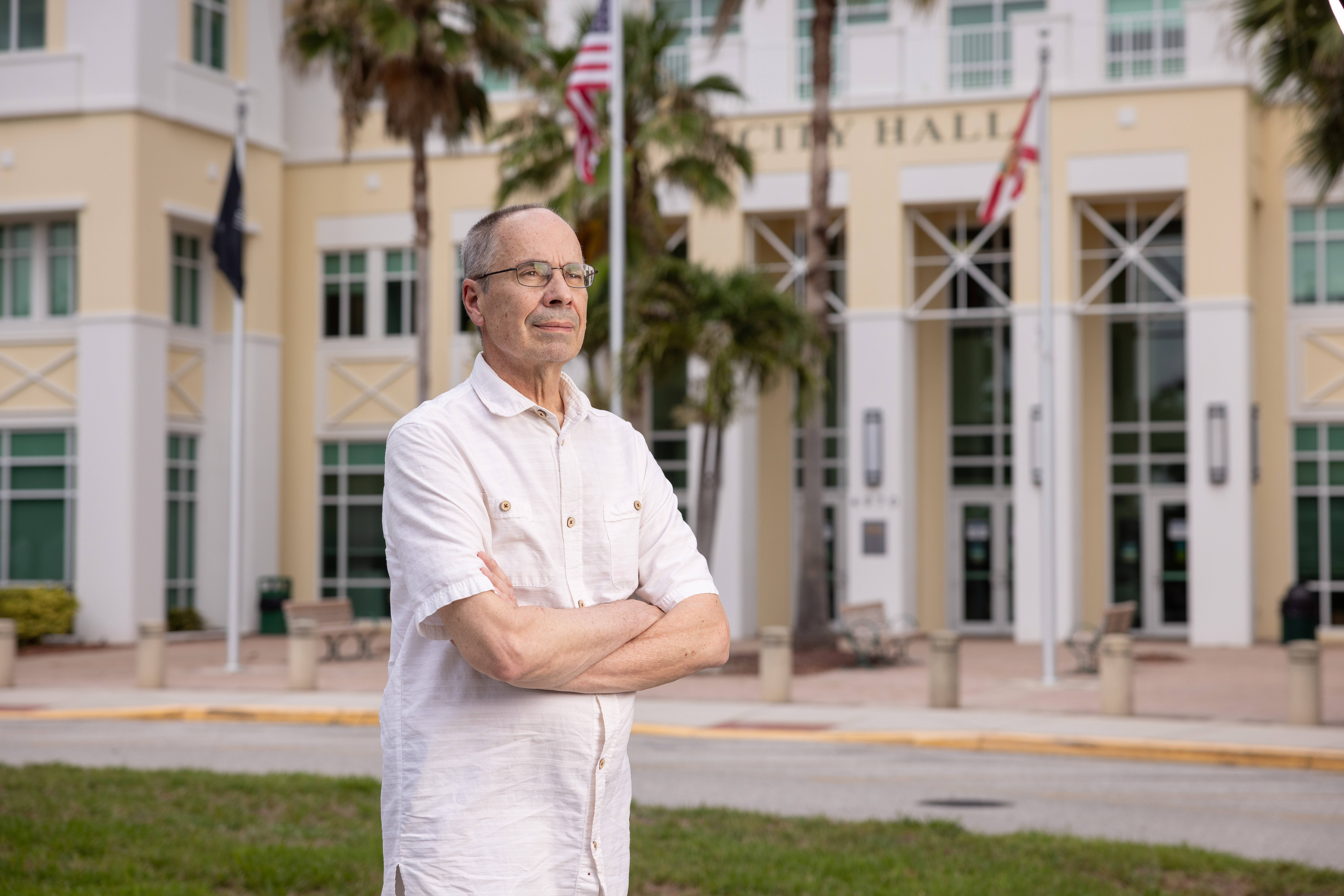
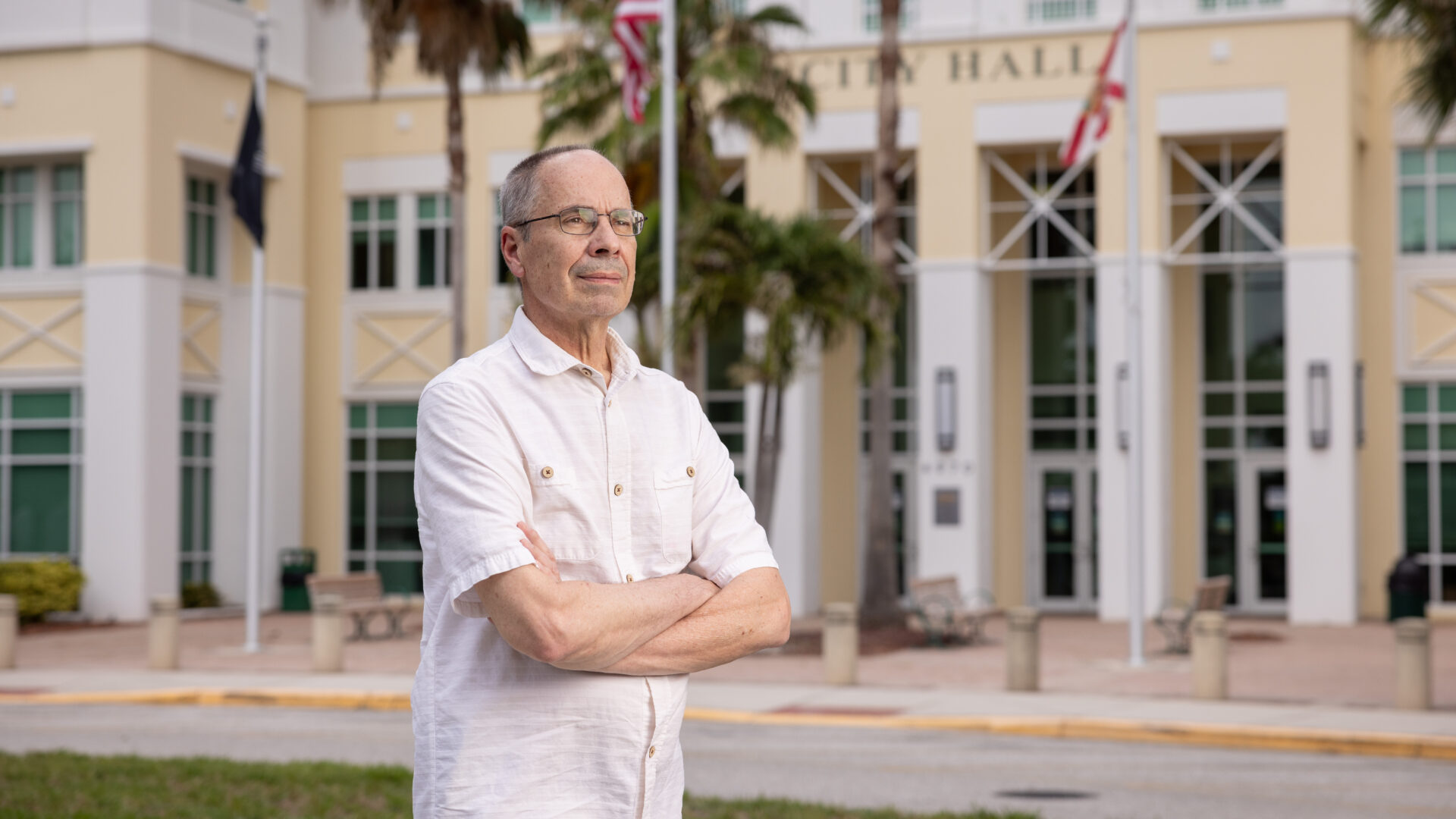
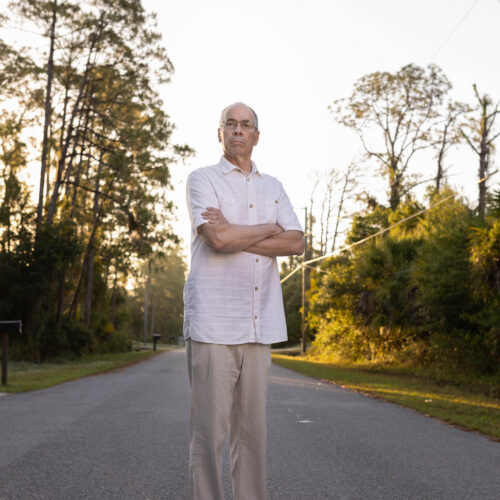
Art Yatsko has been working towards a dream for the last 20 years. But as Art was ready to begin construction, he was told he could no longer build a modest single-family home in his neighborhood—it had been rezoned, along with every other open lot of land in his neighborhood.
- Case Name
- Arthur Yatsko v. City of North Port, Florida.
- Issue Areas
- Status
- Active Cases
- Location
- North Port, Florida
- Date Filed
- June 9, 2026
The Case
Art Yatsko is like a lot of Americans in their 60s. After decades of hard work and saving, he wants to slow down—to retire somewhere quiet, peaceful, and warm.
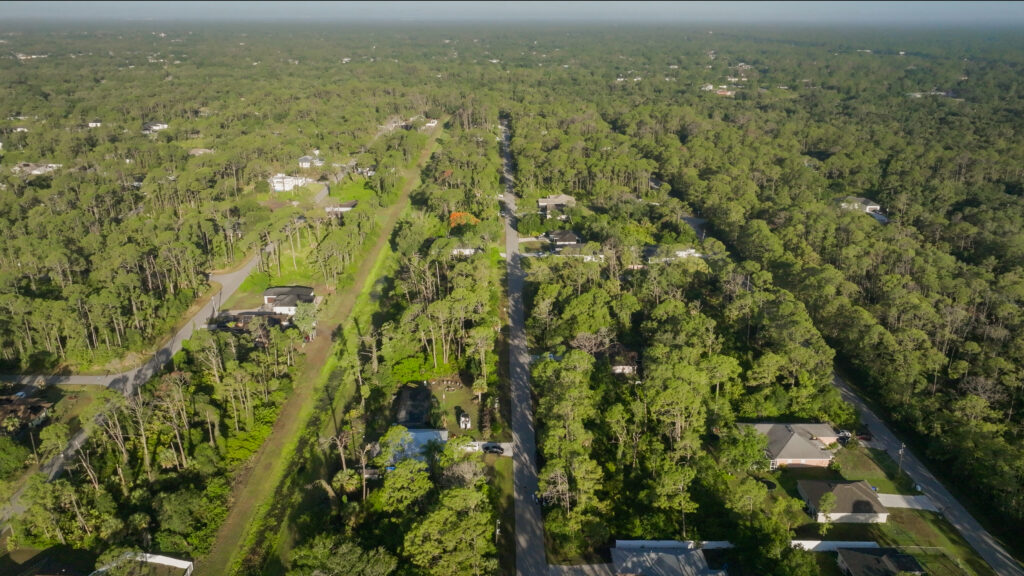
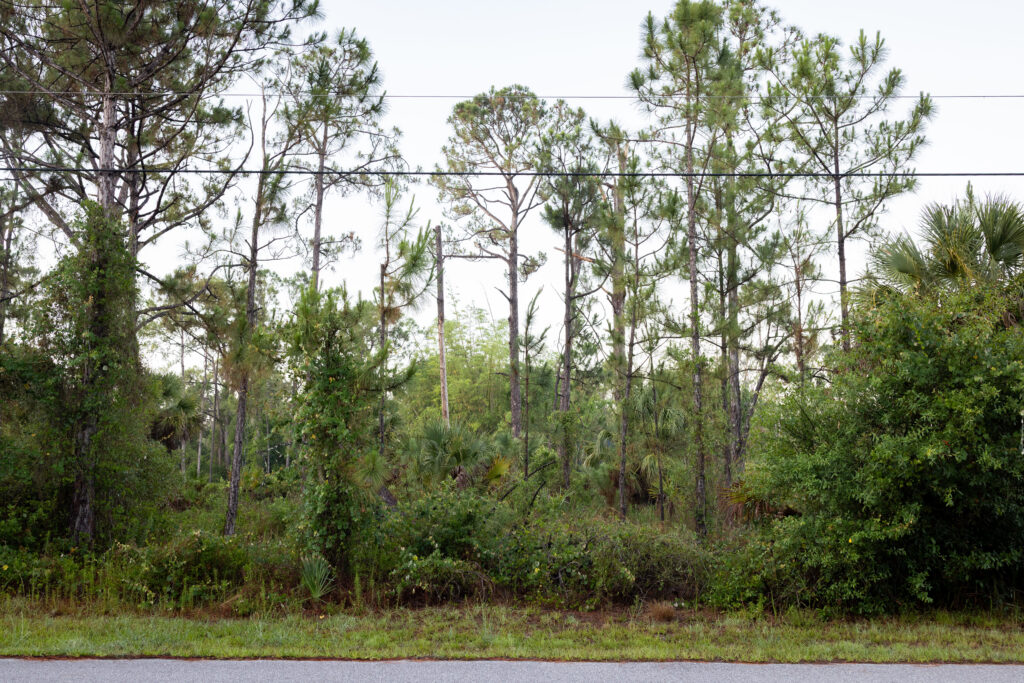
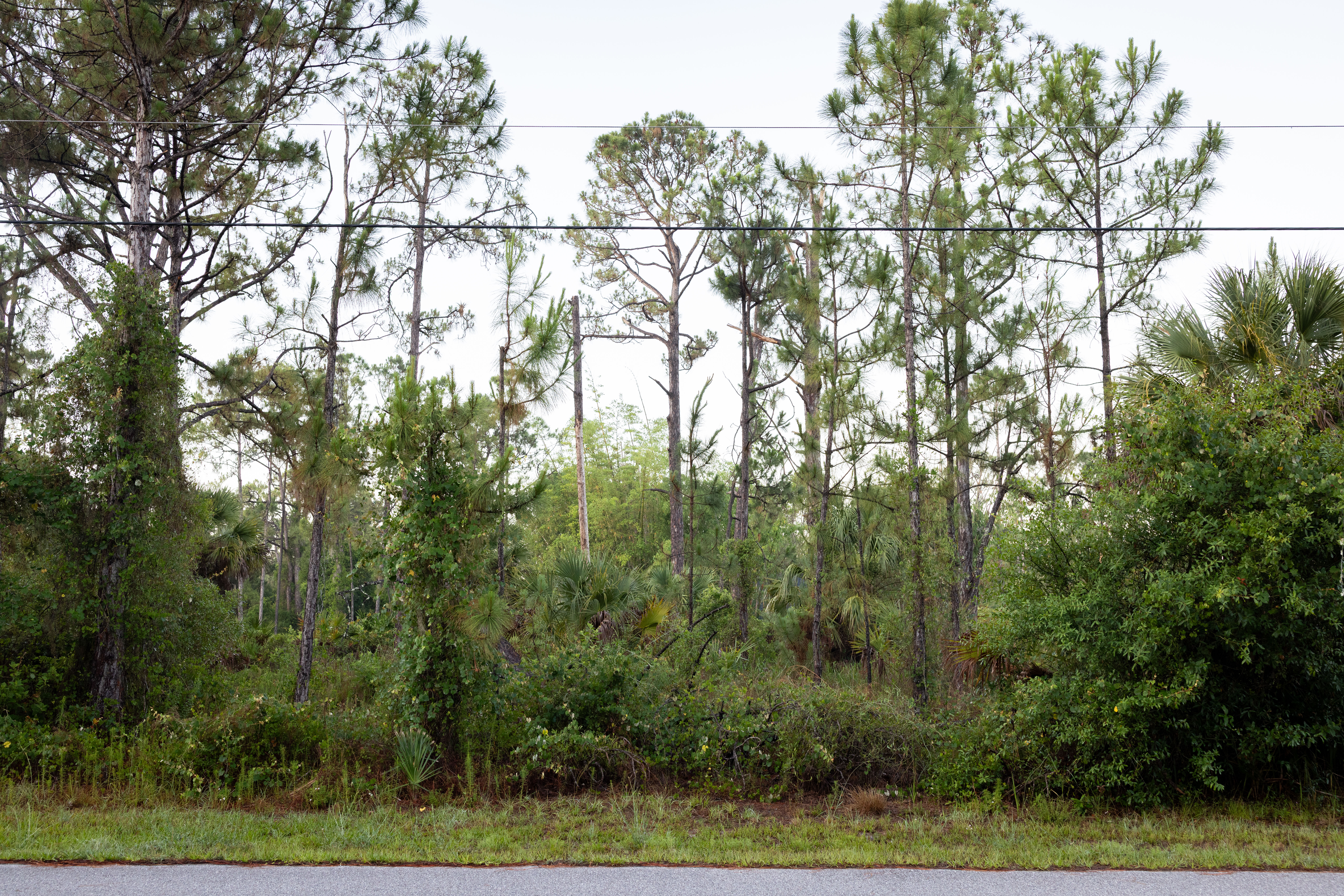
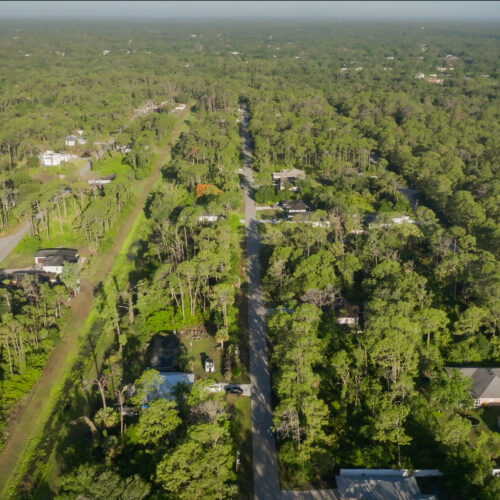
He thought North Port, Florida, was going to be that place. In fact, he’d planned on it for decades. In 2006, he purchased a vacant residential lot in North Port, a quiet town near Florida’s west coast, roughly between Tampa and Naples. He paid taxes on it every year and routinely made trips to check on it. But now his dream to build his house is in peril.
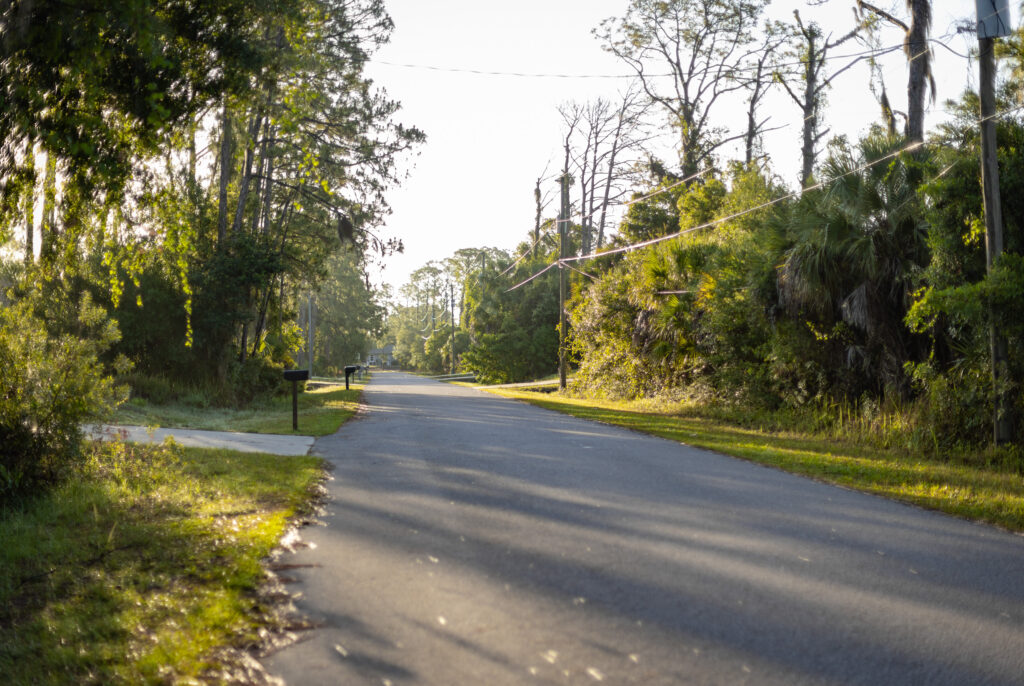
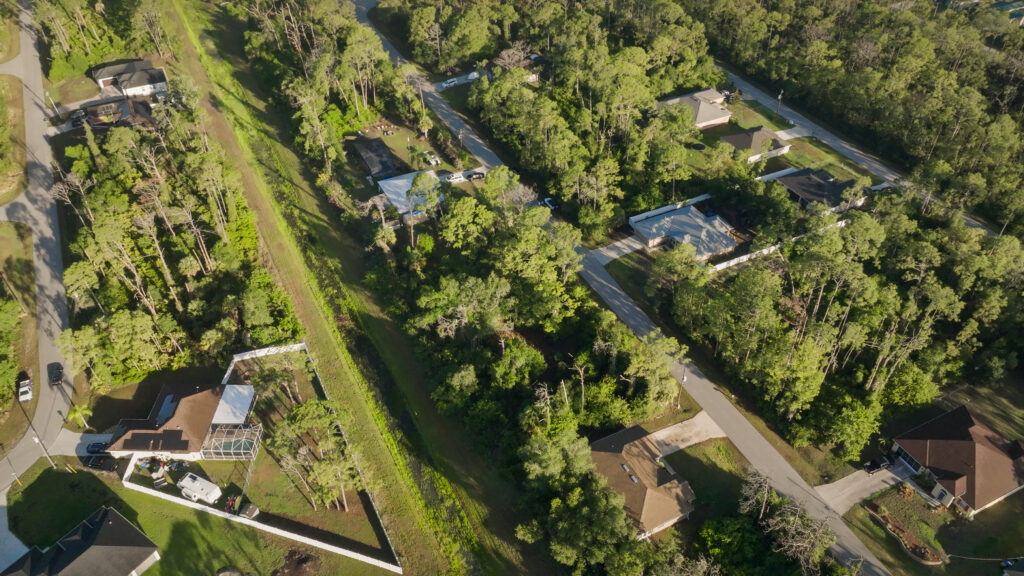
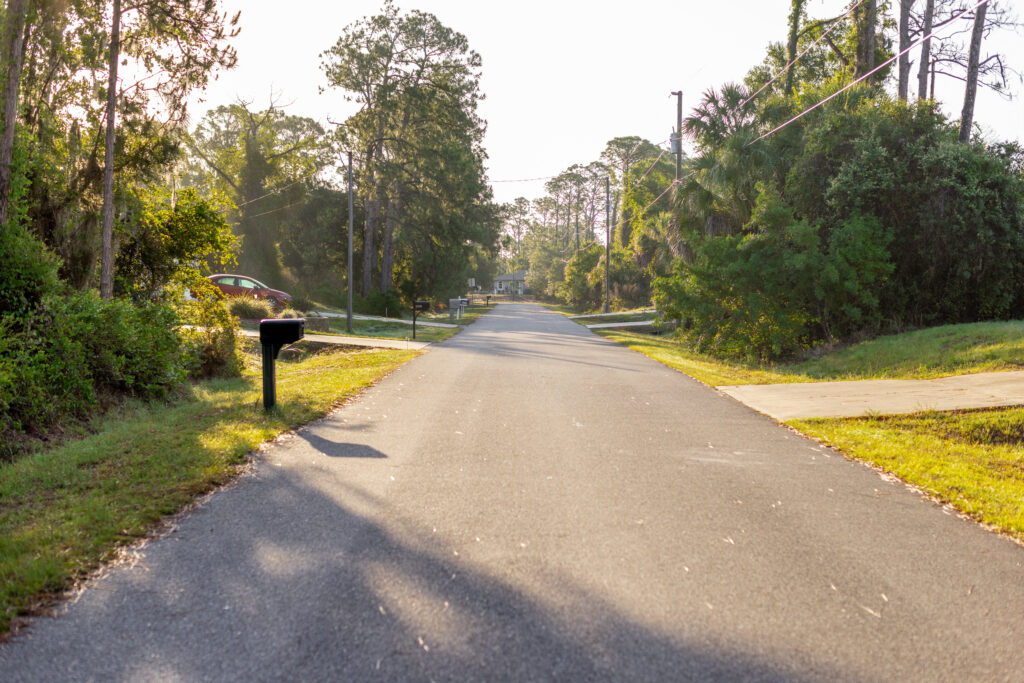
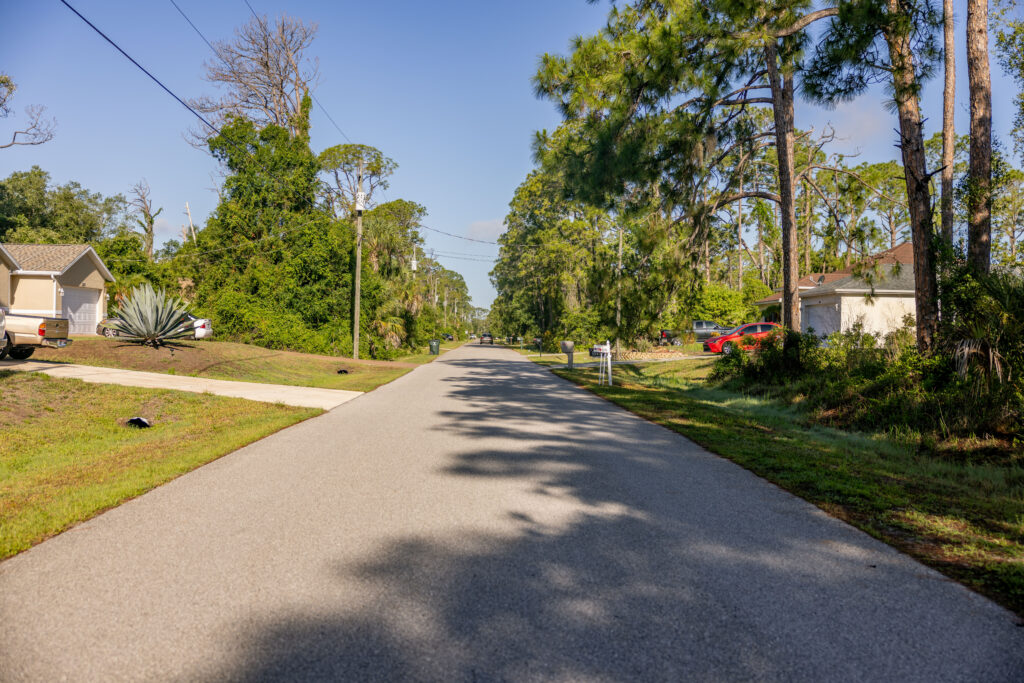
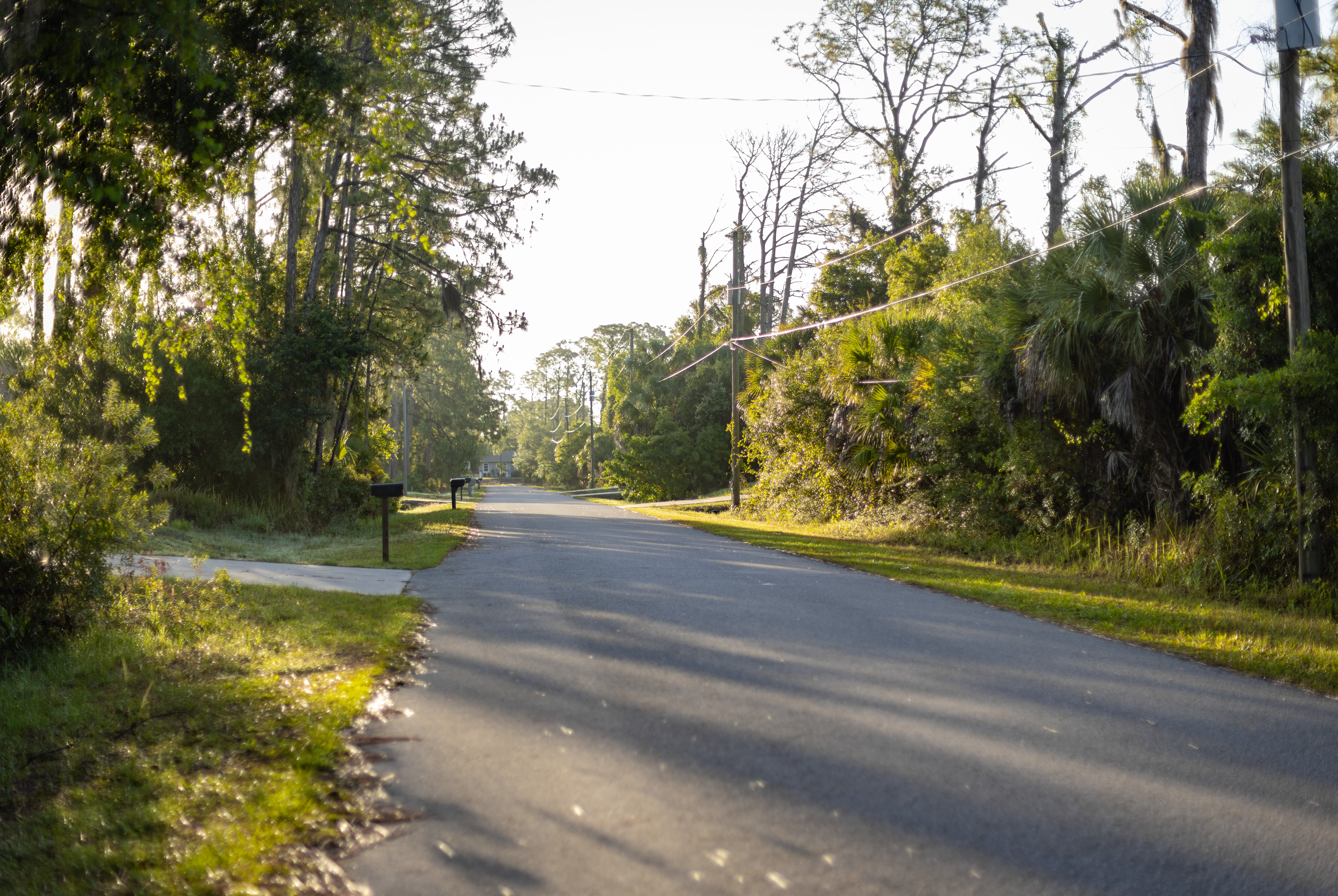
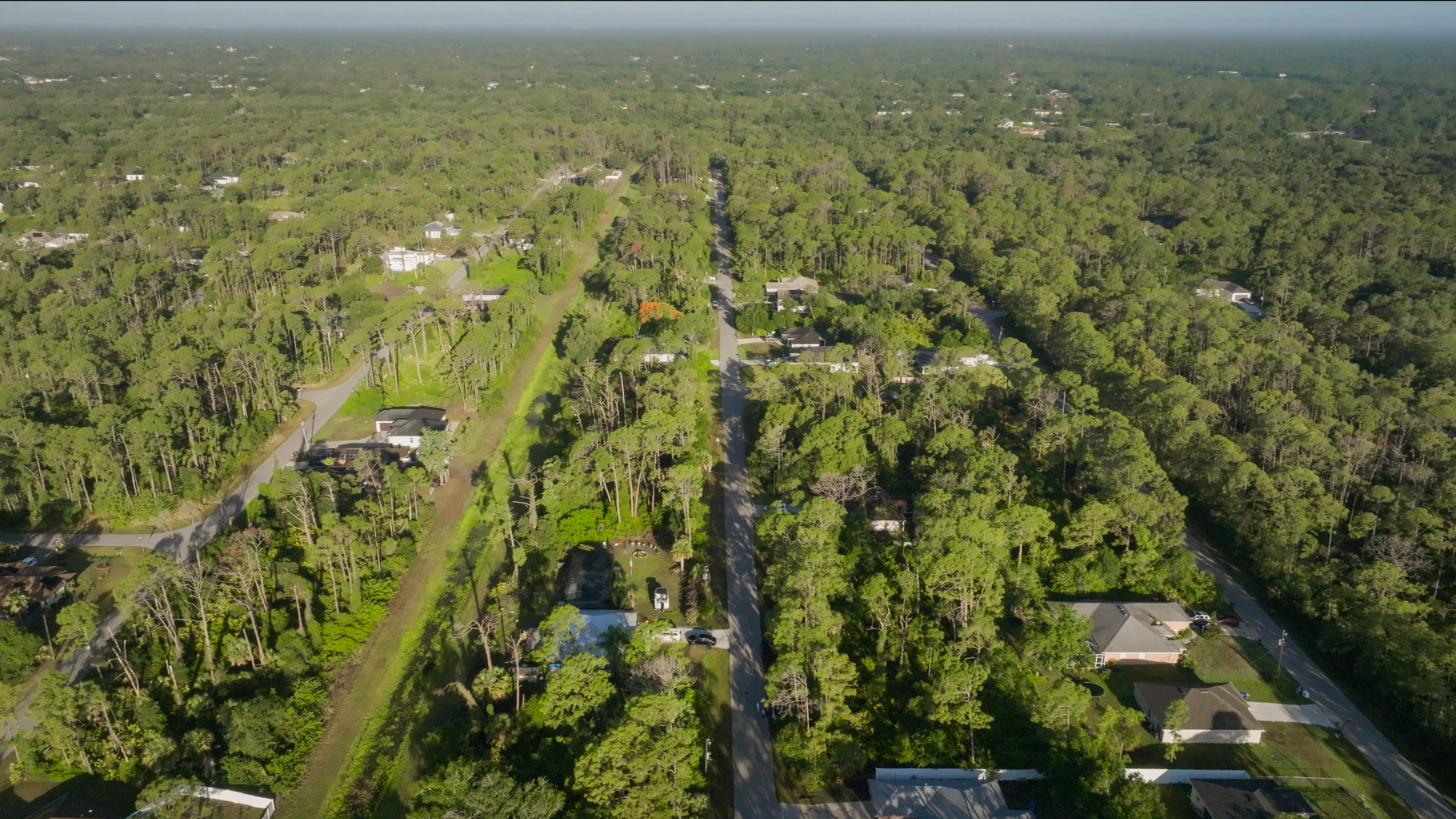
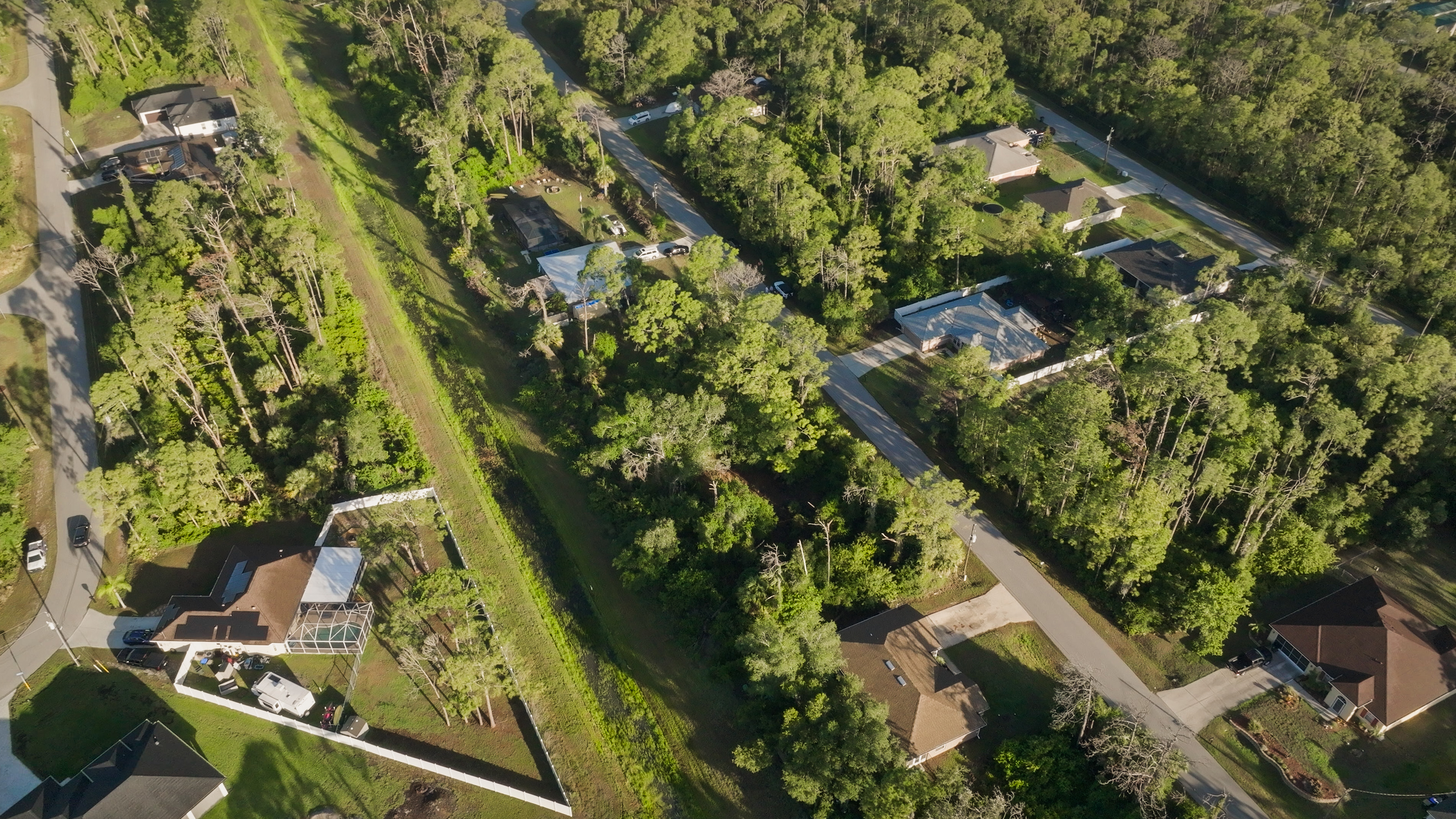
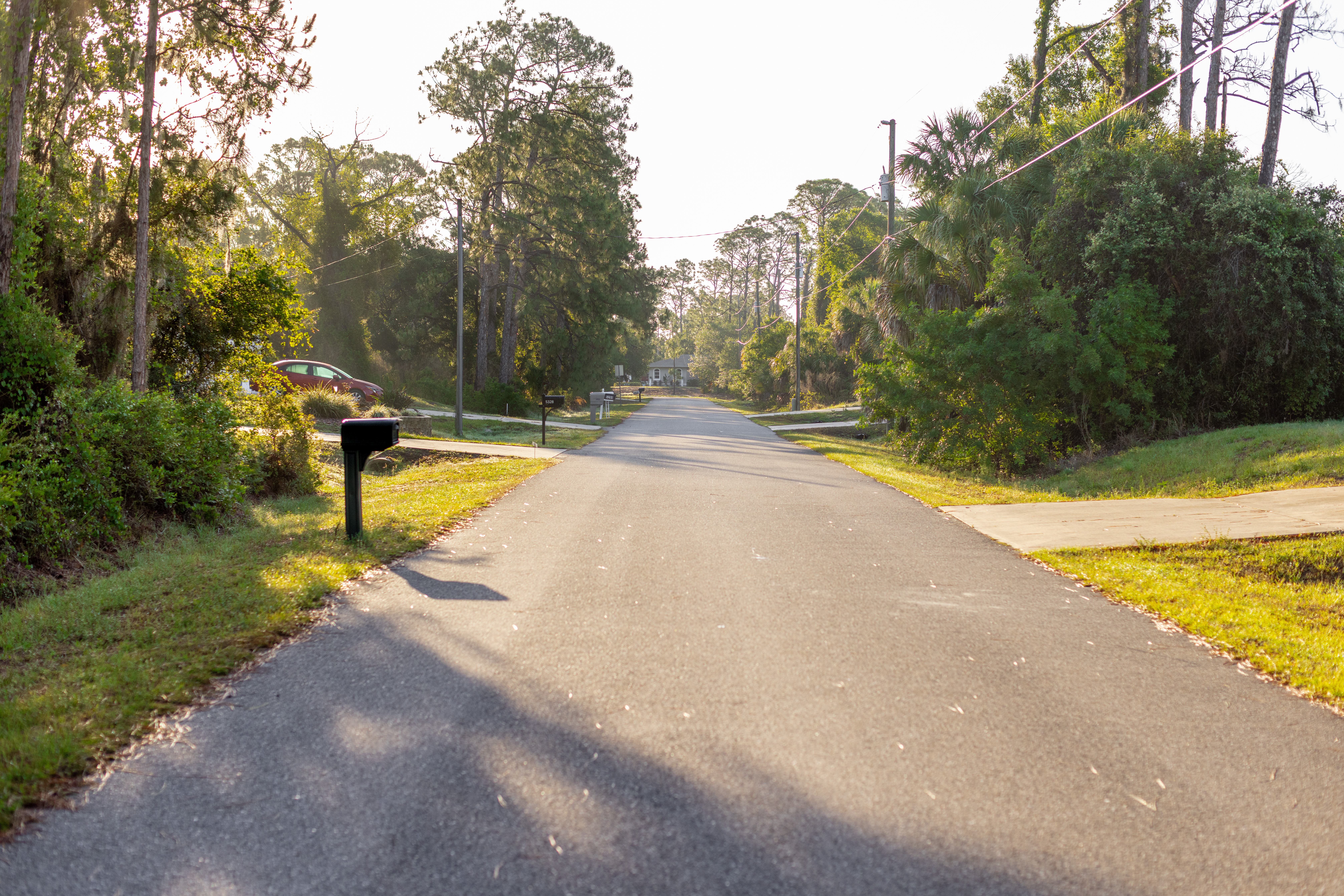
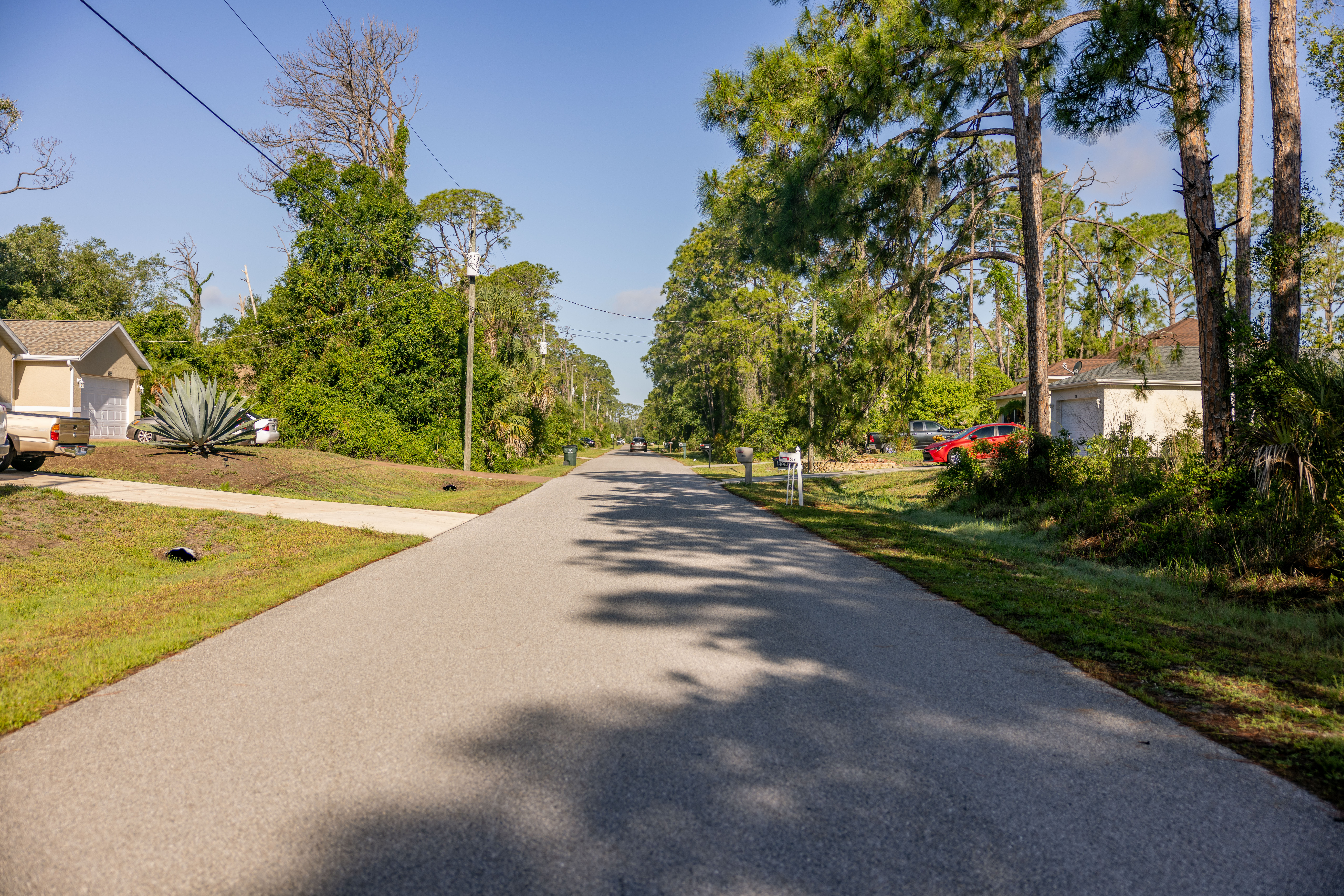
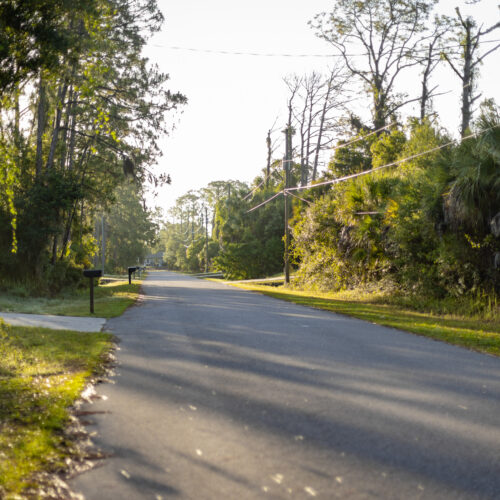
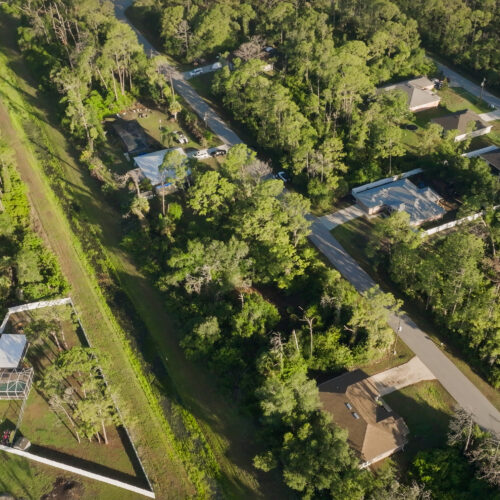
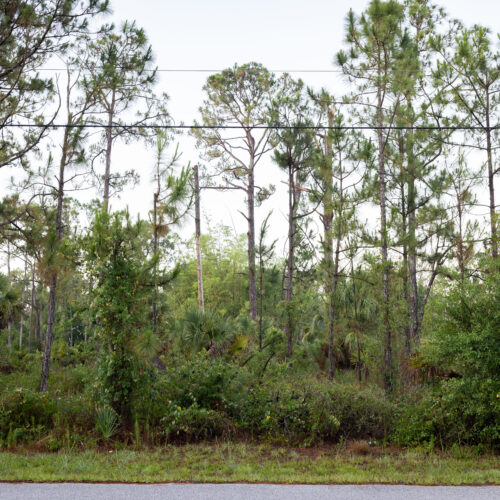
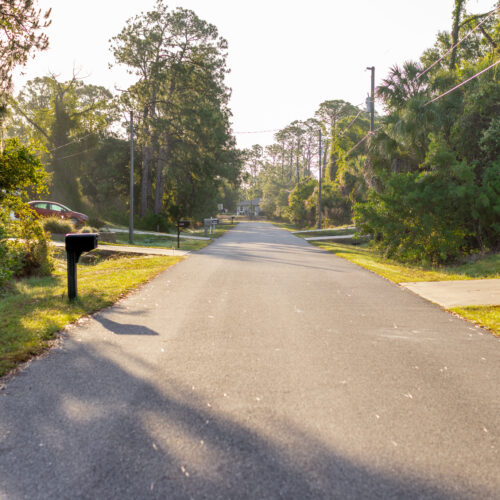
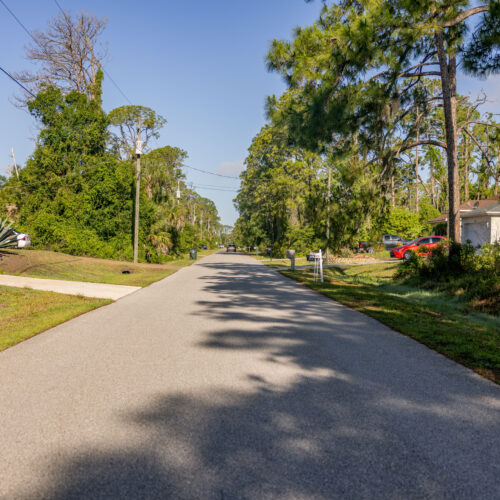
Just as Art was ready to begin construction, he learned his lot had been recently rezoned and he could no longer build the single-family home he’d dreamt of. He was devastated but also confused. The only other buildings on the street were single-family homes. His property was next door to a single-family home. As far as he could tell, the only thing people had ever planned to build in the neighborhood were single-family homes.
Art talked to officials from the city but to no avail. The city was adamant; Art was not allowed to build his single-family home despite living in a neighborhood that consisted only of other similar houses.
Now, Art is fighting back. With help from the Institute for Justice, he’s filed a lawsuit to stand up for the right to use his property in a manner fully consistent with its surrounding uses. It shouldn’t be illegal to build a single-family home in a single-family neighborhood.
Case Team
Client
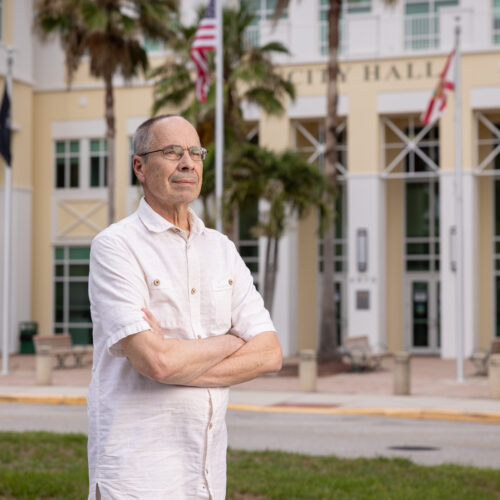
Art Yatsko
Client
Attorneys

Ari Bargil
Senior Attorney

Katrin Marquez
Attorney and Elfie Gallun Fellow in Freedom and the Constitution
Staff

Phillip Suderman
Communications Project Manager

Rebekah Ramirez
Senior Paralegal
Media Resources
Get in touch with the media contact for image resources, press releases, and interview requests.
Media Images
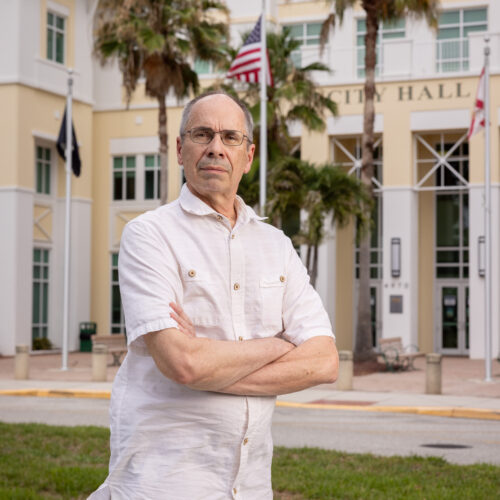
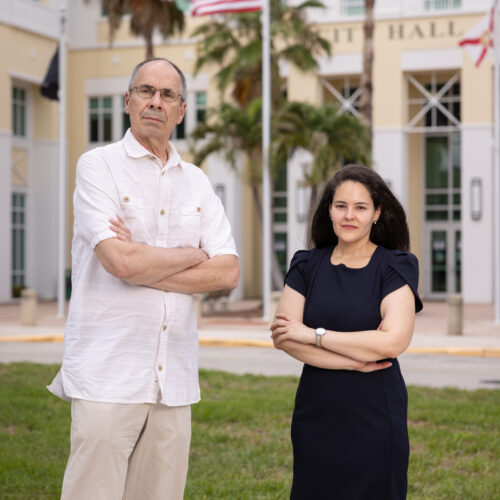

Case Documents
Case Summary
Art Yatsko’s Retirement Dream
Art has spent a lifetime in the real estate business in and around Rhode Island. He’s worked as a realtor, helping people buy and sell homes. In 2006, Art noticed an advertisement for residential lots at auction in Florida. Like so many in New England, Art envisioned a simple, but pleasant and temperate Sunbelt retirement—a house, a pool, and a small boat. After studying the area and working with a realtor, he decided to buy a lot.
The lot, on Kumquat Avenue, appealed to Art for several reasons. It was situated in a quiet, residential neighborhood. He liked its southern exposure, which ensured that the rear yard (with future pool, of course) would stay sunny almost year-round. And he’d verified that the zoning and building codes could accommodate the house he envisioned—one he’d been designing in his head for years. It’s a modest dream after decades of hard work: A traditional two- or three-bedroom house, oriented around an outdoor swimming pool, with a garage for a car and enough outdoor space to park a small boat. The only thing that’s changed is that Art has since married, so his vision has evolved to make sure the house can be a place that he can now enjoy with his stepchildren and grandchildren.
Art has been the property’s sole owner since he bought it at auction in 2006, dutifully caring for it and paying taxes on it, through the economic downturn of 2009 and until today. Someday, he knew, he’d have a sunny and peaceful place to retire and to escape Rhode Island’s harsh winters. He already set aside the money to cover the cost of construction. And if the costs were to exceed what he’s earmarked, he is willing to borrow on a property in Rhode Island to make up the difference.
In 2024, finally ready to retire, Art knew it was time to break ground. He traveled down to Florida to set things in motion for construction. He met with two builders at the lot to discuss his plans and get quotes for the construction. But while he was meeting with the builders, a neighbor approached Art to share some bad news—North Port had changed the zoning to prohibit single-family homes. After decades of planning, Art’s dream retirement house was suddenly illegal.
North Port’s Prohibition on Art’s Single-family Home
Unbeknownst to Art, North Port’s zoning had been in a state of flux. And his single-family lot was ultimately a casualty, with North Port deciding that Art’s lot, situated in a typical single-family neighborhood, was no longer zoned to allow single-family houses.
Why the change? Frustrated with what it viewed as a weak and nondiverse tax base, North Port officials decided that they should raise additional revenue by increasing the number of commercial and business uses in town. This, they thought, might help North Port raise its tax base from roughly 8% commercial to at least 18% commercial—a benchmark cited as a necessary threshold for a balanced tax base.[i] To accomplish this, the city identified several “Activity Centers,” one of which is near Art’s property, where commercial uses would now be strongly encouraged in the hopes of spurring additional development.
The idea appeals cities wanting to raise their tax base: After all, if a local government wants to increase tax revenue by increasing commercial activity, it can rezone to make commercial activity more possible. Except North Port didn’t do that. Rather than re-zone to make sure that commercial uses were allowed in more places, North Port went one step further, mandating that certain zones must accommodate commercial development while affirmatively prohibiting extant uses like single-family homes.
That rezoning governs Art’s property. And it means that Art’s vacant lot, in a suburban neighborhood consisting only of other traditional single-family houses, is forbidden from being used in a manner most consistent with the uses around it. In fact, the only residential uses that are allowed are larger multi-family projects with a special permit. But Art does not have the time or money to build any of those things. More importantly, he doesn’t want that.
Not Even North Port Officials Think This Will Work
North Port’s plans are wildly nonsensical as well as unconstitutional. The city’s own study, and even some of its elected officials, acknowledged that Art’s suburban neighborhood is unlikely to transform itself into a commercial hub.[ii] It doesn’t have the infrastructure, capacity, or vacant space to accommodate the type of development that North Port is demanding. Nor does it have the ownership base. Owners like Art purchased their lots with the hopes of building houses to live in; they are not commercial real-estate developers.
The result is that the one thing Art’s neighborhood is best suited for—a typical house—is one of the few things that’s categorically illegal. Meanwhile, North Port’s zoning would allow a nightclub, a shooting range, or a host of other more intense uses instead. Perhaps not surprisingly, since the 2024 rezoning, North Port’s desired commercial development has shown no signs of materializing. And it likely never will.
North Port Doesn’t Allow Art to Ask for Special Permission
To make matters worse, there’s no process in North Port that Art can avail himself of. North Port’s codes allow property owners to seek variances, but those variances are only available in a very narrow set of circumstances that don’t apply to Art. North Port explicitly prohibits variances for “use, density, or” intensity. Instead, variances are limited to where a property demonstrates “unique conditions” that justify an exception only to “height, setbacks, parking, and other site requirements.” No other exceptions are permitted. So Art cannot get a variance and it would be futile to even try. North Port would have to violate its own codes to give Art a zoning variance that would allow him to build his house.
Art was told the same thing. Indeed, when he learned about the zoning change, Art went directly to North Port City Hall, where officials told him he was out of luck. When asked, North Port Planning and Zoning confirmed Art’s understanding: “That is correct,” Art was told by a city official “[S]ingle family residences are not permitted in COR.”
North Port’s Zoning Is Unconstitutional
Art is challenging North Port’s zoning under a nearly century-old precedent, Nectow v. Cambridge, in which the Supreme Court invalidated a local zoning code that forbade a property owner from building a structure that was fully consistent with its surrounding uses. In Nectow, the Court reminded local governments that although they may have the power to zone, a given prohibition is unconstitutional if it does not “bear a substantial relation” to the public health, safety, morals, or general welfare.
In this light, North Port’s zoning code violates Art’s right to due process under the Fourteenth Amendment to the U.S. Constitution. Just like in Nectow, North Port is restricting a sensible, peaceful use that is consistent with its surroundings. Art wants to build a single-family home in a single-family neighborhood. And North Port has forbidden him from doing so because of its preference for commercial development that will never come to fruition. In this way, North Port’s prohibition on single-family homes lacks a substantial relationship to any government interest because all it does is forbid a normal, compatible use in favor of a wildly aspirational use that makes no sense.
North Port’s zoning code also violates Art’s right to equal protection under the U.S. Constitution. It is irrational to draw a distinction between Art’s desired house, which is forbidden, and other similar forms of housing, like duplexes or triplexes, which are allowed. Likewise, it is irrational to prohibit peaceful and traditional uses like single-family houses while allowing much more intense uses like nightclubs or shooting ranges.
A city like North Port can fantasize about a downtown and it can even loosen regulations so that it becomes theoretically possible; but it can’t stomp on a property owner’s dream—a modest home—to make it happen. Zoning is a tool to prevent potential nuisances. It’s not a limitless power that enables the government to impose its whims on property owners, no matter how fantastical they may be.
The Litigation Team
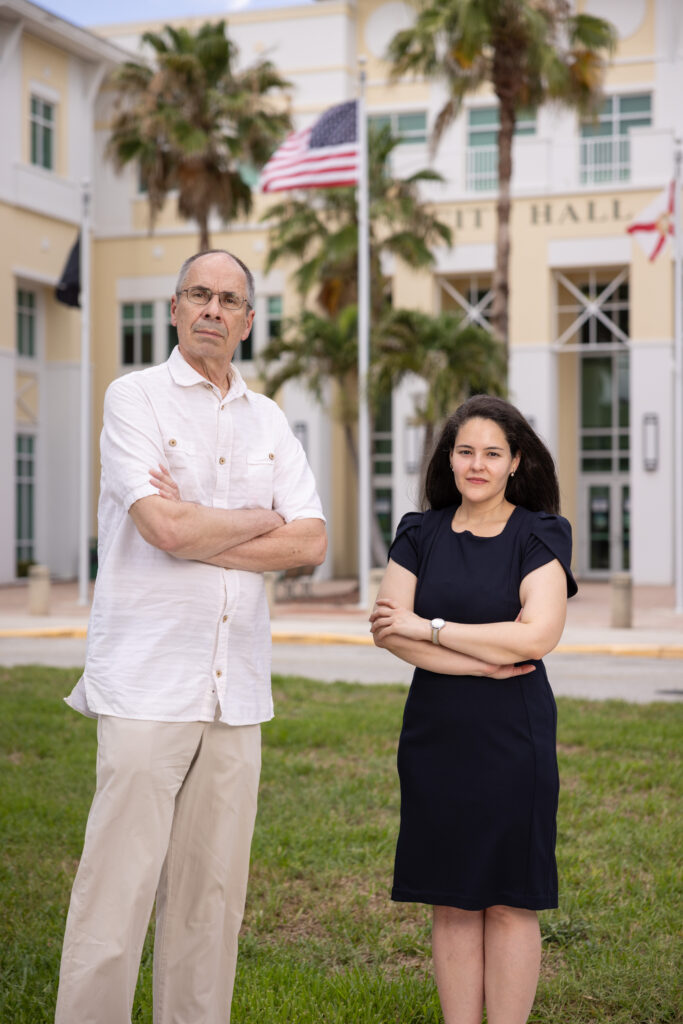
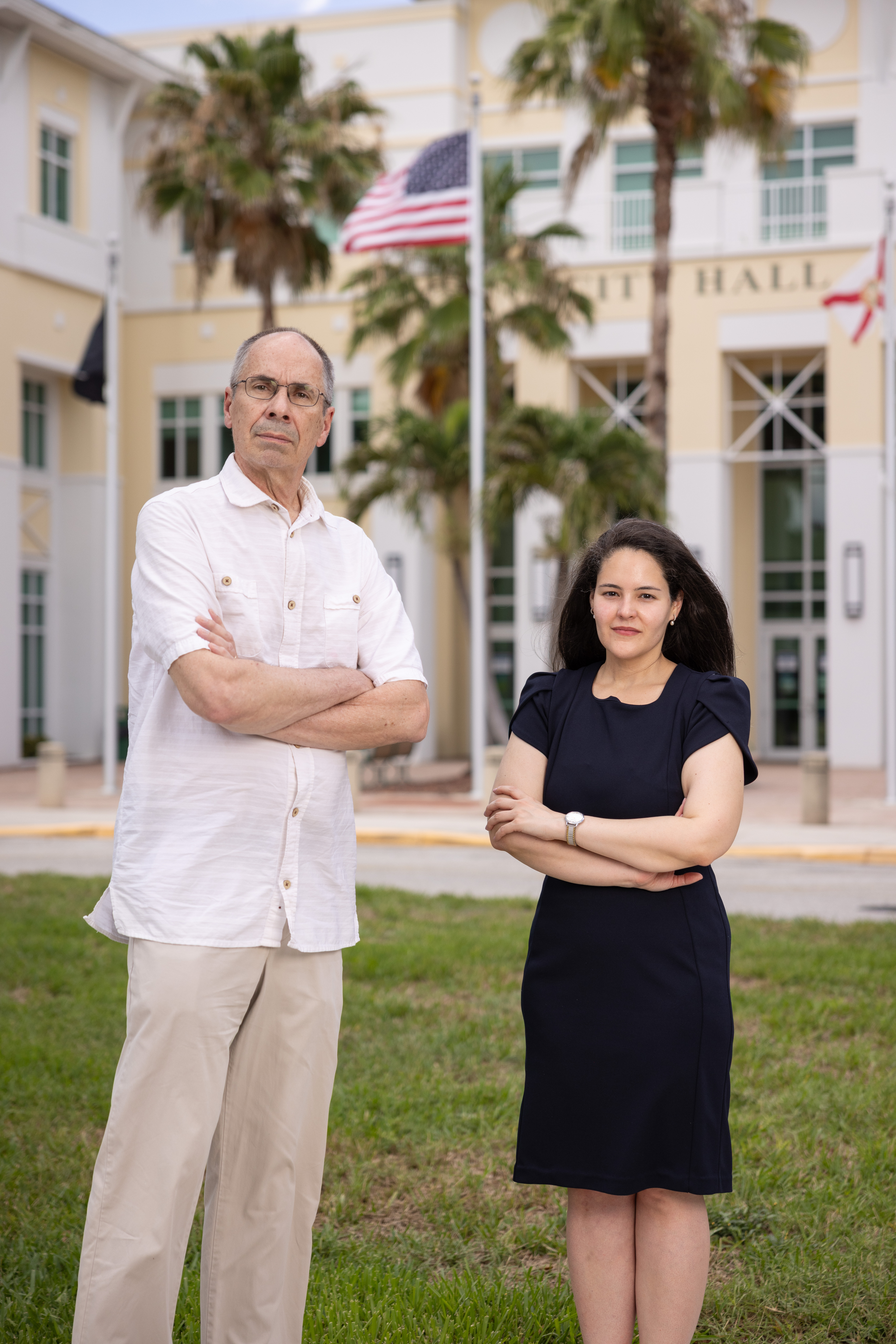
Art is represented by IJ Attorney Katrin Marquez and IJ Senior Attorney Ari Bargil. The paralegal on the case is Rebekah Ramirez.
About the Institute for Justice
The Institute for Justice (“IJ”) is a nonprofit, public-interest law firm that protects property rights across the country. As part of that mission, IJ’s Zoning Justice Project fights against arbitrary and abusive zoning restrictions that impair the right to use private property in productive and safe ways—including to address the housing crisis caused by restrictive zoning. In Georgia, IJ successfully defended a nonprofit that wanted to build small cottages to provide affordable housing. In Idaho, IJ is litigating on behalf of a resident who wants to live in a tiny home amid explosive growth in local housing prices. And in Minnesota, IJ is advocating on behalf of a couple who want to build a backyard cottage to provide an affordable place to live for struggling families.
[i] https://www.northportfl.gov/files/assets/main/v/4/building-amp-planning/faq-sheet-proposed-zoning.pdf
[ii] https://www.northportfl.gov/files/assets/main/v/1/building-amp-planning/planning-amp-zoning/master-plans/gateway-activity-center-3-master-plan.pdf