Closing The Open Fields Loophole In Idaho

In Idaho, more than 14 million acres of land are privately owned. Yet for years, at least 97% of that land—over 13.6 million acres, more than twice the size of New Hampshire—sat open to effectively limitless government searches. No warrant? It did not matter. Government agents of any stripe could freely enter, roam, and search these vast swaths of land that most Idahoans assumed were constitutionally protected. The remaining 3% of private land, or 407,000 acres, enjoyed meaningful constitutional safeguards.
This imbalance is no accident. It is the product of the “open fields” doctrine, a Prohibition-era, judge-made loophole in the Fourth Amendment that allows government agents to treat most private land in the country as if it were public. Under this rule, only the area immediately surrounding a home, called the “curtilage,” receives constitutional protection.
For years, this doctrine has defined the legal landscape for landowners and left them exposed to warrantless government intrusions—oftentimes with little more than official curiosity as justification.
This year, however, one state has redrawn these boundaries. Idaho became the eighth state in the country to close its open fields loophole and the first to do so through legislation.
The new law, which draws on model legislation crafted by IJ, makes clear that private land means just that: private. It requires government agents to obtain consent, get a warrant, or find that an emergency exception applies before entering private land and restores the basic principle that protections do not stop at the edge of Idahoans’ front porches.
This reform reflects years of coordinated work both within and beyond the courtroom. Across the country, IJ has partnered with property owners and allied organizations to challenge the open fields doctrine through litigation while also pressing for legislative reforms. The Gem State’s success shows how these efforts work in tandem to achieve the goal of ridding the country of the open fields doctrine state by state.
Idaho has shown what’s possible. IJ is committed to helping other states follow Idaho’s lead to restore meaningful constitutionally grounded protections to Americans nationwide.
Alasdair Whitney is an attorney on IJ’s legislative team.
Also in this Issue
Liberty & Law
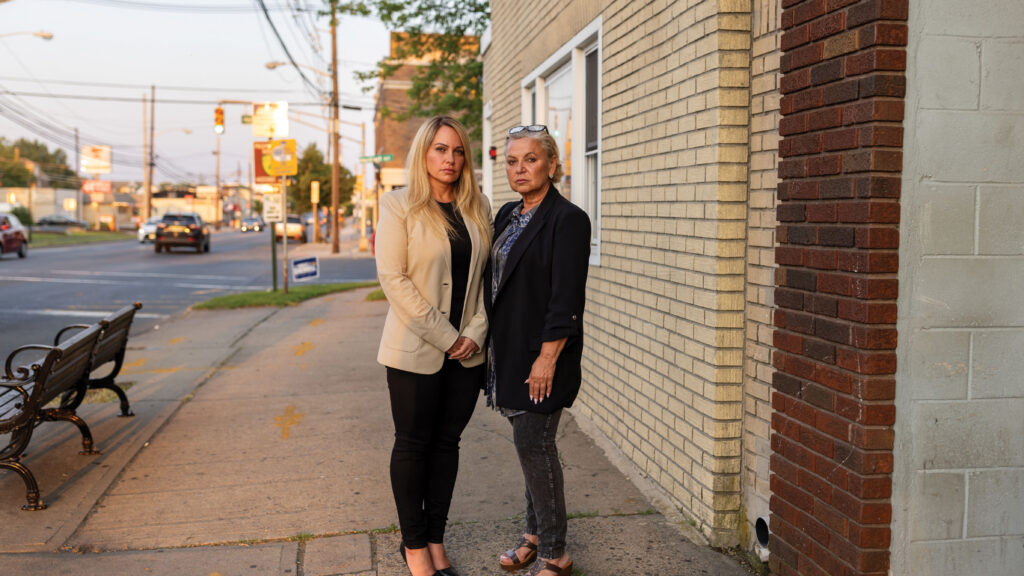
Winning The Fight Against Bogus Blight
Liberty & Law
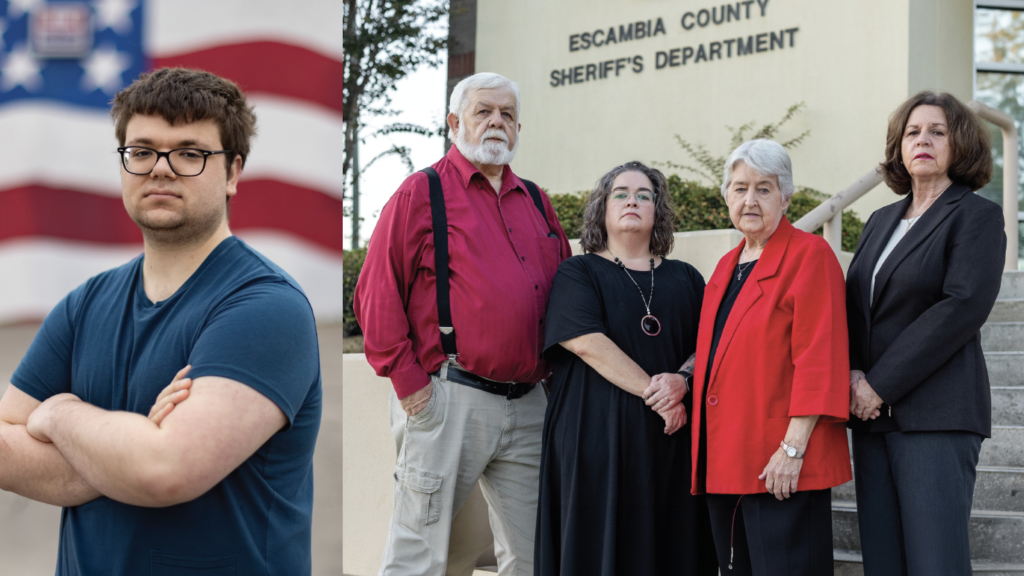
Two Wins For The First Amendment
Liberty & Law
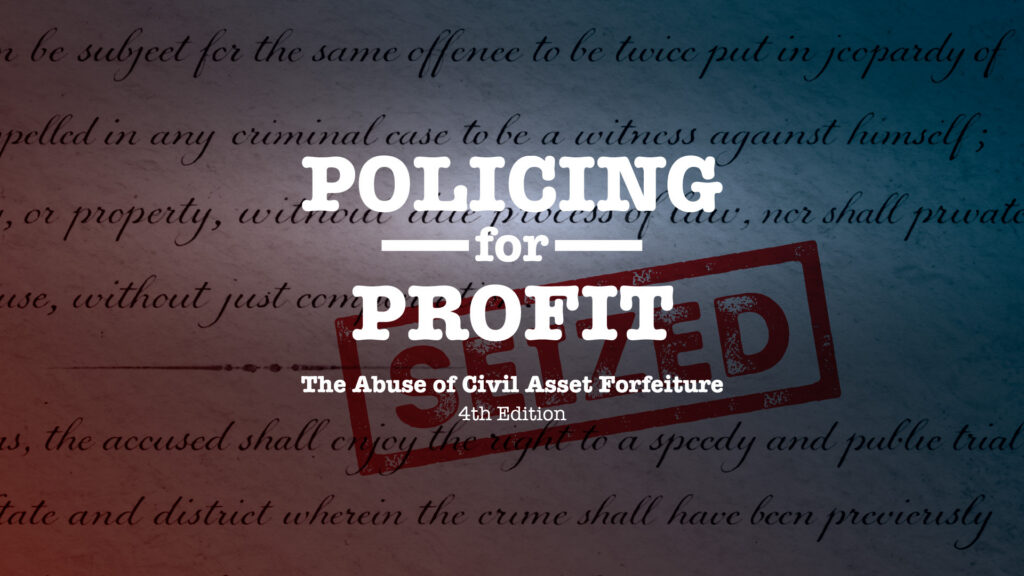
Policing For Profit—And Without Due Process
Liberty & Law
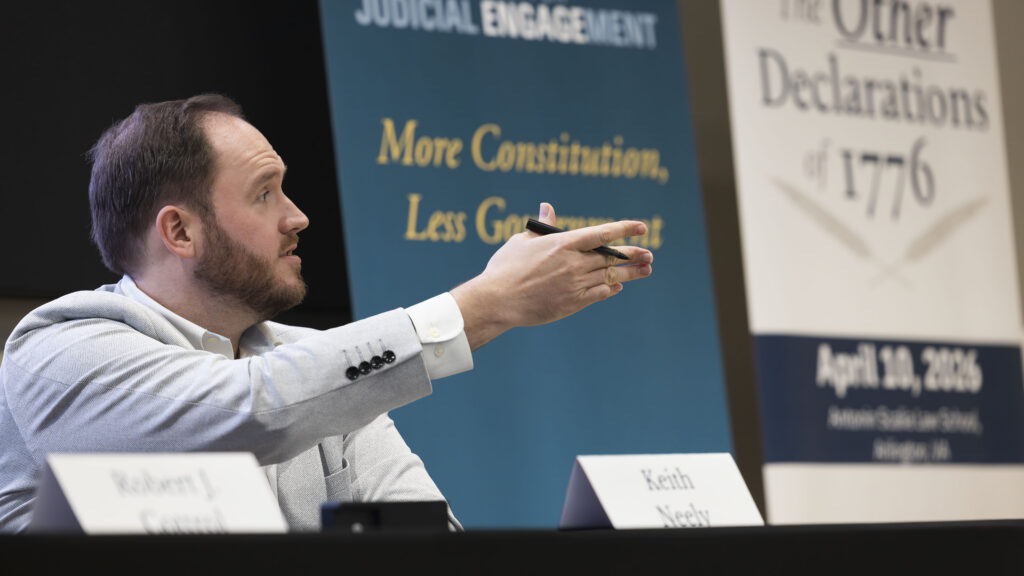
250 Years Of Declaring–And Enforcing–Our Rights

Liberty & Law
Food Trucks Are Perfect Vehicles For Cutting-Edge Challenges
Liberty & Law
Reining In The Regulators

Liberty & Law
Challenging The Plate-Reader Panopticon From Coast To Coast

Liberty & Law
Justice Delivered Federal Court Closes The Book On Pagedale’s Policing-For-Profit Scheme
Liberty & Law
IJ To Put Agency Judges On Trial At The U.S. Supreme Court
Liberty & Law
IJ Updates: Spring 2026

Liberty & Law
IJ Makes Headlines
Subscribe to get Liberty & Law magazine direct to your mailbox!
Sign up to receive IJ's bimonthly magazine, Liberty & Law, along with breaking news updates about the Institute for Justice's fight to protect the rights of all Americans.