Two Wins For The First Amendment
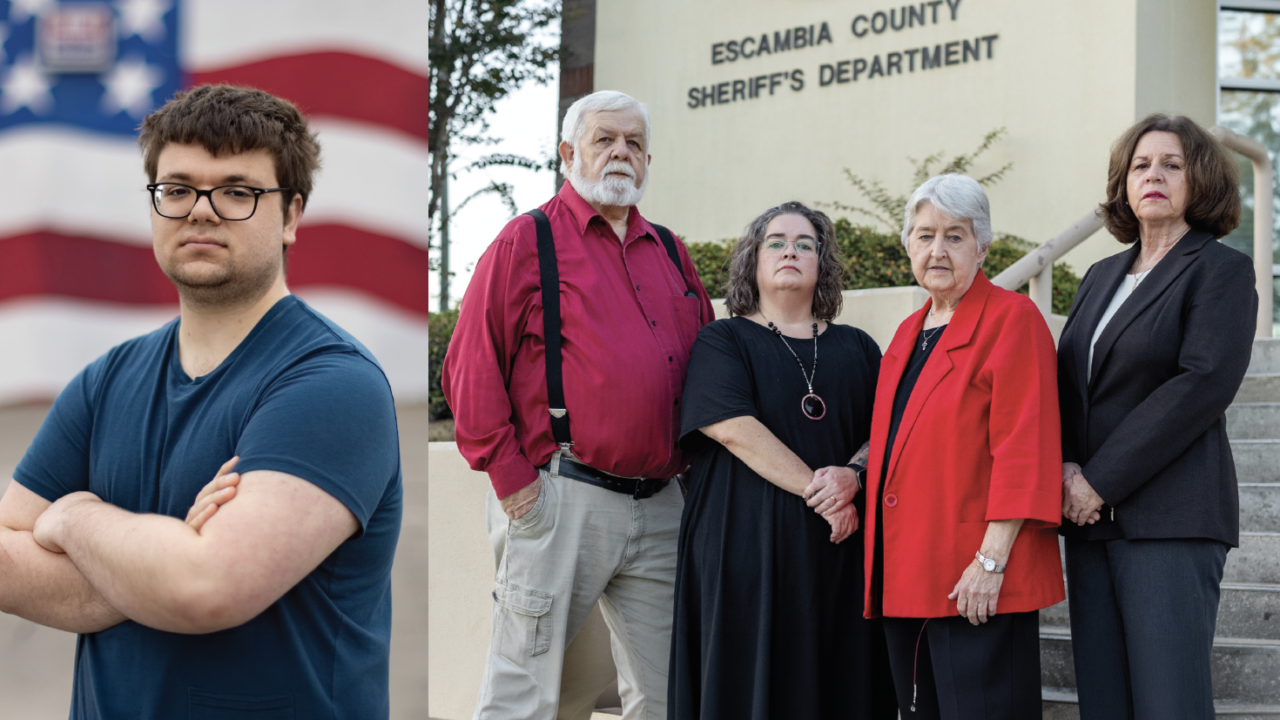
At the core of the First Amendment is the freedom to criticize the government without fear of censorship or retaliation. Citizens have the right to speak their mind without being silenced and the right not to be punished for that speech. So when local officials in Newton, Iowa, and Atmore, Alabama, abused their power to muzzle and arrest their critics, IJ sprang into action to hold them accountable. Now, thanks to two recent federal court victories, these bedrock free speech rights have been vindicated.
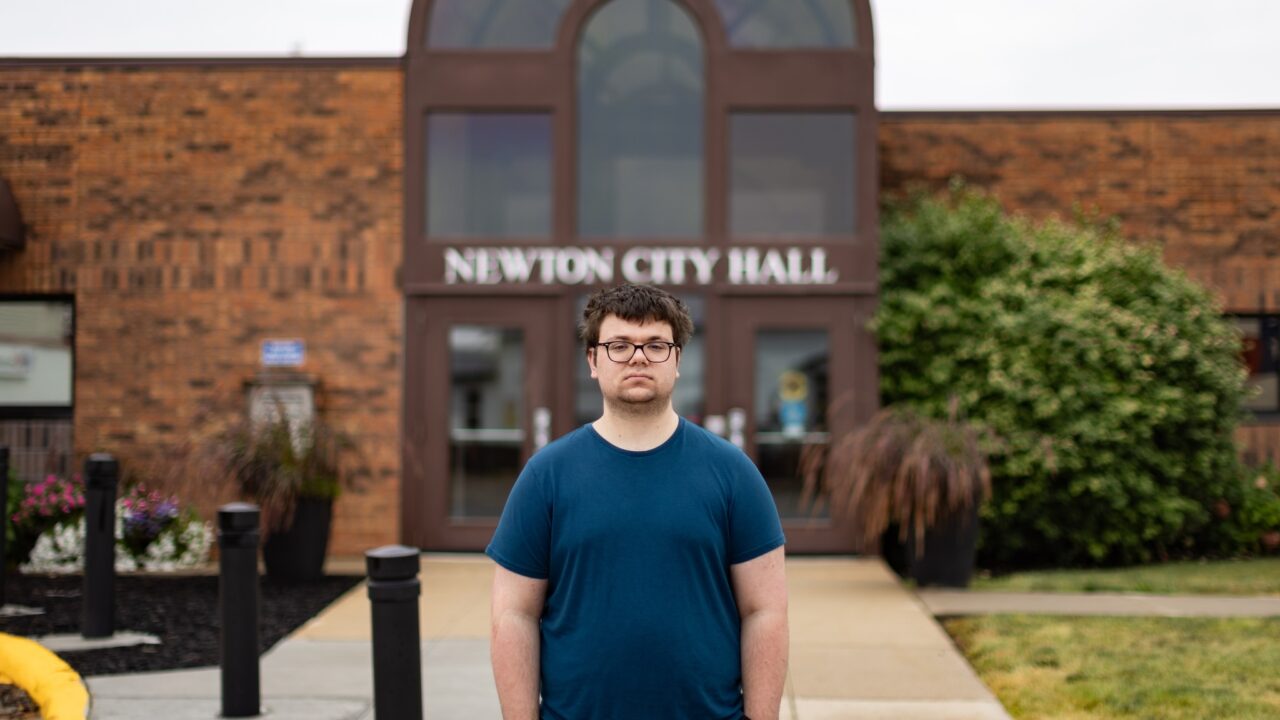
In Iowa, Noah Petersen criticized the local police during the public comment period of a city council meeting. They didn’t even let him finish; the mayor claimed that Noah’s criticism violated a city rule against “derogatory comments,” and Noah was arrested by the police chief for disorderly conduct. But Noah knew his rights, so he attended another meeting a few weeks later and used his public comment time to criticize the mayor and police chief for their actions suppressing speech. Again, they arrested him for his criticism.
IJ sued. And earlier this year, a federal court in Iowa agreed with IJ that the mayor and police chief violated Noah’s rights. Critiquing public officials is speech protected by the First Amendment, and even qualified immunity doesn’t shield officials from liability. The court embraced the constitutional principles at the heart of the case and admonished the officials. The court emphasized that the retaliatory arrests violated “clearly established rights” and that citizens like Noah can enforce those rights in court.
Yet as established as those First Amendment rights are, local officials keep violating them.
In Alabama, local officials retaliated against IJ clients Sherry Digmon, Cindy Jackson, Ashley Fore, and Don Fletcher. The “Atmore Four” were arrested, charged with felonies, and had their cell phones seized after their political opposition to the school superintendent drew the ire of the local district attorney and sheriff.
Atmore’s retaliation is on track to face the same reckoning as Newton’s. In March, a federal court ruled that the Atmore Four’s case against the sheriff and his deputies can move forward. The district attorney hasn’t escaped either: Though he claimed absolute “prosecutorial immunity,” the court recognized that doctrine doesn’t apply to seizing Sherry’s, Cindy’s, and Don’s phones or to conspiring with the sheriff to violate their rights.
These wins build on IJ’s past victories. The Iowa court cited IJ’s U.S. Supreme Court win in Gonzalez v. Trevino to conclude that Noah was treated differently from other speakers at city council meetings. And the Iowa and Alabama decisions are only the latest examples of courts denying immunity to officials who violate people’s rights.
Noah’s and the Atmore Four’s cases also build on our victory in Marion, Kansas, where the court held that qualified immunity didn’t shield officials who raided Ruth Herbel’s home. That’s important—all government officials should know that they are subject to the First Amendment and that courts will meaningfully enforce the Constitution when government officials violate it.
Free speech lies at the heart of self-governance and the American experiment. But speech is only free when the government can’t punish you for what you say. IJ will ensure that free speech is taken seriously by government officials and by judges so ordinary Americans can fully exercise their fundamental rights without fear of retribution.
Tate Cooper and James T. Knight II are IJ attorneys.

Also in this Issue
Liberty & Law
Winning The Fight Against Bogus Blight
Liberty & Law
Policing For Profit—And Without Due Process
Liberty & Law
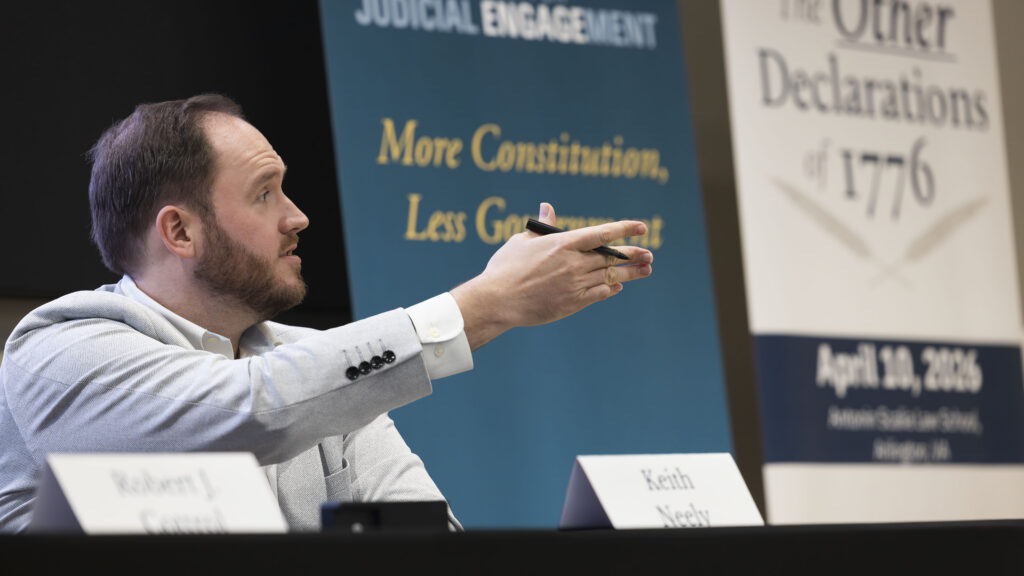
250 Years Of Declaring–And Enforcing–Our Rights

Liberty & Law
Food Trucks Are Perfect Vehicles For Cutting-Edge Challenges

Liberty & Law
Reining In The Regulators

Liberty & Law
Challenging The Plate-Reader Panopticon From Coast To Coast

Liberty & Law
Justice Delivered Federal Court Closes The Book On Pagedale’s Policing-For-Profit Scheme

Liberty & Law
IJ To Put Agency Judges On Trial At The U.S. Supreme Court

Liberty & Law
Closing The Open Fields Loophole In Idaho
Liberty & Law
IJ Updates: Spring 2026

Liberty & Law
IJ Makes Headlines
Subscribe to get Liberty & Law magazine direct to your mailbox!
Sign up to receive IJ's bimonthly magazine, Liberty & Law, along with breaking news updates about the Institute for Justice's fight to protect the rights of all Americans.