IJ To Put Agency Judges On Trial At The U.S. Supreme Court

When the federal government wants to take your property, do you get a hearing in a real court with a real judge and jury? Or can an agency force you to defend yourself in an in-house agency “court” where the only judge is an agency bureaucrat?
Last year, the 3rd Circuit answered that question in a case that IJ filed on behalf of Sun Valley Orchards, a multigeneration family farm in New Jersey facing over half a million dollars in fines and other liability imposed by a U.S. Department of Labor “judge.” The 3rd Circuit invalidated the agency judge’s decision, holding that the case should have been tried in a real court.
The DOL, however, has continued to force employers to defend themselves in its unlawful agency courts even after the 3rd Circuit’s decision. It also appealed to the U.S. Supreme Court.
The high court limited agencies’ use of in-house courts in 2024, in SEC v. Jarkesy, but DOL is just one of many federal agencies that has ignored the decision. Every agency has some explanation as to why Jarkesy’s ruling does not apply to it.
The Court agreed to take Sun Valley’s case, and at the same time, it rephrased the government’s proposed “question presented” (i.e., its statement of the issues to be considered on appeal) in a way that is favorable for Sun Valley.
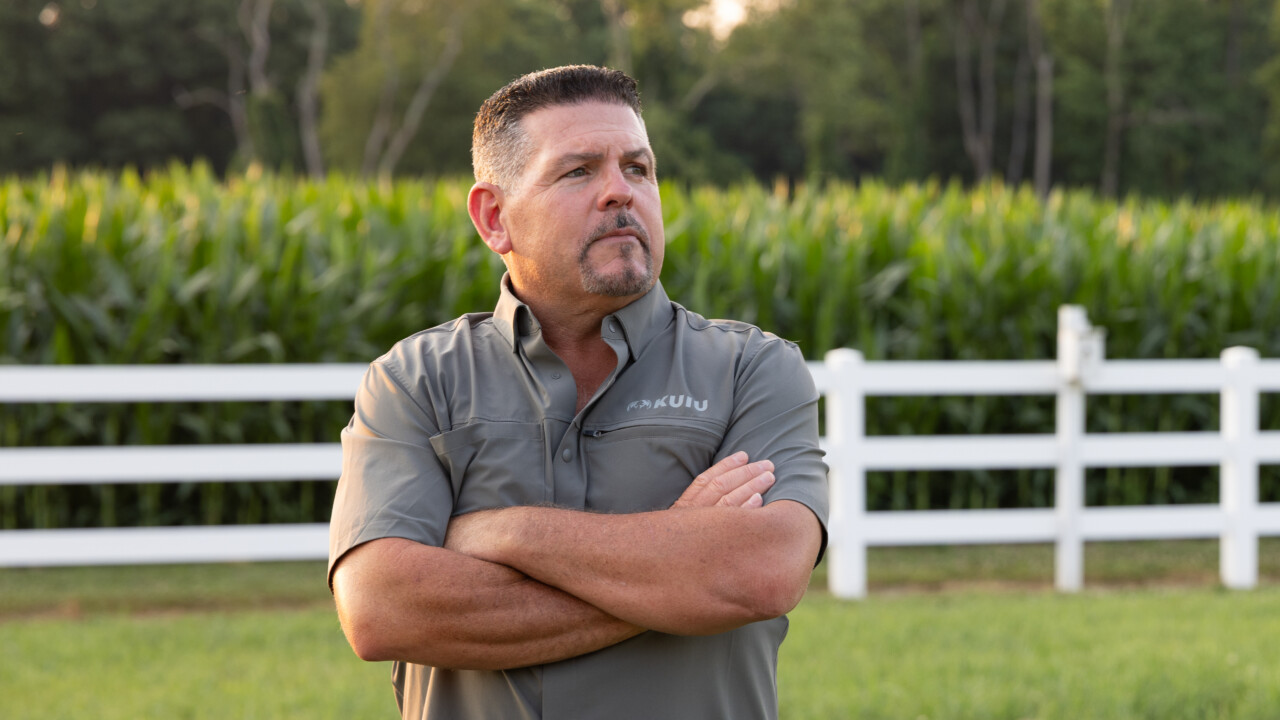
Joe Marino, who ran Sun Valley along with his brother, will tell you he’s excited about this opportunity. He was thrilled to win the case at the 3rd Circuit, and the decision striking the agency’s half-million-dollar penalty removed a huge weight from his shoulders. But he knows this is a chance to set an even bigger precedent.
The 3rd Circuit’s decision was binding on the agency only in the states within that circuit—Delaware, New Jersey, and Pennsylvania—leaving other businesses to fight the same issue in other states. But a decision from the Supreme Court will be binding nationwide, and it will settle this issue for everyone.
A decision from the Supreme Court will also set a precedent that will impact the full alphabet soup of agencies that continue to use agency courts to impose penalties, including the EPA, OSHA, NLRB, FTC, and more. A ruling in Sun Valley’s favor will affirm that the Court meant what it said in Jarkesy.
The question remains the same, and the answer is just as clear as ever. Agencies that want to impose fines and other liability should have to go to a real court and convince a real judge and jury—not their own employee.
Rob Johnson is an IJ senior attorney.
Also in this Issue
Liberty & Law
Winning The Fight Against Bogus Blight
Liberty & Law
Two Wins For The First Amendment
Liberty & Law
Policing For Profit—And Without Due Process
Liberty & Law
250 Years Of Declaring–And Enforcing–Our Rights

Liberty & Law
Food Trucks Are Perfect Vehicles For Cutting-Edge Challenges

Liberty & Law
Reining In The Regulators

Liberty & Law
Challenging The Plate-Reader Panopticon From Coast To Coast

Liberty & Law
Justice Delivered Federal Court Closes The Book On Pagedale’s Policing-For-Profit Scheme

Liberty & Law
Closing The Open Fields Loophole In Idaho
Liberty & Law
IJ Updates: Spring 2026

Liberty & Law
IJ Makes Headlines
Subscribe to get Liberty & Law magazine direct to your mailbox!
Sign up to receive IJ's bimonthly magazine, Liberty & Law, along with breaking news updates about the Institute for Justice's fight to protect the rights of all Americans.