Winning The Fight Against Bogus Blight
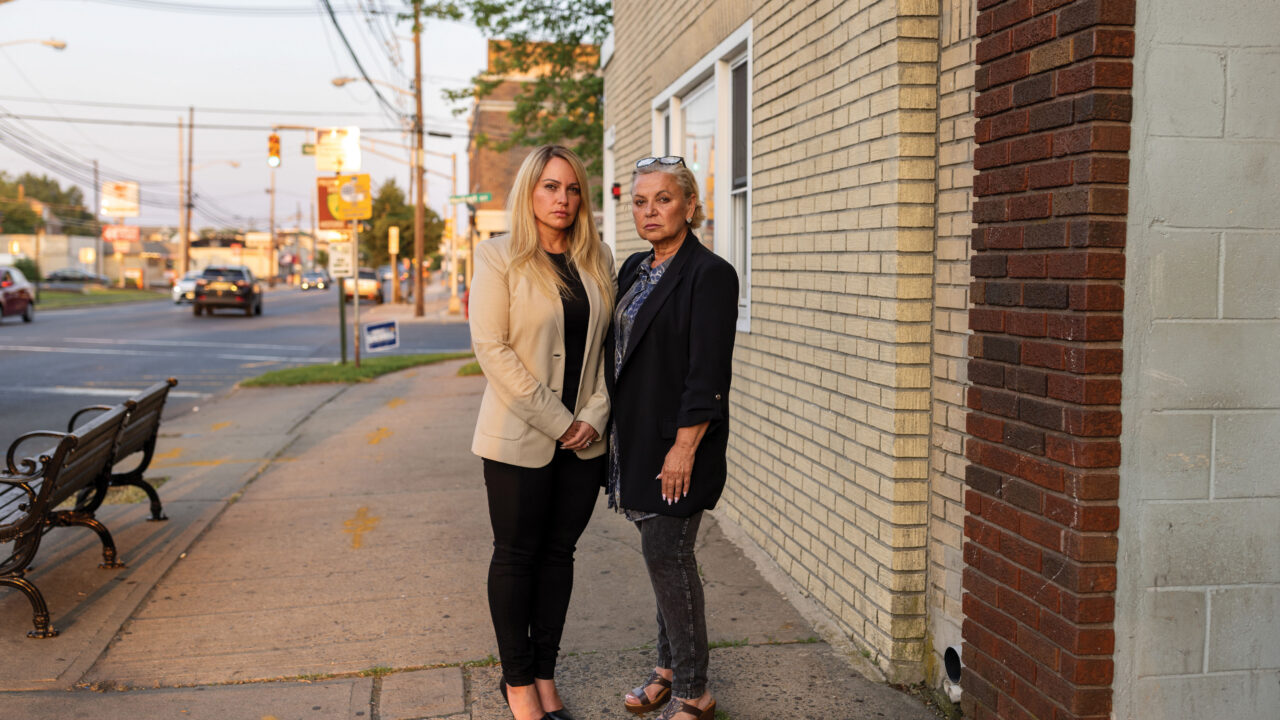
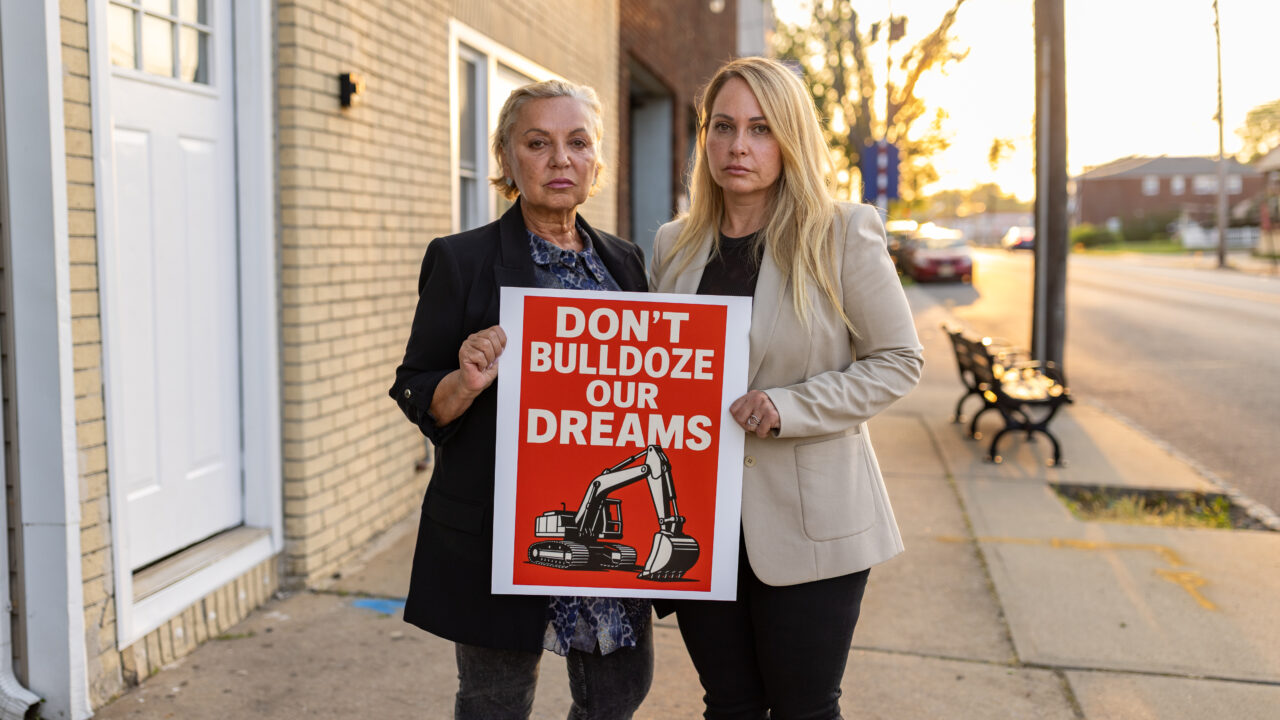
IJ just scored a major victory for two property owners in New Jersey. A trial court struck down Perth Amboy’s attempt to seize two thriving properties through eminent domain, ruling that the city’s evidence of “blight” was little more than smoke and mirrors. The decision is a relief for IJ clients Honey Meerzon and Luis Romero—and a warning to local governments in New Jersey that may try to abuse their power to take private property.
Honey bought her four-unit apartment building on Smith Street nearly a decade ago after leaving an abusive relationship. The building is home to families, some with small children, who depend on its affordable rent and convenient location. Luis operates Quick Tire & Auto next door, a successful business that has been in his family for decades. Both are children of immigrants whose families fled oppressive governments. Both thought that, here in America, their property rights would be respected. For Honey and Luis, these properties are more than just a source of income; they are their American Dream.
But Perth Amboy had other plans. The city designated Honey’s and Luis’ properties as “blighted” under New Jersey’s Local Redevelopment and Housing Law. As in many states, a blight designation in New Jersey unlocks the power of eminent domain and allows governments to condemn properties for private development. But these properties were not blighted at all. The city simply wanted them for inclusion in an adjacent redevelopment project and sought to use a blight designation to get them.
To make its case, the city pointed to a few pieces of litter, some stray cats, and conditions common to many properties in Perth Amboy (not to mention the state of New Jersey and the entire country), like narrow driveways or inadequate setbacks. As the city saw it, the mere existence of these conditions was enough to justify taking the properties for private development. But the government can’t take your property because of a narrow driveway or a stray cat. Truly blighted properties are those that are unsafe, falling into disrepair, and causing harm to the community.
The trial court agreed. In its decision, the court found the city’s blight designation was unsupported by any evidence and based solely on “generalized concerns” and “hypothetical risks.” The city’s case, the court held, fell far short of what New Jersey law requires.
This ruling means Perth Amboy cannot use the blight designation as justification to seize Honey’s and Luis’ properties. And since the city has decided not to appeal, Honey and Luis can rest easy knowing their little pieces of the American Dream are safe.
This case illustrates a troubling pattern across the country: local governments stretching the definition of “blight” beyond recognition to justify taking well-maintained properties for private developers. Under this approach, virtually any property could be taken. IJ is currently fighting other bogus blight determinations on behalf of small-business owners in Missouri and homeowners in Mississippi.
Yet New Jersey municipalities are particularly rapacious. The Garden State is home to our very first eminent domain case (on behalf of Vera Coking in Atlantic City). Over the past three decades, we’ve secured precedent improving protections for private property in the state. We still closely monitor for attempts like Perth Amboy’s to make end-runs around our reforms.
This ruling should signal to New Jersey towns—and to courts in other states—that when local governments try to manufacture blight where none exists, IJ will be there.
Bobbi Taylor is an IJ attorney.
Also in this Issue

Liberty & Law
Two Wins For The First Amendment
Liberty & Law
Policing For Profit—And Without Due Process
Liberty & Law
250 Years Of Declaring–And Enforcing–Our Rights

Liberty & Law
Food Trucks Are Perfect Vehicles For Cutting-Edge Challenges

Liberty & Law
Reining In The Regulators

Liberty & Law
Challenging The Plate-Reader Panopticon From Coast To Coast

Liberty & Law
Justice Delivered Federal Court Closes The Book On Pagedale’s Policing-For-Profit Scheme

Liberty & Law
IJ To Put Agency Judges On Trial At The U.S. Supreme Court

Liberty & Law
Closing The Open Fields Loophole In Idaho
Liberty & Law
IJ Updates: Spring 2026

Liberty & Law
IJ Makes Headlines
Subscribe to get Liberty & Law magazine direct to your mailbox!
Sign up to receive IJ's bimonthly magazine, Liberty & Law, along with breaking news updates about the Institute for Justice's fight to protect the rights of all Americans.