Opening The Road For Mobile Beauty Entrepreneurs In South Carolina
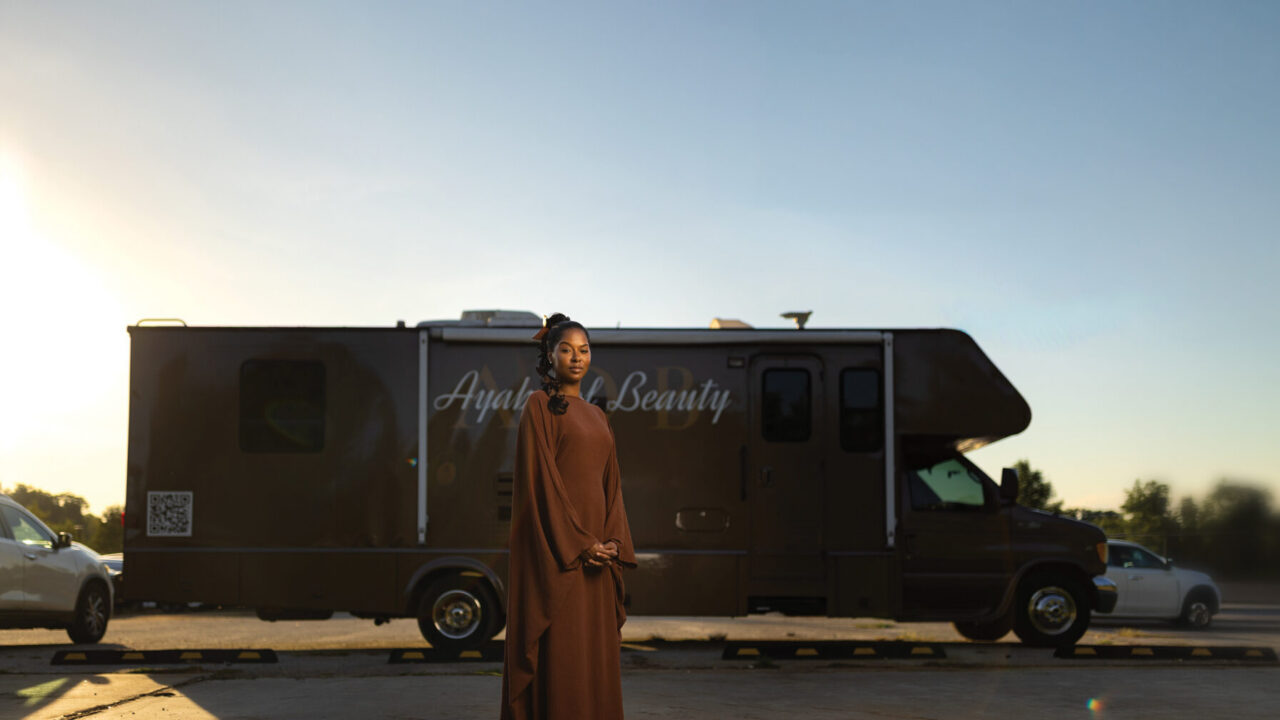
The wheels on the bus may go round and round, but the wheels on Brandi Rosemond’s mobile beauty salon must stay put. Or so says South Carolina—where estheticians must work in physical salons, though barbers can take their services on the road. That’s not just wrong; it’s unconstitutional.
Brandi grew up idolizing her grandmother. She loved watching her sit at her vanity each day, carefully working through her skincare and makeup routine. Those moments sparked Brandi’s passion for a career in esthetics. In school, Brandi envisioned a business where she could take her skills to clients instead of the other way around.
To accomplish that dream, she bought an RV and spent her time and hard-earned money renovating it. When she was done, she was eager to share it with her community. Brandi posted in a local wedding Facebook group announcing that the mobile salon would be coming soon. Despite enthusiasm from the group, a message from a member of the Board of Cosmetology informed Brandi that mobile esthetics is illegal.
Brandi’s knowledge doesn’t disappear just because she steps out of a brick-and-mortar salon.
Brandi adapted. She now rents a booth in Greenville, where she provides most of her services. But the state’s rule creates an impractical reality: Her mobile unit can be used for spray tans, which do not require an esthetics license. Yet she cannot use it to give facials, apply makeup, or wax eyebrows, which is the work she is licensed to perform.
Brandi’s knowledge doesn’t disappear just because she steps outside of a brick-and-mortar salon. The location may change, but her skills and sanitation practices do not.
South Carolina’s rule is especially hard to justify because the state allows barbers to serve clients in mobile shops. That doesn’t make sense. Barbers’ work and sanitation practices largely overlap with Brandi’s. If the state trusts a barber to work safely in a mobile shop, why does Brandi’s salon need a permanent address? With IJ, Brandi filed a lawsuit challenging this unequal and irrational treatment.
South Carolina has already shown that it can remove barriers to new businesses. In 2023, IJ helped legislatively repeal most of the state’s certificate of need requirements. Those rules forced healthcare providers to obtain government permission before opening or expanding, giving established competitors an opportunity to resist newcomers.
Brandi’s federal case now asks a court to open a door that remains closed to mobile beauty entrepreneurs. Regardless of the industry—healthcare, barbering, esthetics, and beyond—government shouldn’t stand in the way of qualified people serving their customers.
IJ has taken this fight to federal appellate courts before. In the 5th and 6th Circuits, we defeated rules that made Benedictine monks in Louisiana and independent retailers in Tennessee obtain funeral director licenses to sell simple caskets.
Brandi’s case is the next opportunity to protect entrepreneurs’ freedom to compete. She trained, got licensed, and built the mobile salon. Now she is fighting for the chance to get it rolling.
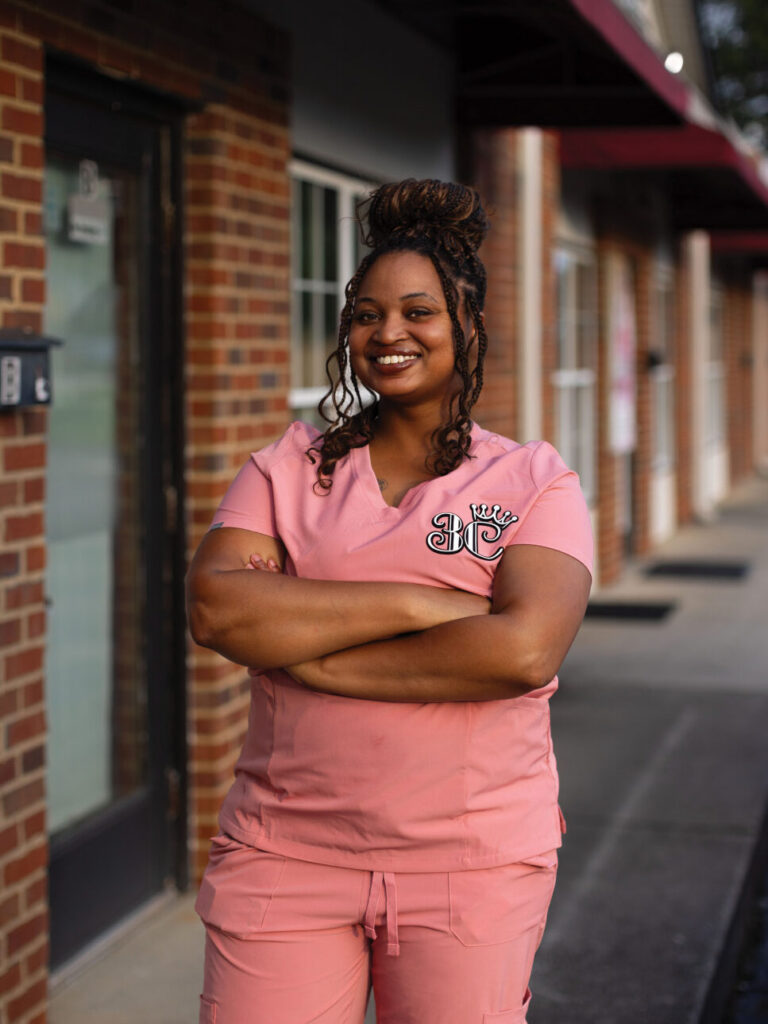
Khalilah Few teamed up with IJ when Clayton County denied her a permit for her natural hair salon to protect existing salons.
Khalilah’s Salon May Open, But The Fight For Economic Liberty Continues!
Khalilah Few can finally open the natural hair salon she poured her heart, soul, and life savings into building. Fourteen months after Clayton County, Georgia, denied her a permit, the county reversed course. That is welcome news for Khalilah and her clients, but her lawsuit is far from over.
After more than 20 years in the industry, Khalilah leased a previously vacant storefront to expand her business. She followed the county’s rules and completed its lengthy approval process. Then, at the final step, officials denied her permit because they thought there were already too many salons in the area.
Bureaucrats can’t pick winners and losers in business. So Khalilah teamed up with IJ to have a court recognize this process as unconstitutional.
Though the county has now decided to let Khalilah open her shop, it has left the system that initially blocked her in place. Other local businesses must still seek the county’s permission to open, and officials may still deny permits if they believe there are enough similar businesses nearby.
Allowing Khalilah’s business to move forward is an important step, but it does not resolve our constitutional challenge—and Khalilah has no interest in backing down. Without a court ruling or a change to the county’s ordinances, another entrepreneur could face the same type of protectionist denial.
Together, we will keep fighting for the right of all Georgians to earn an honest living free from government overreach.
Also in this Issue
Liberty & Law
VICTORY! Jury Holds Texas County Liable For Baseless Highway Stops
Liberty & Law
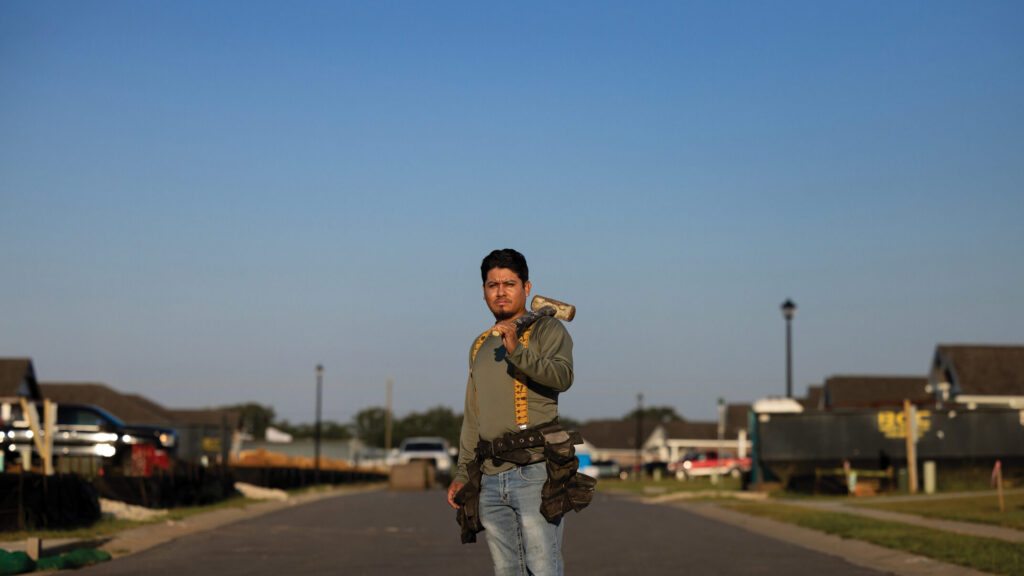
The Fourth Amendment Is Back On The Jobsite In Alabama
Liberty & Law
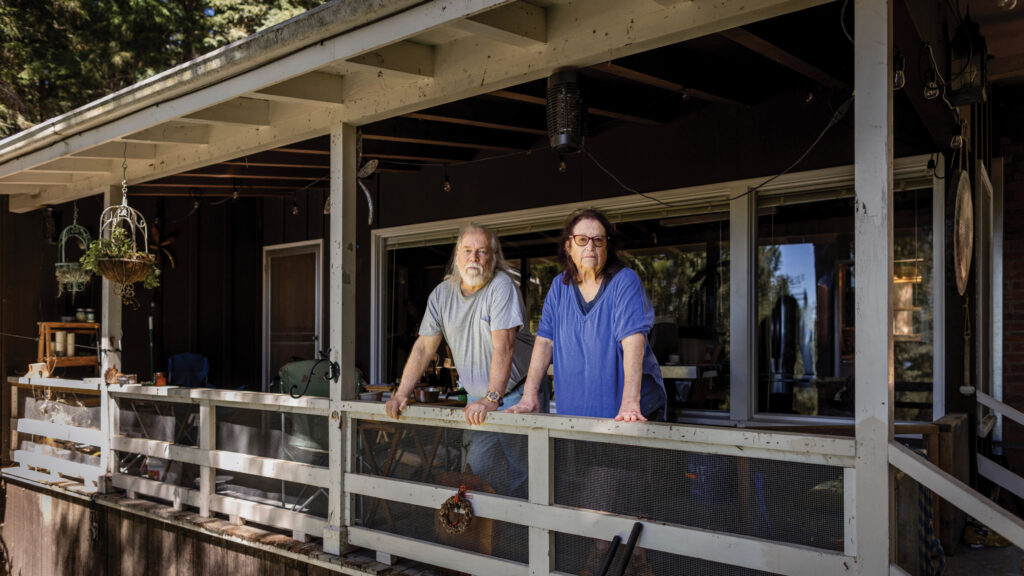
VICTORY: Humboldt County Reforms Predatory Code Enforcement Scheme
Liberty & Law
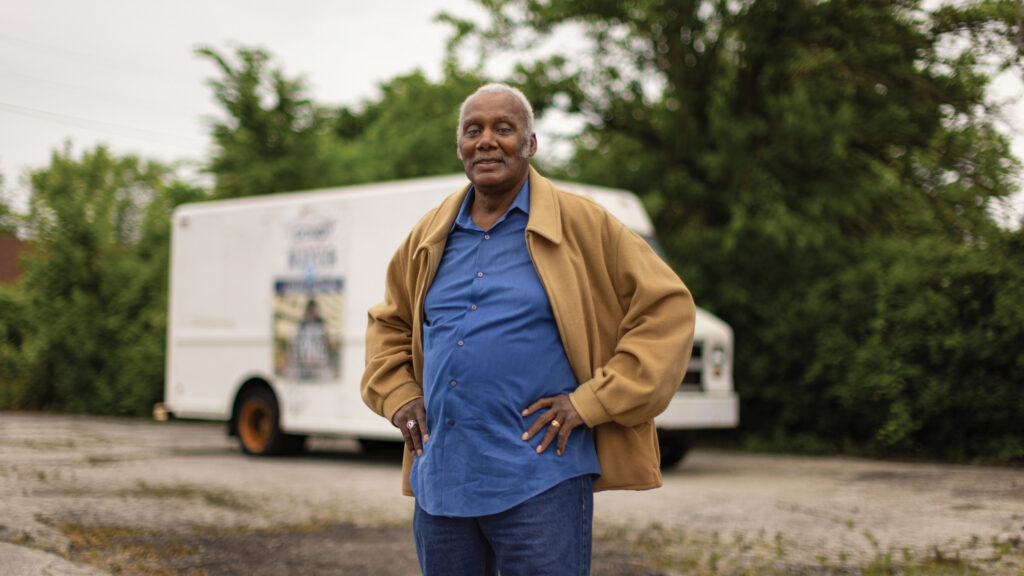
Sixth Circuit To East Cleveland: You Can’t Tow Away Dissent

Liberty & Law
Ten Years, Two Lawsuits, One Unbroken Principle

Liberty & Law
New IJ Research Shows Public Benefits Becoming Private Burdens
Liberty & Law
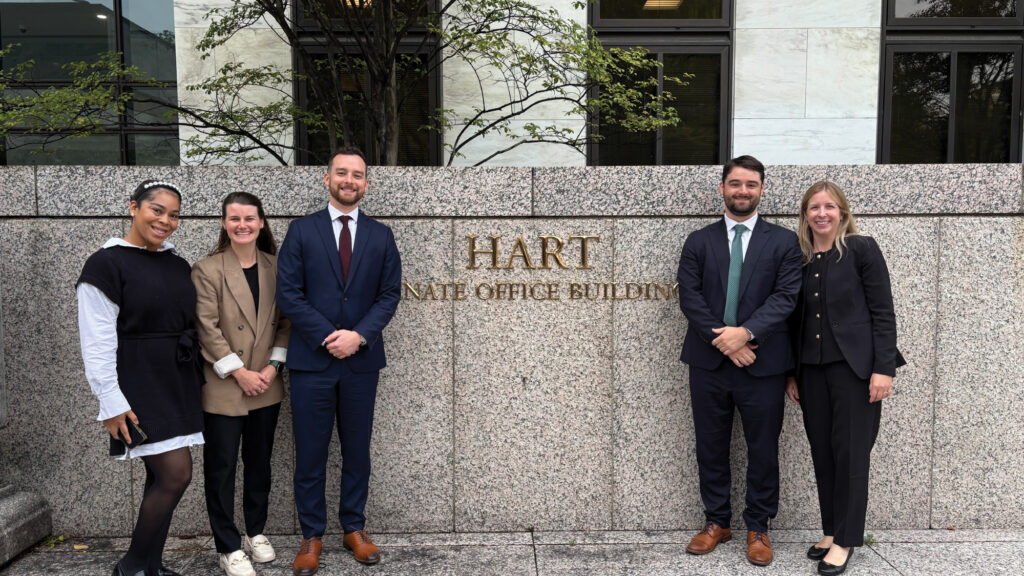
From the Courtroom to Capitol Hill: Challenging Mass Surveillance
Liberty & Law
Keep Swingin’: The Long Game For Liberty
Liberty & Law
IJ Makes Headlines
Subscribe to get Liberty & Law magazine direct to your mailbox!
Sign up to receive IJ's bimonthly magazine, Liberty & Law, along with breaking news updates about the Institute for Justice's fight to protect the rights of all Americans.