Private Property
Miami’s Unconstitutional Land Taking Scheme Targets More Than a Thousand Homeowners Across the City
A Miami homeowner and Navy veteran is challenging the city’s practice of demanding that permit applicants surrender portions of their property without just compensation.
- Case Name
- Trausch V. City of Miami
- Issue Areas
- Status
- Active Cases
- Location
- Miami, Florida
- Date Filed
- December 4, 2025
The Case
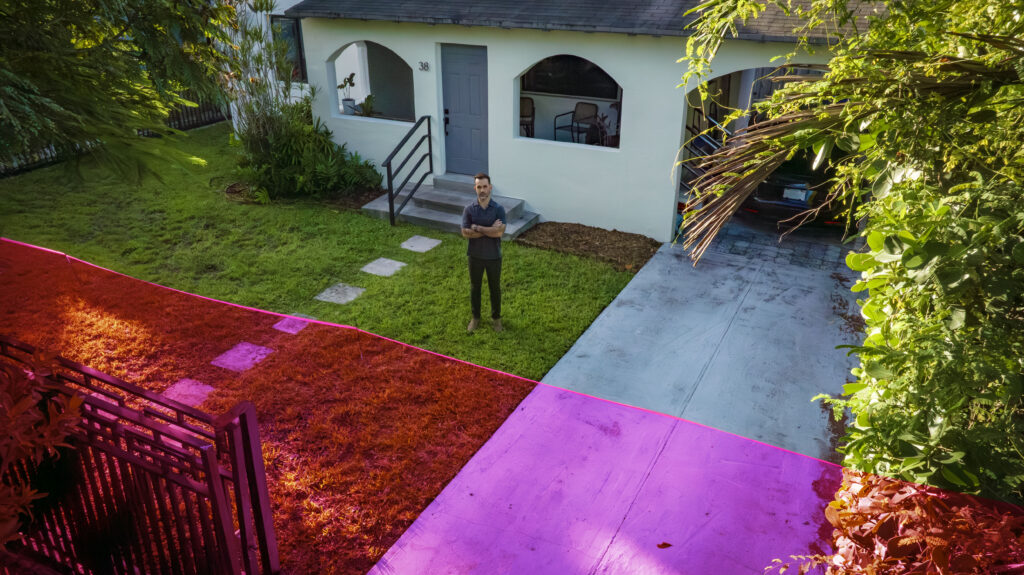
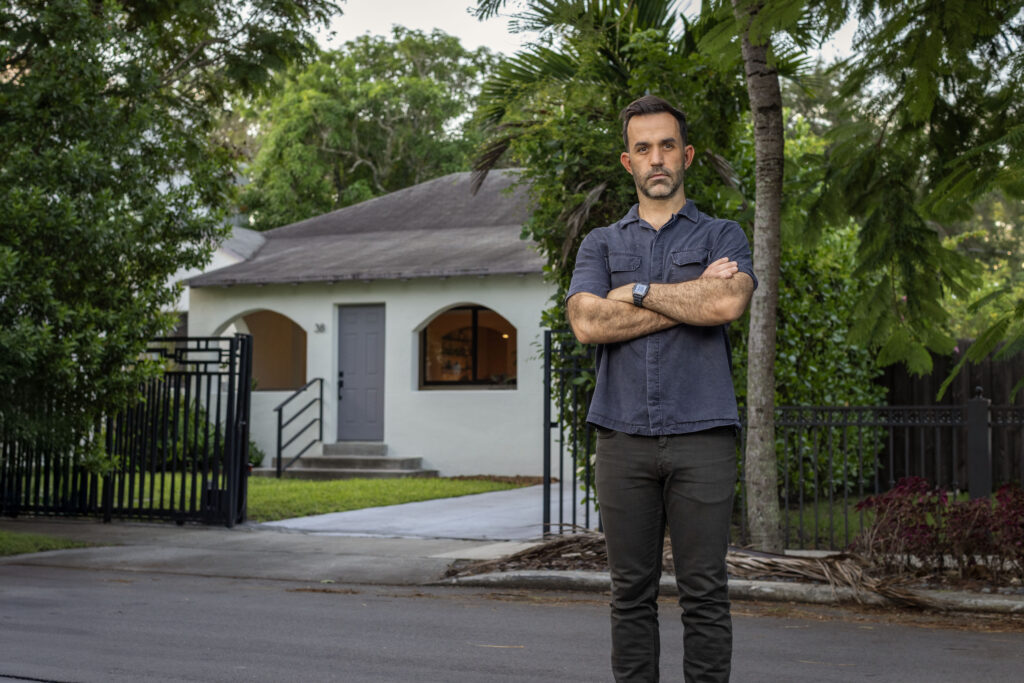
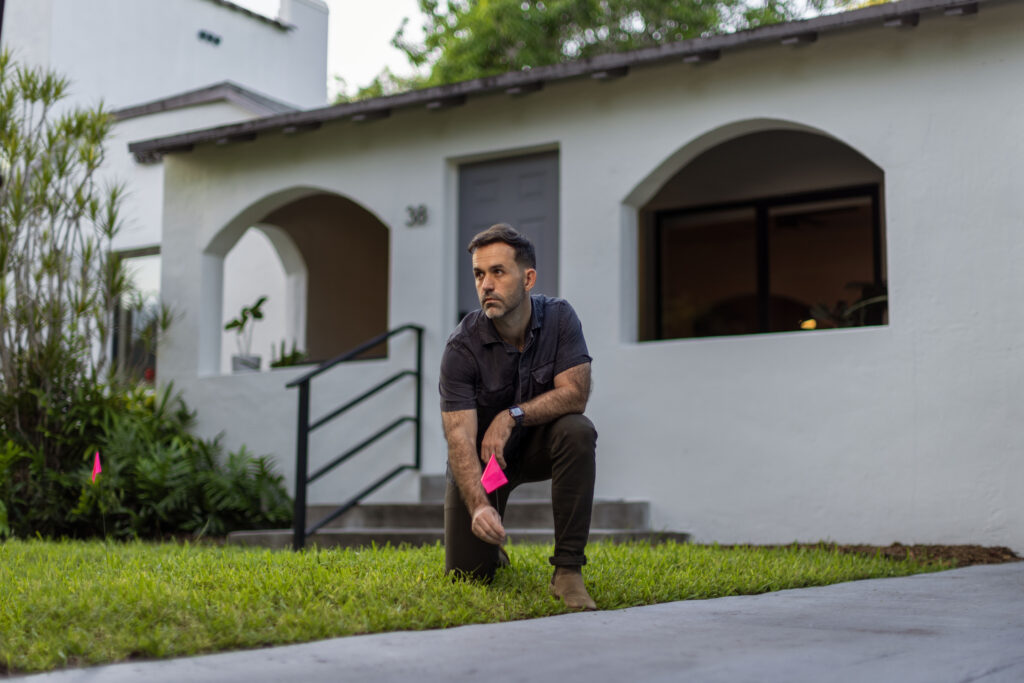
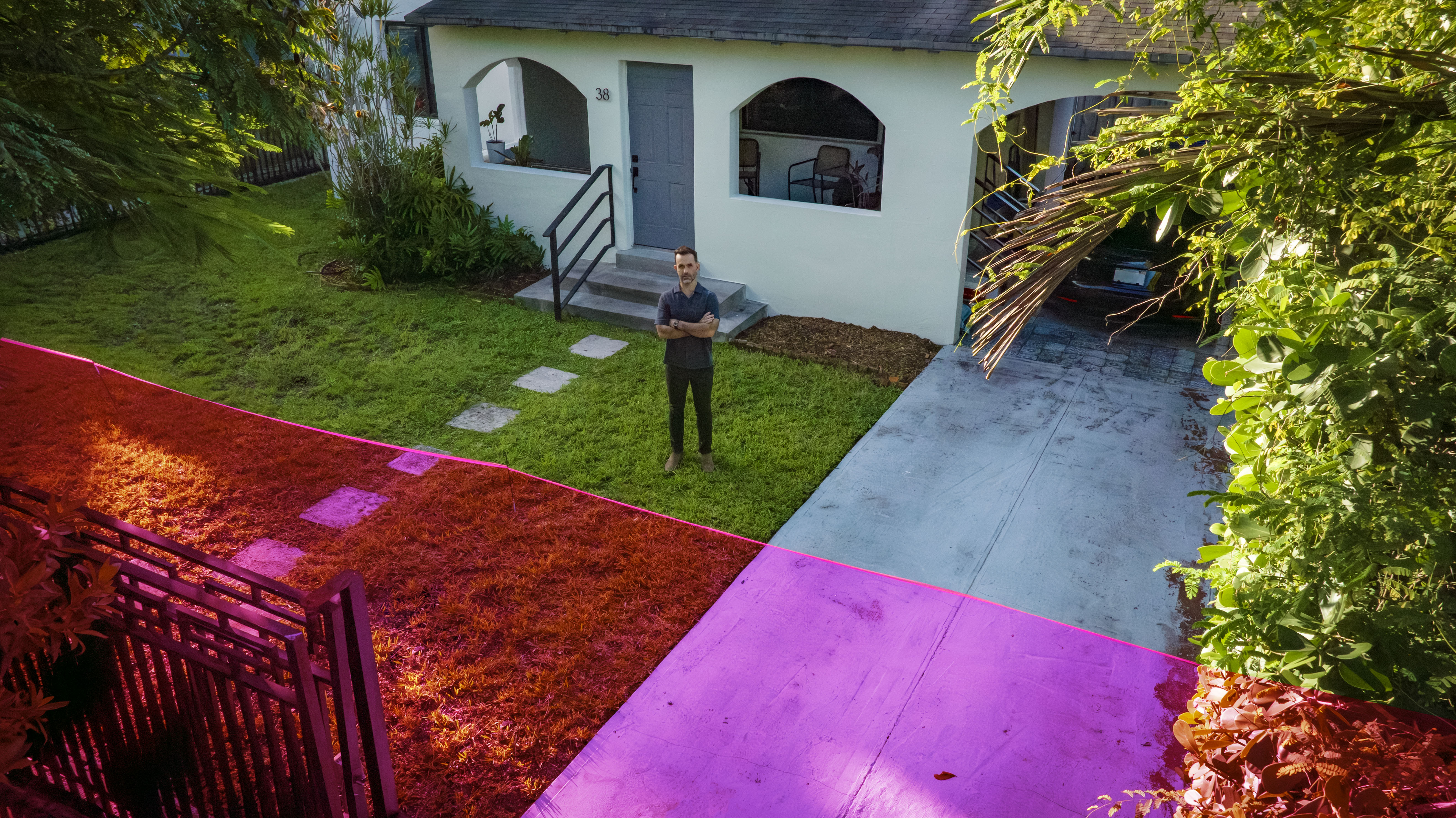
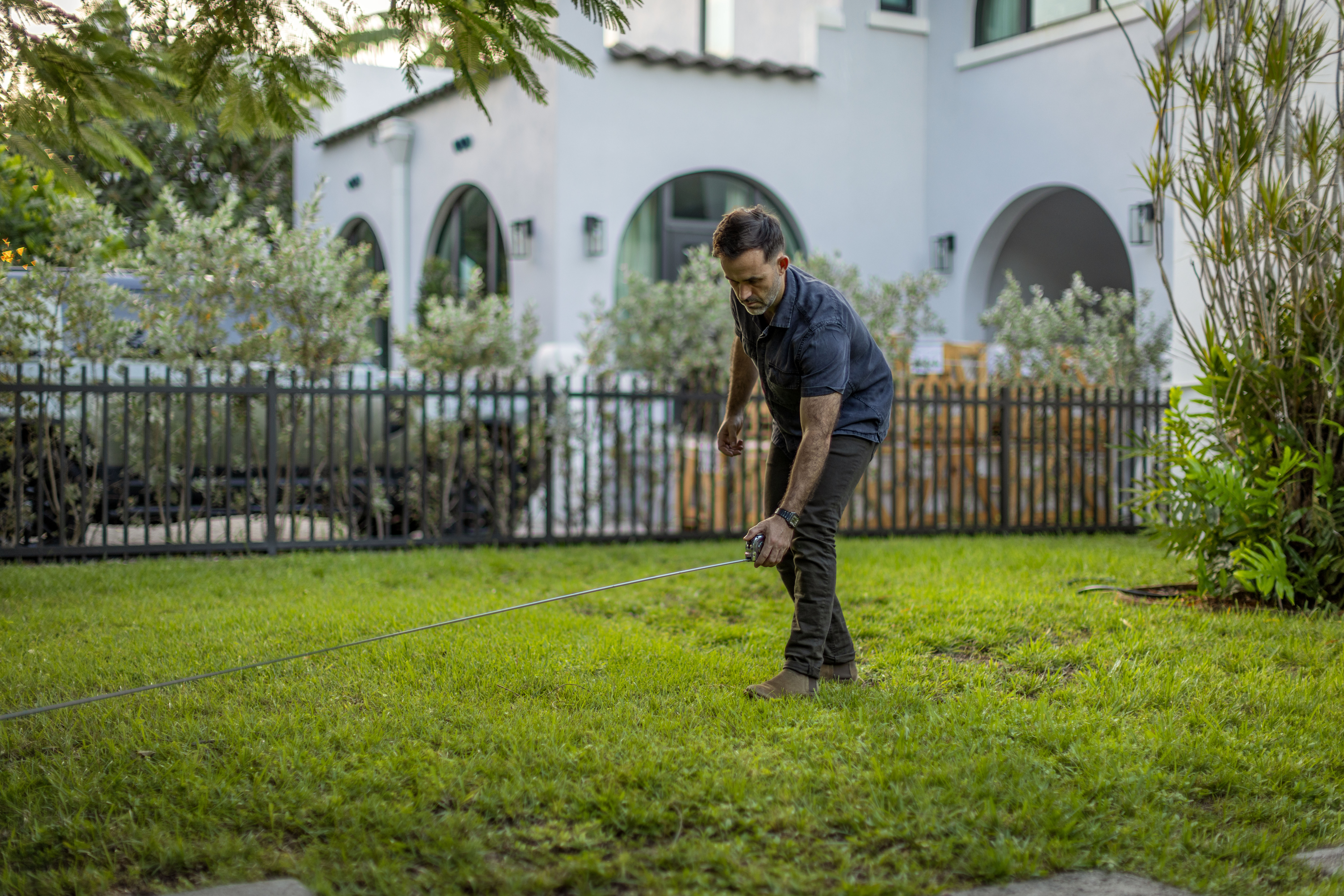
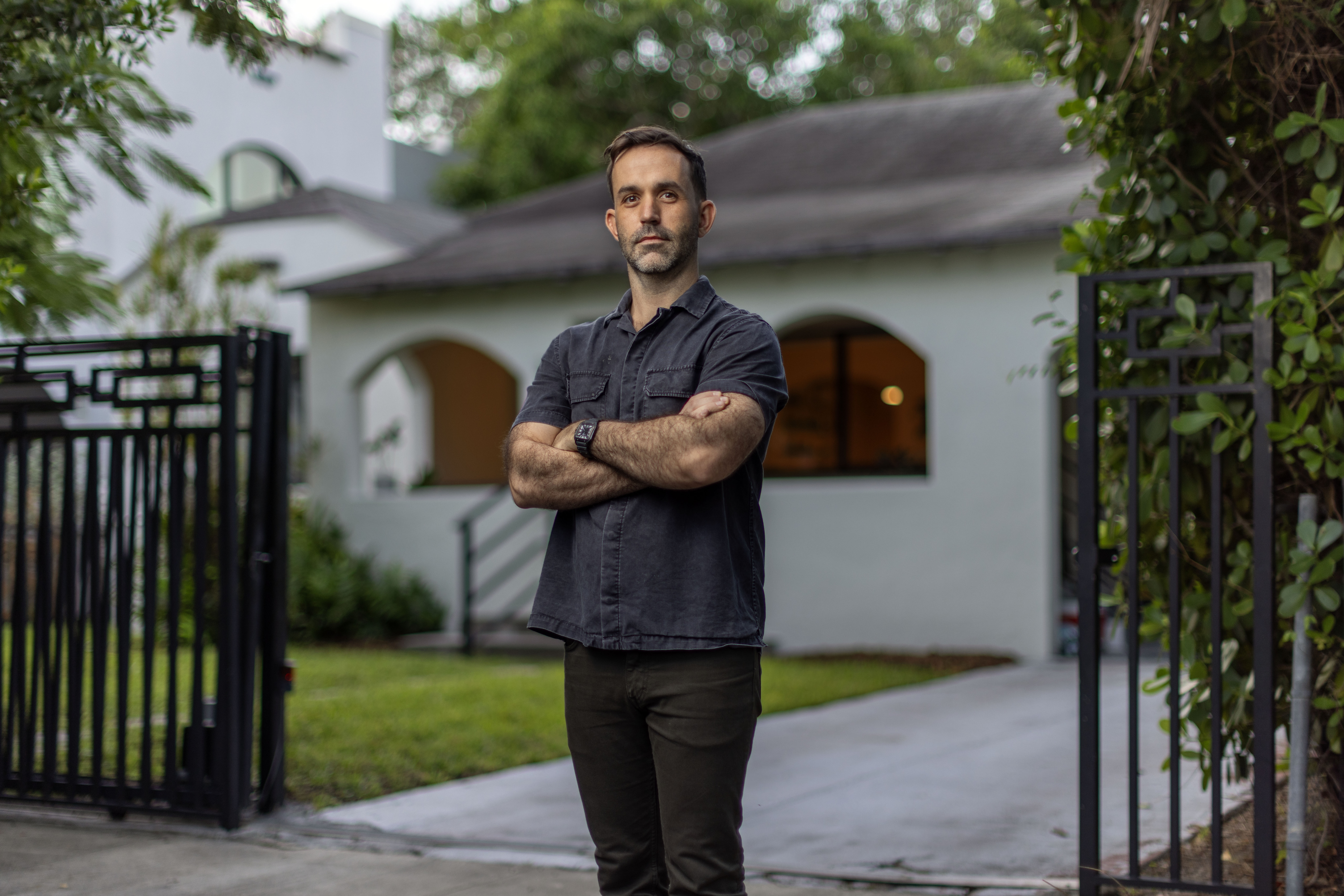
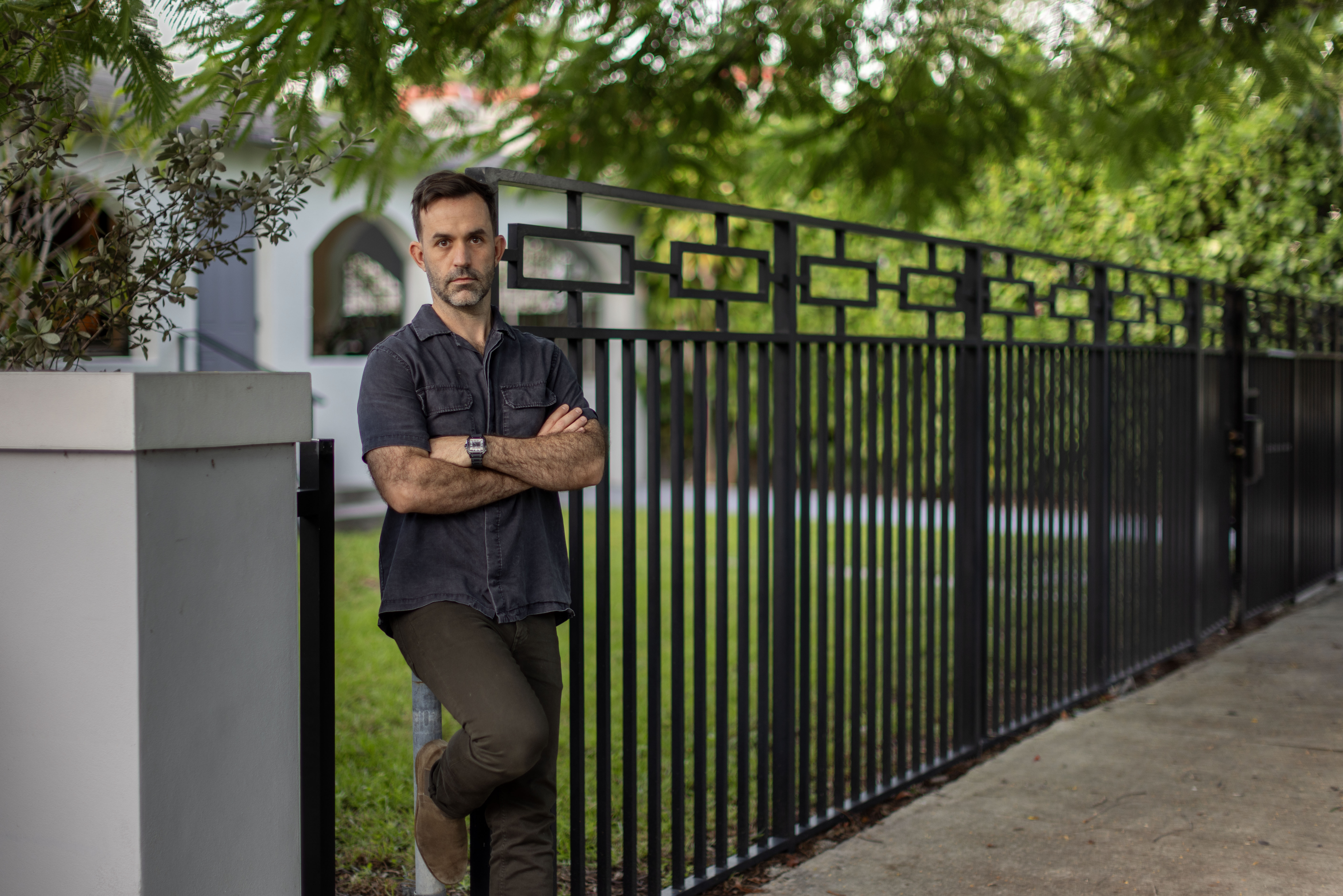
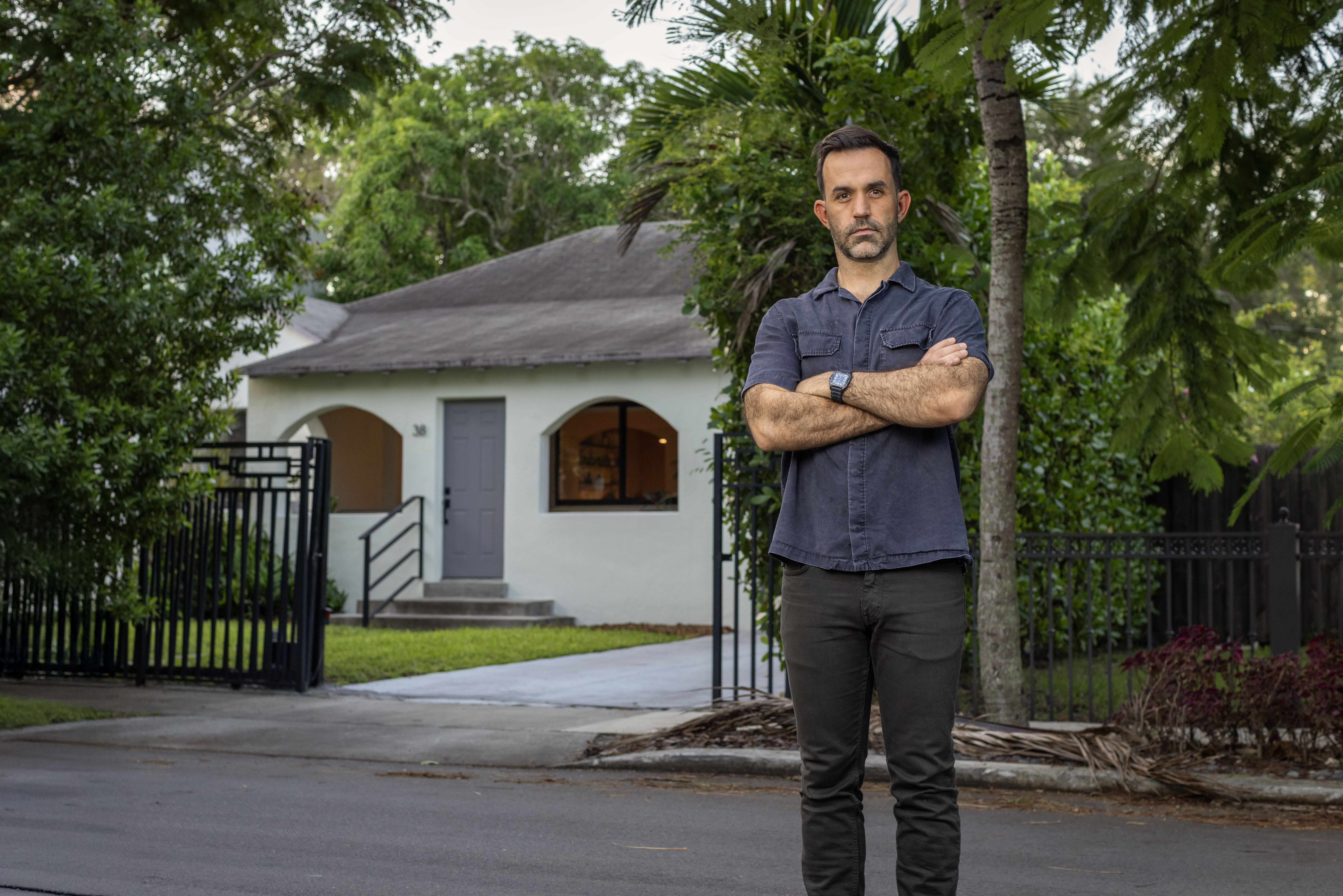
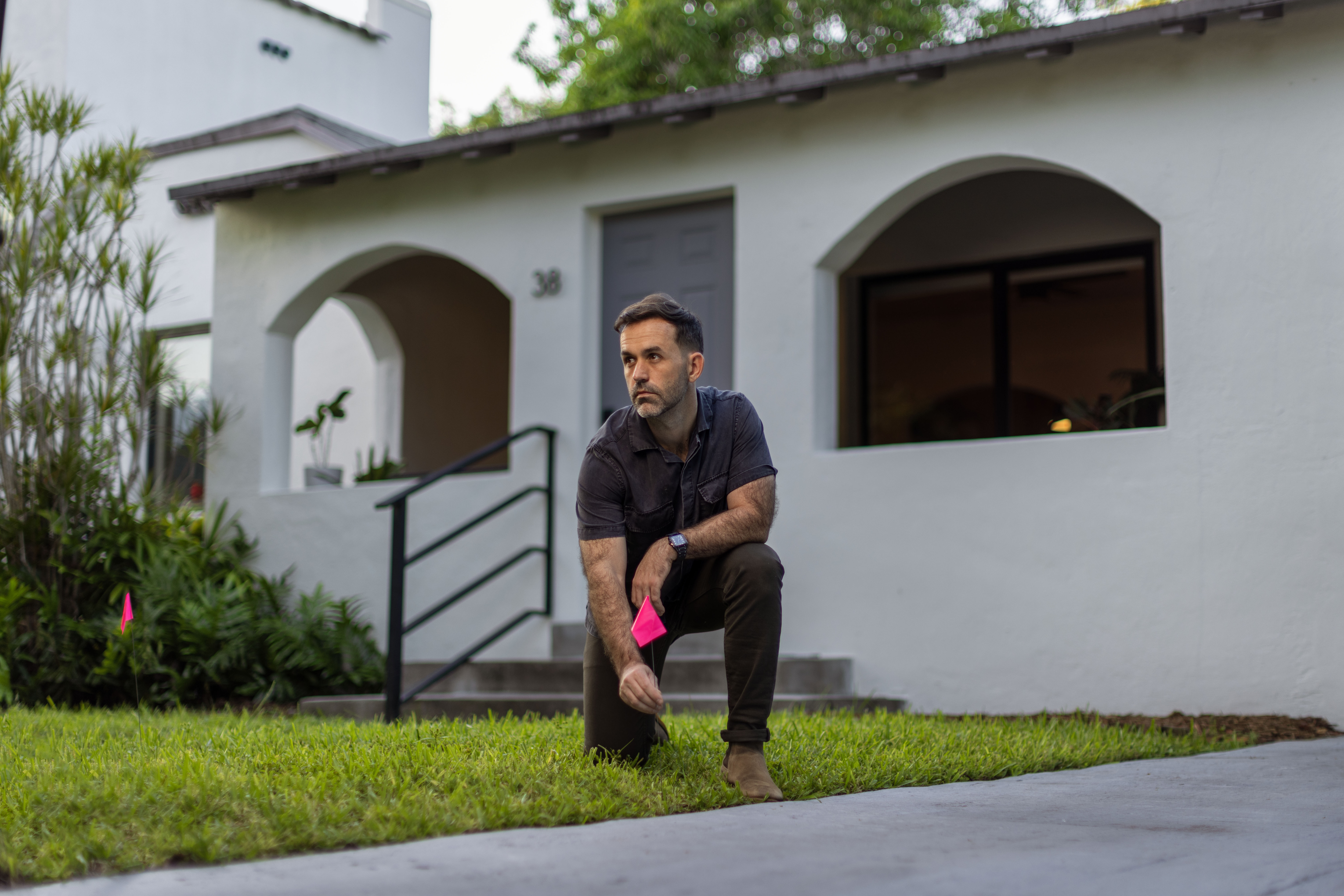
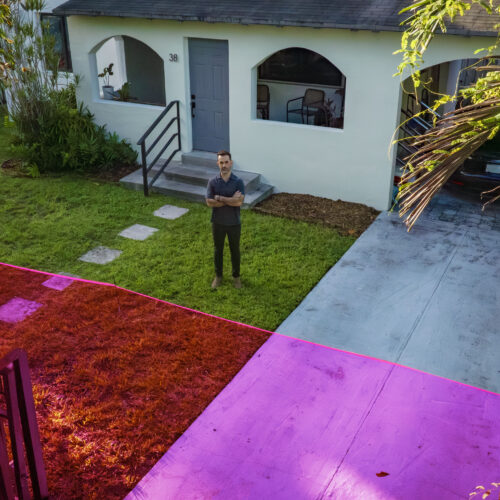
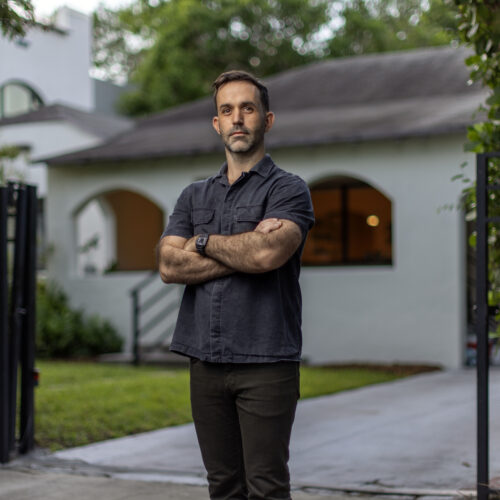
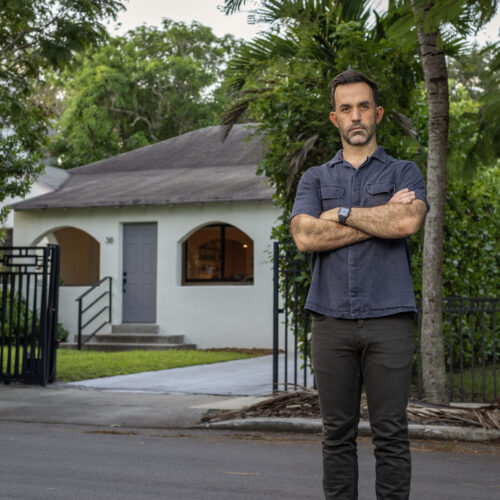
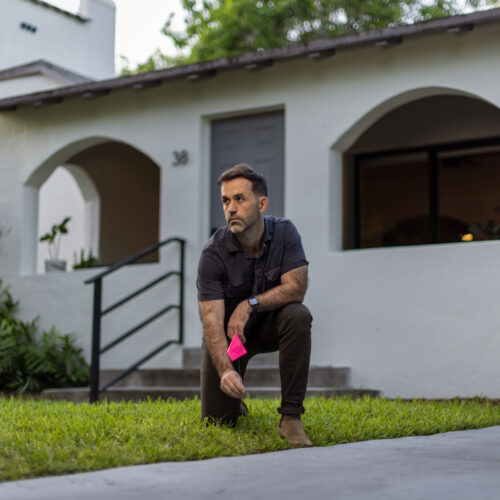
Chad Trausch and his wife’s family was growing, so he decided to expand his Miami home. But when he submitted plans for a two-bedroom, two-bathroom addition, the city came back with a strange request: it wanted half his front yard.
Chad was perplexed. The demand for land had nothing to do with the addition. The city didn’t seem to have any concerns with his building plan; it simply saw an opportunity to force Chad to give up part of his property. The city didn’t even have an immediate plan to use the land; it just wanted to bank it away in case it decided to widen the street. So, Chad decided to fight back with the help of the Institute for Justice (IJ) to protect his property rights and the property rights of everyone else in the city.
It turns out that Miami has been doing this to property owners across the city for years. The city’s Director of the Department of Resilience and Public Works, Juvenal Santana, testified[i] that there have been “hundreds” of these demands.
It works like this: a homeowner wants to build on their property and needs a permit. If they want to build an extra bathroom, bedroom, an accessory dwelling unit, or any other type of addition defined under Miami code they must get permission. This is a fairly standard process in many cities. But in Miami, the government has used the permitting process to take land from residents without having to pay for it. They go through the process, fill out all the paperwork, and check all the required boxes. But the city, instead of accepting the paperwork comes back with a demand — their property, for free, in order to build.
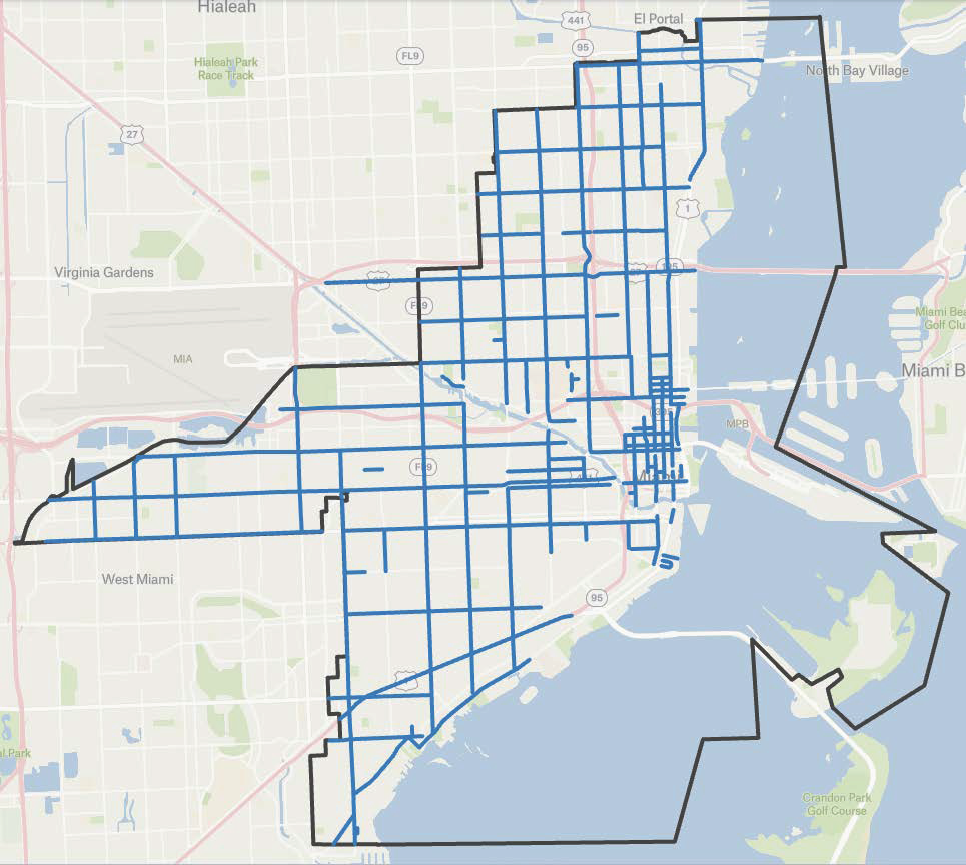
The city has been doing this because they want to bank the land to eventually widen roads at some point in the future. As it currently stands, IJ has been able to identify 66 streets with more than 1,000 houses at threat to this scheme.
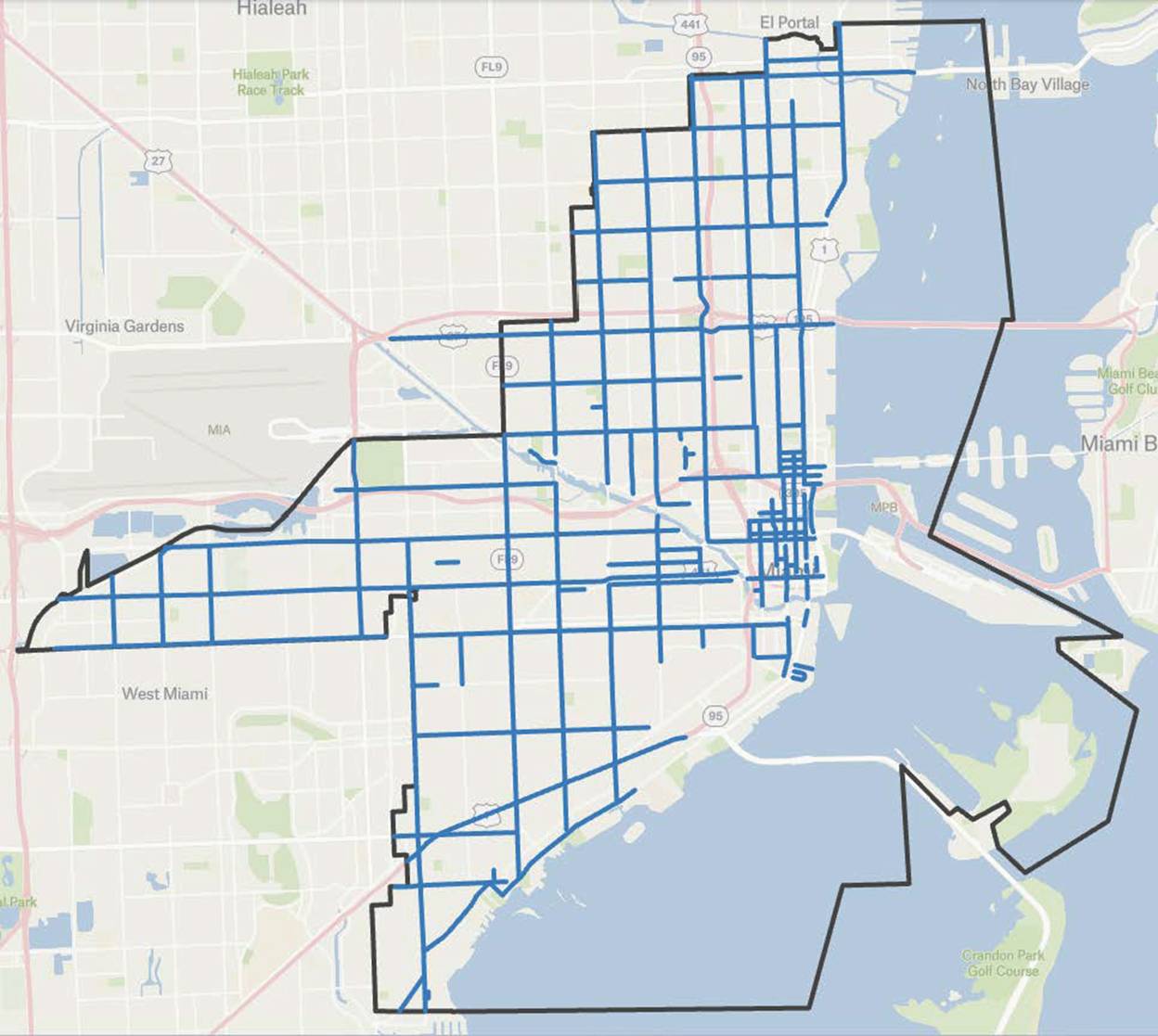
*A map of streets in Miami IJ has identified as under threat
Chad spent a year and a half in permitting purgatory and reached out to IJ after he filed a lawsuit against the city by himself. Soon after IJ started to represent him, Miami dropped its demand and issued the permit.
But in the time that Chad spent waiting for Miami, the cost of construction materials and labor exploded. Today, it will cost him $200,000 more to complete the addition. And, Miami hasn’t admitted its deliberate efforts to violate Chad’s rights and take his land. If Chad ever submits another permit application, the city may renew its demand for his land.
When property owners seek to improve their property, a city must only consider whether their permit application satisfies the law. It can’t make other demands. That’s why Chad has filed a new lawsuit with IJ to stop Miami from mistreating property owners and compensate him for the harm caused by its unconstitutional demand.
[i] Transcript of Deposition of Juvenal Santana, Ulrich v. City of Miami, No. 25-CV-21695 (Fla. Cir. Ct. July 3, 2025).
Has Miami Asked You to Give Up Property for a Permit?
The Institute for Justice may be able to help you for free.
If Miami has required — or is threatening to require — that you give up part of your property to obtain a land-use or building permit, we want to hear from you.
Case Team
Client
Chad Trausch
Client
Attorneys

Suranjan Sen
Attorney
Ari Bargil
Senior Attorney
Benjamin K. Marsh
Litigation Fellow

Paul Avelar
Managing Attorney of the Arizona Office
Staff

Phillip Suderman
Communications Project Manager
Katie Herndon
Paralegal

Rebekah Ramirez
Senior Paralegal
Media Resources
Get in touch with the media contact for image resources, press releases, and interview requests.
Media Images




Case Documents
Case Summary
Chad files his permit, Miami demands his land
Chad Trausch is a Navy veteran who met his wife, Stephanie, while attending business school. The couple moved to Miami in 2021 and bought a home in the Buena Vista neighborhood. That home—two bedrooms and one bathroom—was adequate for a newlywed couple; however, it isn’t well-suited to raising a family. In particular, Chad and Stephanie want room for their parents to be able to stay for extended periods to help with childcare. With Stephanie expecting, they decided to expand their home with an addition in the back: two bedrooms and two bathrooms.
Chad submitted a permit application in early 2024. Miami’s Historic and Environmental Preservation Board approved the project, finding that it would present no adverse impact on neighborhood compatibility, historic integrity, or public infrastructure. The city, too, found that all permit conditions were met, except one: Chad would have to hand over a strip of land 10-feet deep and 50-feet wide—nearly half of his total front yard—so the city could expand its public right-of-way.
According to documents received by IJ, Miami routinely subjects all land use permit applicants to this demand. Years ago, the city decided that it wanted to expand public rights-of-way to match the city’s base building lines, defined as the setback line past which owners may not build, though they retain exclusive ownership of the property.
The city adopted a policy of demanding this expanded right-of-way from all land use permit applicants, whenever the public right-of-way over their parcel is less than the base building line. Someone might need a permit for abathroom remodeling, for a kitchen expansion, or an accessory dwelling unit. In any case, applicants must give up their land.
Chad did not want to lose half his front yard. He asked if the city might waive the demand, and city officials told him that he could submit a request. But then the city denied the waiver with no explanation. Faced with few options, Chad filed a lawsuit, representing himself.
Miami waives its demand, but maintains its extortionate scheme
Six months after Chad filed his lawsuit, IJ took on his case—and Miami immediately waived its demand. Once again, Miami gave no explanation for its actions. Indeed, Miami had already refused to waive that condition a year and a half earlier, claiming that that was a final decision. The explanation for Miami’s turnaround is obvious: Miami hopes that Chad’s case will go away, and that it may continue extorting residents out of their property.
The city cannot evade responsibility for what it did to Chad and what it intends to do to anyone else going through the permitting process. And even though it waived its demand for this project, it has made clear that it will renew the demand if he ever needs another permit. Moreover, the baseless delay has caused his family to suffer real costs. Those costs include not only inflated construction costs totaling approximately $200,000, but also hardships that they have faced because of the lack of space in their home. Stephanie and the baby have had to stay with her parents in South Carolina to have their help with childcare. Chad’s case seeks both to make his family whole financially and to end Miami’s extortionate land use permitting scheme.
The Legal Claims
Miami’s abusive land use permitting process violates both the Federal Constitution and Florida’s state Constitution in two ways.
First, Miami’s land use procedure violates the fundamental right of due process, enshrined in the U.S. Constitution. Government may not deprive people of an interest in property without providing procedures that reasonably protect them. Here, Miami has been demanding that all land use permit applicants cede an interest in their property (a right-of-way over their front yards), without any individual consideration of the specific project. Moreover, Miami has been issuing these demands without any justification or explanation, leaving people in the dark as to why the city needs this land in the first place.
Second, Miami’s demands violate the Takings Clause of the U.S. Constitution, which protect people against abusive conditions on the use of their property. Because people have a right to use their own property, land use permitting conditions must be tailored to mitigating public harm from that use. For instance, if someone wants to build something that would cause flooding downstream, a city may legitimately condition that project on a requirement to fund replacement flood drainage. But a city may not, under those conditions, require that the developer renovate city hall. That’s what’s happening here: Miami’s demand wasn’t related to Chad’s project, instead, the city attempted to obtain an unrelated benefit at Chad’s expense. The city may not make such a demand.
The Court and the Parties
This case is brought in Miami-Dade County Circuit Court. The plaintiff is Charles “Chad” Trausch. The defendant is the city of Miami.
The Litigation Team
This case is being litigated by IJ Attorney Suranjan Sen and IJ Fellow Benjamin Marsh, as well as IJ Senior Attorneys Paul Avelar and Ari Bargil.
About the Institute for Justice
The Institute for Justice (IJ) is the nation’s premier defender of property rights. At no charge to its clients, IJ defends the rights of homeowners against eminent domain abuse, as in Kelo v. City of New London and DeVillier v. Texas; uncompensated property destruction, as in Baker v. City of McKinney; abusive fines and fees against homeowners, as in Ficken v. City of Dunedin; and against regulations that restrict the housing supply, as in Tiny House Hand Up v. City of Calhoun and Adams v. City of Seattle, Washington.